
Community-Based Pharmacy
General Description & Program Purpose: The PGY1 Community-based residency's purpose is to build upon the Doctor of Pharmacy (PharmD) education and outcomes to develop pharmacist practitioners with knowledge, skills, and abilities as defined in the educational competency areas, goals, and objectives.
Residents who successfully complete PGY1 residency programs will be skilled in diverse patient care, practice management, leadership, and education, and be prepared to provide patient care, seek board certification in pharmacotherapy (i.e., BCPS), and pursue advanced education and training opportunities including postgraduate year two (PGY2) residencies.
Pharmacist residency education and training in community-based practice aims to develop pharmacy leaders who are capable of improving the health of patients within the communities they serve. The primary purpose of this standard is to foster the development of community-based pharmacist practitioners who are community-focused practice leaders, serving as an access point for care and having the skillset necessary to provide quality generalist patient care services wherever health and medication needs arise.
This one-year program is designed to build knowledgeable, confident pharmacy practitioners equipped to deliver high quality patient care in the community setting. Graduates of this program will demonstrate the understanding, tools, and skills to build clinical practices in under/undeveloped sites. They will be well-positioned to enter practice as community pharmacy leaders or go on to complete ASHP PGY2 Specialty Practice Residencies in Ambulatory Care.
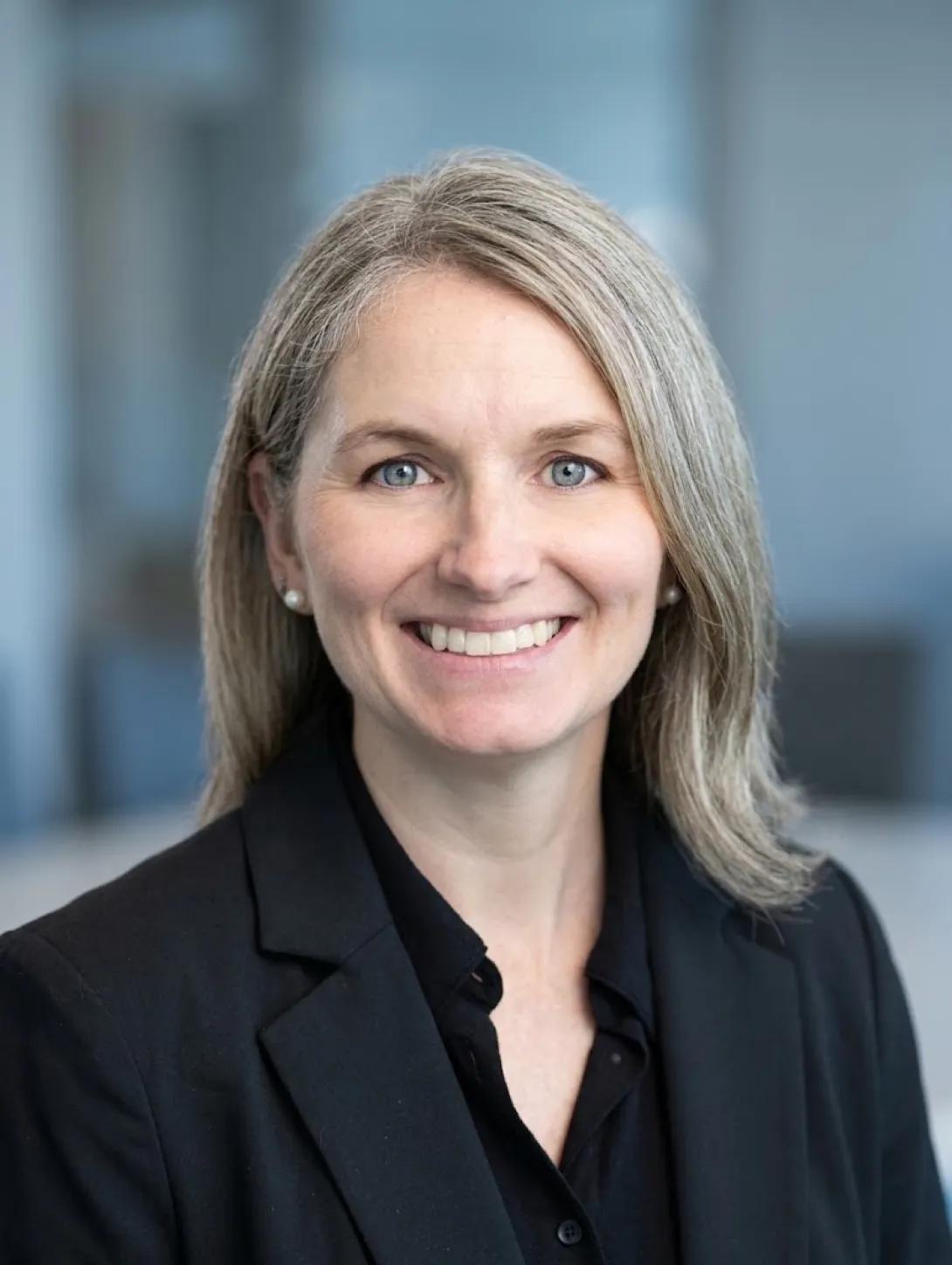
Residency Program Director: Jennifer Baldridge, PharmD, BCACP, DPLA
Program Highlights
- Opportunities to develop new and innovative programs in several community pharmacy settings focused on serving a variety of patient populations
- Clinic experience with primary and specialty care pharmacists
- Teaching certificate at the University of Michigan College of Pharmacy
- Participation in a Clinical Research Series Program and completion of a mentored longitudinal research project
- Participation in a Leadership and Professional Development Series Program
- Local and nationally recognized PGY-1 Community-based and PGY-2 Ambulatory Care Residency Trained Preceptors
Residents complete a complement of both core and elective rotations which total 12 months of practice. Schedules vary with resident preference for content and duration. Please see below for a list of rotations and example schedule.
Required Rotations:
- Orientation for Community Pharmacy Practice (1 month, July)
- Adult Internal Medicine (1 month, January)
- Ambulatory Care Administration (5 months, 4 hours per week)
- Ambulatory Care Clinic - Primary Care (9 months, 4 hours per week)
- Community Pharmacy Practice, Proposal, & Implementation (9 months, 4 hours per week)
- Community Pharmacy Staffing (12 months, 22 weekends rotated every other week)
- Community Service Project (12 months)
- Health and Wellness (4 months, 4 hours per week)
- Immunization and Population Health (9 months, 4 hours per week + vaccination clinics)
- Medication Safety & Quality (5 months, 1 hour each week)
- Medication Use Policy (1 month, meets Monday, Tuesday and Wednesday)
- Michigan Collaborative for Type 2 Diabetes & Clinic (9 months, 4 hours per week)
- Professional Commitment - Organizations and Committees (11 months)
- Research Project (12 months)
- Teaching – College of Pharmacy (1 semester)
- Transitions of Care Clinic – Geriatrics (4 months, 4 hours per week)
- Writing Project (12 months)
Elective Rotations:
- Ambulatory Care Clinic – Primary Care & BP (5 months, 4 hours per week)
- Anticoagulation/Cardiovascular Medicine (4 months, 4 hours per week)
- Compounding and Compliance Management ( 5 months, 4 hours per week)
- Informatics and Technology (5 months, 4 hours per week)
- Patient Centered Medical Home Clinic (4 months, 4 hours per week)
- Specialty Pharmacy (Immunological Disease States/Non-Immunological Disease States) (5 months, 4 hours per week)
- Teaching - College of Pharmacy Elective (1 semester)
- Transitions of Care – Practice Management (5 months, 4 hours per week)
Please see the PGY1 Community-Based Pharmacy Graduation Requirements Checklist & Program Deliverables for a list of all program completion requirements.
The community-based resident is required to work an average of two weekends per month. The resident provides service in the outpatient health-system pharmacy. They will staff one major (Thanksgiving, Christmas, or New Year's Day) and one minor (Labor Day, Friday after Thanksgiving, or Memorial Day) holiday. Responsibilities while staffing include processing prescriptions, paging physicians regarding dose recommendations/changes or prior authorizations, filling prescriptions, checking prescriptions for accuracy, and counseling patients.
Residents are required to complete a research project within the year. A poster for the project will be presented at the Vizient Pharmacy Council Meeting and American Pharmacists Association (APhA) Annual Meeting. The results of the project will also be presented at the Great Lakes Pharmacy Resident Conference. Residents are required to complete a writing project in collaboration with a chosen preceptor. Writing projects are comprehensive reviews that are suitable for publication and often qualify as continuing education programs.
Our residents receive an adjunct clinical instructor appointment with the University of Michigan College of Pharmacy. In this role, the Community Pharmacy Resident assists with instruction in Pharmacy 504, Pharmacy Practice Skills I. The resident also participates in precepting PharmD students on clinical rotation. An optional teaching certificate program is offered through the University of Michigan College of Pharmacy.
Jennifer Baldridge, PharmD, BCACP, DPLA
Pharmacy Manager - Community Pharmacy Services
Residency Program Director - PGY1 Community-Based Pharmacy
University of Michigan Health
- Jennifer Baldridge, PharmD, BCACP, DPLA
- Mat Barras, PharmD
- Julia Brown, PharmD
- Scott Ciarkowski, PharmD, MBA
- Lindsey Clark, PharmD, MBA
- Heidi Diez, PharmD, BCACP
- Karin Durant, PharmD
- Mary Jo Elder, PharmD, BCACP
- Jessica Fennelly, PharmD
- Kellie Kippes, PharmD, BCPS, BCACP
- Kristin Klein, PharmD
- Sarah Lakehal-Ayat, PharmD
- Lan Le, PharmD
- Randy Regal, PharmD
- Elizabeth Renner, PharmD, BCPS, BCACP, CACP
- Ashley Sabourin, PharmD
- Amy Thompson, PharmD, BCACP
- Sarah Vordenberg, PharmD, MPH
We will be represented at 2026 ASHP Midyear Residency Showcase in Orlando, Florida on December 8, 2026 from 8:00 - 11:00 AM EST at booth 5341. Please stop by to connect with the residents & RPD!
Can't make it to Midyear? No problem! Here the complete list of recruitment events we'll be attending this year:
- University of Michigan Health Virtual Residency Showcase (VIRTUAL); November 19, 2026, from 7:00-8:00 PM EST.
- Candidates must pre-register on or before November 19.
- Please check out the F.A.Q. for application information & deadlines.
