Psoriasis
Psoriasis
What is psoriasis?
Psoriasis is a long-term skin problem that causes skin cells to grow too quickly. This growth causes thick, white, silvery, or red patches of skin (called plaques). They most often appear on the knees, elbows, scalp, hands, feet, or lower back.
What causes psoriasis?
The exact cause of psoriasis isn't known. But experts believe that the immune system overreacts, causing inflammation and flaking of skin.
Many scientists believe that psoriasis can be inherited (runs in families). Having certain gene changes can make it more likely for a person to get psoriasis. But it isn't clear that your genes alone determine whether you get psoriasis.
People with psoriasis often notice times when their skin gets worse. Things that can cause these flare-ups include a cold and dry climate, infections, stress, dry skin, and taking certain medicines.
Psoriasis isn't contagious. It can't be spread by touch from person to person.
Appointment Information
To make an appointment for psoriasis, call 734-936-4054.
- For patients with extensive psoriasis, your provider may refer you to the U-M Health Dermatology Treatment Center (DTC) at UM Health Dermatology Clinic at Domino's Farms. The DTC offers intensive, short-term treatments like modified Goeckerman therapy and ultraviolet light to provide rapid, safe, and effective results. Patients attend daily 6-8 hour sessions, Monday through Saturday, for two or more weeks. Treatment is administered by skilled nurses and overseen by a U-M Health physician. Additionally, the U-M Health Dermatology Phototherapy Service offers outpatient, full-body light therapy.
- Referring Providers: For DTC referral or consultation, please call M-LINE at 800-962-3555. To refer a patient to the Dermatology Phototherapy Service call 734-936-8123, option #2 for more information.
What are the symptoms of psoriasis?
There are several types of psoriasis. Symptoms for each may vary. But major symptoms are itchy and tender skin and raised, bright red patches of skin (called plaques), topped with loose, silvery scales. In some people, psoriasis causes joints to become swollen, tender, and painful. Symptoms may disappear, even without treatment, and then return.
How is psoriasis diagnosed?
Your doctor can often recognize psoriasis by looking at your skin, scalp, and nails. Special tests usually aren't needed.
How is psoriasis treated?
Most cases of psoriasis are mild and can be treated with:
- Creams, ointments, and lotions to moisturize the skin.
- Shampoos, oils, and sprays to treat psoriasis of the scalp.
- Some exposure to sunlight.
Depending on what type of psoriasis you have, treatment may also include:
- Skin products that your doctor prescribes.
- Pills that your doctor prescribes.
- Shots to help your immune system.
- Phototherapy. This involves exposing your skin to special ultraviolet light.
In some cases, psoriasis can be hard to treat. You may need to try different combinations of treatments to find what works for you. Treatment for psoriasis may go on for a lifetime.
News & Stories

A metabolic “switch” that could help reset scar-producing cells in scleroderma
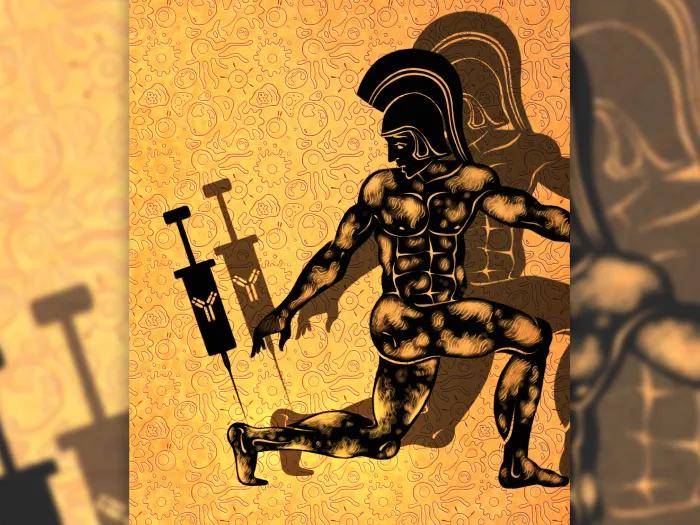
Researchers identify a potential “Achilles heel” of psoriasis
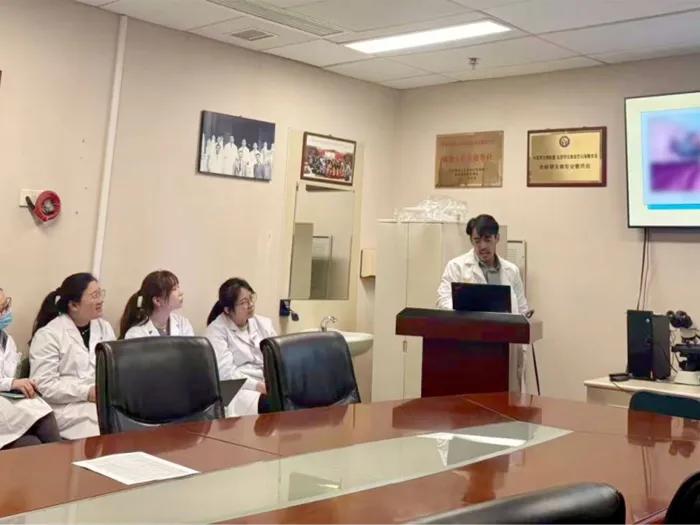
Dermatology resident’s China rotation highlights value of global training

New study hints at cause of pachyonychia congenita and a long-awaited potential treatment
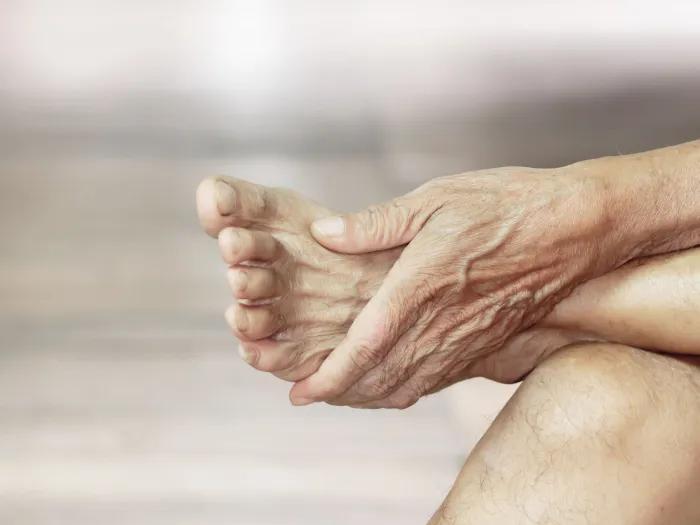
New study hints at the cause of a painful skin condition—and at a long-awaited potential treatment