
Adult Cerebral Palsy Clinic
Adult Cerebral Palsy Clinic
University of Michigan Health is home to one of only a few dedicated adult cerebral palsy clinics in the country. The Adult Cerebral Palsy Clinic focuses on managing the symptoms of cerebral palsy while helping patients navigate the manageable, often preventable health challenges all of us face as we grow older.
Our Approach
We discuss Cerebral Palsy life challenges such as independence and accessibility, manage equipment and medication needs, and offer injections, intrathecal baclofen, and access to surgeons and other specialists skilled in treating individuals with cerebral palsy.
For adolescents transitioning from pediatric to adult care we also offer the Physical Disabilities Transitional Care and Adult Clinic, one of the only clinics in the state devoted to the specialty care of adolescent and adult patients with childhood-onset physical disabilities.
Care in the Adult Cerebral Palsy Clinic is overseen by specialists in physical medicine and rehabilitation (PM&R). Since each patient’s needs are unique, PM&R specialists can collaborate with any of following specialists as needed:
- Clinical nurse specialists
- Endocrinologists
- Gynecologists
- Neurologists
- Neuropsychologists
- Neurosurgeons
- Occupational therapists
- Ophthalmologists
- Orthopedic surgeons
- Orthotists
- Physical therapists
- Speech and language pathologists
- Urologists
- Wheelchair seating technologists
Services
The clinic’s primary objective is to address each patient’s specific symptoms, which often include more than one of the following:
Physical difficulties impacting:
- Control of movement
- Muscle tone/spasticity
- Weakness
- Reflexes
- Balance
- Low bone density
- Pain and fatigue
- Constipation
Medical and cognitive difficulties, including:
- Swallowing disorders
- Seizures
- Constipation
- Bladder problems
- Saliva control issues
- Cognitive impairments
Additionally, during clinic visits, you and your clinician should discuss lifestyle modifications to prevent these conditions or reduce their impact, including:
- Increasing physical activity and decreasing sedentary behavior to reduce the risk of cardiovascular and metabolic disease risk
- Adopting strength-building and balance exercises to improve muscle health and function, as well as to reduce the risk of falls and fractures
- Making smarter nutritional choices to help manage body weight and blood sugar
- Addressing sleep disorders such as insomnia and chronic obstructive sleep apnea
- Tracking progress and making further lifestyle adjustments between clinic visits
Appointment Information
Appointments may be scheduled by calling 734-936-7175.
Research
Above and beyond managing the symptoms of cerebral palsy, The Adult Cerebral Palsy Clinic and Research Program also focuses on helping patients reduce the impact of many common, chronic, lifestyle-related conditions seen in adults.
Recent U-M Health research shows that adults with cerebral palsy are between two and five times more likely to have one or more of these conditions than are adults without cerebral palsy:
Every day, U-M clinicians and researchers strive to find new therapies and techniques to improve quality of life for individuals living with cerebral palsy.
- Quality of Life – Clinicians are leading studies about quality of life and health outcomes in teens and adults with cerebral palsy.
- Upper Limb Movement and Posture – Researchers in the U-M School of Kinesiology, in collaboration with the Department of Physical Medicine & Rehabilitation, are participating in innovative research exploring the quality of upper limb movements relative to posture, balance and dual task condition in adults with cerebral palsy.
- Metabolics – Physicians and researchers are investigating how metabolics (oxygen consumption, glucose use) work in people with cerebral palsy.
- Exercise – Researchers are investigating the effects of exercise and fitness on people with cerebral palsy.
- Nutrition – Investigators are also at the forefront of exploring the role diet and nutrition play in helping adults with cerebral palsy improve overall health and manage symptoms.
- Sleep – the involuntary muscle movements (dyskinesia) commonly experienced by people with cerebral palsy frequently disrupt healthy sleep, and sleep disturbances in turn can make dyskinesia worse. Researchers in neurology, sleep medicine and other specialties are investigating how to break this vicious cycle to improve both sleep quality and quality of life for people with cerebral palsy.
University of Michigan Health physicians and staff also routinely author publications and present at national and international conferences on topics of interest to the cerebral palsy community.
Locations
-
Physical Medicine & Rehabilitation Clinic | Burlington Building 325 E Eisenhower Pkwy Ste 100
Ann Arbor, MI 48108-3364Get Directions -
Spine Clinic | Northville Health Center 39901 Traditions Dr
Floor 1
Northville, MI 48168-9493Get Directions
Doctors

Heidi Jo Haapala, MD
Clinical Associate Professor
Physical Medicine & Rehabilitation

Edward Albert Hurvitz, MD
Professor
Pediatric Rehabilitation Medicine, Physical Medicine & Rehabilitation, Electrodiagnostic Medicine

Mary Megan Schmidt, DO
Clinical Associate Professor
Physical Medicine & Rehabilitation, Electrodiagnostic Medicine
News & Stories
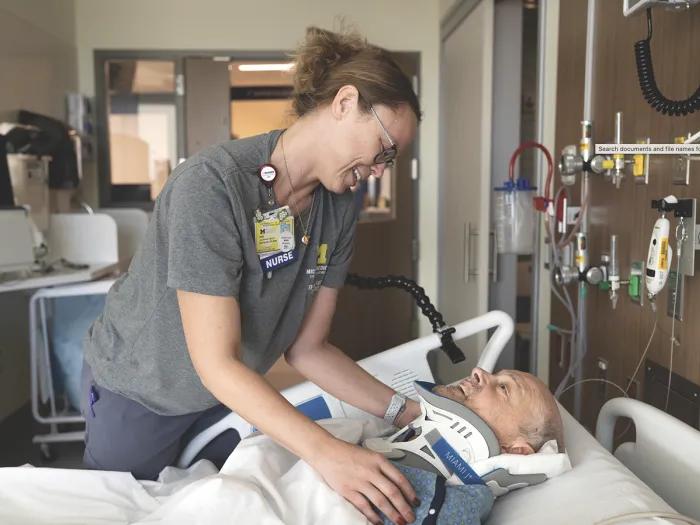
Giving with gratitude: planned gifts support nursing, research, and patient care

Bringing awareness to cerebral palsy through Dallas Cowboys Cheerleader boots
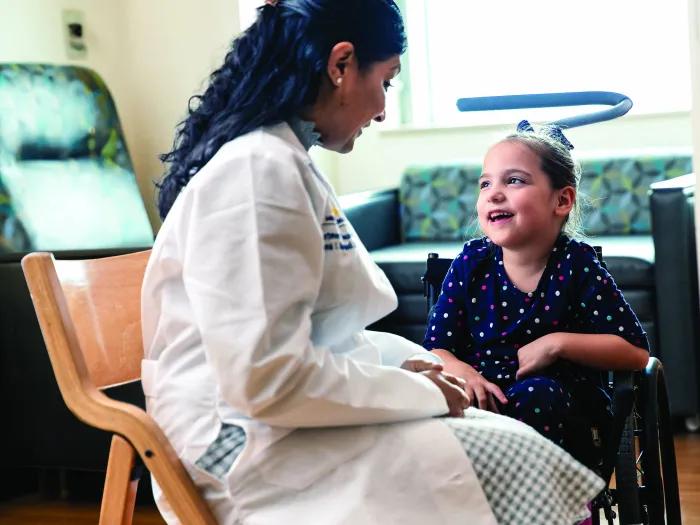
Unique approach to selective dorsal rhizotomy surgery transforms lives for kids with cerebral palsy

Cerebral palsy medications given to adults may not match needs

Changing the definition of cerebral palsy

Better understanding cerebral palsy pain types could lead to better treatment
Featured Story
Read a featured Health Blog Story: In Marriage and Physical Therapy, Couple with Cerebral Palsy Share Strength
