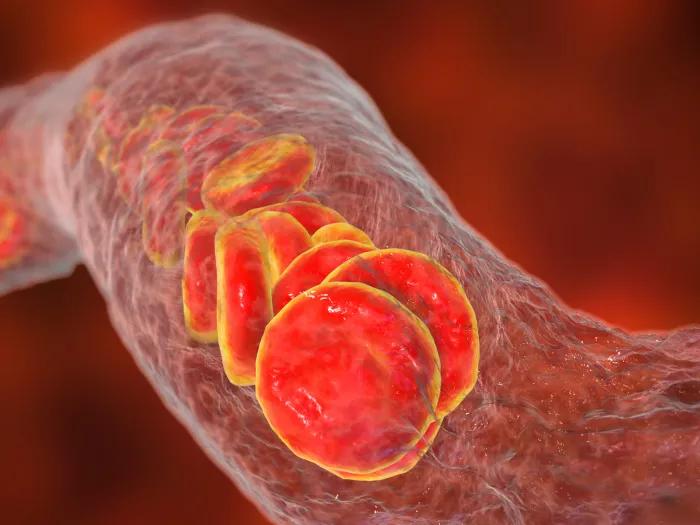
Multidisciplinary Cancer Care

At the Rogel Cancer Center, cancer patients can expect to be taken care of by a multidisciplinary team whose focus is on their type of cancer. Patients with liver cancer for example, will be seen by liver and gastrointestinal specialists – from medical oncologists, GI surgeons, radiation oncologists and interventional radiologists. Patients also have access to nurse practitioners and physician assistants that only see a specific kind of cancer type.
Services
Medical oncologists are specialists trained to diagnose, treat and care for patients once treatment has been completed. They are specially trained and board-certified in specific cancer types.
Surgical care for cancers of the breast, skin, and gastrointestinal system. We have special expertise in the management of patients with breast cancer, melanoma, pancreatic cancer, metastatic diseases of the liver, and soft tissue sarcomas. Through our biomedical research, we’re developing new immunotherapies to treat tumors, using our research to improve clinical care for patients.
Radiation oncology is made up of clinical experts as well as physicists in performing radiation therapy for cancer patients. Radiation therapy is a type of treatment using high-energy radiation, such as X-rays, to destroy cancer cells and shrink tumors. Radiation may come from a machine outside the body (external radiation therapy). Radiation can also be given from inside your body (internal radiation therapy). For example, brachytherapy uses radiation implants that are placed in or near cancer. Systemic radiation therapy is given by a pill or injection. And intraoperative radiation therapy is given inside the body during an operation.
Radiation therapy is standard treatment for many types of cancer. It may be used in combination with other treatments, such as surgery, chemotherapy, or immunotherapy.
Advanced practice providers (APPs), such as Nurse Practitioners (NPs) and Physician Assistants (PAs) are an integral part of your health care team. They order and interpret diagnostic tests, such as lab work and imaging, and may prescribe medications.
APPs practice medicine under the direction of physicians and have specialized training care for disease specific cancer patients.
Appointment Information
Call us at 734-647-8902 if you suspect you have cancer or have been diagnosed and are interested in getting your treatment at the Rogel Cancer Center.
Head & Neck Cancers: If you've been diagnosed with a head & neck cancer (such as oral, sinus or throat cancer), please call 734-936-8051.
Dermatology: For those diagnosed with squamous or basal cell skin cancer, please call 734-936-4068.
If you're a referring physician, please contact our M-Line service: 800-962-3555.
Resources
For more information about care at the Rogel Cancer Center, please visit:
- Browse cancer types
- Patient & Family Support Services
- Learn about cancer clinical trials
- Patient Care & Appointment Information
- View our Online Patient Education Library
News & Stories

How have diagnostic and treatment decisions for prostate cancer changed in recent years?
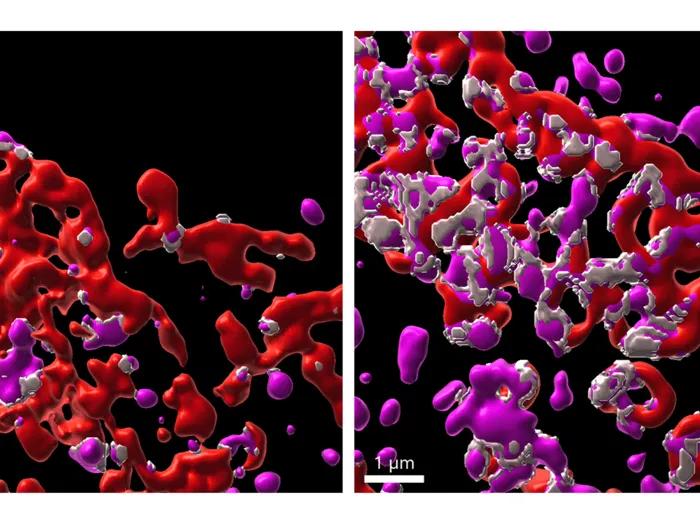
Immune system protein is a cancer killer on its own, new study shows
Online resources and coaching helped people seek genetic testing for cancer
‘Molecular glue’ stabilizes protein that inhibits development of non-small cell lung cancer and uterine cancer

Exceptional response to immunotherapy gives patient with liver cancer more milestones to celebrate