Neuropsychology Program
Neuropsychology Program
The Neuropsychology Program at University of Michigan Health has a longstanding tradition of evaluating cognitive and behavioral characteristics across diverse patient groups. This program collaborates closely with multiple departments such as Psychiatry, Neurology, Radiology, Pediatrics, Anesthesiology, Surgery, Physical Medicine & Rehabilitation, Internal Medicine, and other university units like Nursing, Public Health, and Engineering.
Our Approach
Annually, our program evaluates over 3,000 patients referred for neuropsychological symptoms due to medical and neurological conditions, including dementia, mood disorders, and neurodevelopmental and learning/attention problems. It also conducts pre-surgical evaluations and generates research initiatives, contributing to research-based examinations throughout the medical center and university, along with industry contracts.
To learn more about neuropsychology research and education at the University of Michigan Medical School, visit the Department of Psychiatry Neuropsychology Program page on the U-M Medical School website
Services
Our neuropsychology program provides comprehensive assessment and consultation services for individuals across their lifespan. We work with patients, families, and healthcare teams to support accurate diagnosis, guide treatment planning, and improve quality of life.
Adult Neuropsychology
Our adult services specialize in the evaluation of:
- Neurological disorders (e.g. stroke, epilepsy, brain tumors, multiple sclerosis, Parkinson’s disease, ALS)
- Psychiatric conditions with cognitive impact (e.g. depression, anxiety, psychosis)
- Cognitive aging, mild cognitive impairment and dementia
- Complex medical conditions (e.g. cardiac, oncology, organ transplantation)
Services include:
- Comprehensive neuropsychological assessments
- Pre- and post-surgical evaluations (e.g., epilepsy surgery, deep brain stimulation)
- Traumatic brain injury and concussion assessments
- Cognitive and behavioral recommendations
- Patient and family education and support
Pediatric Neuropsychology
Our pediatric team provides evaluations and consultations for children, adolescents, and young adults with:
- Developmental and learning disorders (e.g. ADHD, dyslexia, intellectual disability, autism spectrum disorder)
- Neurological and genetic conditions (e.g. epilepsy, cerebral palsy, neurofibromatosis, spina bifida)
- Effects of cancer and related treatment, congenital heart disease, or organ transplantation
- Traumatic brain injury and concussion
- Psychiatric conditions affecting cognition and learning
We work closely with schools, families, and medical providers to provide tailored recommendations that support academic, social, and emotional success.
Appointment Information
To schedule an appointment, please call 734-764-0231.
Locations
-
Neuropsychology Program | Commonwealth Building 2101 Commonwealth Blvd Ste C
Ann Arbor, MI 48105-2969Get Directions
Providers
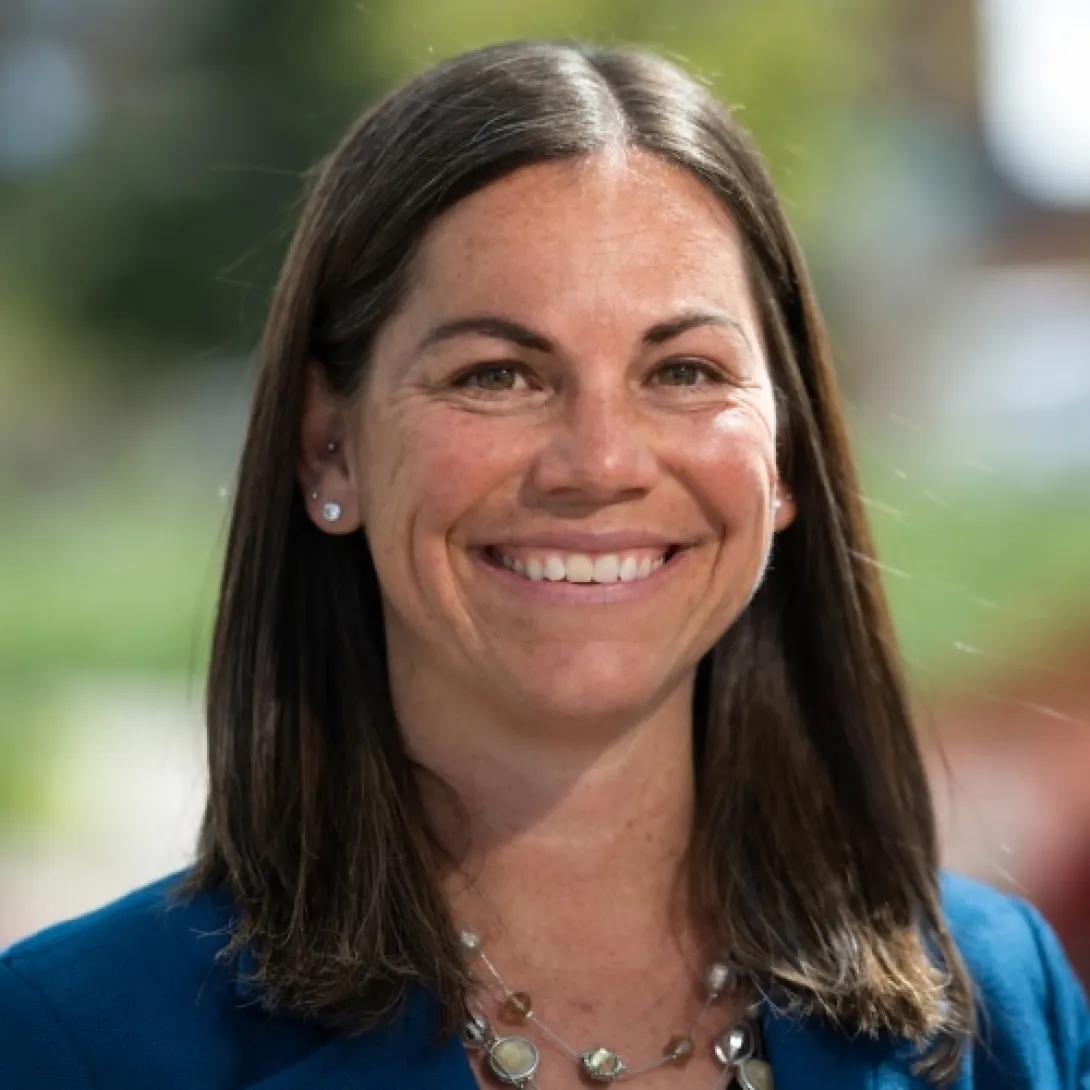
Cynthia Zurhellen Burton, PhD
Clinical Associate Professor
Clinical Neuropsychology
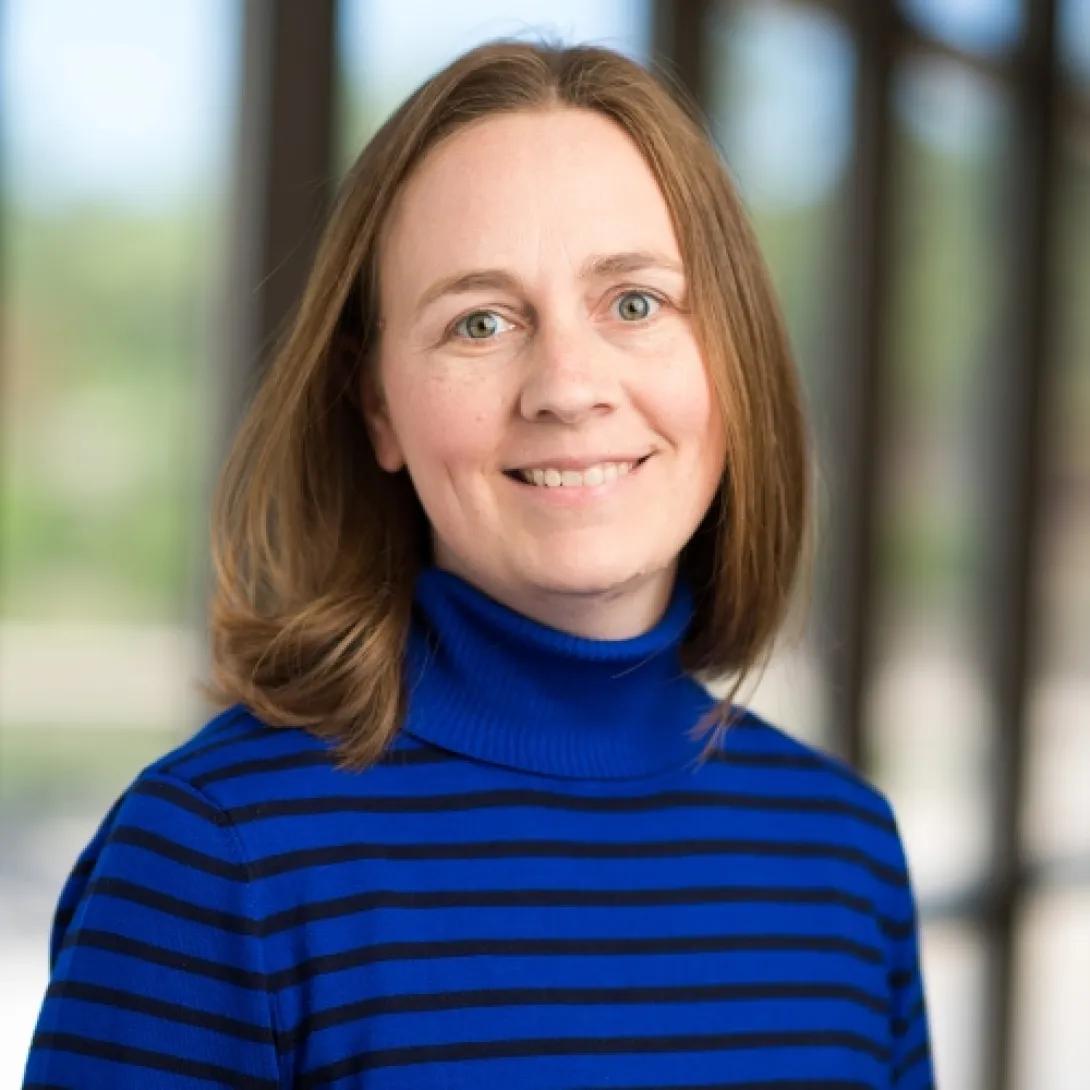
Kimberley Pytlak Heinrich, PhD
Clinical Associate Professor
Clinical Psychology, Clinical Neuropsychology
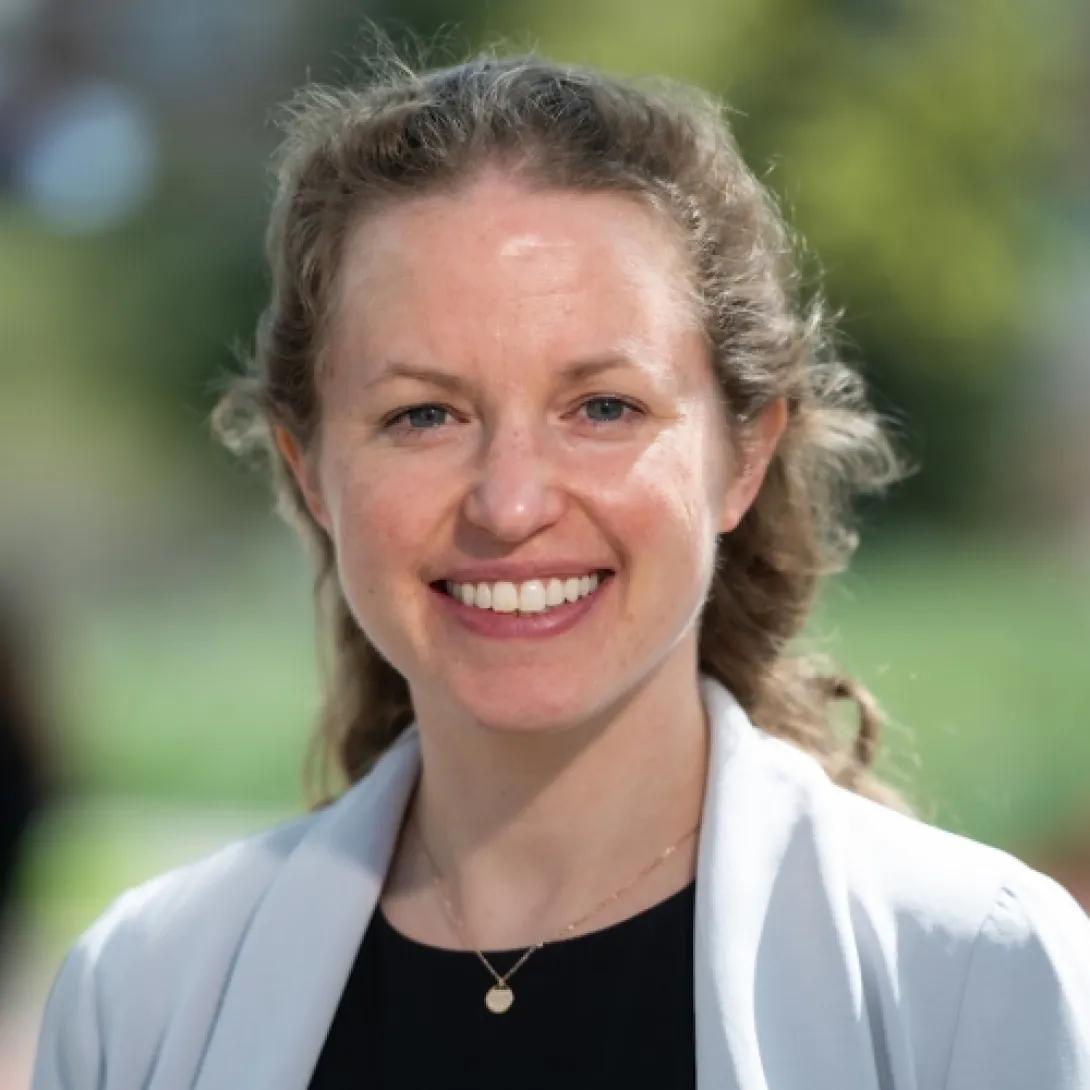
Amanda Hollos Cook Maher, PhD
Clinical Associate Professor
Clinical Neuropsychology, Clinical Psychology

David Francis Marshall, PhD
Clinical Associate Professor
Clinical Psychology, Clinical Neuropsychology
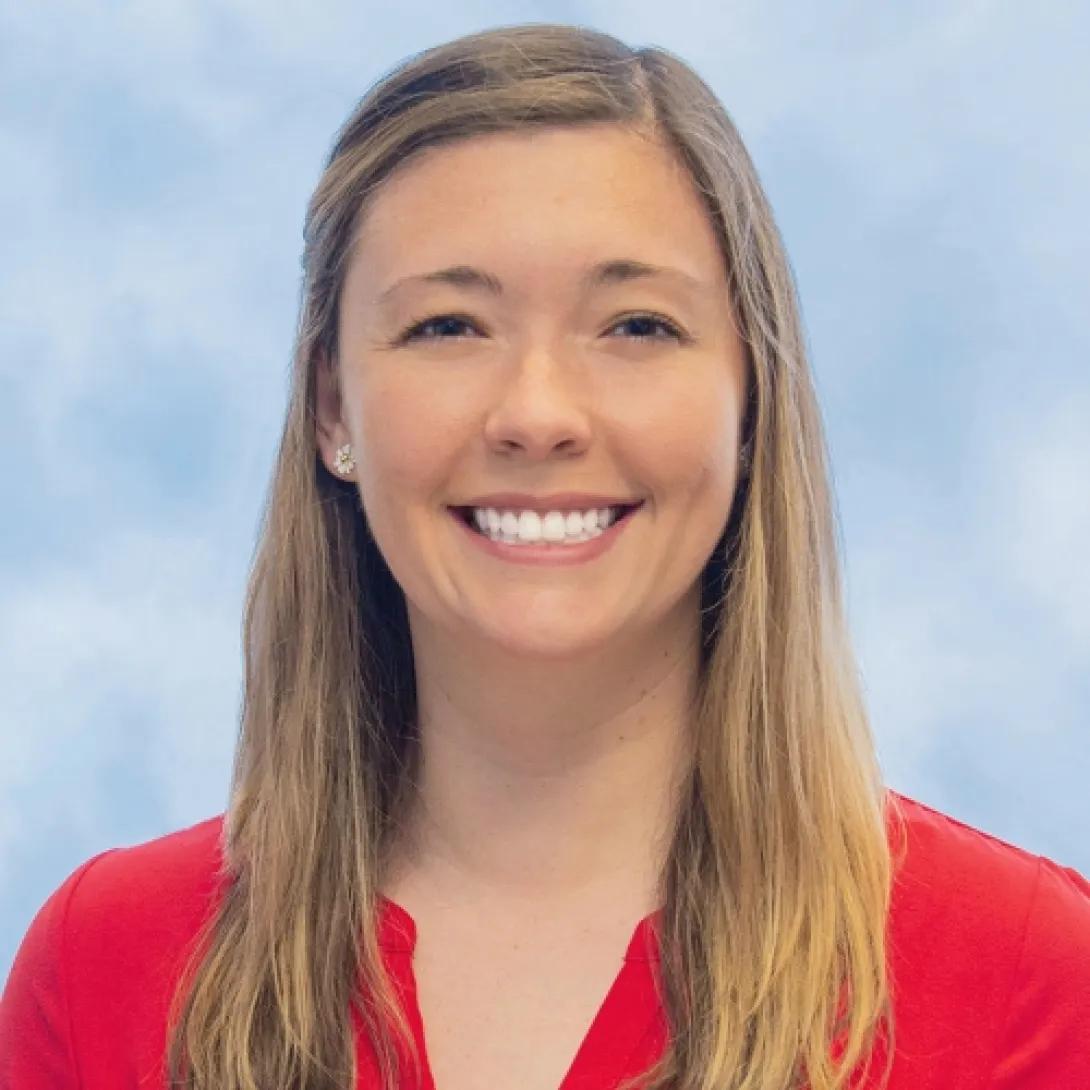
Kaitlin Ann McCloskey, PhD
Clinical Associate Professor
Clinical Psychology, Clinical Neuropsychology
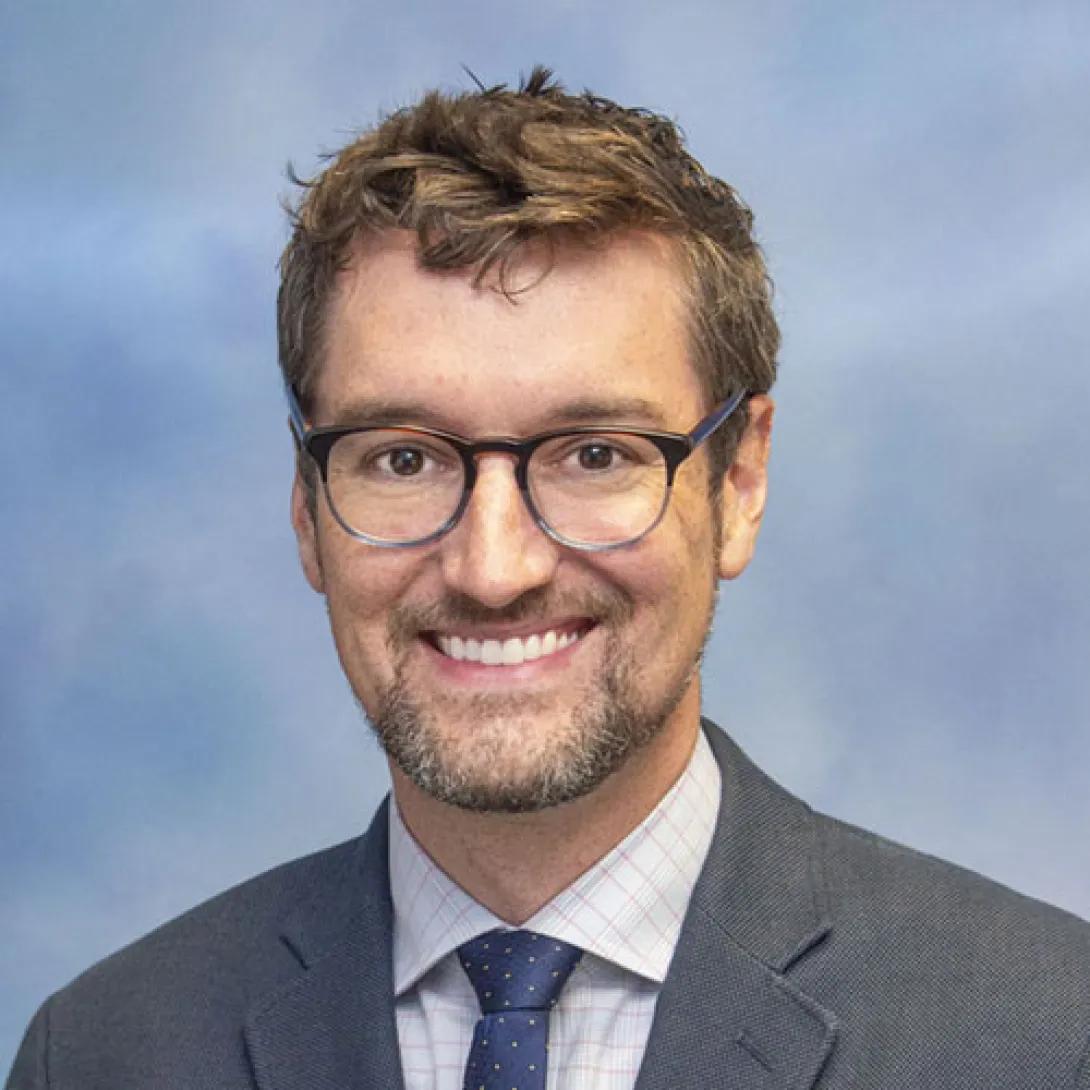
Kyler Robert Woodford Mulhauser, PhD
Clinical Assistant Professor
Clinical Psychology, Clinical Neuropsychology
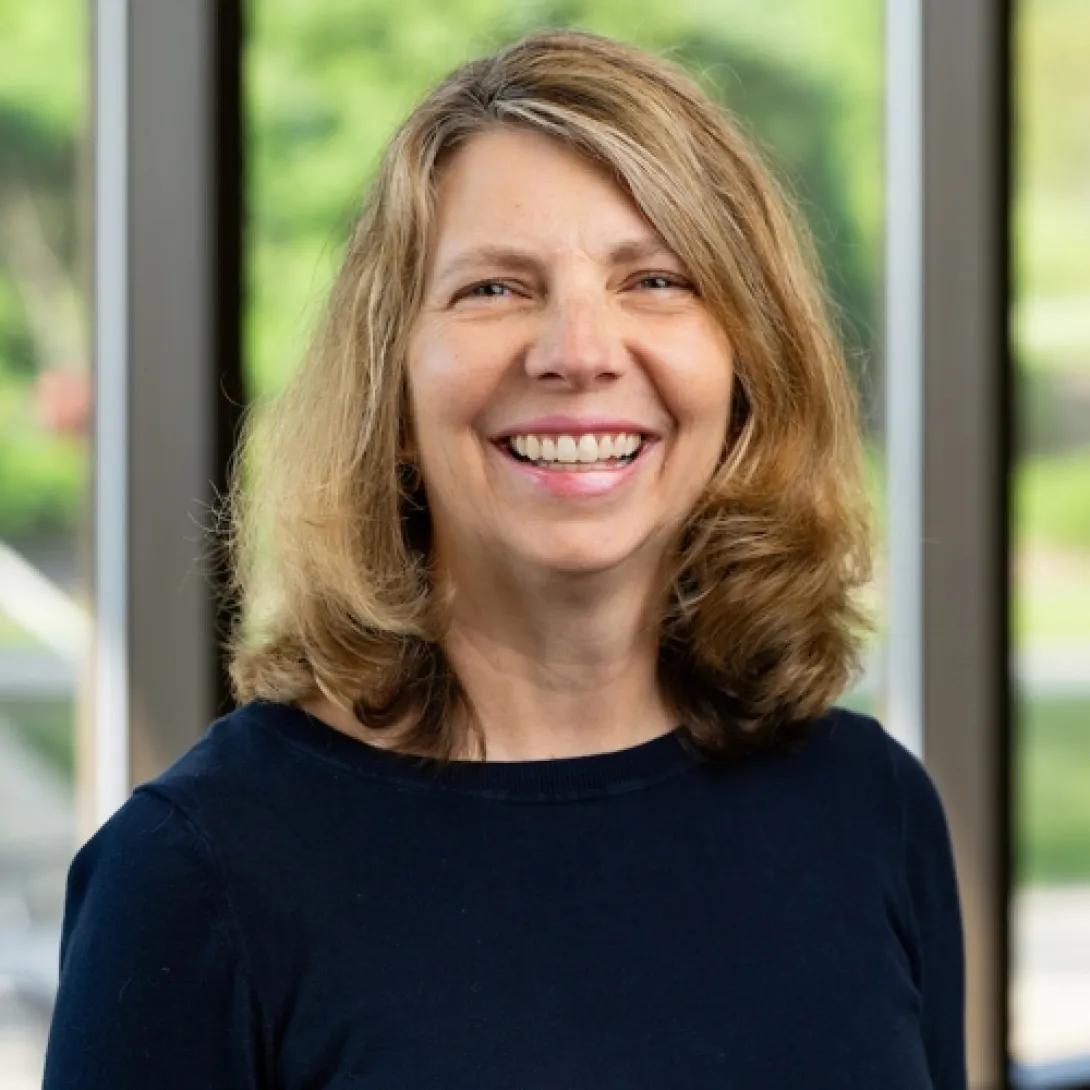
Carol Catherine Persad, PhD
Clinical Professor
Clinical Psychology, Clinical Neuropsychology, Clinical Child & Adolescent Psychology
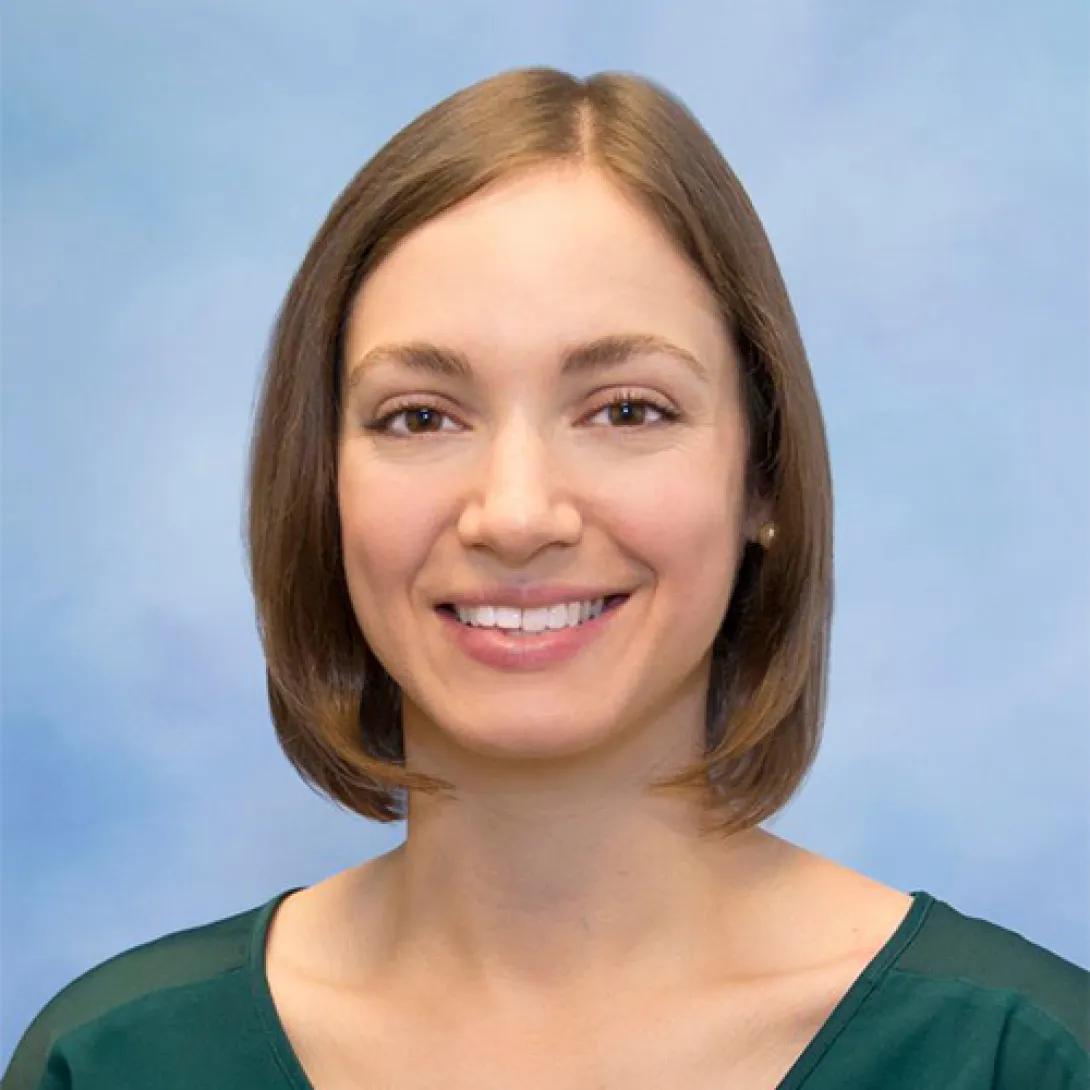
Annette Elizabeth Richard, PhD
Clinical Associate Professor
Clinical Psychology, Clinical Neuropsychology
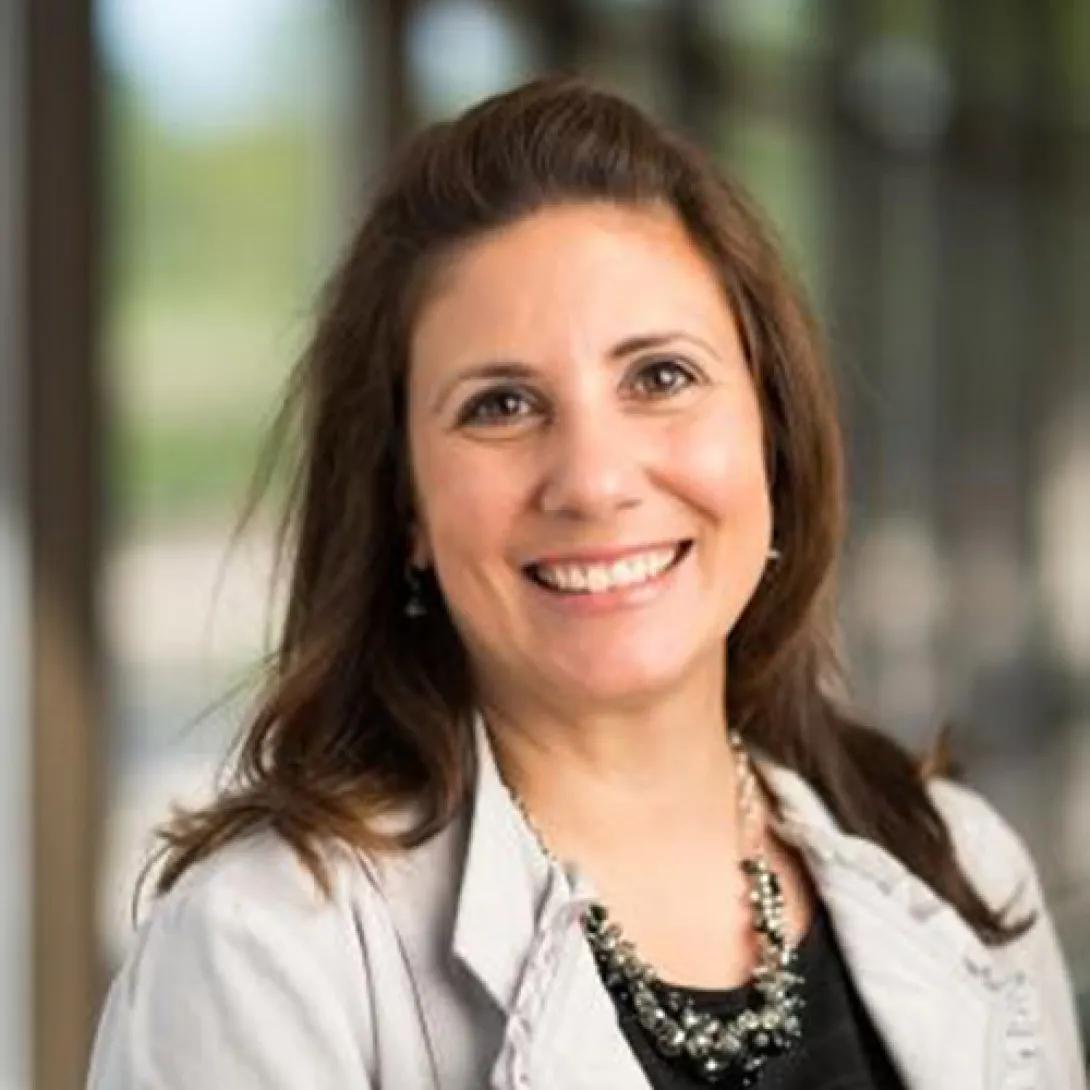
Kelly Ann Ryan, PhD
Clinical Professor
Clinical Psychology, Clinical Neuropsychology
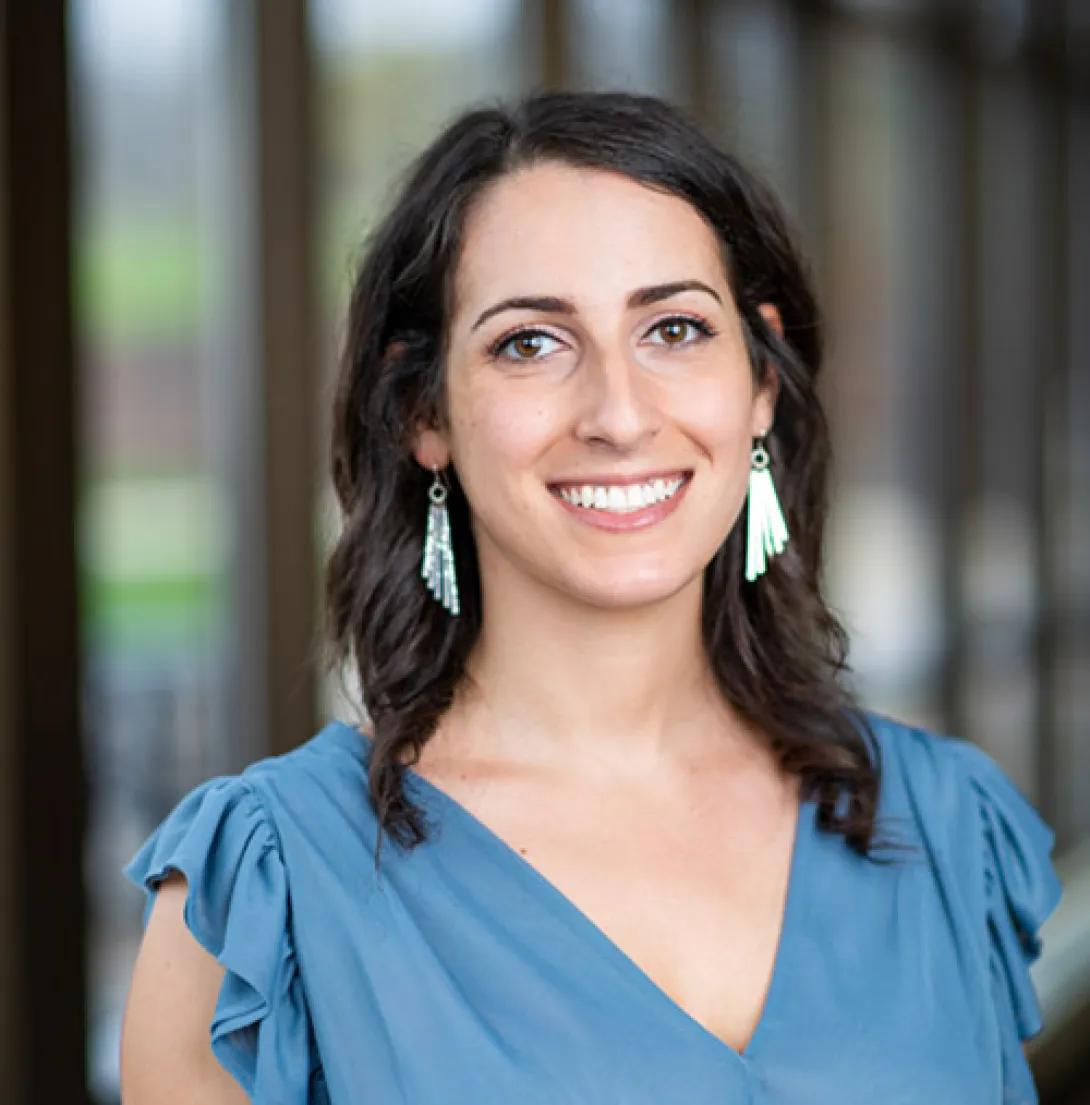
Taylor Rose Schmitt, PhD
Clinical Assistant Professor
Clinical Neuropsychology

News & Stories
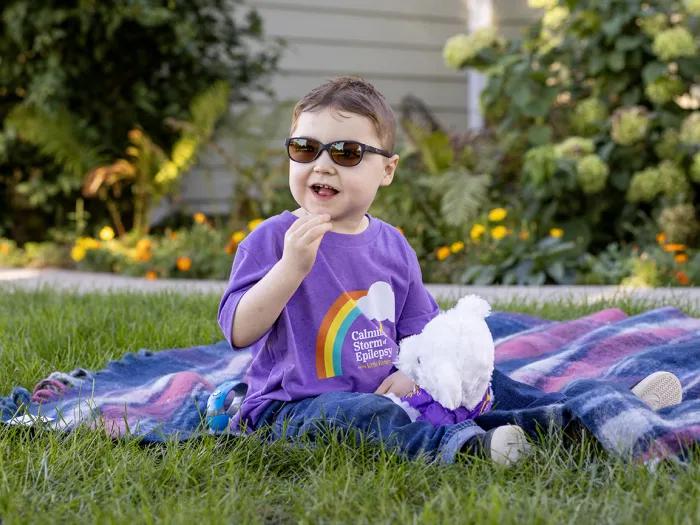
A pediatric epilepsy fundraiser that changes lives
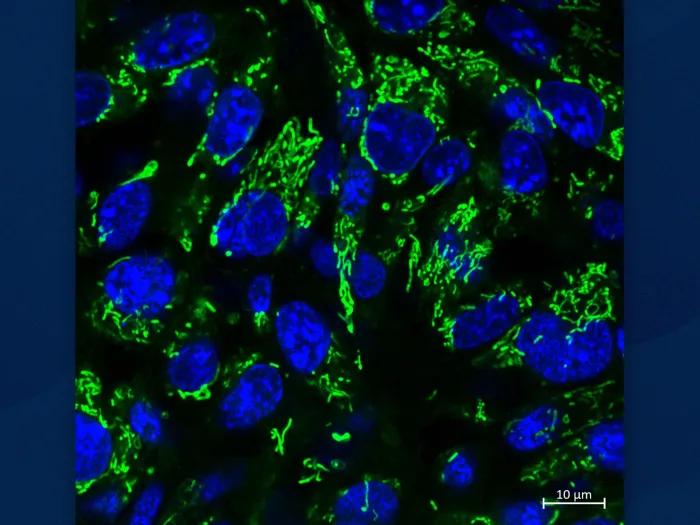
Engineered nanoparticles sensitize gliomas to radiotherapy
Helping kids with ADHD thrive in school
First person-centered measure of dementia caregiving styles improves partner, patient outcomes
7 things every family caregiver should know – but many don’t