Glomerular Disease Program (Pediatric)
Glomerular Disease Program (Pediatric)
University of Michigan Health offers expert care for Pediatric Glomerular Diseases such as:
- Nephrotic Syndrome
- Focal Segmental Glomerulosclerosis (FSGS)
- Minimal Change Disease
- IgM Nephropathy
- IgA Nephropathy
- C3 Glomerulopathy
- Membranous Nephropathy
These diseases may cause the kidneys to leak excess protein and blood in the urine, high blood pressure, and may lead to loss of kidney function. In the Pediatric Glomerular Disease Clinic at C.S. Mott Children’s Hospital, our goal is to establish a diagnosis, define treatment options and slow or stop the kidney damage. Our multidisciplinary team of specialists provide comprehensive and compassionate care, along with access to the latest treatments and clinical trials.
Appointment Information
Schedule an appointment by calling us at 734-936-4210. Request information regarding clinical trials by calling 734-232-4830.
What are the symptoms of glomerular disease?
Children with glomerular disease may experience some or all of the following symptoms or signs:
- Swelling in feet, ankles or around the eyes due to fluid buildup
- Microscopic or visible blood in the urine
- Feeling tired and having less energy
- Trouble sleeping
- Nausea
- Weight gain due to swelling
- Foamy or bubbly urine
- Hypertension
How is glomerular disease diagnosed?
Diagnosis of glomerular disease is made using urine and blood tests and genetic testing and kidney biopsy when necessary. Genetic testing may be recommended to assess a potential cause for the glomerular disease. A kidney biopsy may be needed to identify the diagnosis (disease affecting the kidney) as well assist in assessing long term impact of the disease on kidney health.
How is glomerular disease treated?
Treatment varies depending on the specific disease and severity of the condition. Treatment may include:
- Special diet
- Disease modifying medications
- Blood pressure medications
- Symptom management
- Lifestyle considerations
Clinical Trials & Support
Improvements in treatment options are a priority for the C.S. Mott Children's Hospital pediatric nephrology team. We provide access to new treatment candidates through clinical trials designed and conducted within the Pediatric Nephrology Program. Participation in clinical trials is voluntary and requires consent by the parent/guardian.
Educational Support
Our clinic focuses on education and includes educational support from a dedicated team of experts, including pediatric nephrology nurses, a renal social worker, a renal dietician, and nephrologists (kidney specialists). These experts work together to ensure children and families understand kidney disease, prescribed care regimen, and the importance of adherence to medicine and diet.
Chronic Kidney Disease Treatment
Children with progressive glomerular disease may require kidney replacement therapy with dialysis or kidney transplant. These services are provided by the Chronic Kidney Disease, Dialysis and Kidney Transplant Programs within Pediatric Nephrology.
Locations
-
Pediatric Nephrology Clinic | C. S. Mott Children's Hospital 1540 E Hospital Dr
Floor 8 Reception B
Ann Arbor, MI 48109-4259Get Directions
Doctors
Mary Hauswirth Borst, MD
Clinical Instructor
Pediatric Nephrology, Pediatrics
David Berrey Kershaw, MD
Professor
Pediatric Nephrology, Pediatrics
Clare Joan Lindner, MD
Clinical Assistant Professor
Pediatric Nephrology, Pediatrics
Rebecca Mary Lombel, MD
Clinical Assistant Professor
Pediatric Nephrology, Pediatrics

Kera Elizabeth Luckritz, DO
Clinical Associate Professor
Pediatric Nephrology, Pediatrics
Zubin Juzer Modi, MD
Clinical Associate Professor
Pediatric Nephrology, Pediatrics
Eloise Salmon, MD
Clinical Assistant Professor
Pediatric Nephrology, Pediatrics
Matthias T Wolf, MD
Associate Professor
Pediatric Nephrology, Pediatrics

Jennifer Yi-Chun Lai Yee, MD
Clinical Assistant Professor
Pediatric Nephrology, Pediatrics
Providers

Michele Mills, NP
Advanced Practice Nurse
Nurse Practitioner - Pediatrics, Nurse Practitioner
News & Stories

Continuing the legacy of a doctor’s doctor
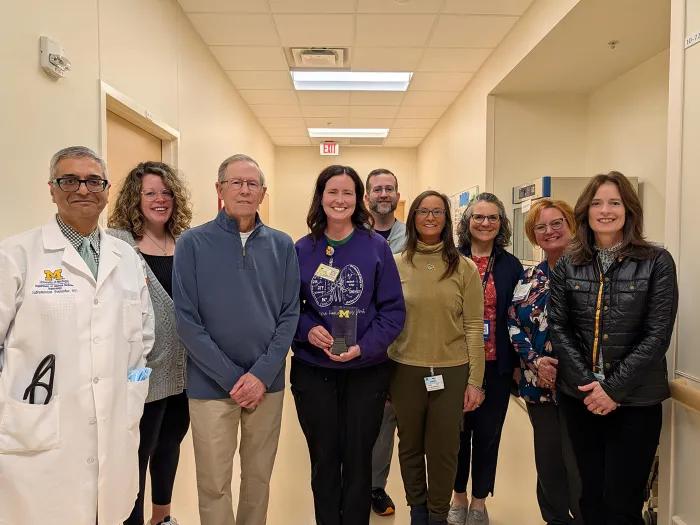
Family’s gift honors wife and mother, supports nephrology nurses
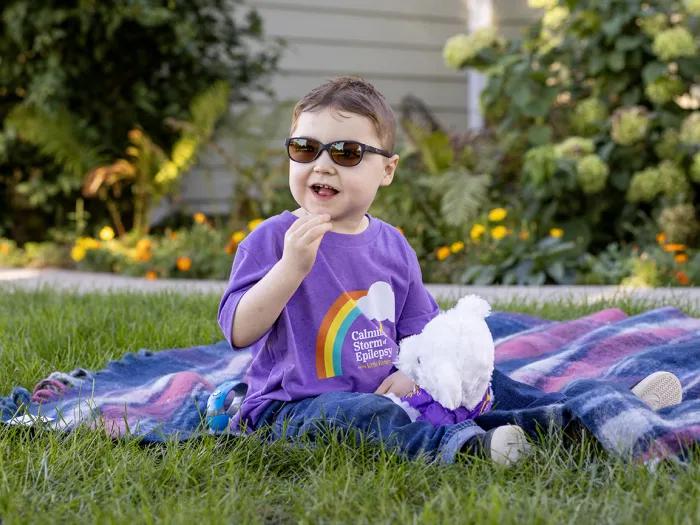
A pediatric epilepsy fundraiser that changes lives
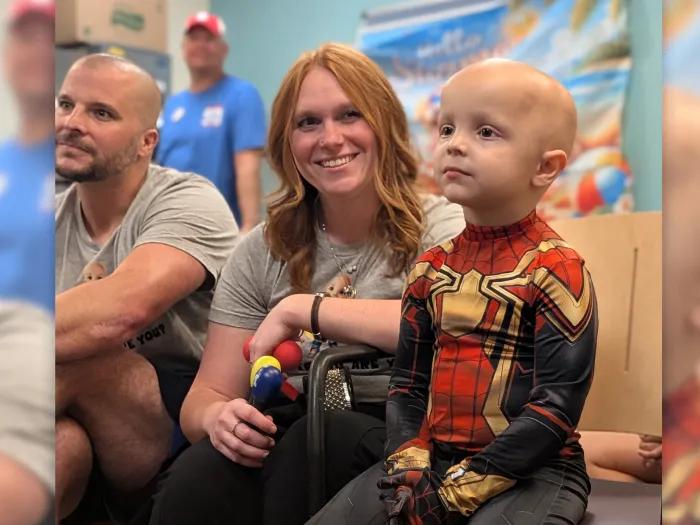
Talent show brings joy to kids at children’s hospital
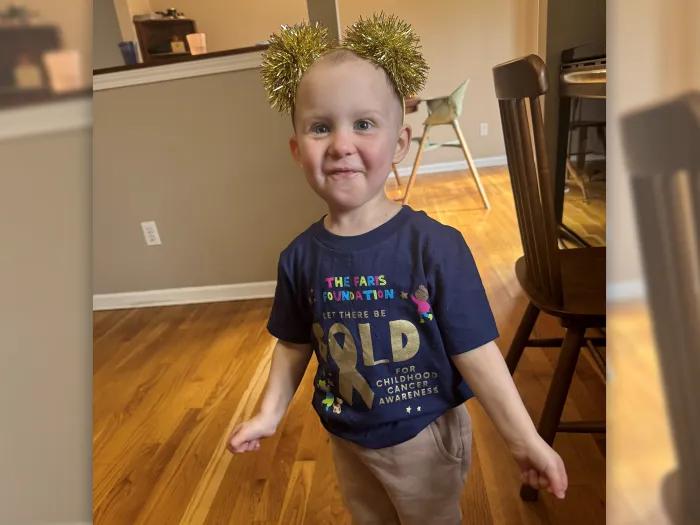
U-M alumni return from Central Asia to seek treatment for their child at Mott