Lymphedema Screening and Early Detection Program
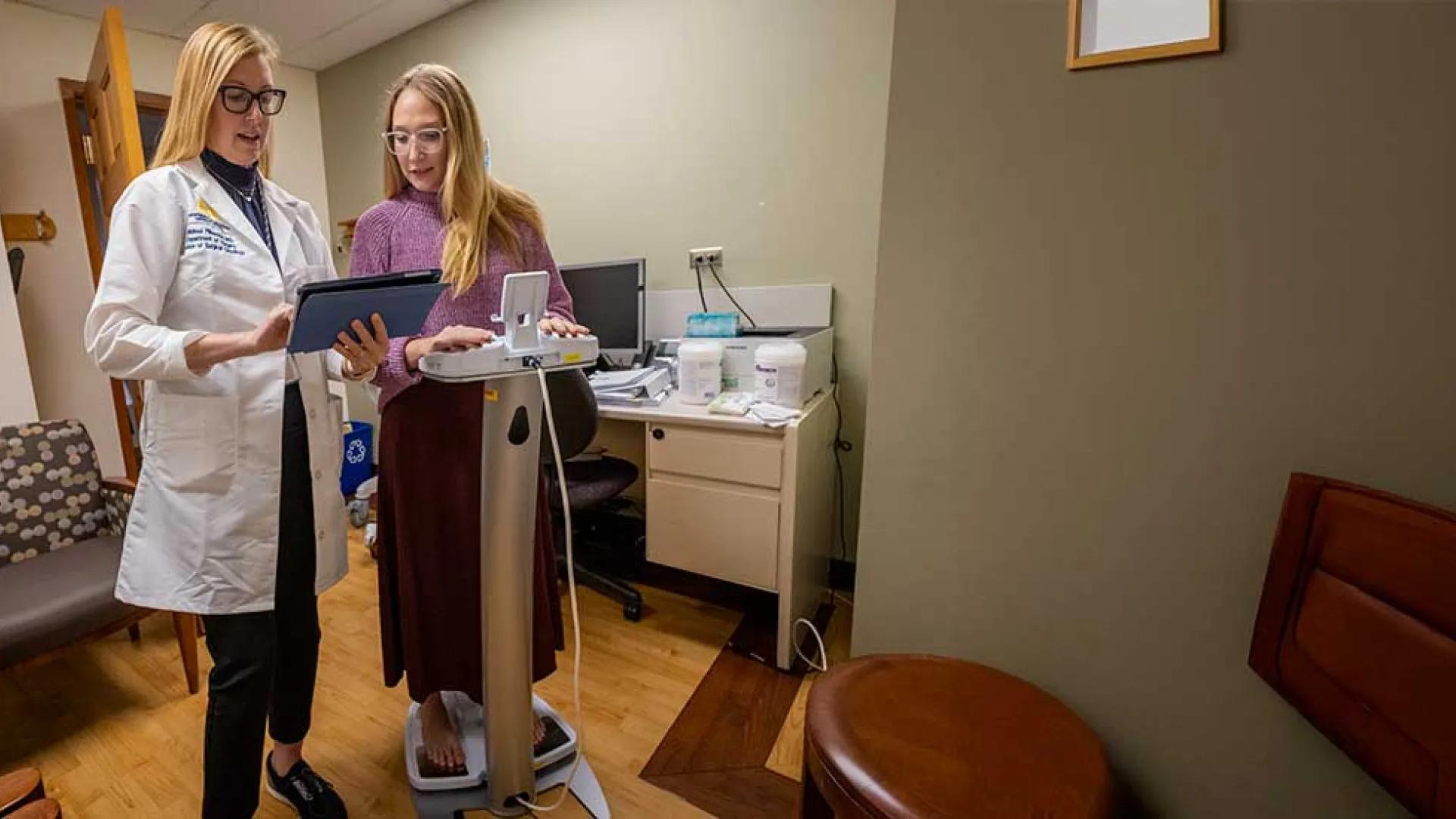
Lymphedema is a chronic condition resulting from the accumulation of lymphatic fluid, causing swelling or heaviness of the arm occurring after breast cancer treatment such as surgery or radiation therapy. Effective screening and early detection are crucial for managing and mitigating the severity of lymphedema. Here's an in-depth overview of lymphedema screening in breast cancer patients:
What is Lymphedema?
Lymphedema is swelling that generally occurs in the arms but can also appear in the legs or other parts of the body, due to the impaired drainage of lymphatic fluid.
It can be caused by the removal or damage to lymph nodes during breast cancer surgery, or radiation therapy that affects the lymphatic system.
Risk Factors
- Surgery: Removal of lymph nodes (axillary lymph node dissection) increases the risk.
- Radiation Therapy: Can damage lymph nodes and vessels, leading to impaired lymph flow.
- Extent of Cancer: More advanced cancers requiring extensive surgery and radiation have higher risk.
- Body Weight: Obesity is a known risk factor.
- Infection and Injury: Can exacerbate lymphedema or trigger its onset.
Our Approach
The Weiser Family Center for Breast Cancer is dedicated to providing compassionate, cutting-edge care for individuals affected by breast cancer. We enhance lives through early detection, personalized treatment, and survivorship support, while advancing research, education, and advocacy. Our unwavering commitment is to make a meaningful difference, improving breast cancer outcomes for all.
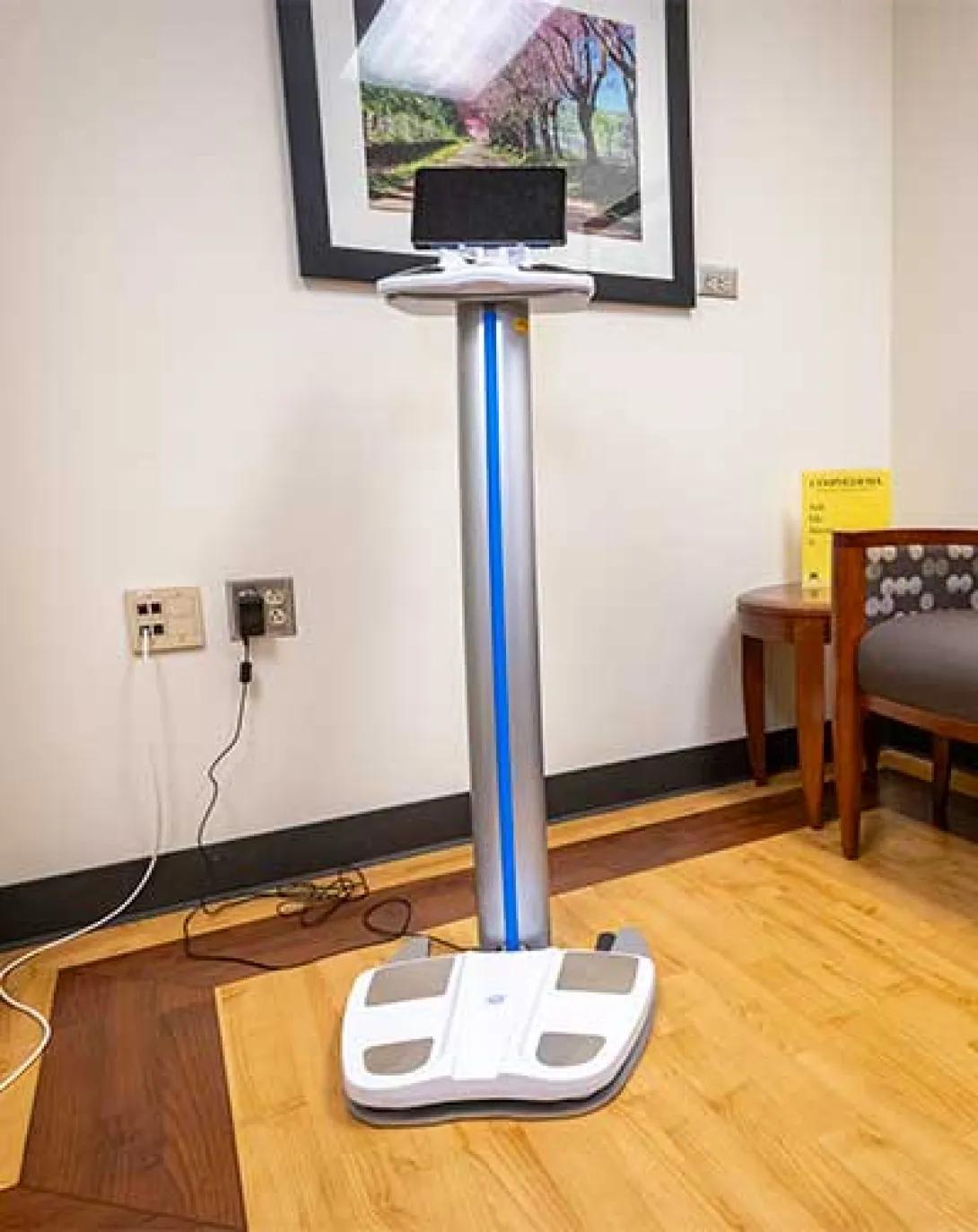
We designed this program to reduce your risk of getting life-long lymphedema by testing you for early stages of lymphedema with the goal of preventing it from getting worse. A device in clinic is utilized to measure the fluid status and tissue composition in the arms which provides a score called L-Dex®. The L-Dex score is used to track changes in one extremity over time. This device is noninvasive and painless.
Services
Screening for Lymphedema
Effective screening involves regular monitoring for early signs of lymphedema and using various measurement techniques to detect changes in limb volume or fluid accumulation.
Symptom Assessment:
- Self-Reported Symptoms: Patients are educated to report early signs such as heaviness, tightness, or swelling in the affected limb.
- Clinical Evaluation: Regular physical exams by healthcare providers to check for visible swelling or changes in limb size.
Measurement Techniques:
At the Weiser Family Center for Breast Cancer we utilize a measurement called Bioimpedance Spectroscopy (BIS): A non-invasive method that measures the resistance of body tissues to the flow of a small electrical current, helping to detect fluid accumulation (pictured at right).
Education and Self-Monitoring:
- Patient Education: Teaching patients how to perform self-exams and understand early signs and symptoms.
- Self-Measurement: Training patients on how to measure their limbs at home using a tape measure.
Regular Follow-Up:
- Post-Treatment Monitoring: Regular follow-up visits with healthcare providers to monitor for lymphedema symptoms, especially important during the first few years after surgery or radiation.
- Michigan Medicine Surveillance Program: A Bioimpedance Spectroscopy scan will be completed prior to certain surgeries/procedures. For patients who have undergone Axillary Lymph Node dissection, arm measurements will be obtained after surgery and on a regular basis for 5 years. This will be followed with scans at 12 weeks post-surgery, then every 3 months for the first year. Continued surveillance occurs every 6 months for 2 years and then once per year for 2 more years.
Intervention and Management
Early detection allows for prompt intervention, which can reduce the severity or even prevent the progression of lymphedema.
Compression Therapy:
- Compression Garments: Custom-fitted sleeves or gloves to help reduce swelling and maintain fluid movement.
- Compression Bandaging: Multi-layer bandaging to minimize swelling.
Manual Lymphatic Drainage (MLD):
- Specialized Massage: Performed by trained therapists to stimulate lymphatic flow and reduce fluid accumulation.
Exercise:
Gentle exercises designed to promote lymphatic flow without overexerting the affected limb.
Skin Care:
Careful skin hygiene and prompt treatment of any cuts or insect bites to prevent infection, which can exacerbate lymphedema.
Weight Management:
Maintaining a healthy weight and engaging in regular physical activity to support overall lymphatic health.
Innovations
Immediate Lymphatic Reconstruction
Conclusion:
Lymphedema is a significant concern for breast cancer survivors, but with effective screening, education, and early intervention, its impact can be minimized. Regular monitoring, patient education, and comprehensive management strategies are critical for improving the quality of life for those at risk.
Appointment Information
If you're a patient interested in making an appointment, please call 734-647-8902. Healthcare providers looking to refer a patient, please contact M-LINE: 800-962-3555.
Locations
-
Breast Care Clinic | Brighton Center for Specialty Care 7500 Challis Rd
Entrance 1, Level 1
Brighton, MI 48116-9416Get Directions -
Breast Oncology Clinic | Rogel Cancer Center 1500 E Medical Center Dr
Floor 1
Ann Arbor, MI 48109-5916Get Directions
Doctors

Erin Frances Cobain, MD
Associate Professor
Medical Oncology, Internal Medicine

Norah Lynn Henry, MD, PhD
Professor
Medical Oncology, Internal Medicine

Tasha Michelle Hughes, MD
Clinical Associate Professor
Surgical Oncology, Surgery

Jacqueline Sara Jeruss, MD, PhD
Professor
Surgery

Sofia Diana Merajver, MD, PhD
Professor
Medical Oncology, Internal Medicine

Aki Morikawa, MD, PhD
Clinical Associate Professor
Medical Oncology, Hematology, Internal Medicine

Lauren Michelle Perry, MD
Clinical Assistant Professor
Surgical Oncology, Surgery

Melissa Louise Pilewskie, MD
Clinical Professor
Surgery

Michael Scott Sabel, MD
Professor
Surgery

Jeffrey Beaumont Smerage, MD, PhD
Clinical Associate Professor
Medical Oncology, Hematology, Internal Medicine, Clinical Informatics
Providers

Joan Marie Armstrong, NP
Advanced Practice Nurse
Nurse Practitioner - Family, Nurse Practitioner

Susan Marie Egner, NP
Advanced Practice Nurse
Nurse Practitioner
Tamara Mangan Ghormley, NP
Advanced Practice Nurse
Nurse Practitioner, Nurse Practitioner - Community Health
Kimberly Ann Hoskins, NP
Advanced Practice Nurse
Nurse Practitioner - Adult Health
Mary-Jo Marie Julin, NP
Advanced Practice Nurse
Nurse Practitioner
Amanda Leigh Kovach, PA-C
Physician Assistant
Physician Assistant

Katherine Ann Lew, PA-C
Physician Assistant
Physician Assistant
Margaret Anne Miodonski, NP
Advanced Practice Nurse
Nurse Practitioner-Women's Health, Nurse Practitioner
Alissa Ann Stewart, PA-C
Physician Assistant
Physician Assistant
Megan Ann Williams-Morad, PA-C
Physician Assistant
Physician Assistant
News and Stories
Comprehensive DNA sequencing reveals hidden drivers of cancer

New oral nanomedicine boosts effectiveness of cancer immunotherapies

5-year survival rate has increased for all cancers, according to American Cancer Society

Breast cancer patient encourages women to commit to their health
Capturing cancer cells from blood could help doctors choose the right breast cancer treatment