Spontaneous Coronary Artery Dissection (SCAD)
Spontaneous Coronary Artery Dissection (SCAD)
What is Spontaneous Coronary Artery Dissection (SCAD)?
Spontaneous coronary artery dissection (SCAD) is a type of heart attack caused by a tear within the layers of one or more arteries that supply blood to the heart. Unlike a traditional heart attack caused by a blockage in the artery due to the buildup of plaque and blood clot formation, SCAD involves an artery dissection, or tear. The tear may create a flap or cause a blood clot to form. Both can block blood flow to the heart muscle, resulting in a heart attack. SCAD may also lead to cardiac arrest, acute coronary syndrome and even sudden death. It is the number one cause of heart attack in women under the age of 50 and the number one cause of heart attack in new mothers and pregnant women.
SCAD often affects seemingly healthy women and, less commonly, men who have no traditional risk factors for heart attack such as smoking, diabetes, being overweight or having a family history of heart disease. Although the exact cause of SCAD is unclear, researchers suspect hormone, inflammation, genetic factors or possible underlying fibromuscular dysplasia (FMD) may play a role. Extreme physical exercise and severe emotional stress are also thought to be risk factors.
Our Approach
All patients with SCAD should be evaluated for underlying causes as outlined above, ideally under the care of a physician specializing in arterial diseases. Ongoing research is focused on determining if and when SCAD may recur as well as prevention strategies.
Appointment Information
Visit our Make an Appointment page for more information or call 888-287-1082.
What are the symptoms of SCAD?
Symptoms of SCAD include:
- Nausea, lightheadedness and sweating
- Pain in one or both arms, neck, back or jaw
- Shortness of breath
- Chest pain or discomfort
- Stomach pain
- Fatigue
How is SCAD diagnosed?
Early and proper diagnosis of SCAD is critical to saving lives. Of crucial importance is seeking urgent medical attention with concerning symptoms such as chest, back, neck or arm pain. While heart attacks are diagnosed through blood work and an electrocardiogram, SCAD may be diagnosed with an angiogram, referred to as cardiac catherization when done invasively, or by specialized CT scans, which are performed with IV dye injections. These X-ray tests use the dye and a camera to view blood flow in the coronary arteries. Often, SCAD isn’t diagnosed until doctors look for artery defects following a heart attack.
What is the treatment for SCAD?
While traditional heart attack patients are often treated with stents to open blocked arteries, stents should only be used in SCAD patients who have ongoing clinical symptoms. Patients are typically put on a daily aspirin and anti-platelet regimen to reduce the risk of blood clots and are closely observed for complications. The artery generally heals on its own. Patients are typically advised to participate in a heart rehabilitation program.
Research
The University of Michigan Arterial Dysplasia Research Study is studying genetic and other factors underlying SCAD and related disorders. The Virtual Multicenter Spontaneous Coronary Artery Dissection (SCAD) Registry was created to increase awareness, understanding and treatment and prevention of SCAD. The Genetic Investigations in Spontaneous Coronary Artery Dissection (SCAD) is creating a biobank of blood samples from patients with SCAD and their biological parents to potentially see whether genetic factors play a role in the development of this disease. To learn more about SCAD, check out the recently published Scientific Statement about SCAD and SCAD Patient Page from the American Heart Association's journal Circulation.
Locations
-
Cardiology Clinic | Frankel Cardiovascular Center 1425 E Ann St
Floor 3 Reception C
Ann Arbor, MI 48109-5856Get Directions
Doctors
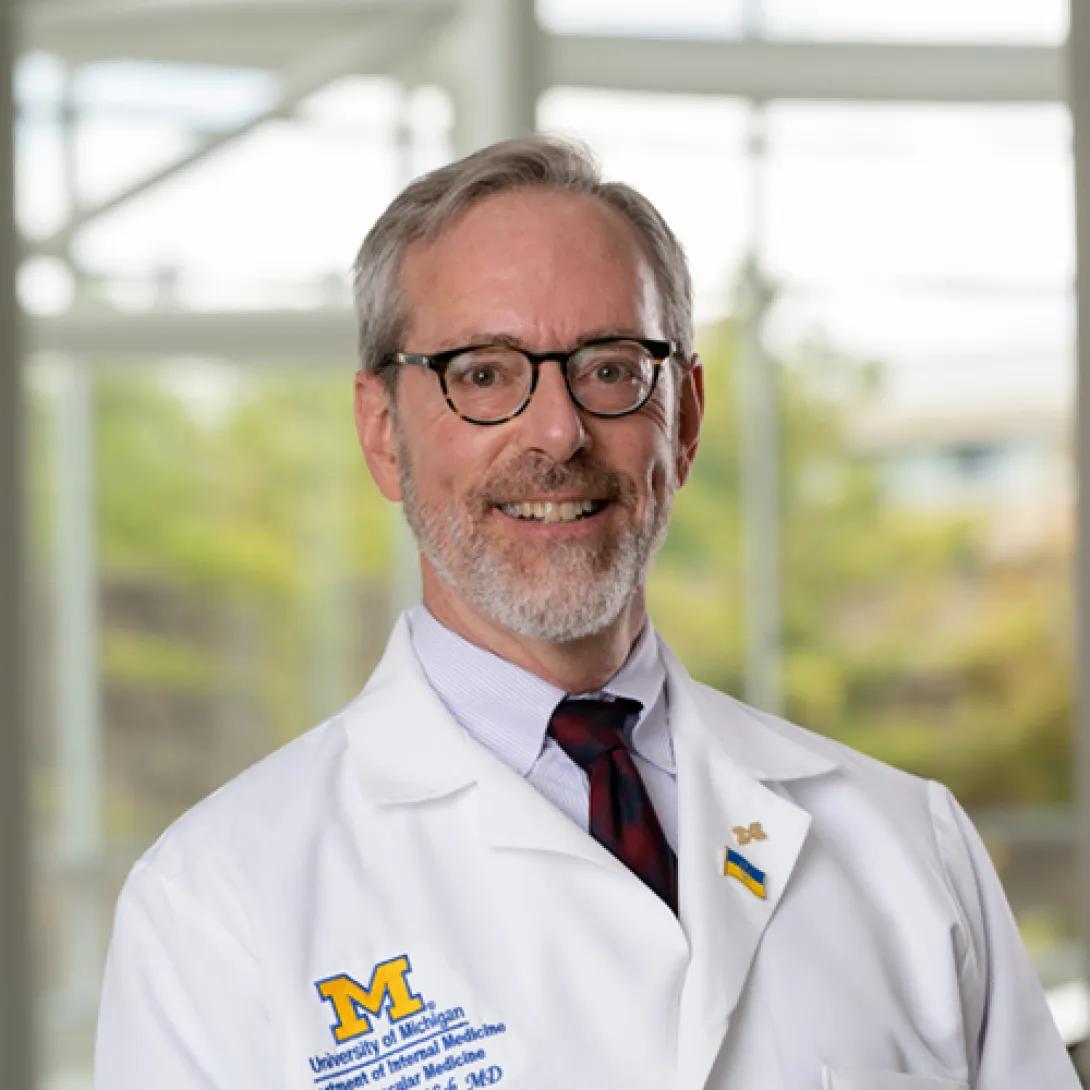
James Barklow Froehlich, MD
Clinical Professor
Cardiovascular Disease, Internal Medicine

Santhi Kalaichelvi Ganesh, MD
Professor
Cardiovascular Disease, Internal Medicine
News & Stories

From patient to artist: A project close to her heart
More babies with hypoplastic left heart syndrome surviving critical period between surgeries

Distance, insurance, social factors may hinder access to lifesaving heart monitoring for children
Jalen Hurts’ blood clot diagnosis: doctors answer common questions
Gene editing is coming for common diseases. Are we ready?