
Cystectomy
Cystectomy
What is a cystectomy?
A cystectomy is surgery to remove part or all of the bladder. It is mainly used to treat bladder cancer.
There are three types of surgery.
- Partial cystectomy takes out part of the bladder.
- Simple cystectomy takes out all of the bladder.
- Radical cystectomy takes out all of the bladder. It also takes out nearby lymph nodes and all or part of the urethra. That's the tube that carries urine from your bladder and out of your body. Nearby organs that may have cancer cells are removed as well. This may include the prostate and seminal vesicles in men. And it may include the uterus and ovaries in women.
In cases where the bladder is removed, a neobladder is created. This is viewed as a more natural way to replace the bladder, since it doesn't require an external pouch. Instead, people with neobladders continue to expel urine as they did prior to having their bladder removed. It's important to note that a neobladder is not the same as a bladder. A period of adjustment is necessary but most patients find that once they get used to it, they are happy with it.
Our Approach
In some cases of bladder cancer, removing the bladder, called a cystectomy, is necessary. The U-M Health Rogel Cancer Center's Urologic Oncology Program's goal is to see our patients overcome their bladder cancer and go on to lead healthy, active lives. In some cases of bladder cancer, it is necessary to remove part, or all of the bladder. Our surgical team has expertise in robotic cystectomy and neobladders for bladder cancer. The advantage of using robotic surgery for cystectomy is it decreases blood loss, the need for blood transfusion and leads to a quicker recovery.
Our patients also have access to Patient and Family Support Services. We understand a cancer diagnosis affects not only our patients, but those close to them. Our support covers the emotional, physical and practical concerns coming with cancer treatment.
Appointment Information
If you've been diagnosed with a urologic cancer, or suspect you may have one, please call 734-647-8902.
If you're referring a patient, please contact M-Line 800-962-3555.
For people with questions, please call our Cancer AnswerLine at 800-865-1125.
What can you expect as you recover from a cystectomy?
A cystectomy usually requires a hospital stay of about a week. You can expect some discomfort during the first few days after surgery. This discomfort can often be controlled with home treatment and medicine. Complete recovery usually takes 6 to 8 weeks.
If you were treated for cancer, more treatment may be needed after a radical cystectomy. This may include radiation therapy or chemotherapy. Immunotherapy may be used after a partial cystectomy for early-stage tumors.
After your treatment for bladder cancer, it's important to receive follow-up care. Your doctor will set up a regular schedule of checkups and tests.
Locations
-
Urologic Oncology Clinic | Rogel Cancer Center 1500 E Medical Center Dr
Floor B1 Reception E
Ann Arbor, MI 48109-5913Get Directions -
Urologic Oncology Clinic | West Ann Arbor Health Center-Parkland Plaza 380 Parkland Plaza Ste 210
Floor 2
Ann Arbor, MI 48103-6201Get Directions
Doctors

Tudor Borza, MD
Associate Professor
Urology

Megan Elizabeth Veresh Caram, MD
Clinical Associate Professor
Medical Oncology, Hematology, Internal Medicine
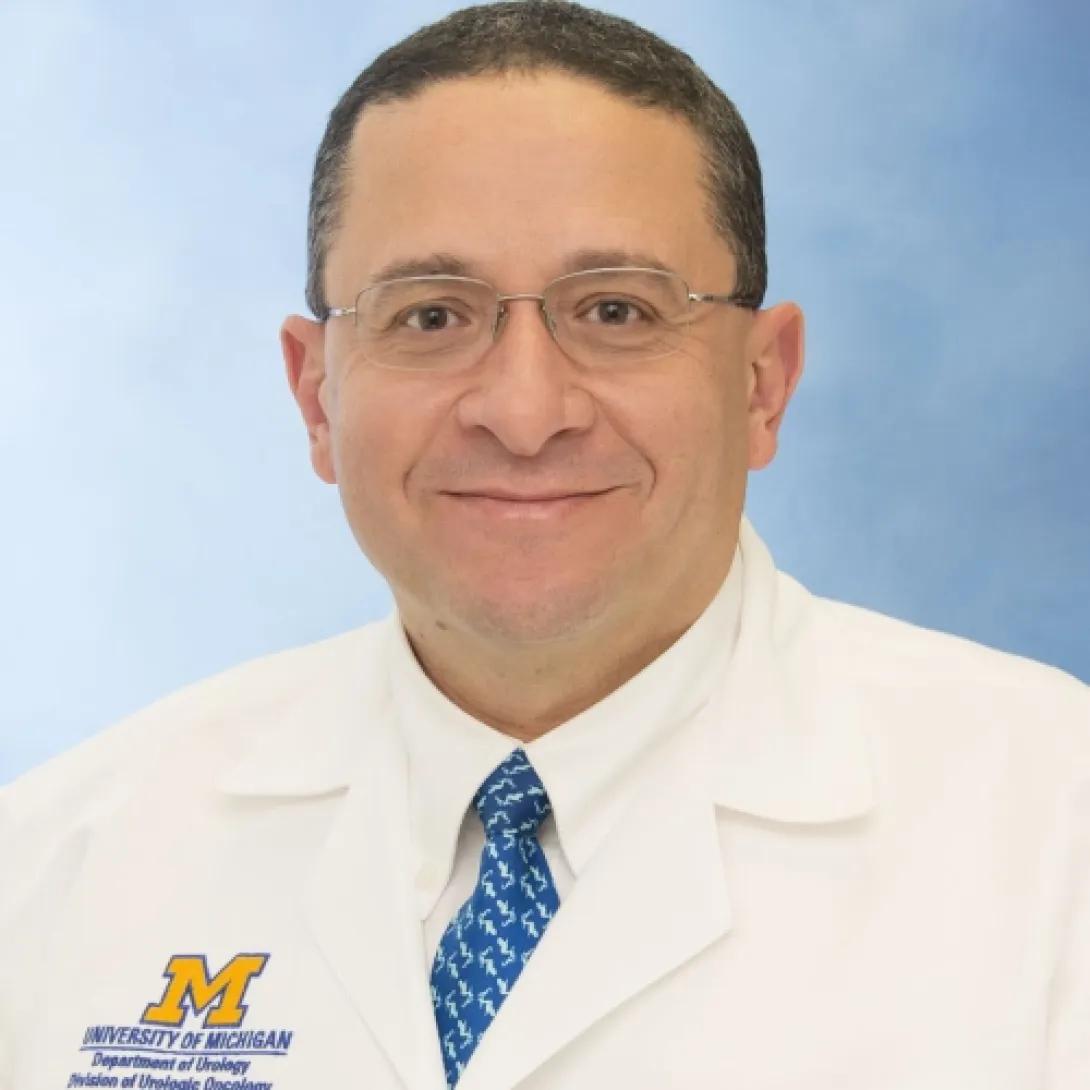
Khaled Samir Hafez, MB, BCh
Clinical Professor
Urology

Jason Warren David Hearn, MD
Clinical Associate Professor
Radiation Oncology

Lindsey Allison Herrel, MD
Clinical Associate Professor
Urology

Samuel Donovan Kaffenberger, MD
Clinical Associate Professor
Urology

Jeffrey Scott Montgomery, MD
Clinical Professor
Urology

Todd Matthew Morgan, MD
Professor
Urology

Phillip Lee Palmbos, MD, PhD
Associate Professor
Medical Oncology, Hematology, Internal Medicine

Zachery Roger Reichert, MD, PhD
Clinical Associate Professor
Medical Oncology, Internal Medicine



News & Stories

Is dribbling after peeing normal?
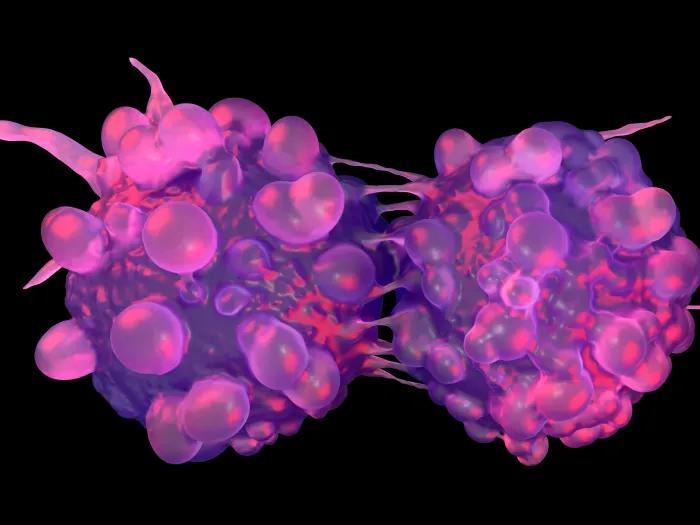
Organoid model predicts bladder cancer treatment response
Bladder Cancer Awareness

How One Doctor Aims to Combat Structural Racism in Medicine

