
Back to Frankel Cardiovascular Center
Education & Training at the Frankel Cardiovascular Center


Educating Future Cardiovascular Leaders
At Michigan Medicine, we’re shaping the future of cardiovascular care by training the next generation of leaders in clinical care, research, and education.
Preparing Tomorrow's Cardiovascular Leaders
From cardiologists to surgeons, radiologists to anesthesiologists, and nurses to radiologic technicians and cardiac rehabilitation specialists, the University of Michigan Frankel Cardiovascular Center offers a wide range of training programs for early-career health professionals.
Education & Training Opportunities
Internship Opportunities
News & Stories
Health Lab
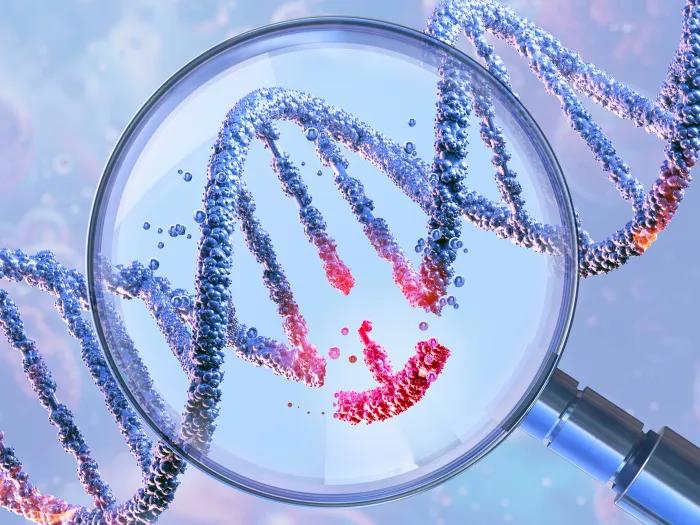
Gene editing is coming for common diseases. Are we ready?
Gene therapies may offer one-time treatment for disease, but experts say safety, reversibility, cost and long-term monitoring must guide use.

Health Lab
Young father survives aortic dissection after delayed diagnosis
A 28-year-old father survived a life threatening aortic dissection after seeking a second opinion, highlighting that the condition can strike young adults.
Health Lab
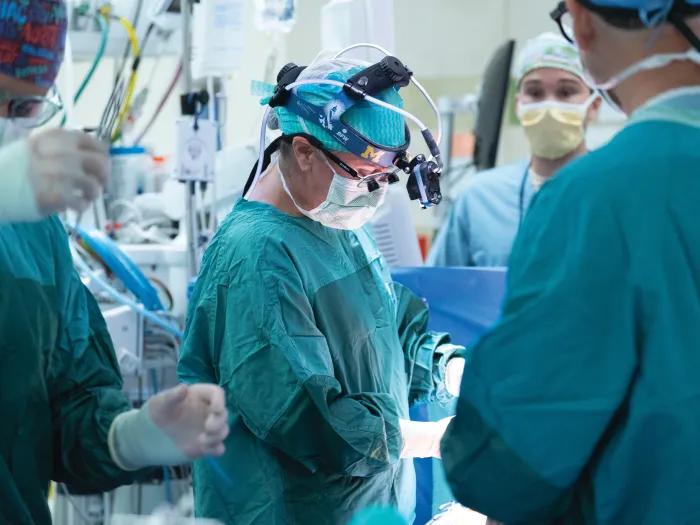
C.S. Mott Children’s Hospital first in country to implant expandable heart valve during FDA review phase
University of Michigan Health C.S. Mott Children’s Hospital is the first hospital in the country to implant an Edwards Lifesciences- produced Autus Valve during the FDA review phase of the breakthrough synthetic pulmonary valve.
Health Lab
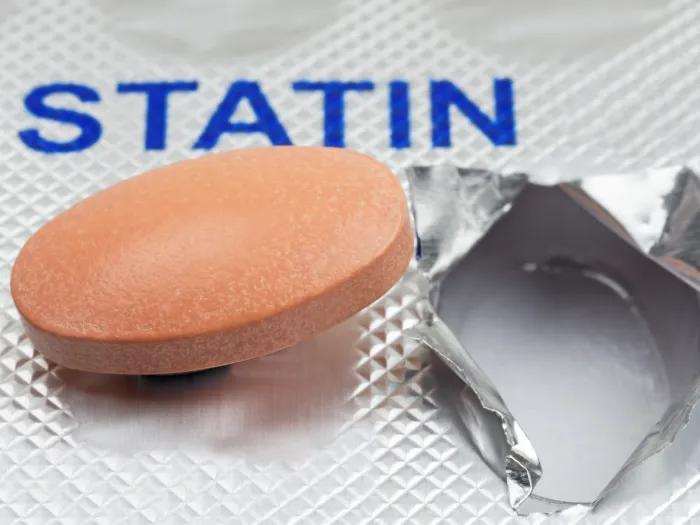
More than half of U.S. adults now qualify for statins under new guidelines
Cholesterol-lowering medicines called statins can reduce heart attack and stroke risk decades later; a study finds millions more people should be taking them.
Health Lab
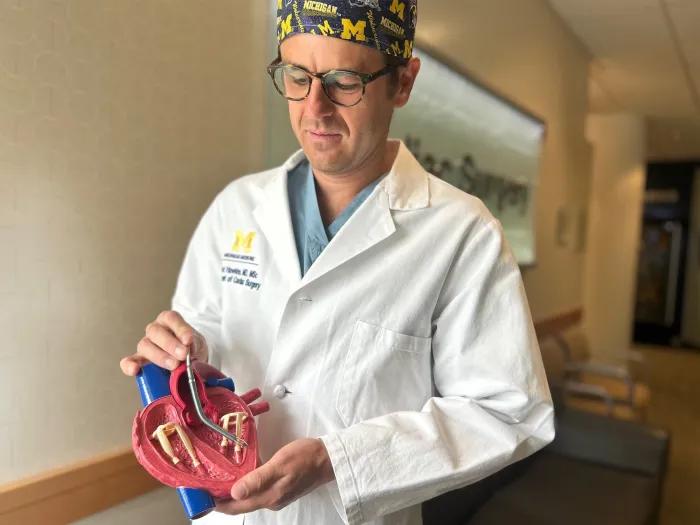
How a temporary heart pump can support high risk cardiac surgery
A cardiac surgeon from Michigan Medicine offers helpful details on Impella devices.
Health Lab
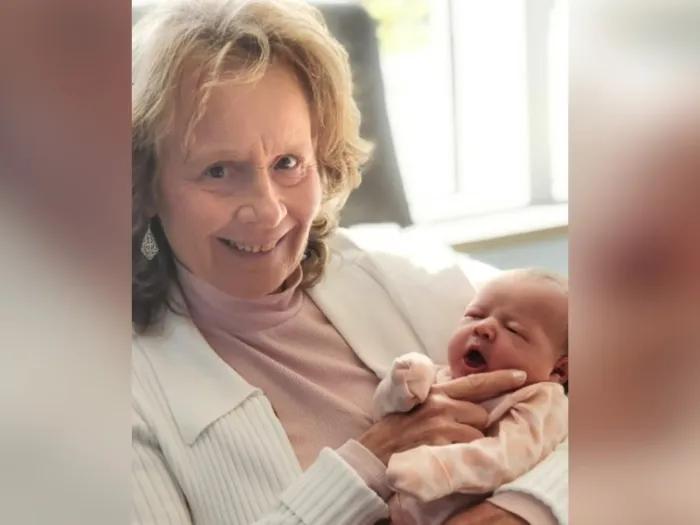
Treating a rare coronary artery aneurysm without open heart surgery
Cardiologists at University of Michigan Health prevented the rupture of an aneurysm in a woman’s heart and used a minimally invasive solution to avoid open heart surgery.
