Atrial Arrhythmia
Atrial Arrhythmia
What is atrial arrhythmia?
Arrhythmia refers to any kind of abnormal heart rhythm. There are two types of arrhythmias: atrial arrhythmia, also called supraventricular arrhythmia, which begins in the upper chambers of the heart, and ventricular arrhythmia, which begins in the lower chambers of the heart.
What are the types of atrial arrythmia?
Atrial arrhythmia begins in the upper chambers of the heart and includes:
- Atrial fibrillation (sometimes called "afib"): A disorganized rhythm in the atria and the most common arrhythmia, affecting more than 4 million Americans. With atrial fibrillation, the heart's upper chambers beat irregularly, affecting blood flow to the heart muscle and to the rest of the body. This can cause blood clots which may lead to a stroke.
- Atrial flutter: Similar to atrial fibrillation but has a more regular pattern.
- Sick sinus syndrome: The heart’s pacemaker doesn’t fire properly, slowing the heart rate down.
- Sinus tachycardia: The heart rate speeds up due to fast electrical signals from the sinus node.
- Sinus bradycardia: The electrical signals in the sinus node are either blocked or slow down.
Appointment Information
Call us at 888-287-1082 to schedule an appointment with a U-M Cardiovascular Center physician, get a prescription refill, or request to speak with your nurse.
Or visit the Make a Cardiovascular Appointment page to learn what to expect when you call us.
What are the symptoms of atrial arrythmia?
People with atrial arrhythmias often feel tired and sluggish, and may experience a flutter in their chest or throat.
How is an arrhythmia diagnosed?
Your doctor will ask about your symptoms and past health and will do a physical exam. You will have an electrocardiogram (EKG or ECG). This test checks for problems with the heart's electrical activity. You may also have other tests to check the health of your heart.
How is arrhythmia treated?
Many people can be treated by medication alone, and a number of treatments for arrhythmia are outpatient-based. There are a variety of treatment options, depending on the condition of the patient, including:
- Drug therapy: These include blood thinners, beta-blockers and calcium channel blockers.
- Implantable cardiac defibrillator (ICD): This is an implantable device that uses electrical pulses to help control abnormal heart rhythms.
- Electrical cardioversion: Uses an external defibrillator to deliver an electric shock to the chest wall in order to restore a normal heart rhythm.
- Pacemaker: An implanted device that delivers painless electric pulses that stimulate the heart to beat.
- Catheter ablation: A minimally invasive catheter-based surgery intended to cure atrial fibrillation (afib), using radiofrequency energy to cauterize the “short circuits” that are generating the atrial fibrillation.
- AV node ablation: a catheter-based procedure for patients with atrial fibrillation who cannot take medication or for whom medication doesn't work.
Patient Resources
Locations
-
Cardiology Clinic | Brighton Center for Specialty Care 7500 Challis Rd
Entrance 1, Level 2
Brighton, MI 48116-9416Get Directions -
Cardiology Clinic | Northville Health Center 39901 Traditions Dr
Floor 2
Northville, MI 48168-9493Get Directions -
Electrophysiology Services | Cardiovascular Center 1425 E Ann St
Floor 3 Reception C
Ann Arbor, MI 48109-5856Get Directions
Doctors
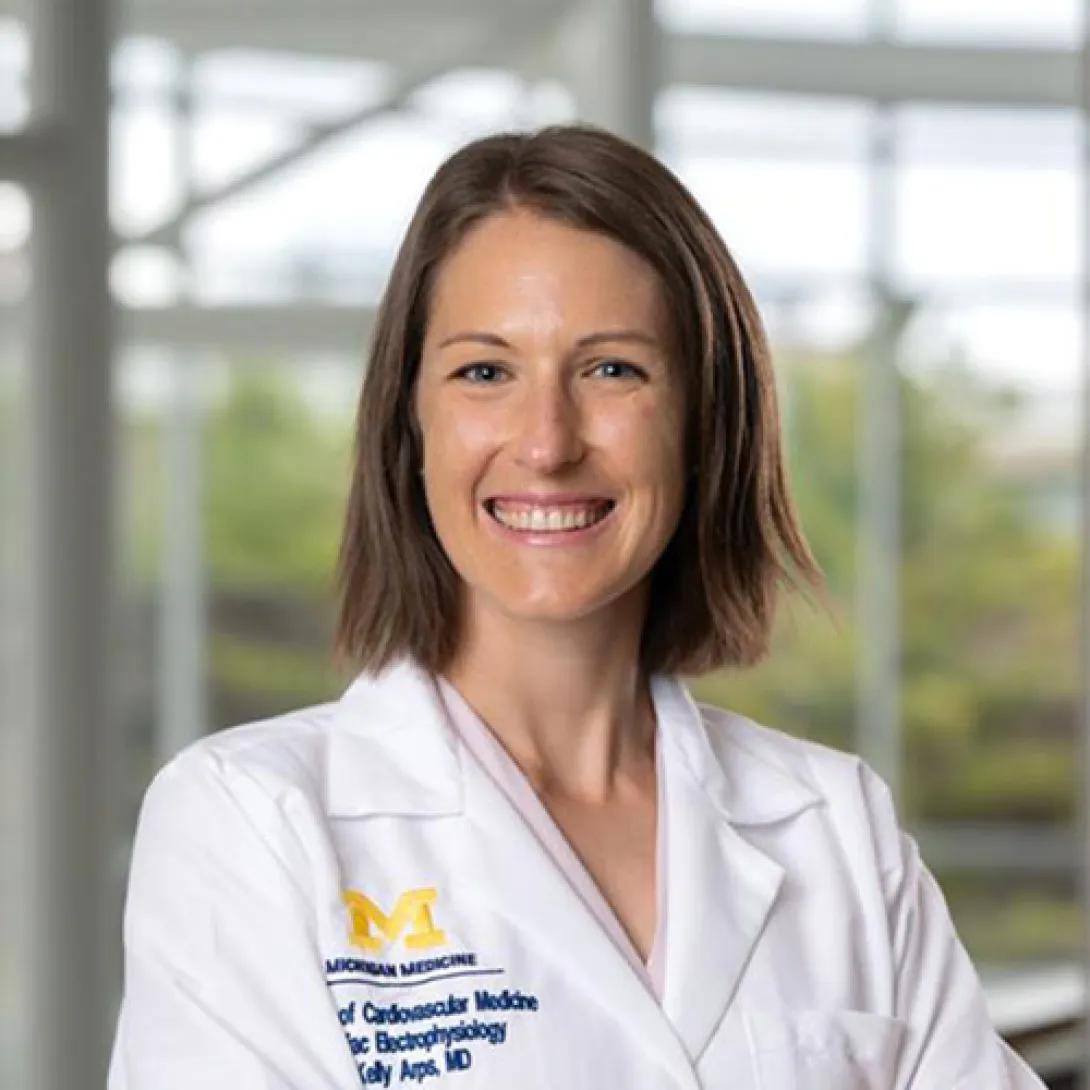
Kelly Arps, MD
Clinical Assistant Professor
Cardiac Electrophysiology, Internal Medicine, Cardiovascular Disease

Apurba Kent Chakrabarti, MD
Clinical Assistant Professor
Cardiovascular Disease, Internal Medicine

Aman Chugh, MD
Professor
Cardiac Electrophysiology, Internal Medicine, Cardiovascular Disease

Thomas Christopher Crawford, MD
Clinical Professor
Cardiac Electrophysiology, Internal Medicine, Cardiovascular Disease

Amrish Deshmukh, MD
Clinical Assistant Professor
Cardiac Electrophysiology, Cardiovascular Disease, Internal Medicine
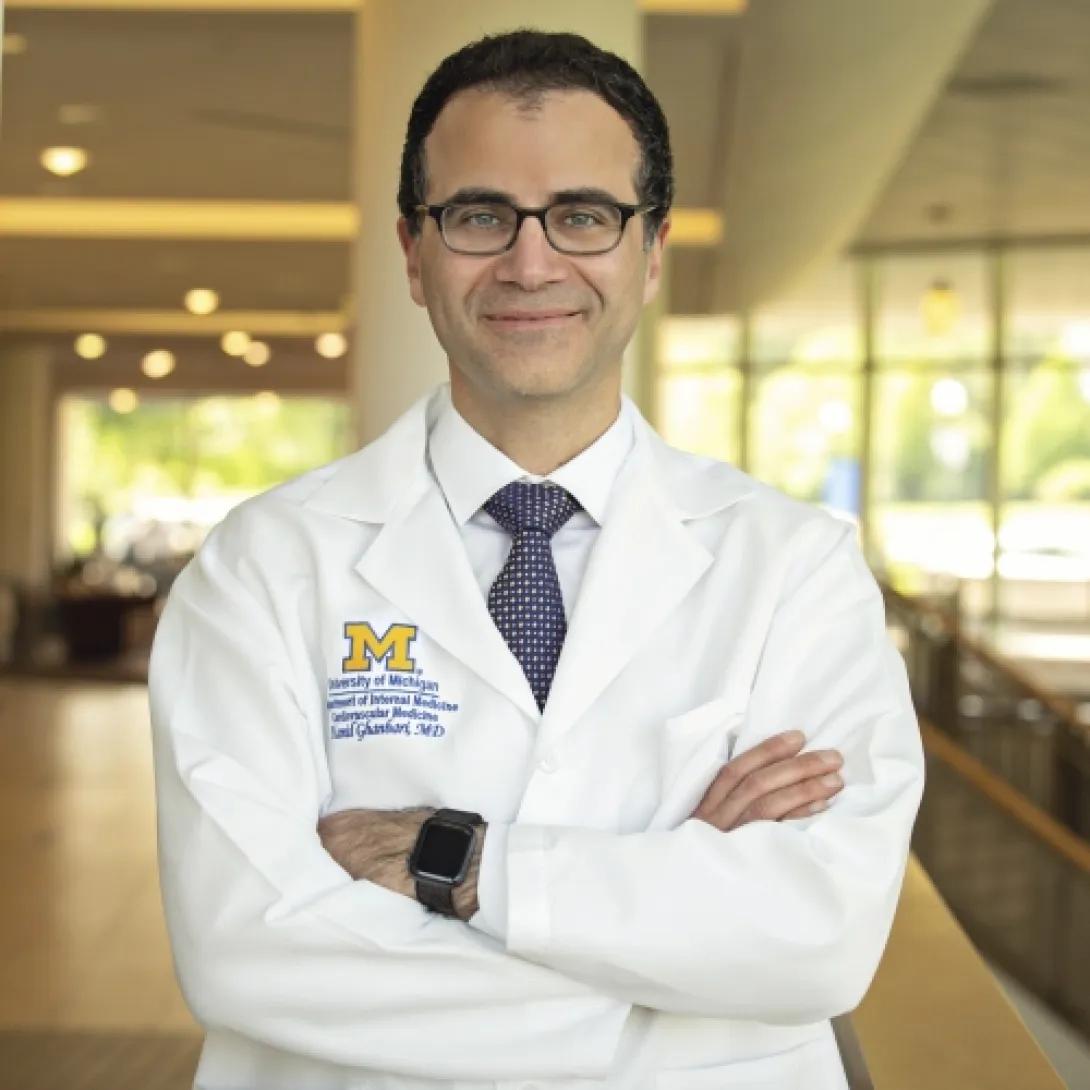
Hamid Ghanbari, MD
Clinical Associate Professor
Cardiac Electrophysiology, Internal Medicine, Cardiovascular Disease
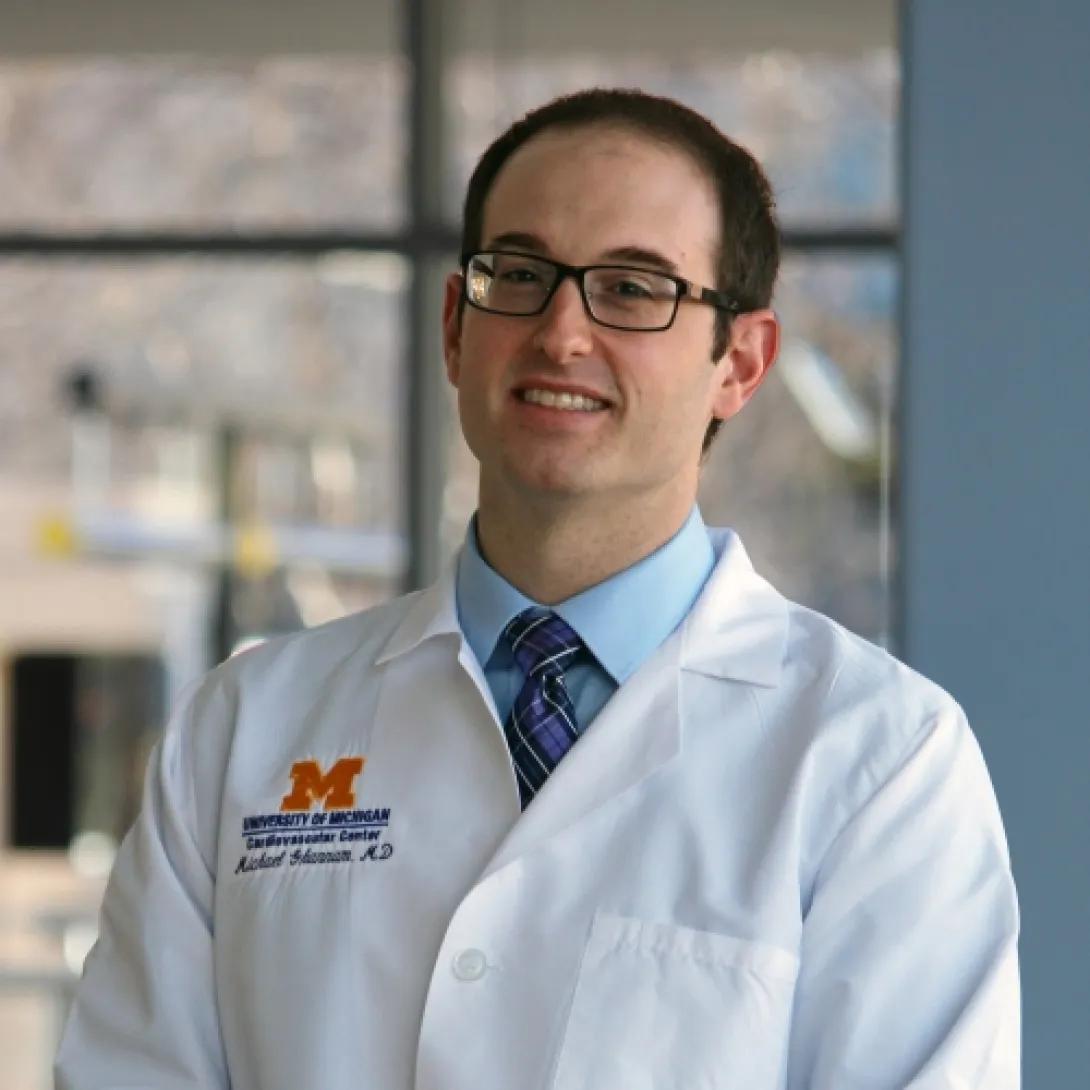
Michael Ghannam, MD
Clinical Associate Professor
Cardiac Electrophysiology, Internal Medicine, Cardiovascular Disease
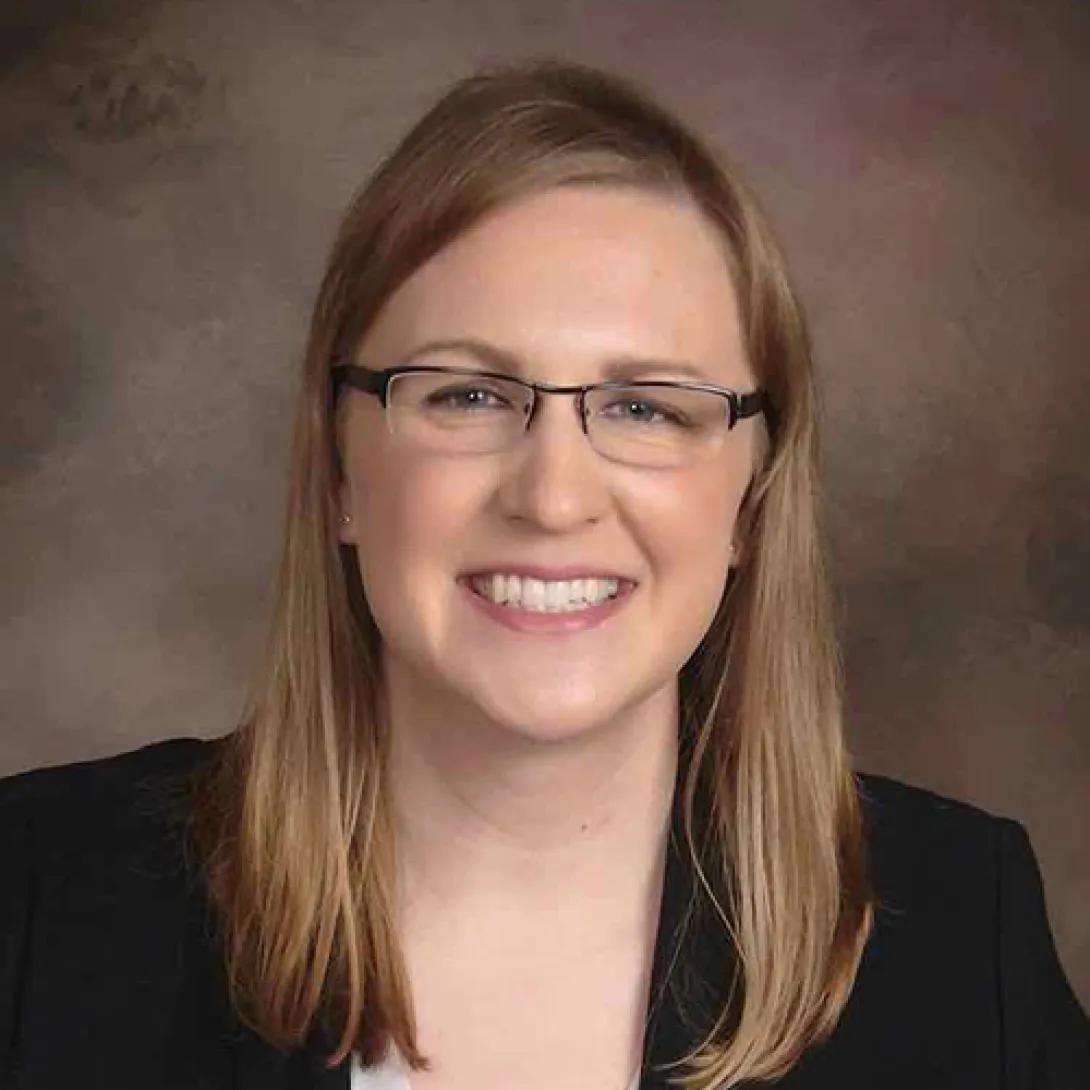
Emma Hegwood, DO
Clinical Assistant Professor
Cardiac Electrophysiology, Cardiovascular Disease, Internal Medicine

Krit Jongnarangsin, MD
Clinical Professor
Cardiac Electrophysiology, Internal Medicine, Cardiovascular Disease

Rakesh Latchamsetty, MD
Clinical Professor
Cardiac Electrophysiology, Internal Medicine, Cardiovascular Disease


Providers
Caitlin Sommer Boyak, NP
Advanced Practice Nurse
Nurse Practitioner

Mellissa Katrin Brieger, PA-C
Physician Assistant
Physician Assistant
Erin Christine Judge, NP
Advanced Practice Nurse
Nurse Practitioner
Caroline Michelle Lawson, NP
Advanced Practice Nurse
Nurse Practitioner
Tiffany Lee Luke, NP
Advanced Practice Nurse
Nurse Practitioner

Nimita Mahadev Mehta, NP
Advanced Practice Nurse
Nurse Practitioner
Theresa Maureen Montney-Dowell, NP
Advanced Practice Nurse
Nurse Practitioner

Eryn Kyle Smith, PA-C
Physician Assistant
Physician Assistant
Meredith Victoria Smith, NP
Advanced Practice Nurse
Nurse Practitioner
Patricia Anselmo Sovitch, NP
Advanced Practice Nurse
Nurse Practitioner
News & Stories
Is the United States Lagging Behind Europe in Memory Improvement?

Young father survives aortic dissection after delayed diagnosis
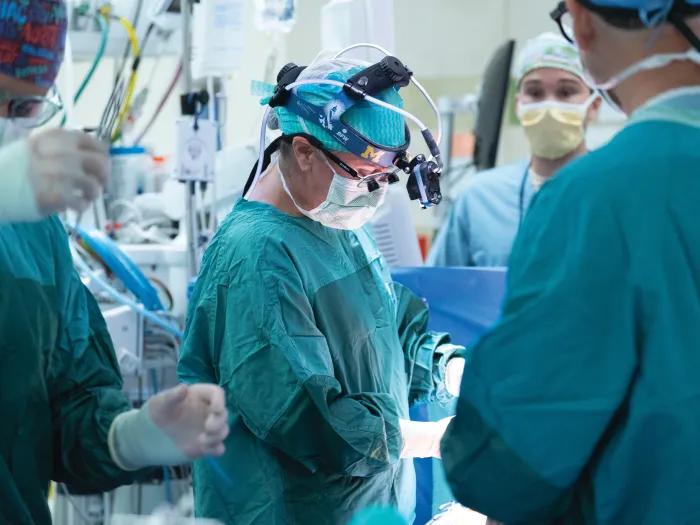
C.S. Mott Children’s Hospital first in country to implant expandable heart valve during FDA review phase
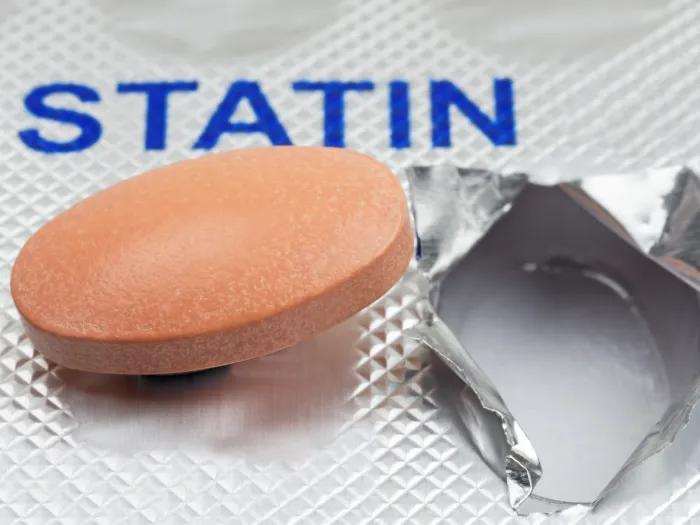
More than half of U.S. adults now qualify for statins under new guidelines
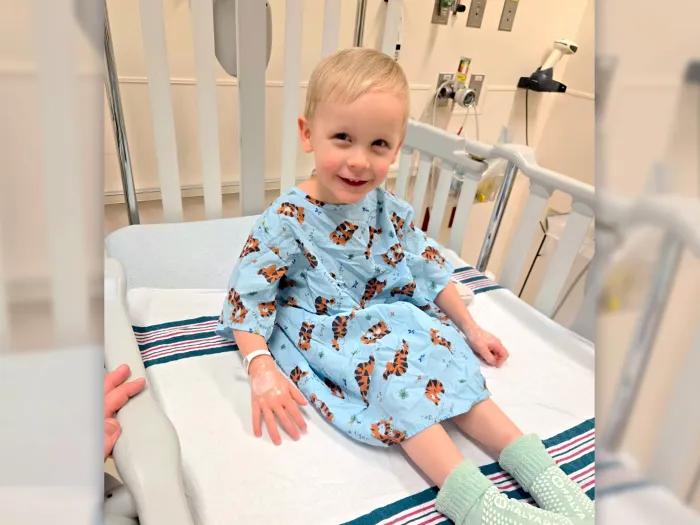
Expert complex heart surgery team saves baby with rare genetic heart condition