Cardiotoxicity
Cardiotoxicity
What is cardiotoxicity?
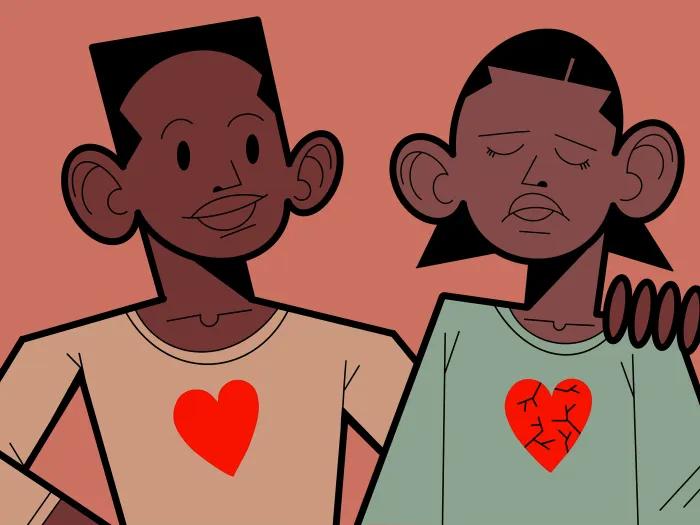
Cancer treatments can cause direct damage to the heart, a condition known as cardiotoxicity. Previously, the primary focus for patients with cancer was on recovery from the disease itself. However, with improvements in survival rates, there has been a noticeable increase in cardiac complications related to cancer therapies like chemotherapy and radiation.
Our Approach
The U-M Health Cardio-Oncology Clinic specializes in evaluating patients who are at risk of heart disease or have already developed cardiotoxicity due to cancer treatment. The team of oncologists and cardiologists work diligently to manage cardiovascular risks without disrupting cancer treatment, aiming to mitigate the heart-damaging effects of cancer therapies. This integrated approach ensures that both the cancer and heart needs of patients are addressed comprehensively.
Appointment Information
To make an appointment for heart or vascular care or to consult with a physician about a cardiotoxicity issue, call the Cardiovascular Center New Patient Coordination Center at 888-287-1082 or visit our Make a Cardiovascular Appointment page.
What are the symptoms of cardiotoxicity?
Cardiotoxicity can occur years after the completion of cancer treatment. Children treated with chemotherapy or radiation are particularly vulnerable, often developing heart issues later in life. Adults who had cancer during childhood have an increased risk of developing heart diseases later in life, such as coronary artery disease, stroke, heart failure, and hypertension.
Common symptoms indicating potential heart issues from cardiotoxicity include:
- Shortness of breath
- Chest pain
- Heart palpitations
- Fluid retention in the legs
- Abdominal distention
- Dizziness
Cancer medications can lead to various heart conditions, including heart failure, hypertension (high blood pressure), hypotension (low blood pressure), heart attack, arrhythmia (irregular heartbeat), bradycardia (slow heart rate) or pericardial effusion (fluid around the heart). Notably, many patients receiving chemotherapy agents, like trastuzumab (Herceptin) and anthracyclines, as well as tyrosine kinase inhibitors and immune checkpoint inhibitors are at risk of cardiac cell damage.
Radiation therapy directed at the chest area can cause fibrosis (thickening or scarring of tissue), which may cause complications such as heart valve disease, heart attack and thickening of the pericardium (the lining of the heart), leading to a condition called constrictive pericarditis. This is particularly concerning for patients treated for lymphoma, left-sided breast cancer or any condition requiring direct radiation to the left chest area.
Locations
-
Cardiology Clinic | Frankel Cardiovascular Center 1425 E Ann St
Floor 3 Reception C
Ann Arbor, MI 48109-5856Get Directions
Doctors

Christopher Paul Gans, MD
Clinical Associate Professor
Cardiovascular Disease, Internal Medicine

Monika Jacqueline Leja, MD
Clinical Associate Professor
Cardiovascular Disease, Internal Medicine
News & Stories

Young father survives aortic dissection after delayed diagnosis
Treating a rare coronary artery aneurysm without open heart surgery
A night of two national titles for U-M, as scientists and basketball players both triumph
Delays in Heart Surgery for Women due to One-Size-Fits-All Criteria
Virtual reality enhances training for pediatric cardiologists