Port Wine Stains (Vascular Birthmarks) & Hemangiomas
Port Wine Stains (Vascular Birthmarks) & Hemangiomas
What are port wine stains (vascular birthmarks)?
Vascular birthmarks called port wine stains affect about 3 in 1,000 children and are typically present at birth. Unfortunately, if left untreated, these vascular lesions do not go away on their own and may darken and thicken over a lifetime. PWS birthmarks may even develop small vascular "bumps" within them, which may bleed.
What are hemangiomas?
Hemangiomas are vascular growths in skin that often grow quickly during infants' first six months of life.
Appointment Information
Treatment for port wine stains at U-M Health is offered by:
How are port wine stains treated?
The treatment of PWS involves pulsed dye laser therapy. Most patients find that treatment can be provided over a period of just a few minutes. For certain younger patients, we work with the Pediatric Anesthesia team to provide "pain-free" treatment under sedation in the C.S. Mott Children's Hospital.
Hemangioma
Because many small, noninvasive hemangiomas will shrink (involute) on their own, treatment is usually not necessary. If a hemangioma interferes with eating, breathing, vision, or otherwise impairs a child's development, specialized medical therapies are offered by Vascular Anomalies specialists at the C.S. Mott Children's Hospital.
In addition we offer laser treatment for hemangiomas that bleed or develop open sores (ulcerated hemangiomas) in infants and children.
Doctors
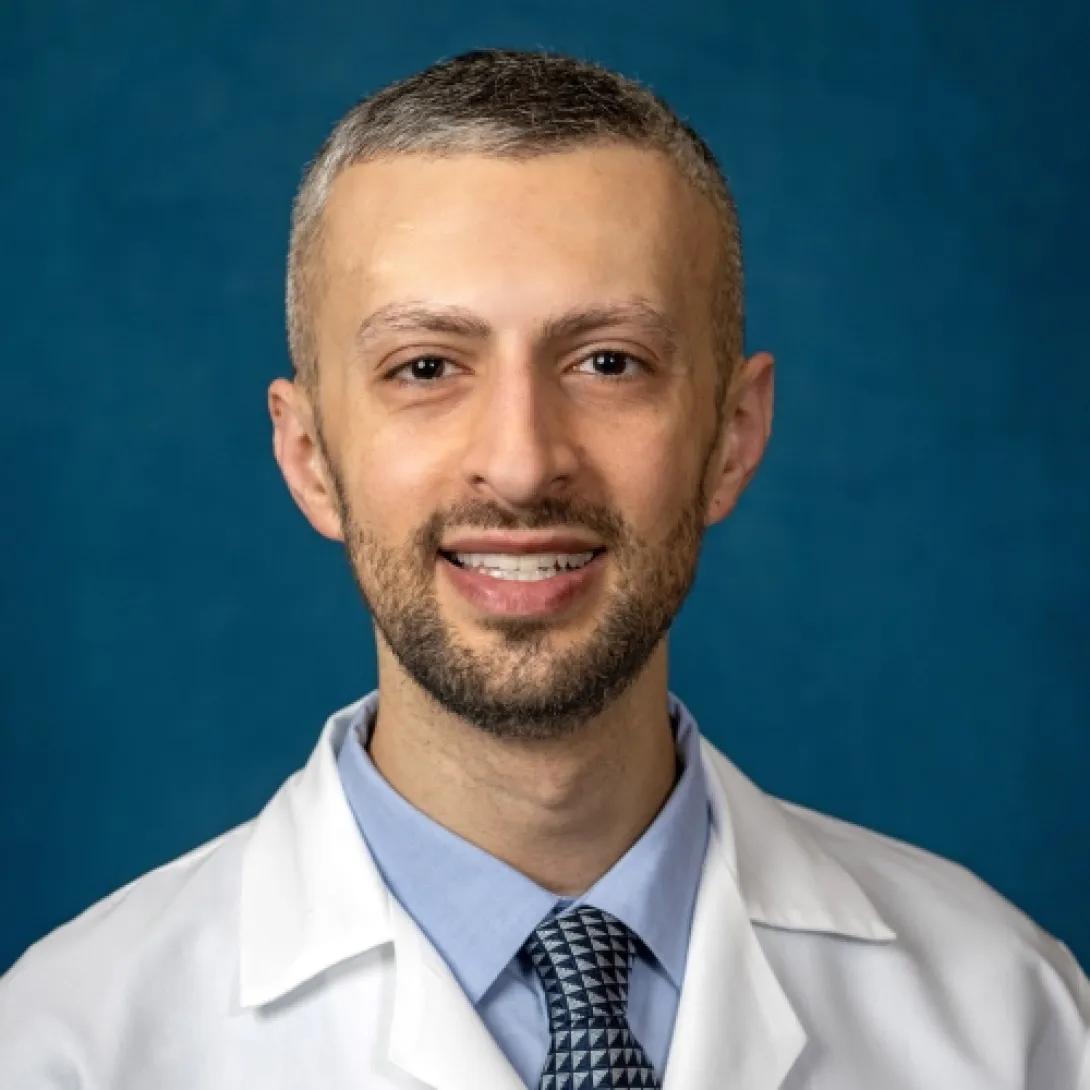
Milad Jalal Eshaq, MD
Clinical Associate Professor
MOHS Micrographic Surgery, Dermatology

Jennifer Brescoll Mancuso, MD
Clinical Associate Professor
Pediatric Dermatology, Dermatology

Jeffrey Scott Orringer, MD
Clinical Professor
Dermatology

Grace Osborne, MD
Clinical Assistant Professor
Pediatric Dermatology, Dermatology
Locations
-
Cosmetic Dermatology & Laser Center | Taubman Center 1500 E Medical Center Dr
Floor 1 Reception B
Ann Arbor, MI 48109-5314Get Directions
News & Stories

Researchers identify a potential “Achilles heel” of psoriasis
Dermatology resident’s China rotation highlights value of global training

New study hints at cause of pachyonychia congenita and a long-awaited potential treatment
New study hints at the cause of a painful skin condition—and at a long-awaited potential treatment
At-home melanoma testing: Skin patch test works in mice