Upper Endoscopy (EGD)
Upper Endoscopy (EGD)
What is upper endoscopy (EGD)?
Upper endoscopy, also known as an esophagogastroduodenoscopy or EGD, is an exam of the upper gastrointestinal tract, consisting of the esophagus, stomach, and duodenum, which is the first part of the small intestine.
Appointment Information
To make an appointment to be evaluated for a GI procedure, call 888-229-7408.
How is EGD performed?
An upper endoscopy is a procedure involving the use of an endoscope, a lighted, flexible tube, about the thickness of a finger. The doctor passes the tube through the mouth and back of the throat into the esophagus, stomach, and duodenum.
What should I expect with ERCP?
Before beginning the procedure, which takes place at one of our four procedure units you will have an intravenous (IV) line started to give you a sedative. You will lie on your left side while connected to oxygen and blood pressure monitors. The sedative will make you comfortable and sleepy. Your throat will be numbed with a spray before the doctor gently passes the tube through your mouth into your stomach. You will be able to breathe normally and burp if needed during the test. There usually is no pain associated with this test.
The procedure takes about 30 minutes, but expect your visit to last 2 to 3 hours to allow for preparation, follow-up with the doctor, and recovery.
You must not eat any solid food the day of the procedure and stop drinking clear liquids 2 hours before the procedure. You must have a licensed driver of at least 18 years old with you throughout the procedure because the sedatives will make you drowsy.
After the procedure, you will be taken to a recovery room where your driver can join you and you will receive discharge instructions. The preliminary results will be explained to you and the complete results are given to the doctor who ordered your procedure. Biopsy results will not be available for about a week.
Why do I need EGD?
Upper endoscopies help your doctor rule out possible conditions or make a diagnosis for issues such as:
- Ulcers
- Inflammation
- Hiatal hernia
- Acid reflux
- Gastrointestinal bleeding
- Difficulty swallowing
- Abdominal pain
- Early signs of cancer
If necessary, an instrument can be passed through the tube to take a small piece of tissue (a biopsy) for examination in the laboratory. Biopsies are done for many reasons and don’t necessarily imply cancer. Other procedures can be performed as necessary during the upper endoscopy, such as removing a polyp or an object stuck in the esophagus, or treating bleeding.
What are the risks of EGD?
An upper endoscopy is generally very safe. An uncommon side effect is a sore throat. Very rare complications include bleeding, problems with the sedative, or a tear in the intestinal wall. If you notice any signs of bleeding or if you have significant abdominal pain after an upper endoscopy, contact your doctor as instructed on your discharge papers.
News & Stories
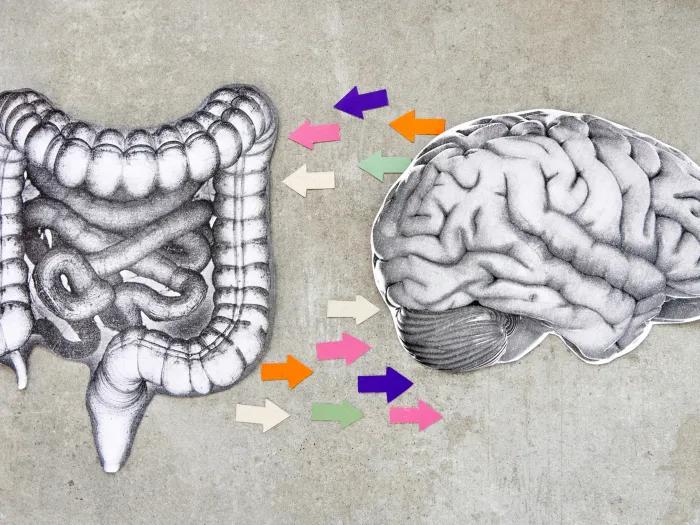
Identifying avoidant, restrictive food intake disorder in gastroenterology patients
As probiotic use surges, microbiome-supportive food consumption stagnates

How gastroenterology nutrition therapy has evolved
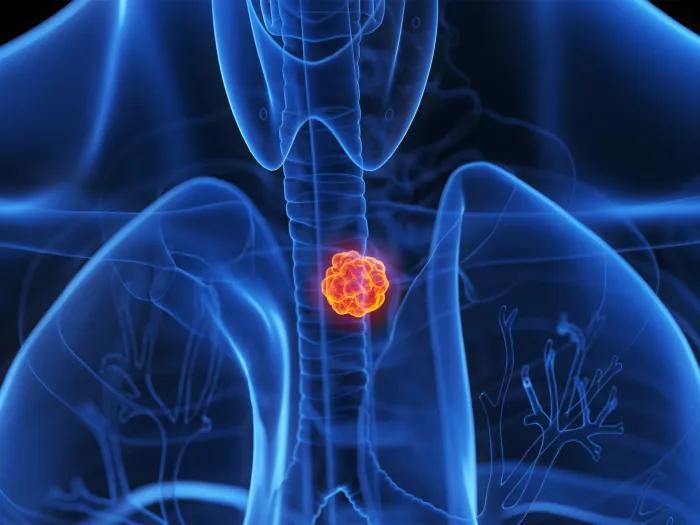
Understanding esophageal cancer
Managing cirrhosis pain without drugs