
Melanoma
Melanoma
What is melanoma?
Melanoma is a rare form of skin cancer. It is more likely to invade nearby tissues and spread to other parts of the body than other types of skin cancer. When melanoma starts in the skin, it is called cutaneous melanoma. Melanoma may also occur in mucous membranes (thin, moist layers of tissue that cover surfaces such as the lips). This summary is about cutaneous (skin) melanoma and melanoma that affects the mucous membranes.
Before age 50, rates of melanoma are higher in women than in men. After age 50, rates of melanoma are much higher in men. Melanoma is most common in adults, but it is sometimes found in children and adolescents.
The Multidisciplinary Cutaneous Oncology Program provides diagnosis and treatment to all ages.
Appointment Information
Patients diagnosed with melanoma are treated by the Multidisciplinary Cutaneous Oncology Program. For more information, please call 734-936-4068.
Healthcare providers: please contact M-LINE at 800-962-3555.
What are the symptoms of melanoma?
Signs of melanoma include a change in the way a mole or pigmented area looks. These and other signs and symptoms may be caused by melanoma or by other conditions. Check with your doctor if you have:
- A mole that:
- Changes in size, shape, or color
- Irregular edges or borders
- More than one color
- Asymmetrical (if the mole is divided in half, the 2 halves are different in size or shape)
- Itches
- Oozes, bleeds, or is ulcerated (a hole forms in the skin when the top layer of cells breaks down and the tissue below shows through)
- A change in pigmented (colored) skin
- Satellite moles (new moles that grow near an existing mole)
The acronym ABCDE can help you remember the signs of melanoma:
- Asymmetrical
- Border
- Color
- Diameter (melanoma is usually larger than 6 millimeters)
- Evolving (the mole changes in size, shape, or color over time)
How is melanoma diagnosed?
Early detection is key to the successful treatment of skin cancers. We recommend that you pay attention to your skin and do regular self-skin exams from head to toe. It is a good idea to have your physician or dermatologist complete a total body skin exam at least once per year.
If a spot, lesion or mole is concerning to you or your physician, arrange to have it checked out by a dermatologist. A skin biopsy may be needed to confirm a diagnosis of skin cancer, including the type or stage of skin cancer, and to determine a recommended treatment plan. Often, precancerous lesions may be effectively treated in the doctor’s office, while biopsy-confirmed skin cancers may require surgical removal and specialized treatment, including Mohs micrographic surgery for high-risk non-melanoma skin cancers.
Skin Biopsy & Pathology
To provide the most accurate diagnosis, your provider may recommend a skin biopsy. This is a quick and relatively painless procedure that removes a small sample of your skin for microscopic examination and additional testing. Skin biopsies are frequently needed to determine if a mole or skin lesion is cancerous, precancerous, or benign. Your skin biopsy is sent to our team of dermatopathologists, who are board-certified specialists with highly-specialized knowledge and skill in the diagnosis of disorders affecting the hair, skin and nails.
How is melanoma treated?
All new patients who come to the clinic receive a complete evaluation and exam and are staged, counseled, and educated about melanoma. Our experts in dermatopathology review all biopsy slides of new patients and in 13% of cases, they will change the diagnosis.
Patients whose case requires multispecialty care are presented to the multidisciplinary cutaneous oncology tumor board, made up of highly-trained and experienced specialists in skin cancers who develop consensus treatment recommendations. Many patients with melanoma require different specialty services initially and during the course of treatment, and our team approach ensures they are seen by the appropriate physician or physicians. Approximately 12% of patients seen in the Multidisciplinary Cutaneous Oncology Clinic have a significant change in management plans based on our use of the most current guidelines and diagnostic aides.
Surgery is the main treatment option for melanoma removal. Each surgery is different and depends on individual factors, including the size, depth, and location of the cancer, as well as the overall health of the patient. The thinnest and most shallow melanoma lesions, melanoma in situ, are removed by surgical excision, on an outpatient basis, using a local anesthetic. The success rate is very high, while the risk of recurrence is very low.
As melanoma invades the skin more deeply, the risk of the disease spreading to a lymph node increases. In those cases, at the time of surgical removal of the melanoma, our surgeons will also remove one or two lymph nodes. This is known as sentinel lymph node biopsy, which looks for cancer that has spread beyond the original area to nearby lymph nodes. The procedure involving both removal of the melanoma and sentinel lymph node biopsy is done in the operating room, on an outpatient basis, under general anesthesia. If the lymph node biopsy comes back negative, usually you will not require further treatment. If it is positive, you and your surgeon will discuss the next steps in your treatment.
The Multidisciplinary Cutaneous Oncology Program works closely with the patient, family and their referring doctors to minimize trips to U-M and coordinate follow-up care close to home. Children and young adults diagnosed with melanoma are treated in the program. Our team includes pediatric surgeons, pediatric oncologists and other melanoma physicians, who provide expert care to our pediatric patients with melanoma.
Patient Resources
The following are links to national resources such as the National Comprehensive Cancer Network and the National Cancer Institute. The Rogel Cancer Center is a member of both of these organizations and helped create them.
If you have specific questions, please consider contacting our Cancer AnswerLine at 800-865-1125.
News & Stories
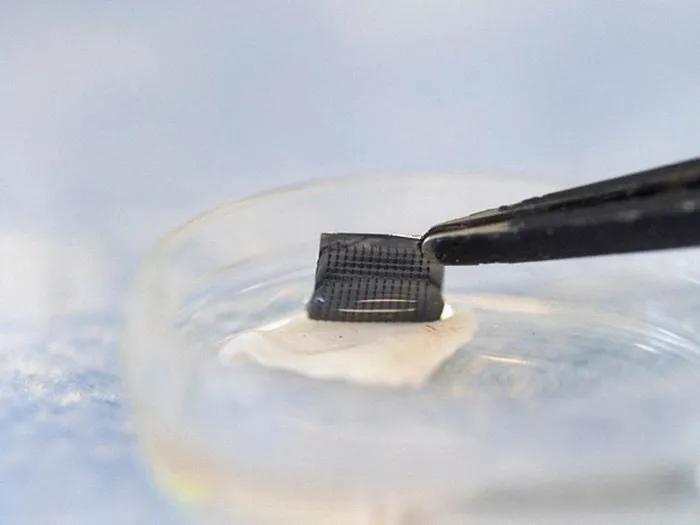
At-home melanoma testing: Skin patch test works in mice

When is a mole suspicious?

Sunscreen dispensers make skin cancer prevention easier
COVID Recovery and Lung Health
