Urologic Oncology
Urologic Oncology
The U-M Health Rogel Cancer Center's Urologic Oncology Program provides a comprehensive, team approach to those diagnosed with urologic cancer. The latest in treatment options and clinical trials are key to our program. We are comprised of urologic oncologists, medical oncologists, radiation oncologists, pathologists, nuclear medicine radiologists, nurse practitioners and nurses.
Our Approach
Patients in our Multidisciplinary Urologic Oncology Program have their cases reviewed weekly by nationally recognized experts in urologic oncology -- urologists, medical oncologists, radiation oncologists and pathologists -- who are supported by a specially trained nursing and physician-assistant staff with specific expertise in urologic oncology. Together, this team recommends personalized, patient specific treatment plans.
As part of the U-M Rogel Cancer Center, our patients also have access to Patient and Family Support Services. We understand a cancer diagnosis affects not only our patients, but those close to them. Our support covers the emotional, physical and practical concerns coming with cancer treatment.
Services
Our team of urologic oncology experts treat the following cancers:
- Bladder cancer
- Kidney cancer or renal cell carcinoma
- Penile cancer
- Prostate cancer
- Transitional cell cancer (kidney/ureter/pelvis)
- Testes / testicular cancer
- Upper tract urothelial cancer
A number of these urologic cancers can be treated with the assistance of the da Vinici® surgical robot - a minimally invasive option that duplicates the standard surgeries but with smaller incisions and greater accuracy for better outcomes. A high percentage of patients are good candidates for these procedures. In addition, our surgical team has expertise in:

Learn about clinical trials
Discover how clinical trials at the Rogel Cancer Center are driving the future of cancer care. Our researchers work every day to find better ways to detect, treat, prevent cancer, and clinical trials are a key part of that progress.
Appointment Information
If you've been diagnosed with a urologic cancer, or suspect you may have one, please call 734-647-8902.
If you're referring a patient, please contact M-Line 800-962-3555.
For people with questions, please call our Cancer AnswerLine at 800-865-1125.
Patient Resources
The following national organizations provide in-depth information on urologic cancer:
Locations
-
Urologic Oncology Clinic | Rogel Cancer Center 1500 E Medical Center Dr
Floor B1 Reception E
Ann Arbor, MI 48109-5913Get Directions -
Urologic Oncology Clinic | West Ann Arbor Health Center-Parkland Plaza 380 Parkland Plaza Ste 210
Floor 2
Ann Arbor, MI 48103-6201Get Directions
Doctors
Joshi James Alumkal, MD
Professor
Medical Oncology
Tudor Borza, MD, MS
Associate Professor
Urology
Megan Elizabeth Veresh Caram, MD
Clinical Associate Professor
Medical Oncology, Hematology, Internal Medicine
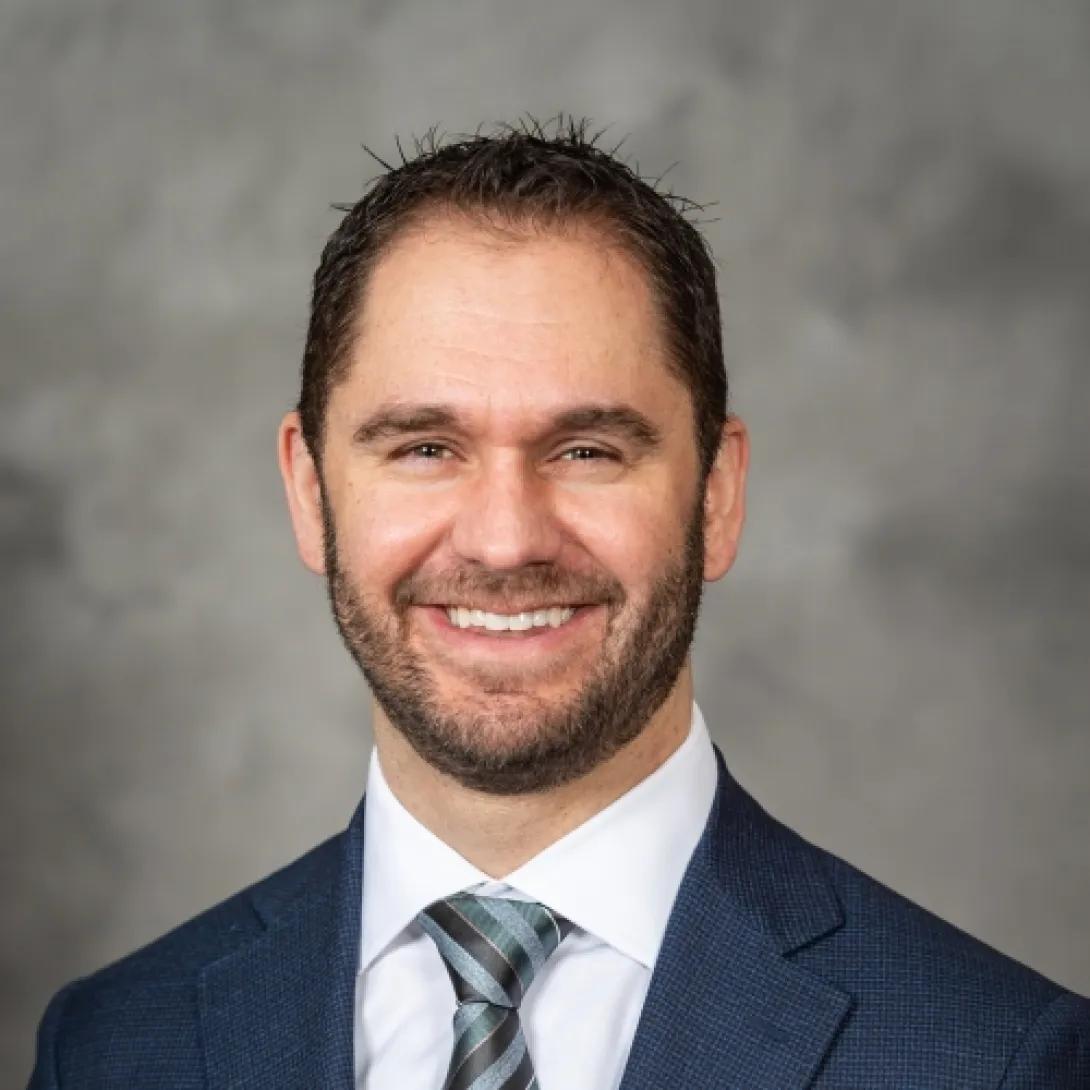
Robert Timothy Dess, MD
Clinical Professor
Radiation Oncology

Khaled Samir Hafez, MB, BCh
Clinical Professor
Urology
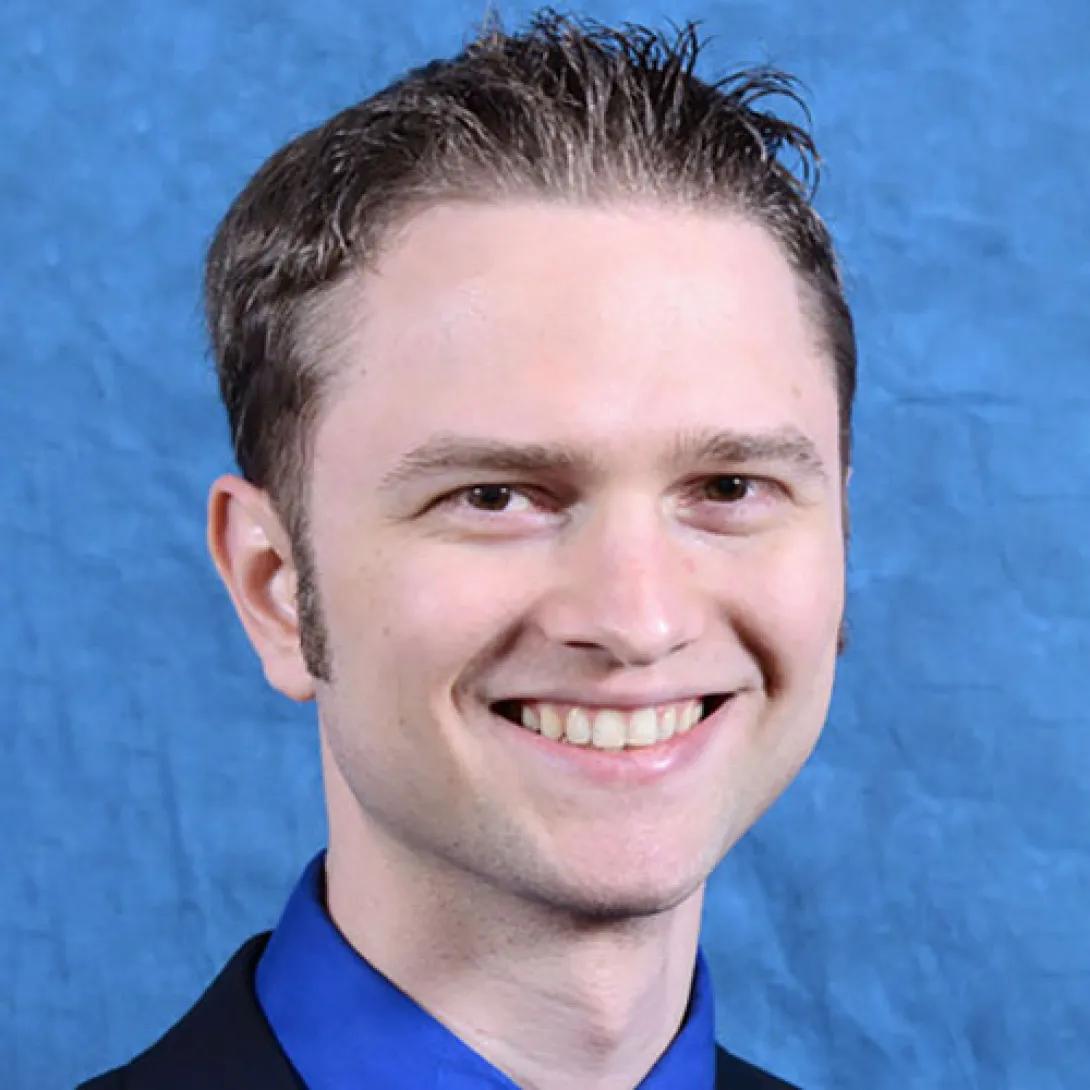
Jason Warren David Hearn, MD
Clinical Associate Professor
Radiation Oncology

Lindsey Allison Herrel, MD
Clinical Associate Professor
Urology

Brent Keith Hollenbeck, MD
Professor
Urology
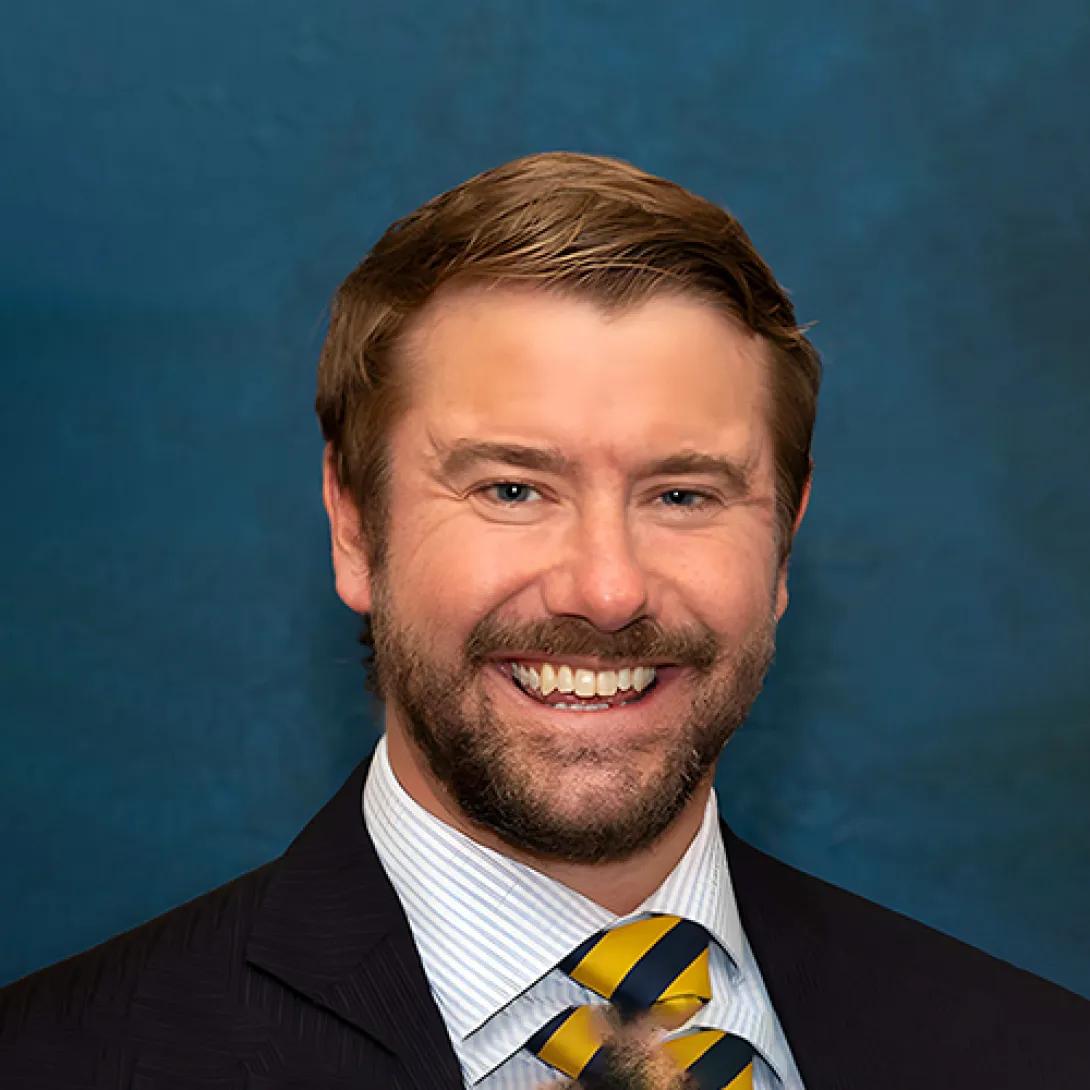
William Carl Jackson, MD
Clinical Assistant Professor
Radiation Oncology
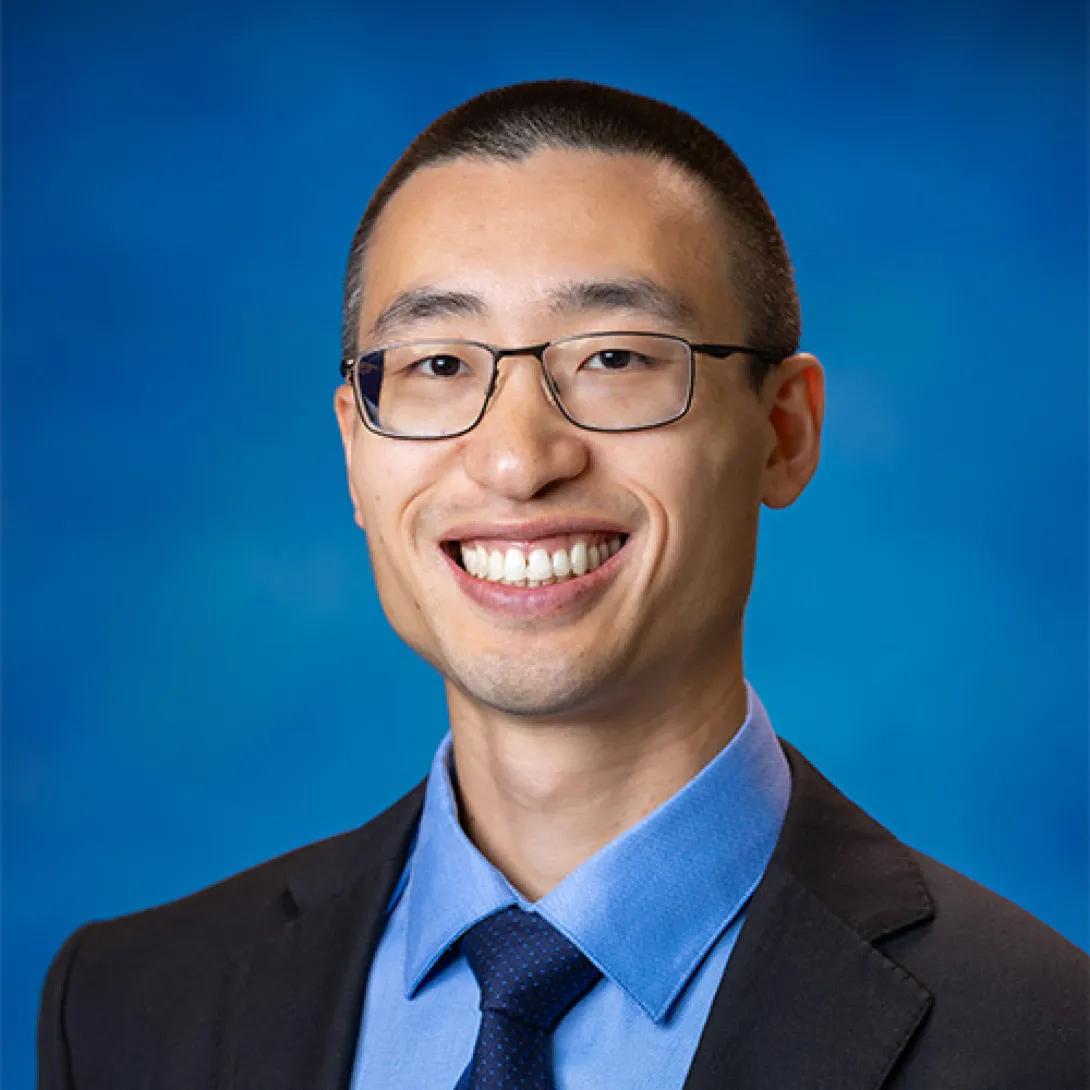
Albert Jang, MD
Clinical Assistant Professor
Medical Oncology, Internal Medicine



Providers

Christina Renee Woods, MSW
Social Worker
Licensed Clinical Social Worker
News & Stories

How have diagnostic and treatment decisions for prostate cancer changed in recent years?
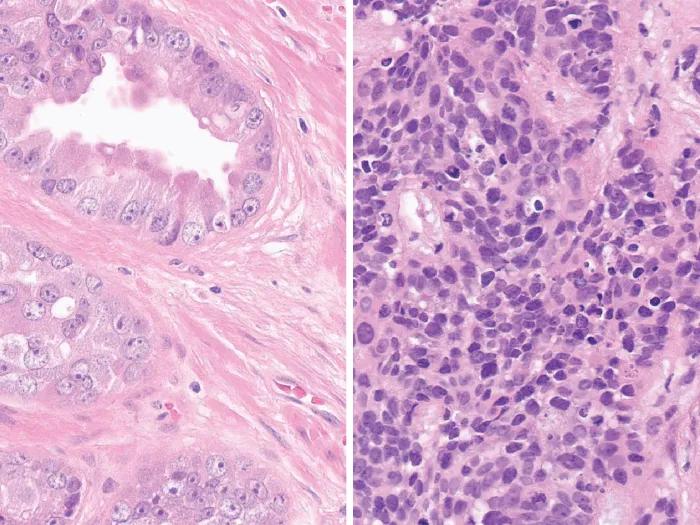
New drug combination may help treat advanced prostate cancer
Long friendship inspires urology resident fund

Researchers create new path to target hard-to-drug prostate cancer protein
Giving with gratitude: planned gifts support nursing, research, and patient care