
Stomach Cancer Program
Stomach Cancer Program
Eating can be one of life’s greatest pleasures. When stomach (gastric) cancer threatens your digestive system, the experts at University of Michigan Rogel Cancer Center can help. We offer customized treatment plans to help you feel better and get back to enjoying the foods you love.
Our Approach
Our multidisciplinary gastrointestinal cancer care team provides precise diagnosis and comprehensive care for all stomach cancers. Program highlights include:
- Demonstrated expertise: Each of our advanced subspecialists brings a high level of expertise to treating stomach cancers. You can count on the skills and experience of our board certified and fellowship-trained specialists.
- Care focused on you: Our patient-centered approach ensures you get the care that’s right for you. We work together — and with you — to develop personalized cancer care plans.
- Leading-edge treatments: From robot-assisted surgery and advanced systemic therapies to hyperthermic (heated) intraperitoneal chemotherapy (HIPEC), we offer the most advanced treatment options. You have access to the most sophisticated tools to treat stomach cancer.
Who We Treat
Our team has experience with all forms and stages of stomach cancer. By bringing together experts in medical oncology, gastroenterology, surgery, radiation oncology, nutrition, rehabilitation and social work, our team can support you through whatever challenges your diagnosis brings.
Services
Adenocarcinomas of the stomach
- Intestinal: Cancer cells in intestinal adenocarcinoma may have changes (mutations) in certain genes. Experts can often identify these mutations and use drugs called targeted therapies to treat them to help eliminate cancer while sparing healthy tissue. Intestinal adenocarcinoma is the most common type of stomach adenocarcinoma.
- Diffuse: Cancer cells in diffuse adenocarcinomas are more likely to spread. These cancers may grow more quickly. Diffuse adenocarcinomas are a less common type of stomach adenocarcinoma.
Rarer forms of stomach cancer
- Gastrointestinal stromal tumors (GISTs): Tumors that can form anywhere in the digestive tract, including the stomach.
- Neuroendocrine tumors: Tumors that form in hormone-producing neuroendocrine cells found in the stomach.
We begin by doing a physical examination and talking with you about any symptoms you’re experiencing. Our specialists identify all stomach cancer types with advanced diagnostic testing. We use:
- Blood tests: Experts draw blood samples to check for certain proteins and substances that indicate cancer.
- Endoscopy: During upper endoscopy, we insert a thin, flexible tube with a lighted camera (endoscope) into your mouth and down your throat. Specialists obtain detailed views of your esophagus, stomach and the beginning of your small intestine (duodenum).
During this test, experts may remove a small tissue sample (biopsy) for our pathology experts to examine under a microscope. They determine whether cancer is present and may also measure levels of certain genes or proteins to inform treatment decisions. Imaging tests: Our stomach cancer experts use imaging tests to determine cancer’s location and whether it has spread (metastasized). We use this information to design customized treatment strategies. You may have:
- Barium swallow: We have you drink a metallic liquid (barium) to coat your stomach and make your digestive tract more visible during X-rays. Specialists take multiple images during this test, also known as an upper GI series.
- Computed tomography (CT) scan: Specialists take a series of X-rays that create detailed images of cancer’s location. We may inject or have you safely swallow dye to make cancer more visible during this test.
- Endoscopic ultrasound: Experts insert an endoscope and use high-energy sound waves to create images of tumors.
- Magnetic resonance imaging (MRI): Using radio waves and magnets, our radiology specialists look for cancer cells inside the layers of your stomach. We use these detailed images to see if cancer has spread.
We may use laparoscopy to diagnose stomach cancers. Specialists insert a thin instrument with a light and camera (laparoscope) through a small incision in your abdomen. They view the tumor’s location and may do a biopsy at the same time.
We treat all gastric cancers with personalized treatment plans designed to meet your unique health needs. Our stomach cancer experts give you access to the most advanced treatment options. We offer:
- Radiation oncology for stomach cancer
Our radiation oncologists use advanced radiation techniques to treat stomach cancers. We may use radiation alone or in combination with chemotherapy (chemoradiation). Specialists use:- External beam radiation: We use a machine to precisely target stomach tumors with high-energy beams. These beams help shrink tumors and relieve symptoms.
Surgery for stomach cancer
We use surgery to treat many stomach cancer types. Our expert surgeons have the expertise and experience to remove even the most complex stomach tumors. We offer:- Subtotal gastrectomy: Surgeons remove the part of the stomach where tumors are located, along with nearby lymph nodes, tissues and organs that cancer affects.
- Total gastrectomy: Surgeons remove the entire stomach. They also remove affected lymph nodes and may remove part of the small intestine. In total gastrectomy, surgeons create a connection between your esophagus and small intestine so you can still eat.
Our experts also use surgical procedures when tumors aren’t completely removable (unresectable). These procedures help relieve pain, keep gastric pathways in the esophagus and stomach open, and preserve your ability to eat.
- Systemic therapy for stomach cancer
Our medical oncologists use powerful medications to treat stomach cancer, including cancer that has spread to other areas. We use:
- Chemotherapy: Drugs that enter your bloodstream to kill cancer cells
- Immunotherapy: Drugs that help your immune system find and destroy cancer cells
- Targeted therapy: Drugs that attack — or target — specific cancer cells while sparing healthy cells.
The expert oncology nurses at Rogel Cancer Center oversee delivery of systemic therapy infusions. You receive drugs in a vein (intravenously) through a thin, flexible tube (catheter). Our oncology nurses keep you comfortable and help you manage any treatment side effects.
- Hyperthermic (heated) intraperitoneal chemotherapy (HIPEC) for stomach cancer
- Our gastrointestinal cancer specialists use hyperthermic intraperitoneal chemotherapy (HIPEC) to kill stomach cancer cells that have spread to the abdominal lining (peritoneum). During surgery, experts bathe the abdomen with heated chemotherapy drugs. HIPEC helps destroy cancer cells that are often resistant to traditional chemotherapy.
At Rogel Cancer Center, you can count on personalized treatment for all GI cancer types in a compassionate and caring environment. We get to know you so we can help make the treatment experience as easy as possible with helpful support services. We offer:
- Dedicated patient navigators:
Our resourceful and friendly patient navigators are your personal resource. We advocate for you and coach those who want to advocate for themselves. Your navigator can help with:- Coordinating and scheduling appointments with cancer specialists in our multidisciplinary clinics.
- Communicating your wishes and priorities to care team members.
- Information about resources available to you and your loved ones.
- Finding language interpreters when needed.
- Lodging, childcare and transportation arrangements.
- Questions you may have after seeing a specialist.
- Referrals to social work services.
- Financial services:
Cancer care can raise complex financial questions. Rogel Cancer Center provides financial assistance services so you can worry less. Our financial counselors can help you:- Get information you need about treatment coverage from your health insurance plan.
- Learn how to get any authorizations or referrals your insurance plan requires.
- Plan to manage costs your insurance plan doesn’t cover (out-of-pocket costs).
- Mental health support services:
A GI cancer diagnosis can create feelings of anxiety. You or your loved one might feel angry, depressed or guilty. Experts at Rogel Cancer Center offer supportive, short-term counseling services and referrals to mental health resources. You also have access to education and group programs within our Patient & Family Support Services. - Complementary therapies:
We offer many therapy activities that help relieve stress and manage the mental and physical impacts of cancer treatment. Talk to your patient navigator or cancer specialist about how complementary therapies might benefit you. Our complementary therapies include:- Art therapy
- Guided imagery
- Music therapy
- Supportive care for symptoms and side effects:
During GI cancer treatment, you might experience side effects or symptoms that affect your daily activities. We offer supportive (palliative) care to help relieve the symptoms and side effects of cancer treatment. Our specialists provide:- Cancer nutrition services to help you find foods you enjoy and maintain nutrition.
- Fertility counseling to help preserve your ability to have a baby.
- Information about alternative medicine therapies that can help relieve symptoms and strengthen your mind and body.
Appointments
To make an appointment call 734-647-8902. Our call center staff will assist you in getting the appointment process started. Many of our cancer clinics will ask for information pertaining to your case.
Here is a list of general items that we usually require be sent to us before scheduling an appointment:
- Current Medical Records, done outside of U of M including medical history from the time of diagnosis, chemotherapy records
- Operative reports
- Radiology films, including CT scans (CAT Scans, Bone Scans), MRI (Magnetic Resonance Imaging. Please send most recent scans within 6 months pertaining to the sarcoma only. If you had surgery, please send pre-operative films of tumor and post-operative films.
- All original Pathology slides and reports
The clinic coordinator will give you more specific guidelines of what to send when you call. Depending on your medical insurance, you may also need to get pre-authorization.
Referring a patient?
Please contact M-LINE at 800-962-3555.
Research
We may recommend you for a study of a new gastric cancer treatment if you have stomach cancer. In addition, we have studies underway exploring how to manage the side effects of treatment and the impact of treatment on families.
For help with finding a clinical trial, please talk to your care team or contact Cancer AnswerLine at 800-865-1125.
Locations
-
General Surgery Clinic | Taubman Center 1500 E Medical Center Dr
Floor 2 Reception C
Ann Arbor, MI 48109-5331Get Directions -
Oncology Clinic | Rogel Cancer Center 1500 E Medical Center Dr
Floor B1 Reception E
Ann Arbor, MI 48109-5912Get Directions
Doctors
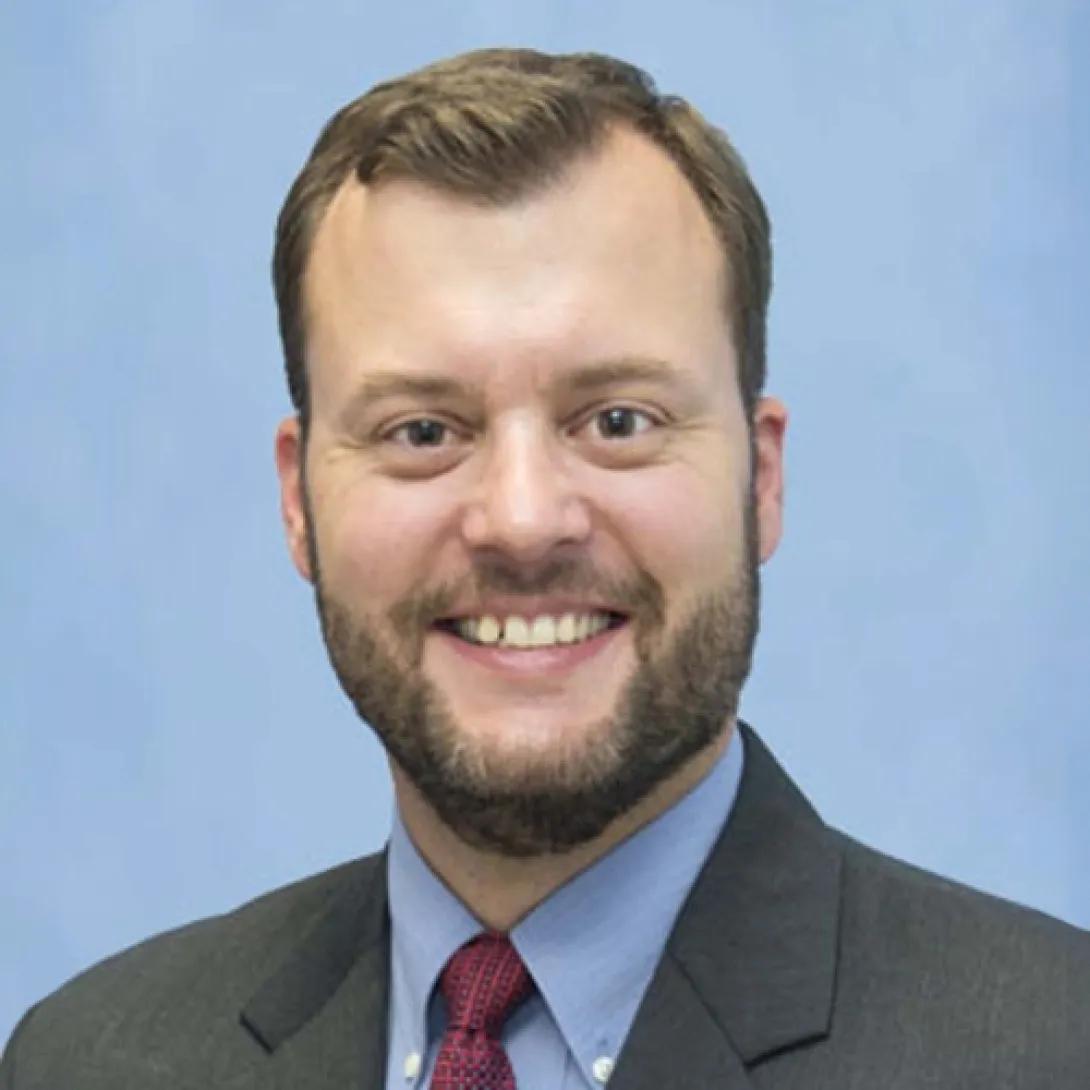
Filip Bednar, MD, PhD
Associate Professor
Surgical Oncology, Surgery
OXANA V Crysler, MD
Clinical Assistant Professor
Medical Oncology, Internal Medicine

Donnele Daley, MD
Assistant Professor
Surgical Oncology, Surgery
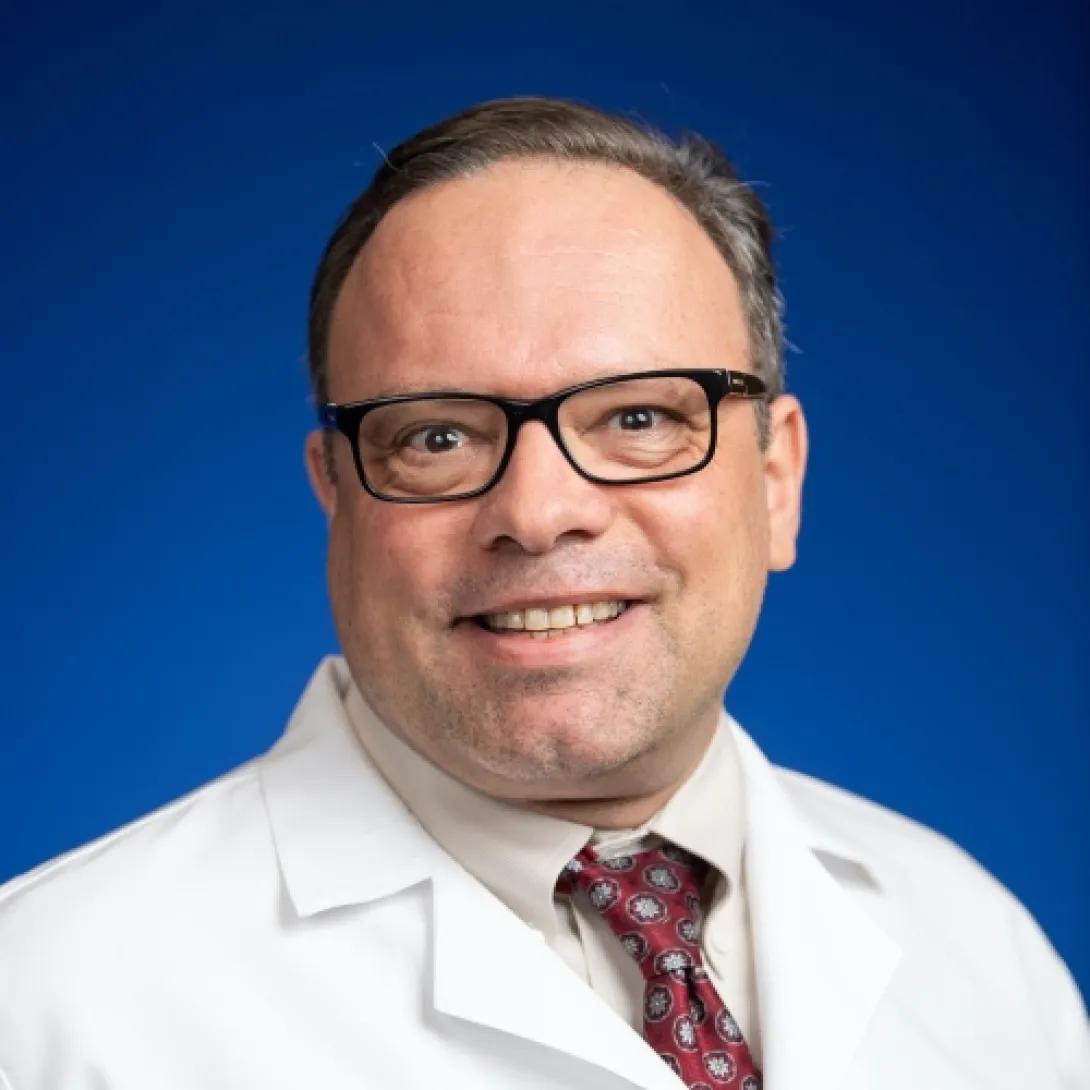
Thomas M Enzler, MD, PhD
Clinical Assistant Professor
Medical Oncology, Internal Medicine
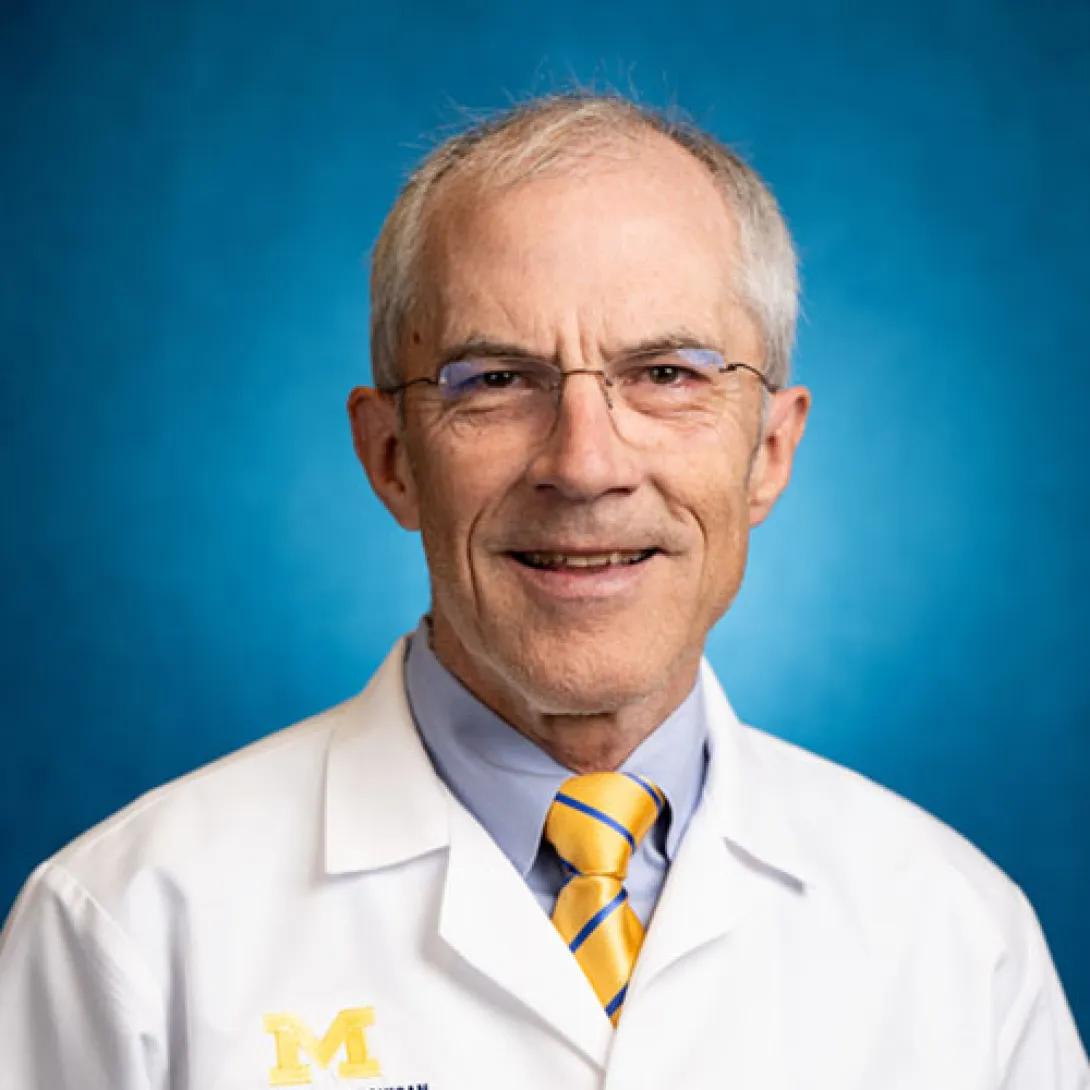
John Christopher Krauss, MD
Clinical Associate Professor
Medical Oncology, Hematology, Internal Medicine
Mark Michael Zalupski, MD
Clinical Professor Emeritus
Medical Oncology, Internal Medicine
Providers

Pamela Christine Fisher, PA-C
Physician Assistant
Physician Assistant
Ashleigh Nora Gamalski, PA-C
Physician Assistant
Physician Assistant
