Fetal Endoscopic Tracheal Occlusion (FETO)
Fetal Endoscopic Tracheal Occlusion (FETO)
Fetal Endoscopic Tracheal Occlusion (FETO) is a research procedure offered at U-M Health for fetuses with severe congenital diaphragmatic hernia (CDH). This experimental in utero procedure may benefit women when their fetus has a low chance of survival with current postnatal therapies. FETO has been shown to increase lung volumes in fetuses with CDH and there is hope it will increase the chance of survival with severe Congenital Diaphragmatic Hernia (CDH).
Our Approach
The Fetal Diagnosis and Treatment Center at U-M Health is one of a few fetal centers in the U.S. to offer FETO through the research study “Fetal Endoscopic Tracheal Occlusion (FETO) Trial for Congenital Diaphragmatic Hernia (CDH)” (HUM00159792).
The procedure involves inserting and inflating a very small balloon into the fetus’ airway (trachea). Throughout pregnancy, fetal lungs typically produce a fluid that exits the lungs through the trachea, becoming part of the surrounding amniotic fluid. Placement of the balloon during the FETO procedure aims to prevent this fluid from leaving the lungs, helping the lungs expand in the chest from fluid build-up and ideally leading to lung growth. After the lungs have expanded from the fluid build-up, another procedure is done to remove the balloon prior to birth in order for the baby to be able to breathe.
Appointment Information
For more information or to schedule an appointment, call the Fetal Diagnosis and Treatment Center at 734-763-6295.
What to Expect
Before determining the best course of treatment, all patients need to be evaluated in our Fetal Diagnosis and Treatment Center (FDTC) to assess whether this procedure would be a potential option for them.
The evaluation will include:
- Detailed history and physical examination
- Comprehensive prenatal ultrasound
- Fetal magnetic resonance imaging (MRI)
- Fetal echocardiogram
- Amniocentesis (sampling of amniotic fluid from the uterus) for microarray or karyotype testing to ensure we have complete information about the fetus
- Evaluation with our social work team
- Consultations with maternal fetal medicine (MFM) and pediatric surgery teams
U-M Health offers FETO to pregnant women over 18 years of age whose fetus has been diagnosed with severe CDH (left- or right-sided) without other abnormalities. Severe CDH is defined as observed-to-expected lung-to-head ratio (o/e LHR) less than 25% and with liver placement in the chest. Specifics about the trial at U-M Health can be found online at ClinicalTrials.gov (Identifier: NCT04052828).
If you qualify as a candidate for the FETO procedure, our team will discuss all risks and benefits of fetal surgery. We will explore your interest in having the procedure performed and how this will affect you and your family to determine whether proceeding with the FETO procedure is the best option for you
1. The first step is having the balloon placed. This procedure is performed in our operating room with both maternal fetal medicine (MFM) and pediatric surgery teams working together. Our anesthesiology team is present to keep you and your baby safe and comfortable during the procedure. Ultrasound guidance allows our team to assess your baby throughout the entire procedure. A tiny fetoscope (camera) is placed into your uterus and guided into your baby’s mouth. The balloon is deployed into the fetal trachea under direct vision and placement of the balloon is confirmed with ultrasound.
2. After the procedure, you will be admitted overnight for observation and continuous monitoring for uterine contractions.
3. We will have you return to our center for weekly maternal evaluations and fetal ultrasounds. Additionally, a follow-up fetal MRI will be obtained.
4. The balloon will be removed from your unborn baby’s airway weeks later.
5. Optimal delivery timing and route of delivery will be planned in consultation with our MFM team at Michigan Medicine. Route of delivery will be based on obstetric indications with vaginal delivery being the preferred approach.
After your baby is born and stabilized, your baby will be brought to the Neonatal Intensive Care Unit (NICU) and cared for with standard therapy given to all babies with CDH. With our Labor and Delivery unit uniquely nestled under the same roof as the NICU, you and your baby will remain together.
We follow all patients with CDH in our multidisciplinary, long-term CDH clinic. In this clinic we will assess the spectrum of potential long-term health issues that may affect your child.
Risks & Benefits
The procedure has maternal risks that need to be considered as well. Our team will openly and compassionately discuss all possible risks and benefits with you and your family. We want to help your family through this process.
FETO carries a risk of earlier delivery and prematurity for the baby. Additionally, while the balloon is in place, the fetal airway is blocked. Unexpected delivery while the balloon is in place could be life-threatening for the baby, and having proper systems in place to manage your baby’s airway are especially important during this period.
Because of the possible risks to both mother and baby, those who qualify for FETO:
- Must reside within 30 minutes of Von Voigtlander Women’s Hospital and C.S. Mott Children’s Hospital during this entire time
- Will have weekly follow-up appointments with our team while the balloon is in place and up until delivery
- Will need to have a support person, whether your spouse, partner, friend, or parent, who is available to stay with you for the duration of the pregnancy while the balloon is in place and attend weekly appointments with you
- Will be unable to carry on normal daily activities including exercise, work, and intercourse after the procedure and for the duration of the pregnancy
Benefits
FETO has been shown to increase lung volumes in fetuses with CDH and there is hope it will increase the chance of survival with severe CDH. Having FETO performed may result in larger lungs for your baby.
Clinical Trials
Specifics about the trial at the University of Michigan Health can be found online at ClinicalTrials.gov (Identifier: NCT04052828).
Patient Resources
Locations
-
Fetal Diagnosis and Treatment Center | Von Voigtlander Women's Hospital 1540 E Hospital Dr
Floor 9
Ann Arbor, MI 48109-4264Get Directions
Doctors
Ashley Megan Bartell, MD, PhD
Assistant Professor
Obstetrics & Gynecology, Maternal & Fetal Medicine
Deborah Rose Berman, MD
Clinical Professor
Maternal & Fetal Medicine, Obstetrics & Gynecology

Jennifer Cate, MD
Clinical Assistant Professor
Maternal & Fetal Medicine, Obstetrics & Gynecology

Mark Christopher Chames, MD
Clinical Associate Professor
Maternal & Fetal Medicine, Obstetrics & Gynecology

Joseph Thomas Church, MD
Clinical Assistant Professor
Pediatric Surgery, Surgery
Caitlin Madden Clifford, MD
Clinical Assistant Professor
Maternal & Fetal Medicine, Obstetrics & Gynecology

Jill Kent Davies, MD
Clinical Professor
Obstetrics & Gynecology, Maternal & Fetal Medicine

Sarah Marie Davis, MD
Clinical Associate Professor
Maternal & Fetal Medicine, Obstetrics & Gynecology
Patricia Stephanie Greco, MD
Clinical Assistant Professor
Maternal & Fetal Medicine, Obstetrics & Gynecology

Natasha Raj Kumar, MD, MSCE
Assistant Professor
Maternal & Fetal Medicine, Obstetrics & Gynecology



News & Stories
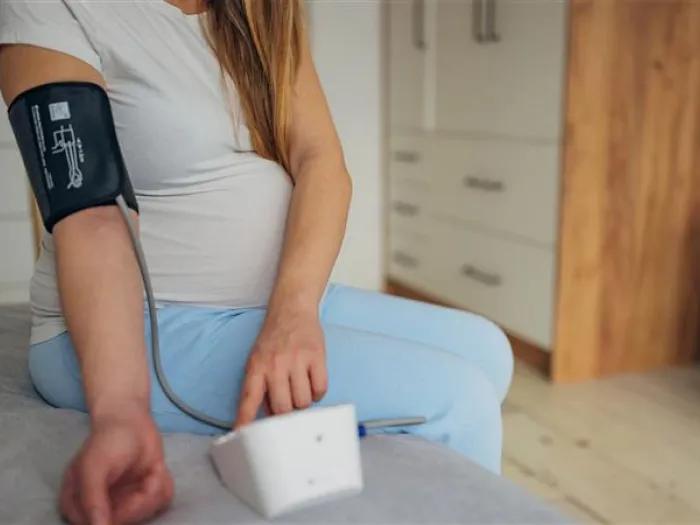
Researchers discover what may be the root cause of preeclampsia, and how to fix it
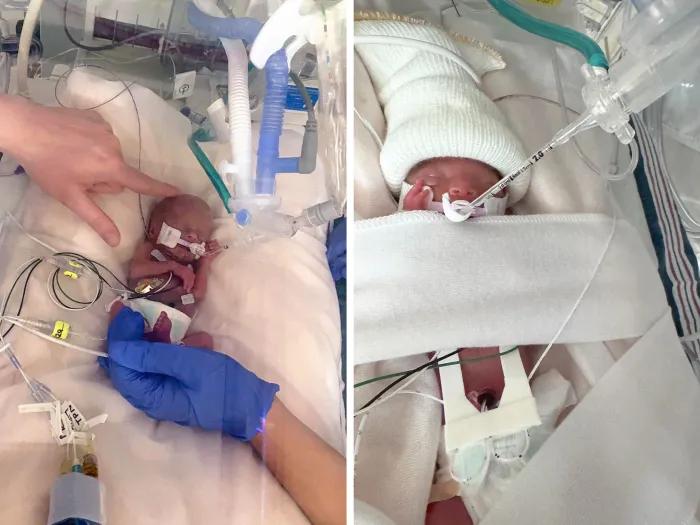
Born under a pound: Two newborns beat extraordinary obstacles in the NICU

A complex fetal surgery to help a baby’s lungs grow

After 4 lifesaving heart surgeries, teen plays in Junior League World Series

Michigan Medicine Presents: How to Get into Medical School