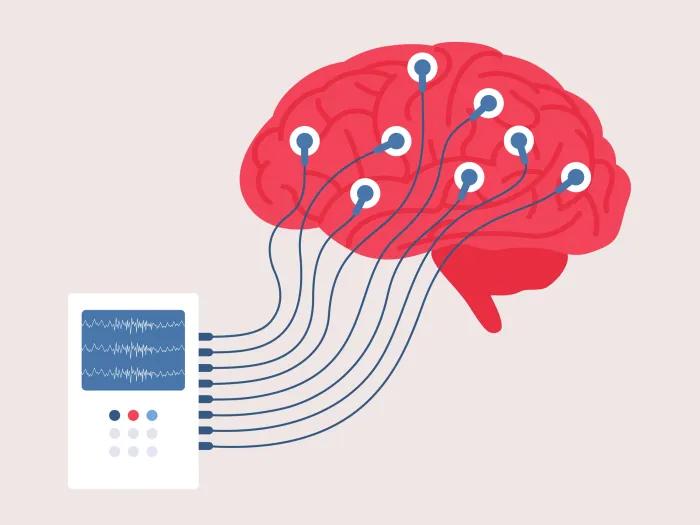
Dizziness Clinic
Dizziness Clinic
The Dizziness Clinic is part of Neurology’s Balance Disorder Program at the University of Michigan Health. Our team of experts take the time to listen to you, to comprehensively examine you, and to discuss with you our recommendations for further evaluation and treatment with the goal of getting you back to your normal routine.
Who We Treat
We treat patients with the following conditions:
- Benign paroxysmal positional vertigo (brought on by certain changes in head position)
- Cerebellar ataxia syndrome (degeneration of the brain causes ataxia symptoms)
- Cerebrovascular disorders (conditions that affect the brain’s blood vessels)
- Chronic dizziness
- Imbalance
- Labyrinthitis (inflammation of the inner ear that also affects hearing)
- Lightheadedness
- Meniere's disease (a disorder of the inner ear that affects hearing and balance)
- Migraine-associated dizziness
- Vertigo (a catch-all term for episodes of dizziness or loss of balance)
- Vestibular neuritis (a viral infection of the vestibular nerve)
Our Approach
To evaluate a patient, we start by gathering a complete medical history including all your symptoms, followed by a physical exam and comprehensive neurological exam, assessing the functioning of your nervous system and vestibular system (your sense organs). In some cases, a brain MRI, hearing test or vestibular test may be ordered.
Because of our collaborative atmosphere, we partner with physicians across a variety of disciplines to better care for your disorder, including the Ataxia Clinic, Otolaryngology, Physical Therapy, the Movement Disorders Program, the Sleep Disorders Center, Neuroradiology and the Vestibular Testing Center.
Appointment Information
Schedule an interview by calling us at 734-936-9020.
Locations
-
Neurology Clinic | Taubman Center 1500 E Medical Center Dr
Floor 1 Reception C
Ann Arbor, MI 48109-5322Get Directions
News & Stories

A pediatric epilepsy fundraiser that changes lives
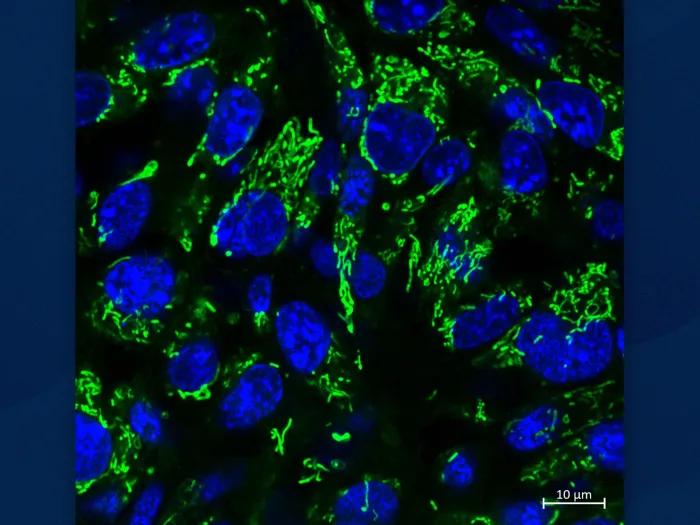
Engineered nanoparticles sensitize gliomas to radiotherapy
Trial focuses on duration of therapeutic hypothermia for out-of-hospital cardiac arrests

E-bikes are faster than ever. Are families prepared for the risks?
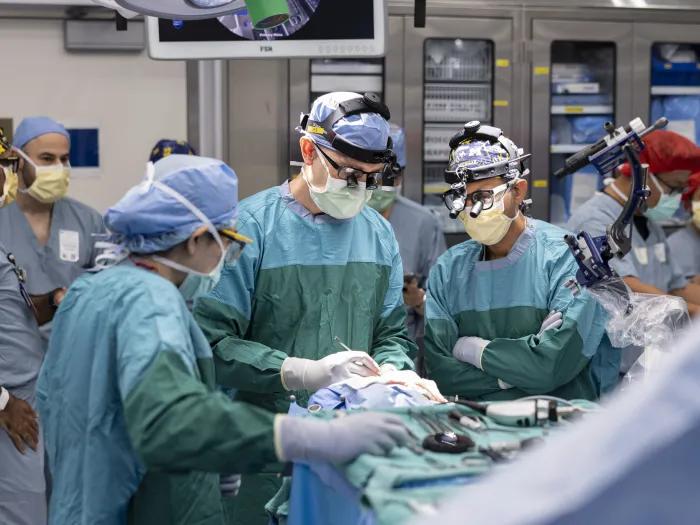
University of Michigan implants first-in-human Paradromics wireless brain-computer interface, designed to restore communication