Prostate-Specific Antigen Test
Prostate-Specific Antigen Test
What is a prostate-specific antigen (PSA) test?
A prostate-specific antigen (PSA) test measures the amount of PSA in your blood. PSA is released into the blood by the prostate, which is part of the male reproductive system. A high PSA level may mean that you have an enlargement, infection, or cancer of the prostate.
Why is a prostate-specific antigen (PSA) test done?
You may have this test to:
- Check for prostate cancer.
- Watch prostate cancer and see if treatment is working.
- Follow up after prostate cancer treatment to watch for any signs of the cancer coming back.
Appointment Information
If you are a patient looking to receive kind and compassionate care at a leading urologic practice in Michigan, book an appointment by calling 734–936–7030.
How should I prepare?
Do not ejaculate during the 2 days before your PSA blood test, either during sex or masturbation. Talk to your doctor about any concerns you have regarding the need for the test, its risks, how it will be done, or what the results will mean.
What do the test results mean?
Each lab has a different range for what's normal. Your lab report should show the range that your lab uses for each test. The normal range is just a guide. Your doctor will also look at your results based on your age, health, and other factors. A value that isn't in the normal range may still be normal for you.
Normal
Because normal PSA levels seem to increase with age, age-specific ranges may be used. But the use of age-specific ranges is controversial, and some doctors prefer to use one range for all ages. For this reason, it is important to discuss your test results with your doctor.
A PSA level within the normal ranges does not mean that prostate cancer is not present. Some men who have prostate cancer have normal PSA levels.
High values
High levels don't always mean that prostate cancer is present. PSA levels may be high if the prostate gland is enlarged (benign prostatic hyperplasia, or BPH) or inflamed (prostatitis).
If your PSA level is high, your doctor may refer you to a urologist. What tests come next will depend on your overall health, your chances of having prostate cancer, and your feelings about having tests and treatments. You may have a repeat PSA test, an MRI, or tests that look at your risk for prostate cancer. Or you may be scheduled for a prostate biopsy.
News & Stories

Many hospitals still don’t do enough to prevent UTIs from catheters

U-M Regents approve Michigan Medicine leadership changes
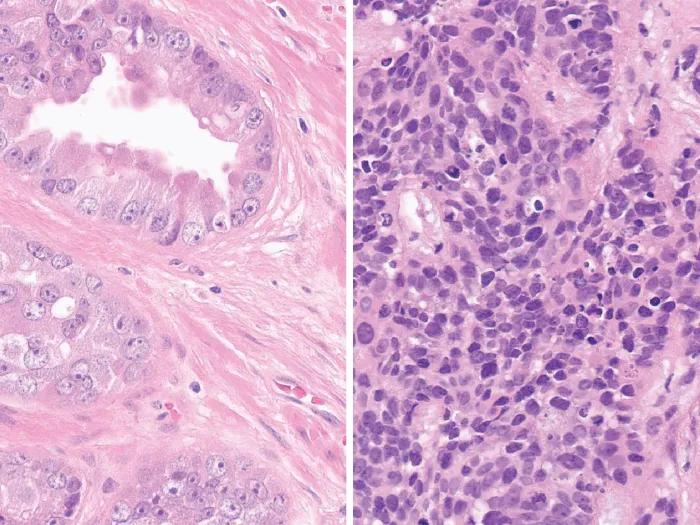
New drug combination may help treat advanced prostate cancer

Long friendship inspires urology resident fund

Researchers create new path to target hard-to-drug prostate cancer protein