Arterial Dysplasia Program
Arterial Dysplasia Program
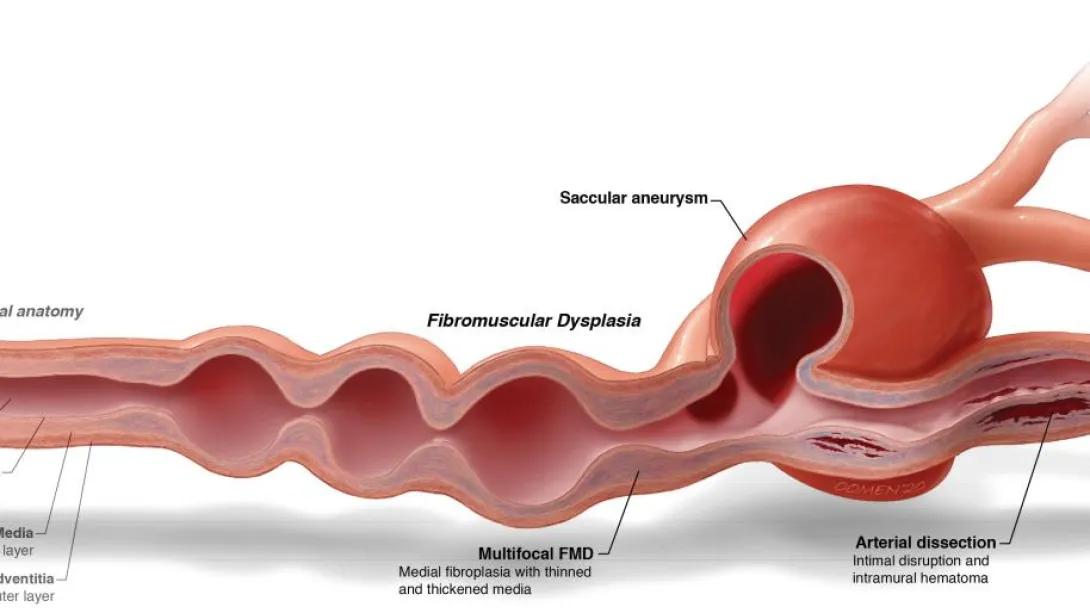
Arterial dysplasia is a term that refers to a group of conditions that affect the structure and function of arteries. These conditions may cause arteries to become narrowed, enlarged, twisted, or torn, leading to serious complications due to reduced blood flow or arterial rupture and bleeding.
The Arterial Dysplasia Program & Precision Health Network is an innovative model bringing together partners from across U-M Health to advance our understanding of arterial diseases and to translate genetic and molecular discoveries into clinical practice. Nearly 30 faculty from 14 departments and centers participate in our Precision Health Network.
Our Approach
Our multidisciplinary team collaborates with other sub-specialties to ensure our patients receive high-quality and safe care during their treatment at U-M Health. Team members come from the following specialties:
- Cardiovascular Medicine (FMD, dissections including SCAD, aneurysms, tortuosity)
- Diagnostic Radiology (FMD, dissections, aneurysms, tortuosity)
- Medical Genetics (FMD, dissections, aneurysms, tortuosity)
- Neurosurgery (aneurysms, dissections of the head and neck)
- Obstetrics and Gynecology (pregnancy-related considerations)
- Pediatric Cardiology (pediatric arterial disease, pRVH, MAS)
- Pediatric Genetics (pediatric arterial disease, pRVH, MAS)
- Pediatric Nephrology (pediatric arterial disease, pRVH)
- Vascular and Interventional Radiology (FMD, dissections, aneurysms)
- Vascular Neurology (dissections, aneurysms, FMD of the head and neck)
- Vascular Surgery (FMD, dissections, aneurysms, pRVH, MAS)
Appointment Information
To schedule an appointment with a Frankel Cardiovascular Center physician, call 888-287-1082. Or visit the Make a Cardiovascular Appointment page.
To schedule an appointment with a neurologist, call our general Neurology Clinic phone number at 734-936-9020.
Pediatrics
To schedule an appointment with a Congenital Heart Center physician, call 734-764-5176. To schedule an appointment with a Pediatric Nephrologist (kidney specialist), call the Pediatric Nephrology Clinic at 734-936-4210.
Who We Treat
Conditions we treat include fibromuscular dysplasia (FMD), spontaneous coronary artery dissection (SCAD), arterial aneurysms, arterial dissections, renovascular hypertension and others.
Vascular conditions associated with arterial dysplasia are wide-ranging and these conditions may result in complications, such as the narrowing of arteries, which can reduce blood flow and increase risk of arterial wall bulges (aneurysms) or tears (dissections). Understanding the various vascular conditions is crucial for early detection, appropriate medical management and intervention to prevent potentially life-threatening complications.
Conditions
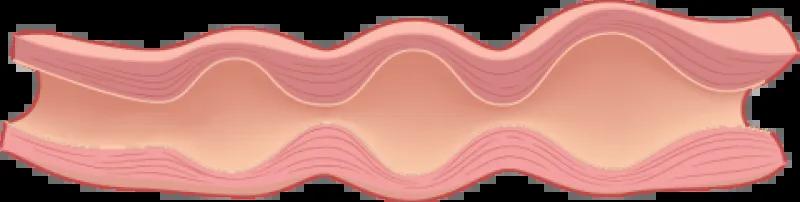
Fibromuscular dysplasia (FMD) is a vascular disorder that primarily affects the walls of medium-sized arteries, most commonly those leading to the kidneys and brain, although any artery in the body may be affected. In FMD, abnormal cell growth and scar tissue in the artery walls cause the arteries to become narrow, twisted, or even dissect or form aneurysms. This can lead to high blood pressure, reduced blood flow to affected organs, and an increased risk of dissections or aneurysms. The exact cause of FMD is not fully understood. Genetic and hormonal facts likely play a role in FMD.
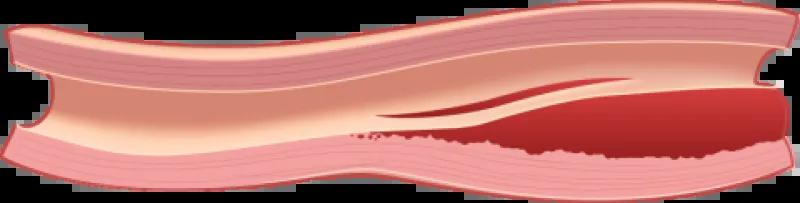
Spontaneous arterial dissections can occur in any artery of the body, such as the coronary (SCAD), cervical (carotid and vertebral, CeAD), mesenteric (arteries to the intestines), renal, iliac, or other arteries. Arterial dissection is a condition where there may be a tear in the inner lining of the arteries leading to blood accumulating in the wall of the artery, or spontaneous bleeding into the wall of the artery, leading to sudden narrowing of the artery and decreased blood flow.
These arterial dissections can cause strokes, heart attacks, or other organ dysfunctions or injuries because of lack of adequate blood flow. While the exact causes are not always clear, factors such as high blood pressure, underlying connective tissue disorders, and genetic predisposition may contribute to this condition.
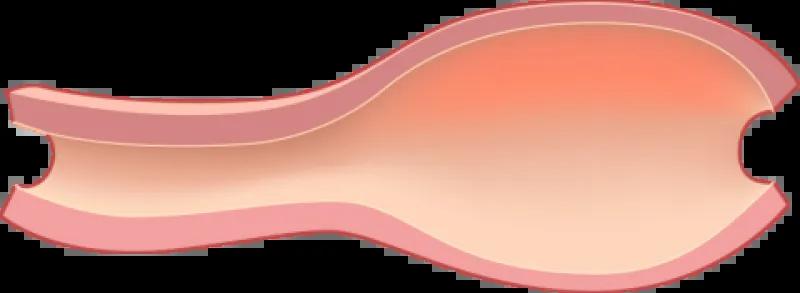
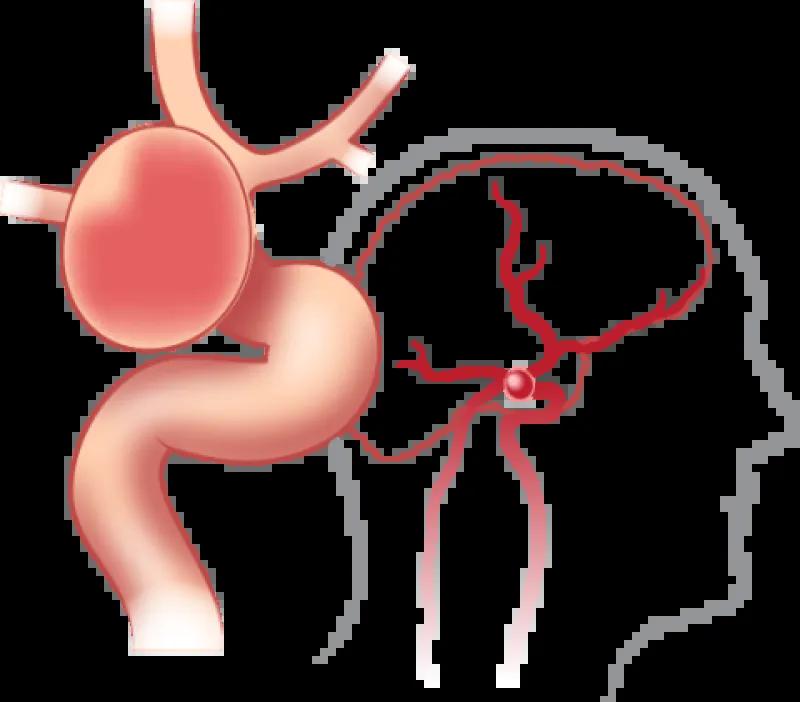
Arterial aneurysms refer to weakened and dilated areas in the walls of arteries. These areas are prone to bulging and can rupture if left untreated, leading to life-threatening bleeding. Arterial aneurysms can occur in various arteries throughout the body, affecting the brain, neck vessels, heart arteries, abdominal arteries, and others. Risk factors include high blood pressure, and certain genetic conditions that affect connective tissues.
Brain aneurysms - also known as intracranial aneurysms - are weakened and dilated areas in blood vessels within the brain. These arterial areas can balloon out and potentially rupture, causing bleeding, leading to serious conditions such as subarachnoid hemorrhage. Brain aneurysms are often asymptomatic until they rupture, and risk factors include a family history of aneurysms, smoking, high blood pressure, and certain genetic conditions that affect blood vessels.
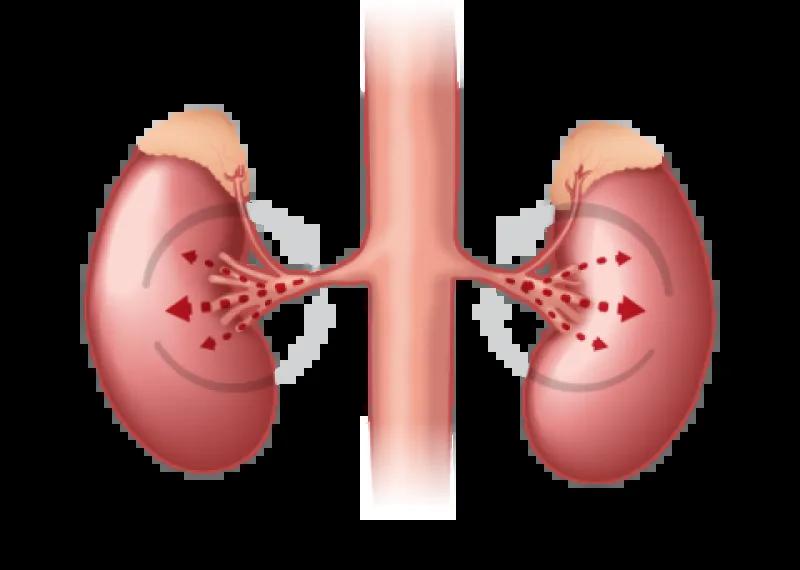
Renovascular hypertension: When the kidney receives decreased blood flow, the kidney responses that are designed to regulate blood pressure are activated to raise blood pressure. Left untreated, high blood pressure (hypertension) may be severe and damage many organs throughout the body. Medical treatment may be treated with medications alone, and in some cases surgery or angioplasty to restore blood flow in renovascular hypertension.
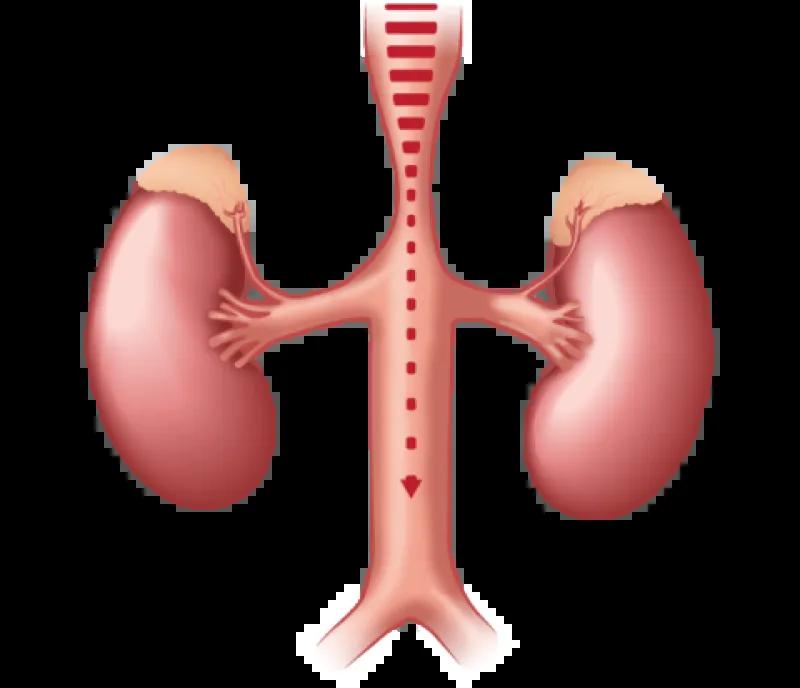
The abdominal aorta can be narrowed, leading to loss of blood flow to vital organs - such as the kidneys - and the lower half of the body. It can be a cause of renovascular hypertension, due to the loss of adequate blood supply to the kidney. Narrowings of the aorta are also referred to as “coarctations."
Research
The Michigan Arterial Dysplasia Genetic (MADGE) Study is a first of its kind, comprehensive research initiative dedicated to uncovering the genetic underpinnings of arterial diseases such as fibromuscular dysplasia (FMD) and spontaneous coronary artery dissection (SCAD). By integrating genomic, clinical, and molecular data, MADGE seeks to advance understanding of disease mechanisms to improve diagnosis, guide personalized management, and ultimately enable the development of therapies for these under-recognized vascular conditions.
At Michigan Medicine, we are leading breakthrough studies and collaborating with national and international investigators to deliver answers as quickly as possible and develop novel treatment strategies to enhance the care we can offer our patients. Patient participation in research is optional.
Resources
Fibromuscular Dysplasia (FMD)
Spontaneous Coronary Artery Dissection (SCAD)
- SCAD Navigator
- Vancouver SCAD Conference - Key Patient Resources
- SCAD Alliance
- Beat SCAD
- SCAD Warrior App (created to help patients recover from SCAD)
Cardio-Obstetrics
Pediatric Renovascular Hypertension (pRVH)
- pRVH PCOR Collaborative (providing support and resources for patients with pediatric renovascular hypertension and their families)
- C.S. Mott Children’s Hospital Renovascular Hypertension center (pediatric)
Fibromuscular Dysplasia (FMD)
- International consensus statement on FMD
- Fibromuscular Dysplasia Society of America - Physician Resources
Spontaneous Coronary Artery Dissection (SCAD)
Radiographic Surveillance: Arterial Dysplasia/FMD
Locations
-
Cardiology Clinic | Frankel Cardiovascular Center 1425 E Ann St
Floor 3 Reception C
Ann Arbor, MI 48109-5856Get Directions -
Congenital Heart Center | C. S. Mott Children's Hospital 1540 E Hospital Dr
Floor 11 Reception C
Ann Arbor, MI 48109-4284Get Directions -
Medical Genetics Clinic | Domino's Farms 24 Frank Lloyd Wright Dr Ste 1300
Lobby C
Ann Arbor, MI 48105-9484Get Directions -
Neurology Clinic | Taubman Center 1500 E Medical Center Dr
Floor 1 Reception C
Ann Arbor, MI 48109-5322Get Directions -
Neurosurgery Clinic | Taubman Center 1500 E Medical Center Dr
Floor 2 Reception G
Ann Arbor, MI 48109-5338Get Directions -
Pediatric Genetics Clinic | C. S. Mott Children's Hospital 1540 E Hospital Dr
Floor 6 Reception C
Ann Arbor, MI 48109-4234Get Directions -
Pediatric Nephrology Clinic | C. S. Mott Children's Hospital 1540 E Hospital Dr
Floor 8 Reception B
Ann Arbor, MI 48109-4259Get Directions -
Vascular & Interventional Radiology Clinic | Cardiovascular Center 1425 E Ann St
Floor 3 Reception B
Ann Arbor, MI 48109-5856Get Directions -
Vascular Neurology / Stroke Clinic | Frankel Cardiovascular Center 1425 E Ann St
Floor 3 Reception C
Ann Arbor, MI 48109-5856Get Directions -
Vascular Surgery Clinic | Frankel Cardiovascular Center 1425 E Ann St
Floor 3 Reception B
Ann Arbor, MI 48109-5856Get Directions -
Women's Clinic Maternal Fetal Medicine | Von Voigtlander Women's Hospital 1540 E Hospital Dr
Floor 9
Ann Arbor, MI 48109-4276Get Directions
Doctors
David Bernard Altshuler, MD
Clinical Assistant Professor
Neurological Surgery
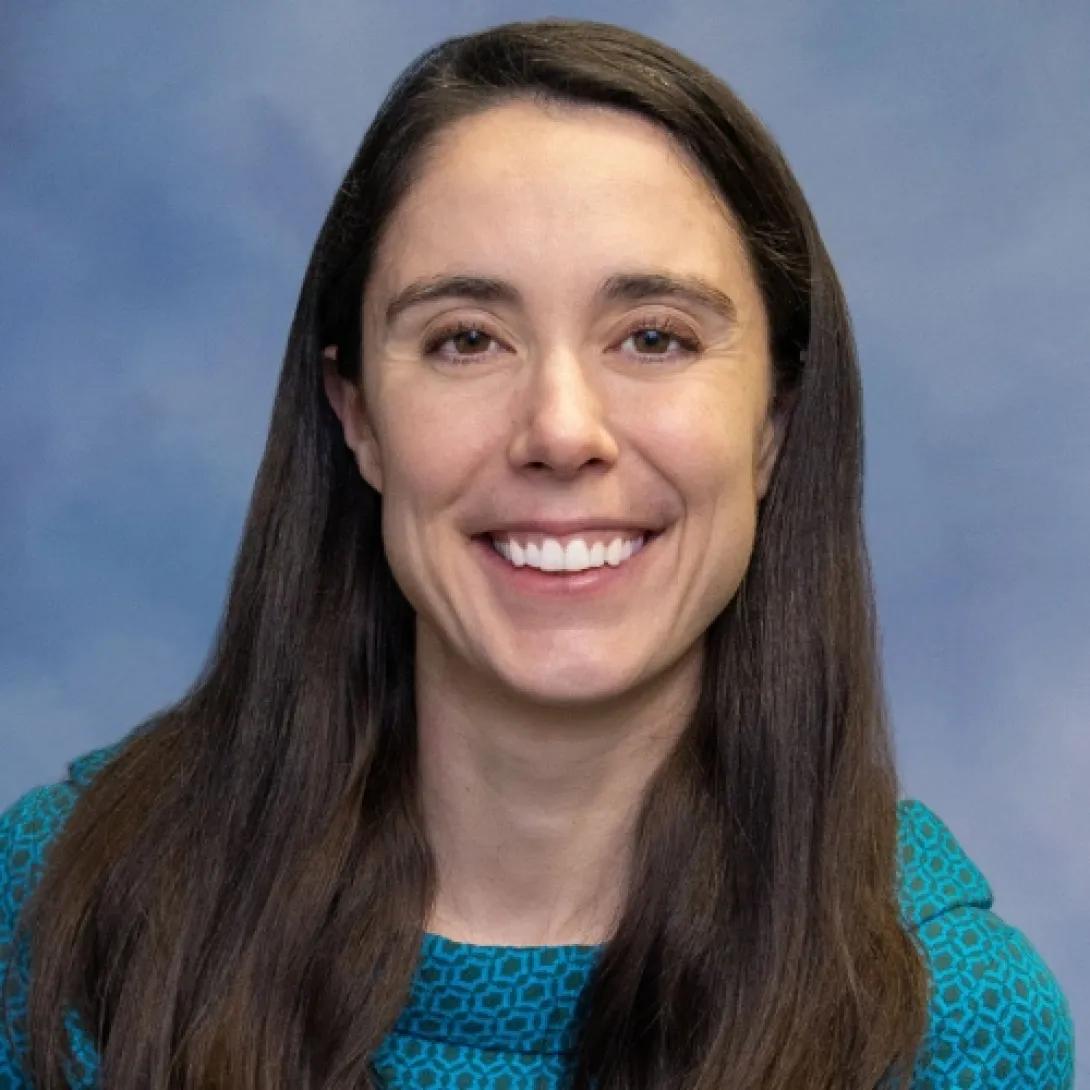
Elizabeth Grace Ames, MD, PhD
Clinical Associate Professor
Clinical Genetics, Pediatrics
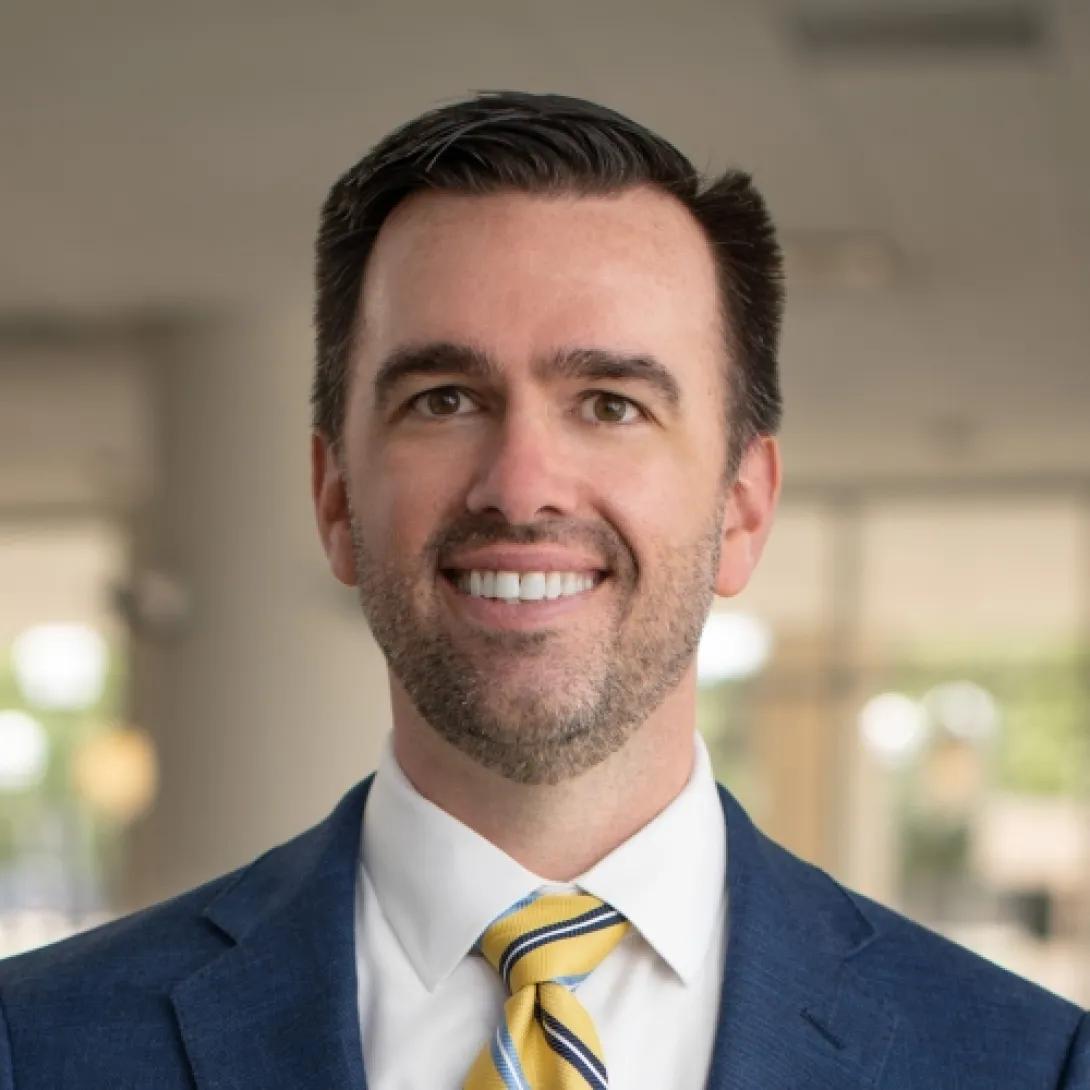
Geoffrey Douglas Barnes, MD, MSc
Associate Professor
Cardiovascular Disease, Internal Medicine

Robert John Beaulieu, MD
Clinical Associate Professor
Vascular Surgery
Eric Page Cantey, MD
Clinical Assistant Professor
Interventional Cardiology
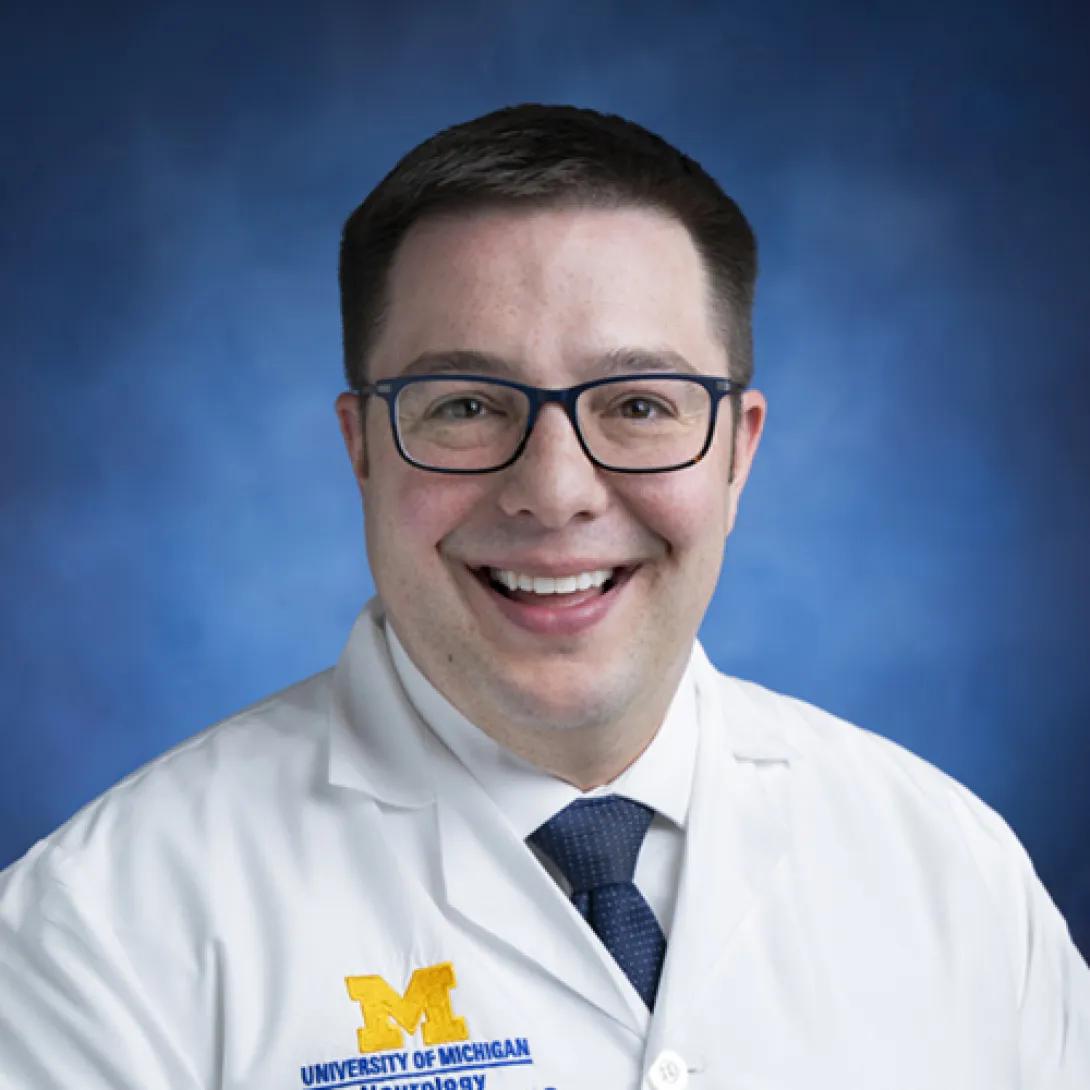
Joseph Francis Carrera, MD
Clinical Associate Professor
Vascular Neurology, Neurology

Frank Garrett Conyers, MD, MPP
Clinical Assistant Professor
Neurology
Badih Junior Daou, MD
Clinical Assistant Professor
Neurological Surgery
Frank Michael Davis, MD
Assistant Professor
Vascular Surgery

Jonathan Lee Eliason, MD
Professor
Vascular Surgery, Surgery




















Providers
Jane Elizabeth Elenbaas, NP
Advanced Practice Nurse
Nurse Practitioner

David Christopher Favot, NP
Advanced Practice Nurse
Nurse Practitioner
Jessica Leanne Roberts, NP
Advanced Practice Nurse
Nurse Practitioner
News & Stories

Young father survives aortic dissection after delayed diagnosis

Treating a rare coronary artery aneurysm without open heart surgery

Delays in Heart Surgery for Women due to One-Size-Fits-All Criteria
Virtual reality enhances training for pediatric cardiologists

Strength amidst strain: Measuring resilience in young heart patients