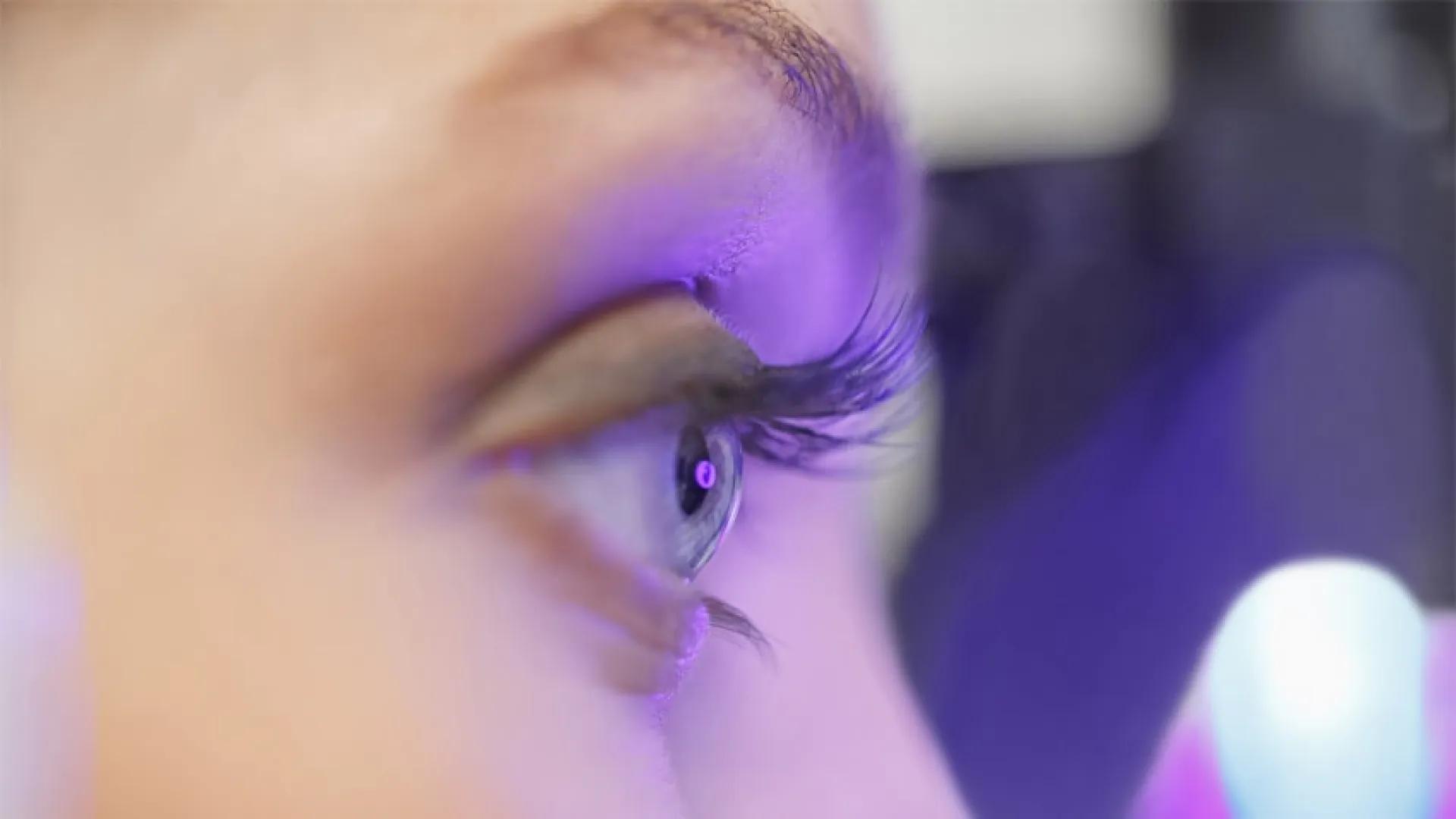

Refractive Surgery
Refractive surgery includes a range of procedures to correct or improve blurry vision permanently.
Your Michigan Answer for Refractive Surgery
If you struggle with blurry vision due to nearsightedness, farsightedness, or astigmatism, everyday tasks can become frustrating. At the University of Michigan Health Kellogg Eye Center, you don’t have to settle for a lifetime of glasses or contact lenses.
Blurry vision often occurs when the eye cannot focus light properly—commonly caused by genetics, eye strain, aging, or injury. Our expert surgeons will work with you using a personalized, team-based approach to plan the best treatment for your needs. We offer the latest in refractive surgery, supported by onsite research teams and advanced technology, to deliver the best possible results.
While many people are familiar with LASIK (Laser-Assisted In Situ Keratomileusis), there are several other vision correction procedures we offer. Photorefractive Keratectomy (PRK) is a laser procedure that reshapes the cornea after removing its outer layer, making it ideal for certain patients. For those who may not be candidates for laser surgery, we also provide Phakic Intraocular Lenses (ICLs)—permanent lenses implanted in the eye for lasting vision improvement. In addition, our comprehensive refractive services include advanced screening and diagnostics, ongoing research participation, and dedicated aftercare.
Whether you choose LASIK, PRK, or implantable contact lenses, you can trust the Kellogg Eye Center’s team to guide you every step of the way. Start seeing a brighter future, more clearly, with Michigan’s leading experts in vision correction.
Questions? Ask Us
What our patients are saying
My whole experience at Kellogg was great and I would highly recommend Kellogg to anyone thinking about this procedure. I was well informed throughout the entire process and the surgeons and technicians made everything so convenient. They worked around my schedule and never kept me waiting.
Financing Options
Refractive Surgery Financing Plan
Kellogg has partnered with the U-M Credit Union to bring refractive surgery patients a financing program:
- 0% financing for 12 months
- Option to extend financing for 24 months (at a 9% APR)
- No application fees or prepayment penalties
To apply for the financing program, please visit the UMCU website. Once you apply, you’ll be notified within 24 hours of your approval or denial. Other options for financing include using a flexible spending account (FSA) or, if you are a U-M employee, payroll deduction.
Flex Funds (FSA)
Many companies offer FSAs, allowing their employees to set aside pretax dollars for out-of-pocket medical expenses. You generally can use these funds to pay for medical expenses, such as refractive surgery, that are not covered by health insurance. By using pretax dollars, you lower the amount of income tax you pay and receive more value for your expenditures. It’s also important to know that FSAs are subject to a “use it or lose it” rule imposed by the IRS; you are required to use the funds you have set aside within a specified period. Your company’s benefits office can explain how and when you can set up a FSA. U-M employees can find this information at the U-M Benefits Office website.
Payroll Deduction for U-M Employees
U-M employees can use payroll deduction over a 24-month period to pay for refractive surgery.
News & Stories
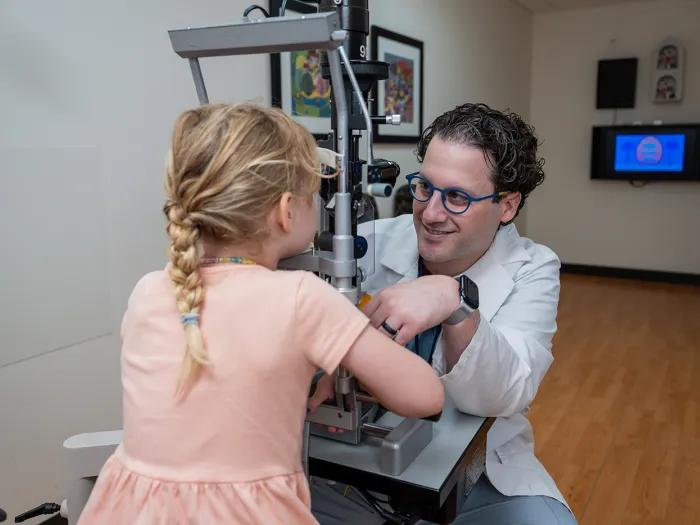
Innovative children’s vision research gets a boost from the Knights Templar Eye Foundation

Commentary: Global health research makes America richer and healthier

Nerf gun accident causes retinal detachment in pediatric patient

Kellogg care inspires gift to vision research

Mediterranean diet can slow progression of age-related macular degeneration