
Cold Capping
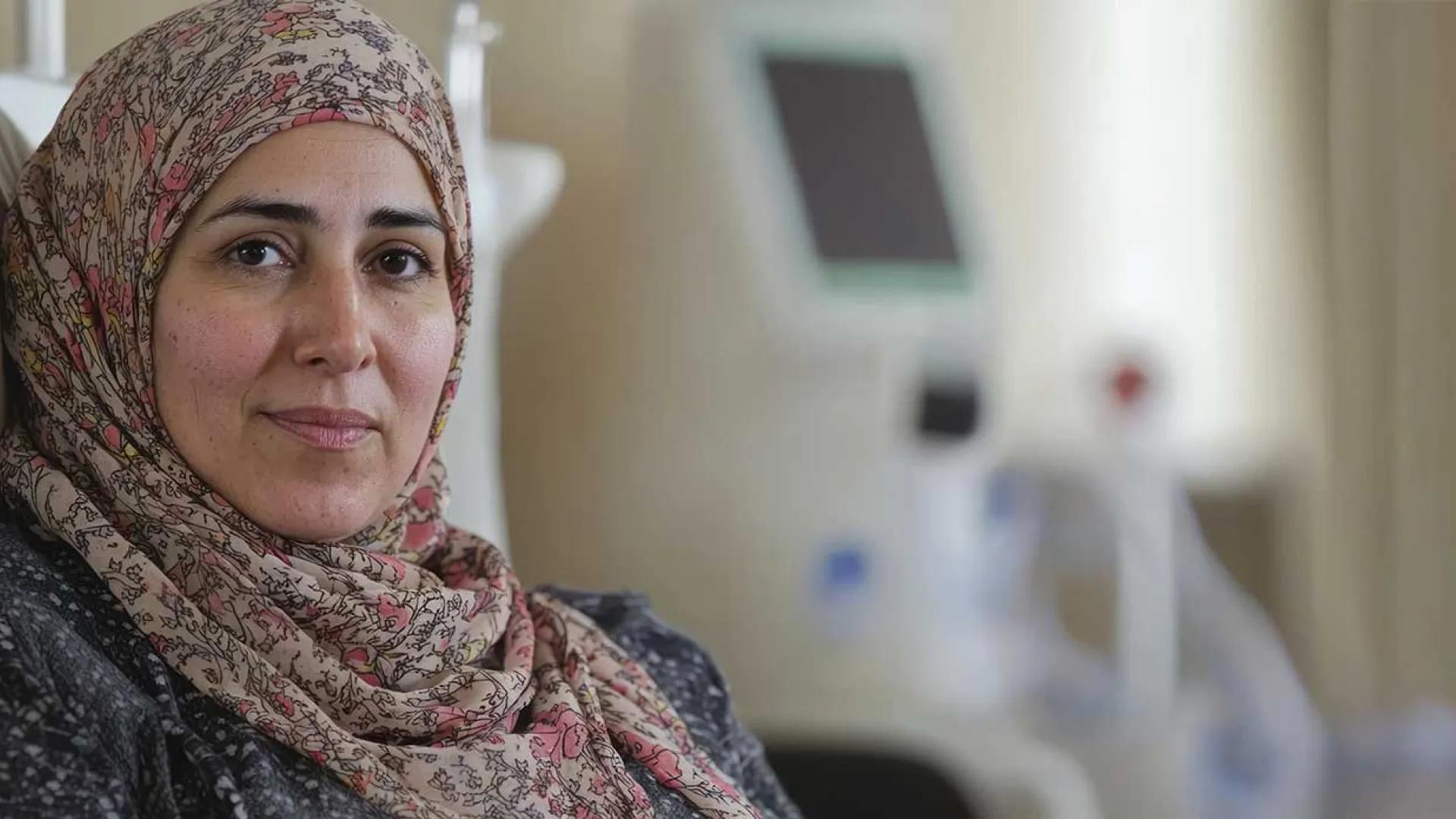
What is cold capping?
Cold capping is a technique used to reduce hair loss (alopecia) in individuals undergoing chemotherapy for breast cancer. Chemotherapy drugs often cause hair loss because they target rapidly dividing cells, which include not only cancer cells but also the cells responsible for hair growth.
Our Approach
The Weiser Family Center for Breast Cancer is dedicated to providing compassionate, cutting-edge care for individuals affected by breast cancer. We enhance lives through early detection, personalized treatment, and survivorship support, while advancing research, education, and advocacy. Our unwavering commitment is to make a meaningful difference, improving breast cancer outcomes for all. We're pleased to offer this option for chemotherapy patients.
Make an Appointment
If you're a patient interested in making an appointment, please call 734-647-8902.
Healthcare providers looking to refer a patient, please contact M-LINE: 800-962-3555.
For those with questions, please contact our Cancer AnswerLine at 800-865-1125.
What to Expect
Cold caps are tightly fitted, gel-based, or liquid-filled caps that are cooled to very low temperatures and worn on the scalp before, during, and after chemotherapy treatment sessions. The cooling effect constricts the blood vessels in the scalp, reducing the amount of chemotherapy drug that reaches the hair follicles. This can help minimize hair loss.
Procedure
- Pre-Cooling: The cap is applied about 30-45 minutes before the chemotherapy session begins.
- During Chemotherapy: The cap is kept on throughout the duration of the chemotherapy session.
- Post-Cooling: The cap is typically left on for another 90 minutes to a few hours after the chemotherapy session ends.
Effectiveness and Considerations
- Effectiveness: The success rate can vary based on the type of chemotherapy drugs used, the dosage, and individual differences. Typically, patients might experience less severe hair loss rather than complete prevention.
- Side Effects: Some people may experience headaches, a feeling of coldness or discomfort, and in rare cases, scalp damage.
- Cost: Cold capping may not always be covered by insurance, and it can be costly since it often involves renting or purchasing the caps and the cooling systems.
- Commitment: The process can be time-consuming and requires strict adherence to the protocol for the best results.
Emotional and Psychological Impact
Hair loss can be a distressing side effect of chemotherapy. For some patients, cold capping can help maintain a sense of normalcy and privacy, reducing the emotional and psychological impact of treatment.
Discuss with Your Medical Team
If you are considering cold capping, it's essential to discuss it with your oncologist or medical team. They can provide guidance on whether cold capping is appropriate for your specific type of chemotherapy and connect you with resources or providers who offer this service.
Resources
The U-M Health Rogel Cancer Center offers various resources and support services for cancer patients, including discussions about preserving hair during chemotherapy. For more detailed, personalized information, please visit our Patient & Family Support Services webpage.
You can also contact our Cancer AnswerLine to talk to an experienced oncology nurse: 800-865-1125.
