Liver Cancer Program
Liver Cancer Program
When you or a loved one needs liver cancer treatment, count on the experts at the U-M Health Rogel Cancer Center. Our specialists diagnose and treat all liver cancer types. We specialize in treating complex liver cancers as well as bile duct and gallbladder cancer with options that offer hope.
Our Approach
Liver -- and related bile duct and gallbladder cancer -- can be challenging to treat. Our gastrointestinal (GI) cancer experts work together to tackle the toughest of these cancers with the most advanced treatment options. Program highlights include:
- Team-based care: Our experienced specialists have extra education and training in treating liver tumors. We work together to treat liver cancers at every stage, including in people who have underlying chronic liver disease.
- Care for complex disease: Our specialists treat people with cancer that begins in the liver (primary liver cancer). We also specialize in treating cancers that have spread to the liver from somewhere else in the body (metastatic liver cancer). Our experts listen to you and learn about your goals for treatment, ensuring you get customized care.
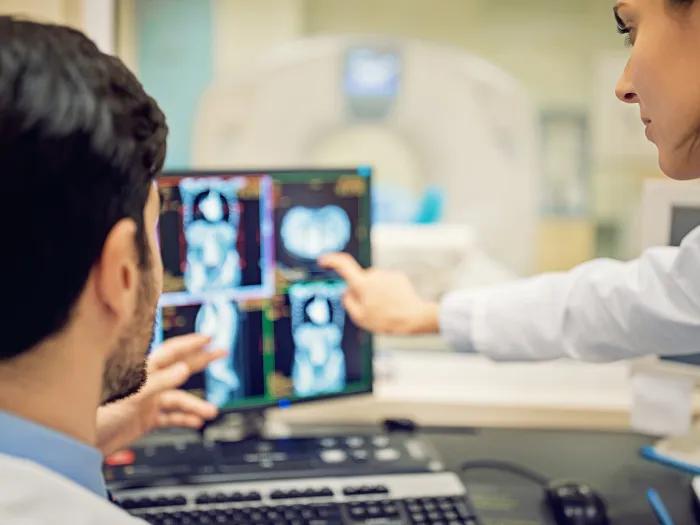
- Precise diagnosis: Our radiology experts specialize in interpreting abdominal images to provide accurate diagnosis. We use these images to design the most effective treatment plan.
- Sophisticated treatments: Our experts use the latest evidence-based treatments such as hepatic artery infusion pump (HAIP) therapy and Yttrium-90 microspheres. We also offer liver transplant for some people with liver cancer and histotripsy.
Who We Treat
Our team has experience with all forms and stages of adult liver cancer. By bringing together experts in medical oncology, gastroenterology, surgery, radiation oncology, nutrition, rehabilitation and social work, our team can support you through whatever challenges your diagnosis brings. In addition, we also treat adults with bile duct and gallbladder cancer.
Services
- Primary liver cancer: Cancer that begins in the liver is primary liver cancer. These cancers include:
- Bile duct cancer: Bile duct cancer begins in the lining of tubes that carry bile from the liver to the gallbladder (small bile ducts). Bile duct cancer inside the liver is also known as cholangiocarcinoma.
- Hepatocellular carcinoma: Hepatocellular carcinoma is the most common type of liver cancer. Cancer cells may form a single tumor or may be spread throughout the liver.
- Gallbladder cancer occurs when cells in the lining of the gallbladder grow in ways they shouldn’t.
- Metastatic liver cancer: Metastatic, or secondary, liver cancer is cancer that began somewhere else in the body and spread to the liver. Many types of cancer can spread to the liver, including colon cancer, pancreatic cancer and stomach cancer.
We typically diagnose liver cancer using imaging tests. The skilled radiologists on our gastrointestinal (GI) cancers team are experts in taking and interpreting abdominal images. We use:
- Computed tomography (CT) scan: Specialists use X-rays to take detailed images of your abdomen. We use these images to locate and assess liver tumors.
- Magnetic resonance imaging (MRI): Our experts use a test that creates images with radio waves and magnets. We interpret these images to determine tumor size, location and type. We also look for blocked blood vessels in or near the liver.
- Ultrasound: Specialists move a probe (transducer) over the skin of the abdomen. This probe uses sound waves to create detailed pictures of the liver and any liver tumors that are present.
Occasionally, our specialists may recommend a liver biopsy. We take a small sample of liver tissue for our pathology experts to examine under a microscope to look for cancer.
The liver cancer experts at Rogel Cancer Center specialize in treating the most complex liver cancers. We get to know you so we can understand your goals before developing a treatment plan. We offer:
Liver cancer surgery
Our expert surgeons develop plans to remove even the most challenging liver tumors. Surgeries we use include:
- Partial hepatectomy: Experts remove the part of the liver containing cancer in healthy people with good liver function.
- Liver transplant: We remove the entire diseased liver and replace it with a healthy liver from a donor. Experts consider tumor size and location, your liver health and overall health in determining if liver transplant is right for you.
- Ablation therapy for liver cancer: When surgery isn’t possible, our experts may use ablation techniques to shrink tumors. We use different types of energy to target and destroy cancerous tissue, including:
- Irreversible electroporation: Specialists insert multiple thin probes into the liver to destroy cancer cells without excessive heat. This permits ablation of tumors that are close to other critical structures in the liver.
- Microwave ablation: Experts insert a thin probe into liver tumors to burn cancer cells with electromagnetic waves.
- Interventional oncology for liver cancer: Interventional oncologists use techniques known as trans-arterial therapies to remove and shrink liver tumors. These therapies include:
- Trans-arterial chemoembolization: Specialists insert a thin flexible tube (catheter) into one of the liver’s main blood vessels (hepatic artery). They inject tiny beads, seeds or pellets that contain chemotherapy drugs to deliver the drug close to the tumor.
- Trans-arterial embolization: Experts use a catheter to inject tiny particles into the hepatic artery near the tumor. These particles block blood supply to the tumor, causing it to shrink.
- Radiation oncology for liver cancer: Our radiation oncology specialists use advanced radiation techniques to shrink liver tumors. Experts employ these techniques when surgery isn’t possible to provide palliative care and help manage cancer symptoms. We also shrink larger liver tumors so they can be removed surgically or undergo other therapies. We offer:
- External beam radiation therapy: We use a machine to aim energy beams directly at liver tumors to destroy cancer cells.
- Stereotactic body radiotherapy (SBRT): Experts deliver strong, precise radiation doses to liver tumors using an image-guided system.
- Yttrium-90: Experts inject radioactive microspheres into the hepatic artery. The beads stay in the blood vessel and give off radiation near the tumor. Yttrium-90 helps shrink liver tumors by guiding the radiation very precisely into the tumor.
Learn more about this form of treatment on our Radiation Therapy webpage.
- Systemic therapy for liver cancer: Our experts use certain medications that you take orally (pills) or through a flexible tube placed in a vein (intravenously). We may use:
- Chemotherapy: Drugs that circulate through your bloodstream and kill cancer cells
- Immunotherapy: Drugs that tell your immune system to destroy cancer cells
- Targeted therapy: Drugs that attack specific cancer cells while sparing healthy cells
- Hepatic artery infusion pump (HAIP) therapy for liver cancer: For some cancers that are widespread throughout the liver, our experts may use hepatic artery infusion pump (HAIP) therapy. Specialists implant a small device under the skin of the abdomen and insert a thin flexible tube (catheter) into the hepatic artery. The pump delivers a high dose of floxuridine, a chemotherapy drug, directly to the liver.
Your doctor may have you receive HAIP for two weeks and then take two weeks off. You may have HAIP in addition to systemic chemotherapy. This therapy helps improve survival rates in people with liver cancer. - Histotripsy: Pioneered at the University of Michigan, histotripsy offers a promising alternative to traditional cancer treatments, which often have significant side effects. Histotripsy is a non-invasive treatment performed under general anesthesia. The treatment works by using targeted ultrasound waves to form microbubbles within the tumor. The forces created as those bubbles form and collapse cause the mass to break apart, killing tumor cells and leaving the debris to be cleaned up by the immune system.
Clinical Trials for Liver Cancer
Rogel Cancer Center experts lead and participate in many clinical trials of new therapies to treat GI cancers. You can browse liver cancer trials on this page. For information about clinical trials in general --and learn what to expect and how they work -- please visit Clinical Trials for Cancer Patients or call our Cancer AnswerLine at 800-865-1125.
At Rogel Cancer Center, you can count on personalized treatment for all GI cancer types in a compassionate and caring environment. We get to know you so we can help make the treatment experience as easy as possible with helpful support services. We offer:
Dedicated patient navigators
Our resourceful and friendly patient navigators are your personal resource. We advocate for you and coach those who want to advocate for themselves. Your navigator can help with:
- Coordinating and scheduling appointments with cancer specialists in our multidisciplinary clinics
- Communicating your wishes and priorities to care team members
- Information about resources available to you and your loved ones
- Finding language interpreters when needed
- Lodging, childcare and transportation arrangements
- Questions you may have after seeing a specialist
- Referrals to social work services
Financial services
Cancer care can raise complex financial questions. Rogel Cancer Center provides financial assistance services so you can worry less. Our financial counselors can help you:
- Get information you need about treatment coverage from your health insurance plan.
- Learn how to get any authorizations or referrals your insurance plan requires.
- Plan to manage costs your insurance plan doesn’t cover (out-of-pocket costs).
Mental health support services
A GI cancer diagnosis can create feelings of anxiety. You or your loved one might feel angry, depressed or guilty. Experts at Rogel Cancer Center offer supportive, short-term counseling services and referrals to mental health resources. You also have access to education and group programs within our Patient & Family Support Services.
Complementary therapies
We offer many therapy activities that help relieve stress and manage the mental and physical impacts of cancer treatment. Talk to your patient navigator or cancer specialist about how complementary therapies might benefit you. Our complementary therapies include:
- Art therapy
- Guided imagery
- Music therapy
Supportive care for symptoms and side effects
During GI cancer treatment, you might experience side effects or symptoms that affect your daily activities. We offer supportive (palliative) care to help relieve the symptoms and side effects of cancer treatment. Our specialists provide:
- Cancer nutrition services to help you find foods you enjoy and maintain nutrition.
- Fertility counseling to help preserve your ability to have a baby.
- Information about alternative medicine therapies that can help relieve symptoms and strengthen your mind and body.
Appointment Information
The Liver Cancer Program evaluates and treats patients with known or suspected liver, bile duct or gallbladder cancer. If you've been diagnosed with one of these cancers, or suspect you may have one, please call 734-647-8902.Our call center staff will assist you in getting the appointment process started. Many of our cancer clinics will ask for information pertaining to your case.
Here is a list of general items that we usually require be sent to us before scheduling an appointment:
- Current Medical Records, done outside of U of M including medical history from the time of diagnosis, chemotherapy records
- Operative reports
- Radiology films, including CT scans (CAT Scans, Bone Scans), MRI (Magnetic Resonance Imaging. Please send most recent scans within 6 months pertaining to the sarcoma only. If you had surgery, please send pre-operative films of tumor and post-operative films.
- All original Pathology slides and reports
The clinic coordinator will give you more specific guidelines of what to send when you call. Depending on your medical insurance, you may also need to get pre-authorization.
If you're referring a patient, please contact M-Line 800-962-3555.
Research
We may recommend you for a study of a new gastric cancer treatment if you have liver, gall bladder or bile duct cancer. In addition, we have studies underway exploring how to manage the side effects of treatment.
For help with finding a clinical trial, please talk to your care team or contact Cancer AnswerLine at 800-865-1125.

Learn about clinical trials
Discover how clinical trials at the Rogel Cancer Center are driving the future of cancer care. Our researchers work every day to find better ways to detect, treat, prevent cancer, and clinical trials are a key part of that progress.
Locations
-
Multidisciplinary Liver Clinic | Rogel Cancer Center 1500 E Medical Center Dr
Floor B1 Reception E
Ann Arbor, MI 48109-5912Get Directions
Doctors
OXANA V Crysler, MD
Clinical Assistant Professor
Medical Oncology, Internal Medicine
Kyle Clifford Cuneo, MD
Clinical Professor
Radiation Oncology
Thomas M Enzler, MD, PhD
Clinical Assistant Professor
Medical Oncology, Internal Medicine

Benjamin David Ferguson, MD PhD
Clinical Assistant Professor
Surgical Oncology, Surgery
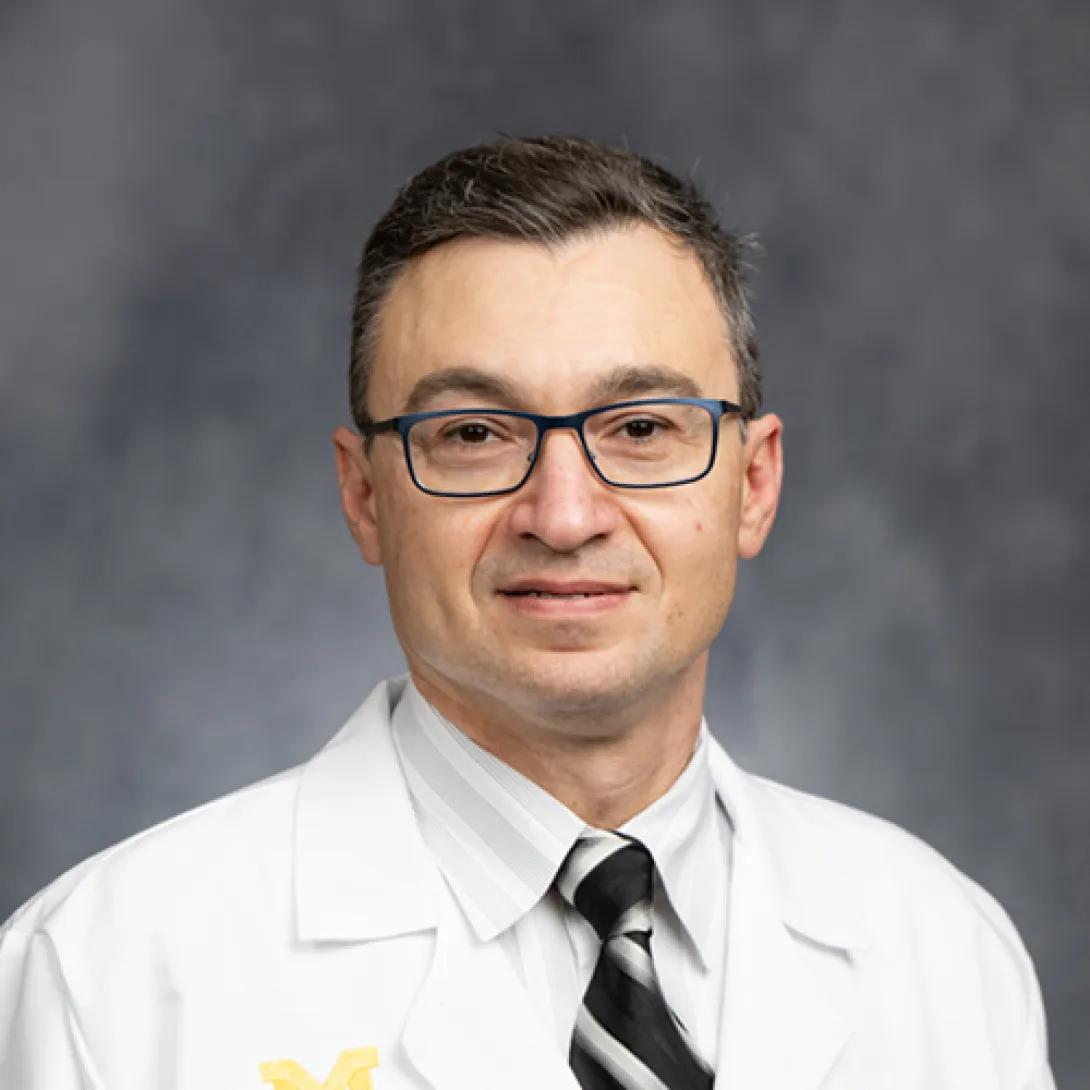
Borislav Hristov, MD
Clinical Assistant Professor
Radiation Oncology
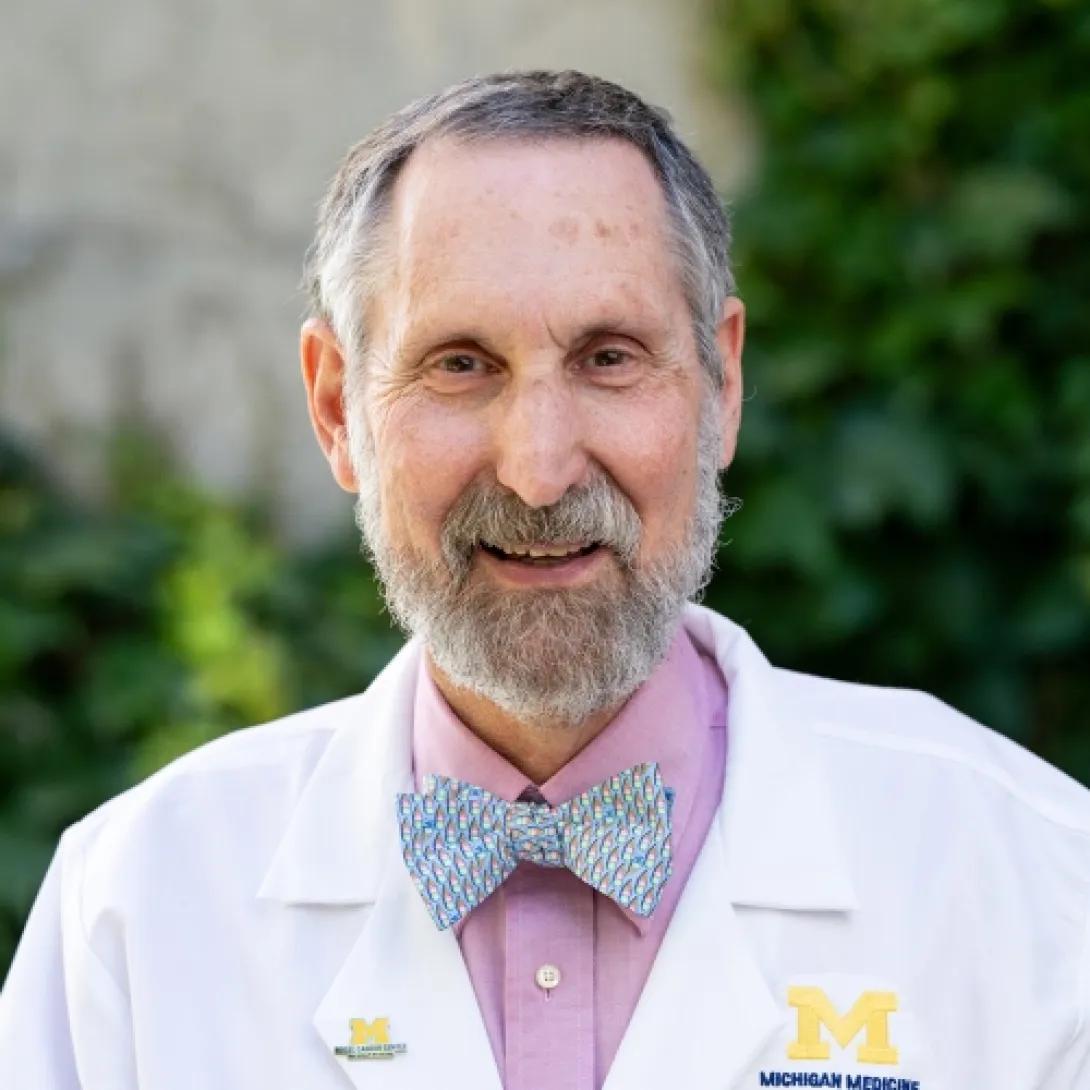
Theodore S Lawrence, MD, PhD
Professor
Radiation Oncology, Medical Oncology, Internal Medicine
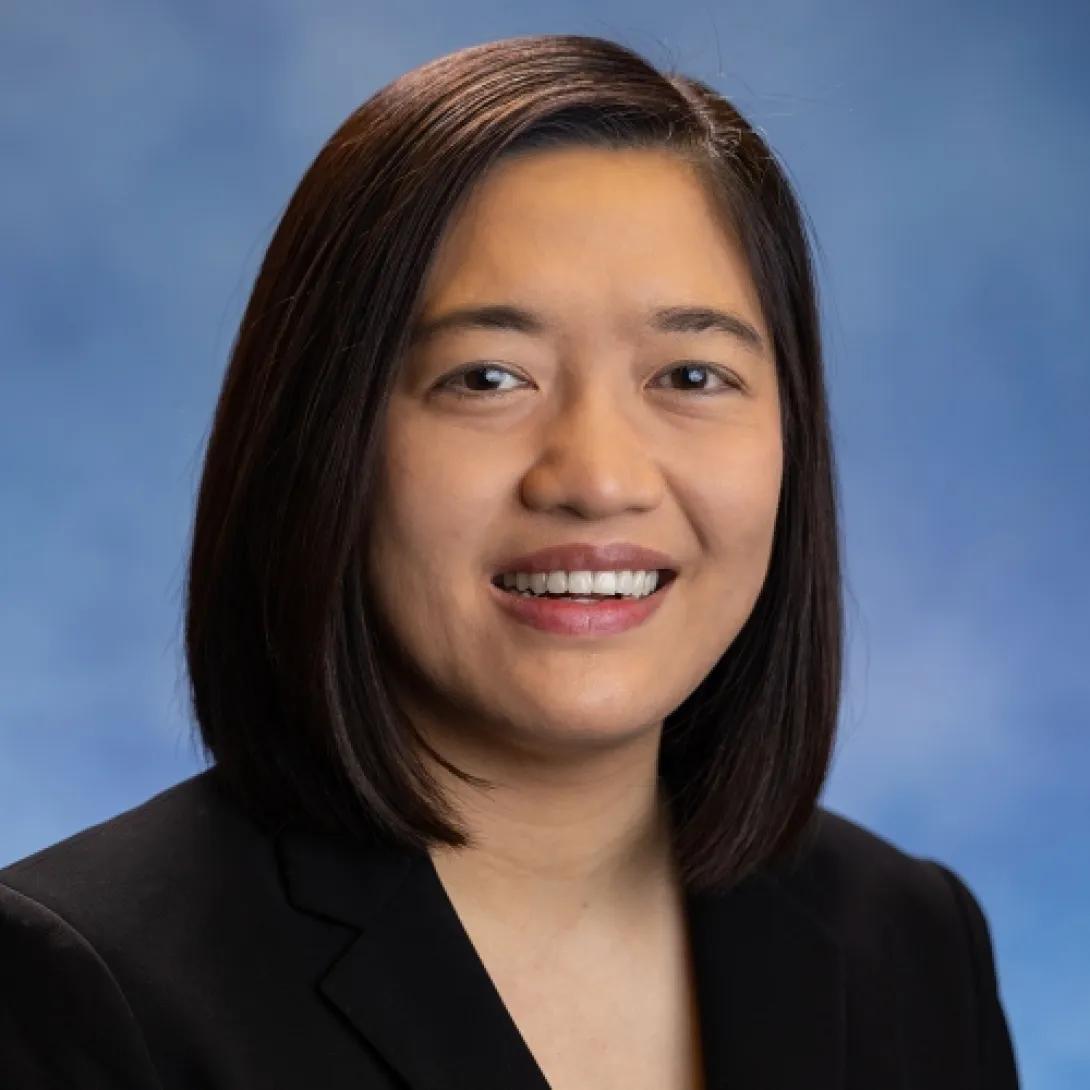
Alisa Likhitsup, MD, MPH
Clinical Associate Professor
Gastroenterology, Internal Medicine, Transplant Hepatology
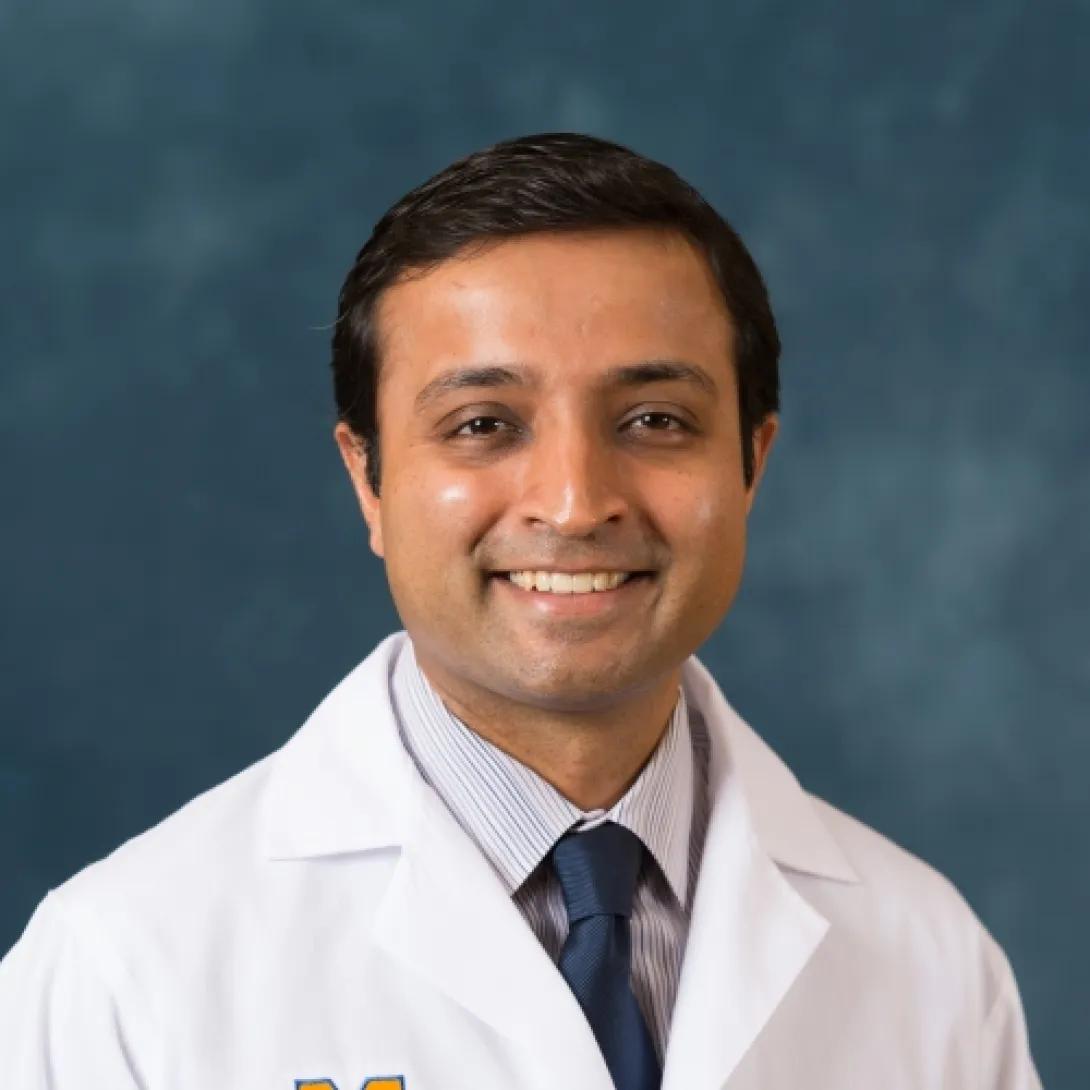
Neehar Parikh, MD, MS
Associate Professor
Gastroenterology, Internal Medicine, Transplant Hepatology

Nataliya Razumilava, MD
Associate Professor
Gastroenterology, Internal Medicine, Transplant Hepatology

Vaibhav Sahai, MBBS, MS
Associate Professor
Medical Oncology, Hematology, Internal Medicine

Providers
Ashleigh Nora Gamalski, PA-C
Physician Assistant
Physician Assistant
News & Stories
Diagnosed with pancreatic cancer: Now what?
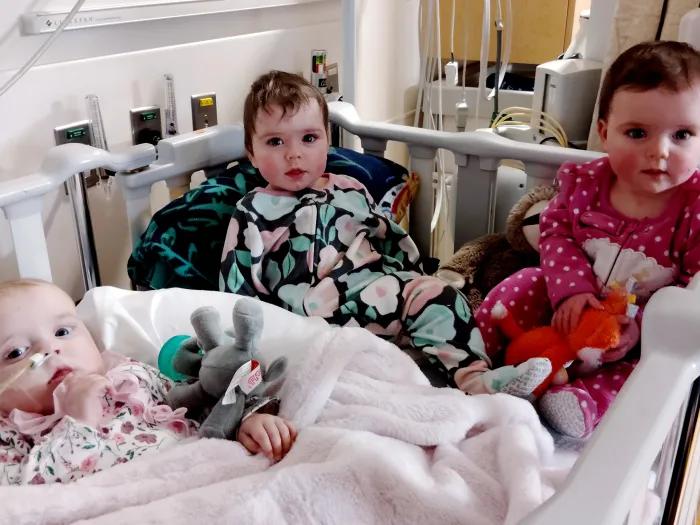
Rare infant triplet overcomes one-in-a-million type of liver cancer
Understanding Prostate Biopsy
Focal therapy for prostate cancer

Histotripsy stimulates the immune system to attack cancer cells outside the liver