Lymphoma
Lymphoma
What is lymphoma?
Lymphoma is cancer of the lymphatic system. The lymphatic system consists of a network of lymphatic vessels throughout the body, and whose main purpose is to fight infection by lymphocytes (a type of white blood cell) and filter lymph fluid, bacteria, viruses and other foreign substances. The lymphatic system includes your lymph nodes, bone marrow, thymus, spleen, tonsils, and lymphoid tissue in the digestive tract.
When a person develops lymphoma, their lymphocytes become abnormal cancerous cells and grow uncontrollably. This can cause your immune system to be compromised. As these cells move throughout the lymphatic system, they lodge into lymph nodes and cause them to swell. They also have the potential to cause harm to different organs in your body.
Our Approach
Your lymphoma team at U-M Health includes a dedicated and collaborative group of physicians, advanced practice providers (nurse practitioners/physician assistants), nurses, and pharmacists with specialized expertise in the care and management of patients with lymphoma.
For many patients, a local oncologist is also a critically important member of their lymphoma team, and we look forward to partnering with your local oncologist.
For many common lymphomas, standard treatments may be immediately available in your community under the direction of your local oncologist. If so, we look forward to working with your local oncologist on your behalf.
In contrast, for other lymphomas, new or investigational therapies not available locally may be in your best interest, and we look forward to exploring those options together, whenever appropriate.
Appointment Information
The Lymphoma Program offers diagnosis and treatment for those with all types of lymphoma. To make an appointment or for more information:
Healthcare professionals, please contact our M-LINE service: 800-962-3555.
Patients, please call 734-647-8902.
What are the symptoms of lymphoma?
The main symptoms of Lymphoma include:
- At least one swollen lymph node
- Fever
- Drenching night sweats
- Unexplained weight loss
Swollen lymph nodes are not usually painful, but may cause discomfort depending on where they are located. Sometimes patients may not even be aware of them, or present with any symptoms. Sometimes lymphomas located in or near different organs in the body can cause symptoms. For example, lymphomas in the stomach or intestine may cause abdominal discomfort. Lymphomas involving the brain or spinal cord may cause neurological symptoms such as confusion, numbness or weakness in the arms or legs. Lymphomas in the chest can cause cough, shortness of breath, or chest pain.
How is lymphoma diagnosed?
Common ways lymphoma may be diagnosed are:
- Lymph Node Biopsy:
Part or all of a swollen lymph node will be removed and then analyzed to determine if it is cancerous. - Bone Marrow Biopsy:
A small sample of bone marrow will be taken and analyzed to see if cancer is present. - Other Biopsy:
Another tissue sample may be removed from the body if see if cancerous cells are present.
How is lymphoma treated?
There are many different ways doctors may treat your lymphoma. The list provided contains a few of the possible treatment options, and there may be other treatments that your physician may recommend. Sometimes treatment is not needed at first. Treatment will also depend on the type of lymphoma, the stage, age, and other health problems.
- Chemotherapy:
A combination of chemicals that have a specific toxic effect upon cancer cells, usually given through infusions. - Radiation Therapy:
This involves using radiation to kill cancer cells at their site of involvement. - Immunotherapy:
These are therapies which boost or restore a patients’ immune system to fight their cancer cells - Targeted Therapy:
These are therapies directed at targets specifically found in cancer cells in order to inhibit their growth, and may be used alone or in combination with chemotherapy. - Bone Marrow Transplant:
This uses high doses of chemotherapy followed by replacement of your bone marrow with your own cells or with donor cells. This may be considered if multiple treatment options have failed previously. - Skin directed therapies for cutaneous lymphoma:
There are special skin directed therapies that may be considered for cutaneous lymphoma, including photopheresis and phototherapies, which are determined in consultation with our dermatologists.

Questions about cancer?
Contact our Cancer AnswerLine™ at 800-865-1125. You'll talk to a nurse with years of experience in cancer care.
Locations
-
Lymphoma Clinic | Rogel Cancer Center 1500 E Medical Center Dr
Floor B1 Reception A
Ann Arbor, MI 48109-5911Get Directions
Doctors

Shannon Ann Carty, MD
Associate Professor
Hematology, Medical Oncology, Internal Medicine

Kyle Clifford Cuneo, MD
Clinical Professor
Radiation Oncology

Yasmin H Karimi, MD
Clinical Associate Professor
Hematology, Internal Medicine, Medical Oncology

Theodore S Lawrence, MD, PhD
Professor
Radiation Oncology, Medical Oncology, Internal Medicine

Sami Nimer Malek, MD
Professor
Hematology, Medical Oncology, Internal Medicine

Dahlia Sano, MBCHB
Clinical Assistant Professor
Hematology

Jonathan Martin Weiss, MD
Clinical Assistant Professor
Internal Medicine, Hematology, Medical Oncology

Ryan Alan Wilcox, MD, PhD
Professor
Medical Oncology, Internal Medicine, Hematology
News & Stories

CAR T-cell Therapy

Sisters celebrate a successful bone marrow donation 15 years later
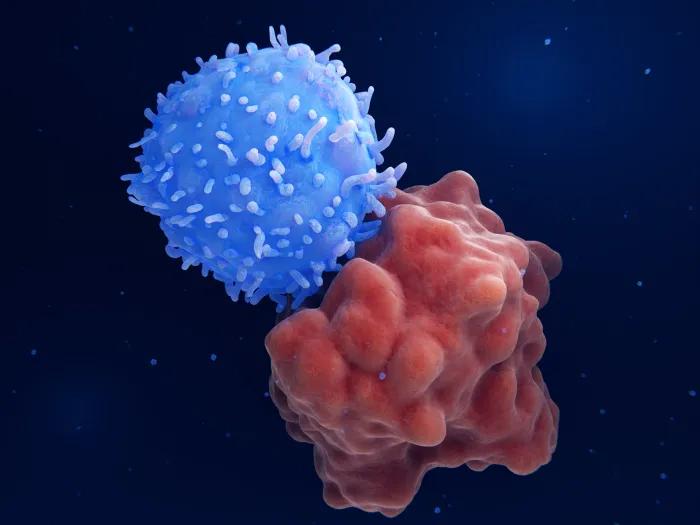
New cellular therapy trials for brain tumors

Teen with bone marrow transplant shares cancer journey online
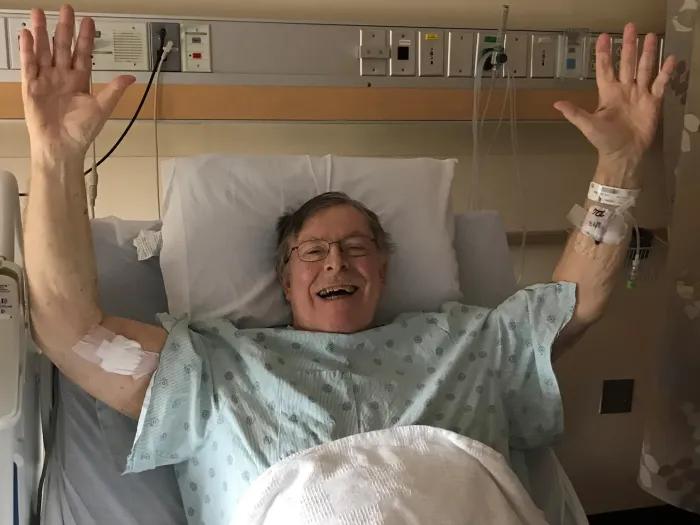
Rebounding at 87 after CNS lymphoma