
Frontotemporal Dementia
Frontotemporal Dementia
What is frontotemporal dementia?
Frontotemporal dementia (FTD) refers to a group of diseases that damage the frontal and temporal lobes of the brain, resulting in significant changes in behavior, language, and/or motor function.
FTD types can be differentiated by the areas impacted:
- Behavior: Behavioral variant frontotemporal dementia
- Language: Primary progressive aphasia (PPA), of which there are 3 types (Semantic PPA, Nonfluent/agrammatic PPA, Logopenic PPA)
- Motor Function: Amyotrophic lateral sclerosis (ALS), Corticobasal syndrome (CBS), Progressive supranuclear palsy (PSP)
FTD accounts for only about 5% of all dementia cases in the United States but is one of the most common types of dementia in younger individuals. Approximately 60% of people with FTD are 45 to 64 years old.
What are the causes of frontotemporal dementia?
The cause of FTD is unknown. Those with a family history of the disease are more likely to develop FTD. There are patterns in individuals with FTD, such as loss of neurons and abnormal amounts or forms of proteins called tau and TDP-43. Roughly one-third of FTD cases are inherited. In these individuals, FTD is usually caused by a genetic change that affects (directly or indirectly) one of the above proteins. Genetic testing can reveal an underlying mutation responsible for FTD in about 40% of patients. The diagnosis may be confirmed after death with a brain autopsy.
Appointment Information
For more information or to make an appointment, call 734-764-6831.
What are symptoms of frontotemporal dementia?
FTD usually begins with gradual changes in personality, behavior, or speech. People with FTD may also have motor difficulties similar to those with Parkinson’s disease (rigidity and slowness of movement), or amyotrophic lateral sclerosis (weakness). Memory loss is present in FTD, but less obvious than in other types of dementia. Other symptoms can include:
Other symptoms can include:
- Decreased speech
- Inability to name common objects
- Loss of motivation
- Lack of concern or sympathy for others
- Inappropriate social or sexual behavior
- Rigid, inflexible thinking
- Compulsive, repetitive behaviors
How is frontotemporal dementia diagnosed?
Because FTD can cause changes in personality and behavior, it may be misdiagnosed as a psychiatric disorder. FTD can also be confused for Alzheimer’s disease and Parkinson’s disease. An accurate diagnosis is important and should be made after a thorough evaluation that includes:
- A discussion of symptoms
- Review of personal and family medical history
- Tests of thinking, speaking, and behavior
- A physical exam
Blood tests and brain scans are often performed, as well as genetic tests and sometimes spinal fluid testing. MRI or CT scans may show abnormalities in the frontal or temporal lobes of the brain. PET or SPECT scans may be helpful in distinguishing FTD from other causes of dementia.
What is the prognosis of frontotemporal dementia?
FTD worsens over time and impairs the individual’s ability to live and function independently. Although there is no cure for FTD, there are medications that can help with some of the behavioral symptoms and improve quality of life. Speech therapy can be helpful for language difficulties. A tailored program that includes physical and occupational therapy as well as medications can improve symptoms associated with motor presentations of FTD. With an accurate diagnosis, unnecessary medications can be removed that might worsen the disease symptoms.
Patient Resources
More information about frontotemporal dementia can be found at:
- The Alzheimer’s Association or by calling (800) 272-3900
- The National Institute on Aging or by calling (800) 438-4380
- The Association for Frontotemporal Degeneration or (866) 507-7222
Locations
-
Geriatric Neurology Clinic | East Ann Arbor Health & Geriatrics Center 4260 Plymouth Rd
Level 1
Ann Arbor, MI 48109-2700Get Directions
Doctors

Sami J Barmada, MD, PhD
Professor
Neurology
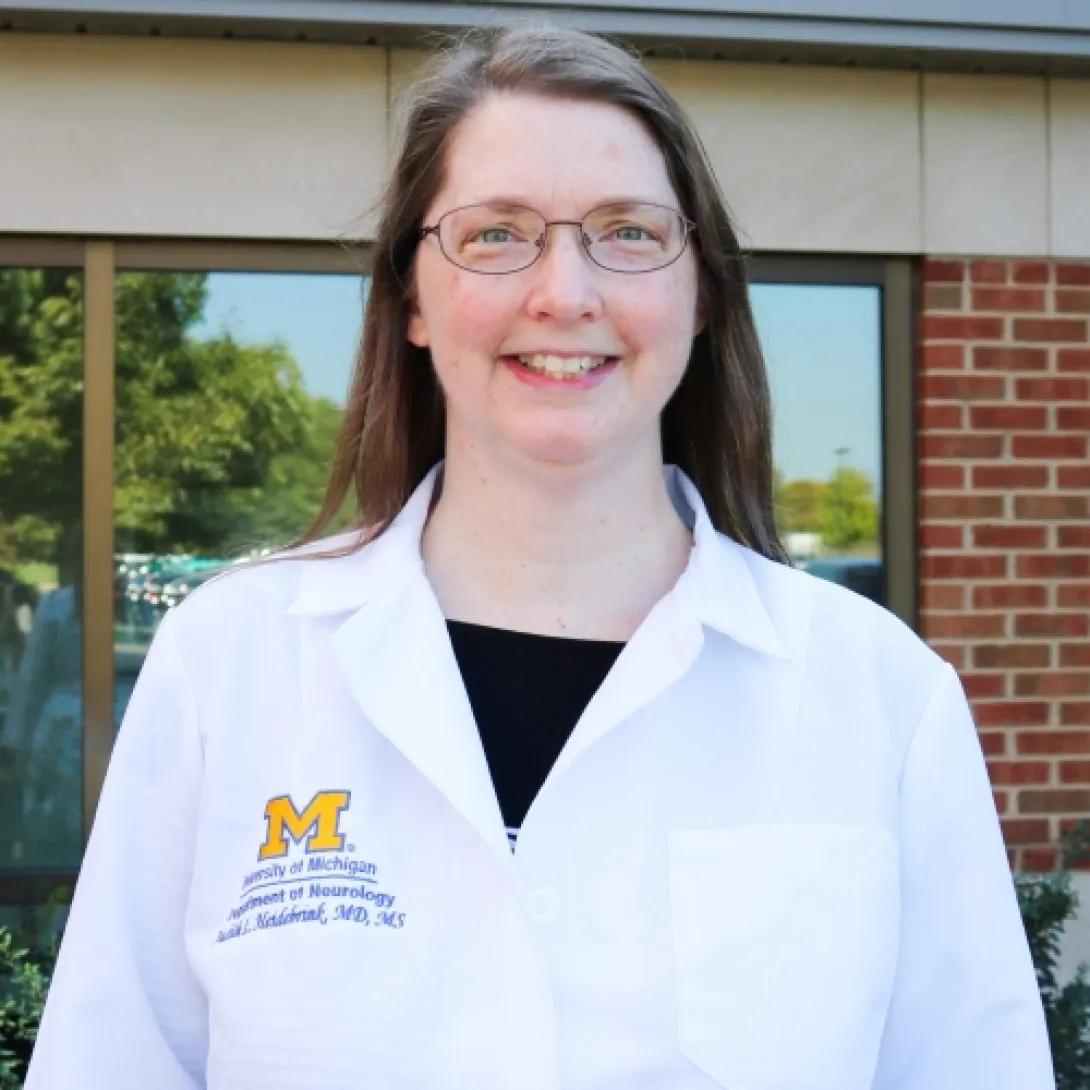
Judith Lynn Heidebrink, MD
Clinical Professor
Neurology

Steven Gregory MacDonald, MD
Clinical Assistant Professor
Neurology

Henry Lauris Paulson, MD, PhD
Professor
Neurology

Tanav Anand Popli, MD
Clinical Instructor
Neurology
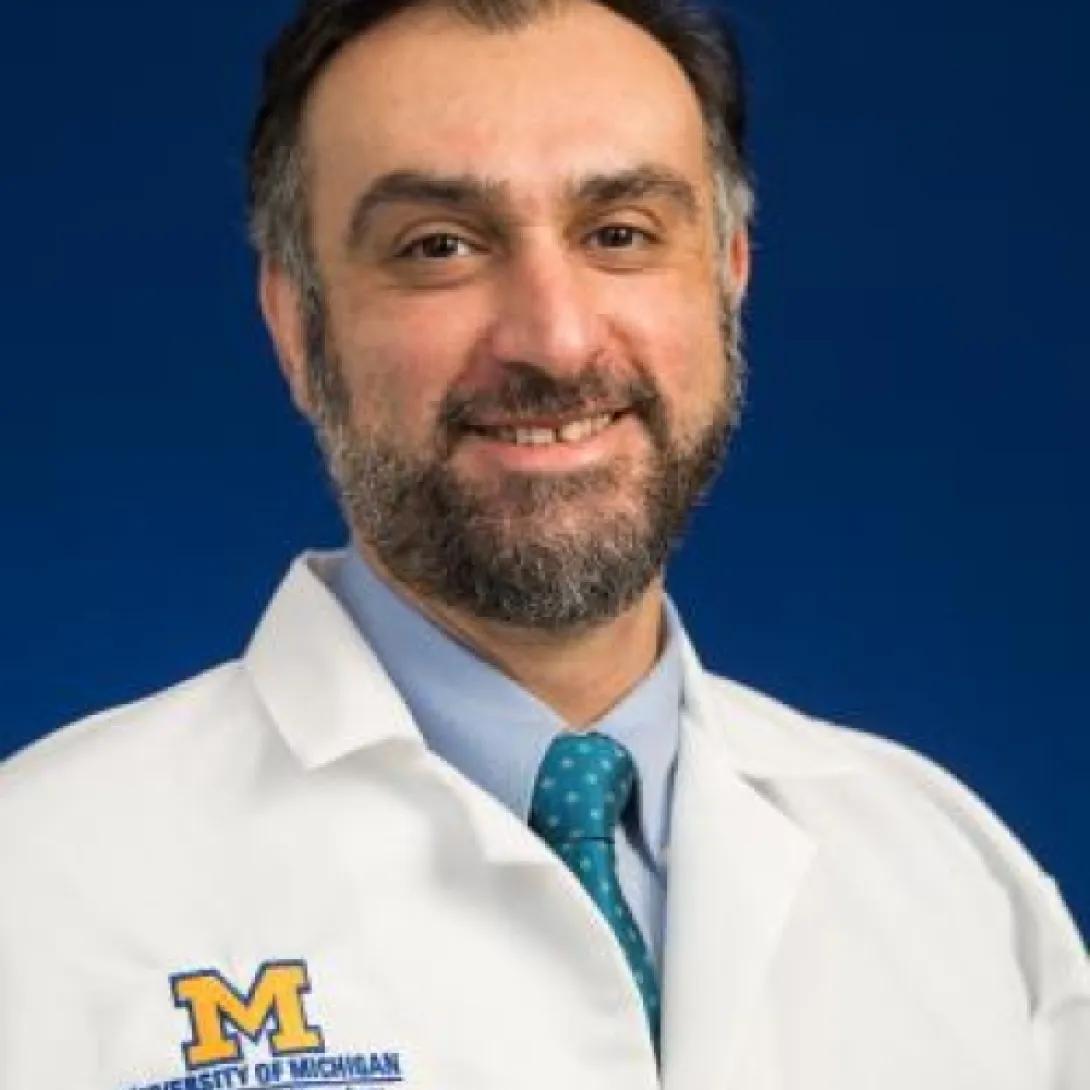
Navid Seraji-Bozorgzad, MD
Clinical Associate Professor
Neurology, Internal Medicine
News & Stories
Antipsychotic Use in Nursing Homes: Balancing Medication Safety, Policy, and Dementia Care
Can Your Voice Reveal Early Signs of Alzheimer’s?

A pediatric epilepsy fundraiser that changes lives
Is the United States Lagging Behind Europe in Memory Improvement?
Engineered nanoparticles sensitize gliomas to radiotherapy
