
News & Stories from the Kellogg Eye Center
Insights, Discoveries & Patient Stories

Health Lab
Commentary: Global health research makes America richer and healthier
Commentary about how global health research can produce treatments, knowledge and economic benefits that advantage wealthy countries in unexpected ways.

Health Lab
Nerf gun accident causes retinal detachment in pediatric patient
An 8-year-old boy suffered a retinal detachment after a Nerf dart injury, requiring surgery at University of Michigan Health’s Kellogg Eye Center. Learn the warning signs of toy gun eye injuries and why protective eyewear is essential for children.

Health Lab
Mediterranean diet can slow progression of age-related macular degeneration
Fish, vegetables and whole grains in the Mediterranean diet can help reduce progression of age-related macular degeneration and support long term eye health.
Health Lab
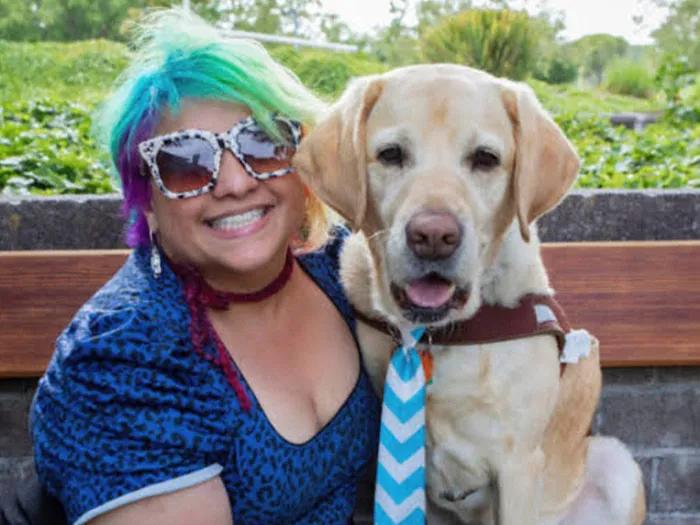
Patient with retinitis pigmentosa receives new hope at Kellogg’s low vision clinic
Retinitis pigmentosa can lead to vision loss, but DNA testing, inherited retinal disease research and AI glasses offer new hope.

Health Lab
Rare genetic eye disease treated with gene therapy helps 2 children see again
Mia and Niko Spicer were diagnosed with Leber’s congenital amaurosis type 2, a rare genetic eye disease, and were treated with the gene therapy Luxturna to improve their vision.
Health Lab
A new clue for aging eyes
Struggling to read more than six lines on an eye chart with fading letters may serve as a visual “yellow light” for older adults—raising red flags that routine exams sometimes fail to detect.
Health Lab
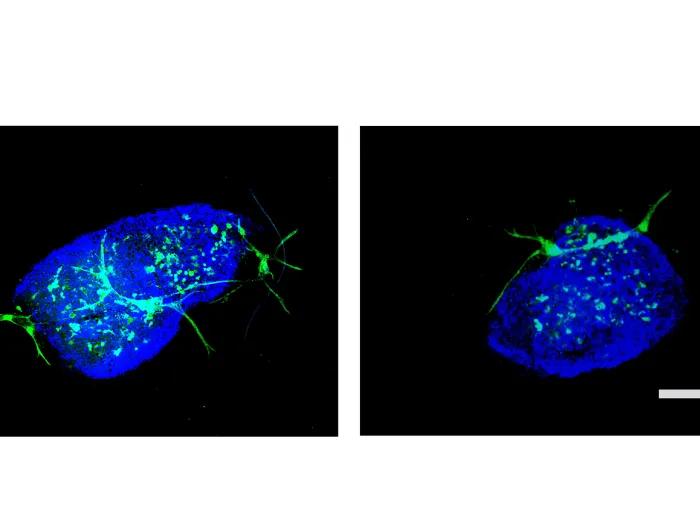
Uncovering how occludin protein maintains blood-brain and blood-retinal barriers
University of Michigan researchers uncover the role of occludin, a protein that regulates blood-brain and blood-retinal barriers, offering new insight into diabetic retinopathy.
Health Lab
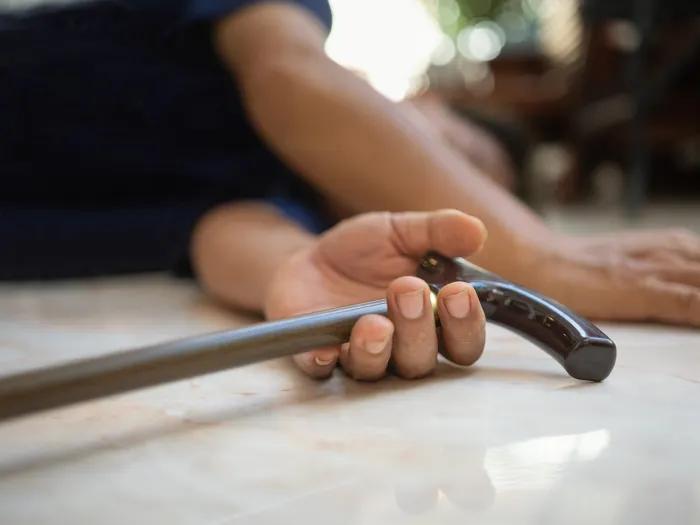
Poor vision plus unsafe homes drive higher fall risk in seniors
Ways to reduce falls within your home per a recent study with Michigan Medicine and the National Eye Institute.

Health Lab
Doctors restore patient’s vision with progressive eye disease
Michael Budd was diagnosed with Fuchs’ dystrophy and underwent surgery at Kellogg Eye Center, which fixed his vision issues.
Health Lab
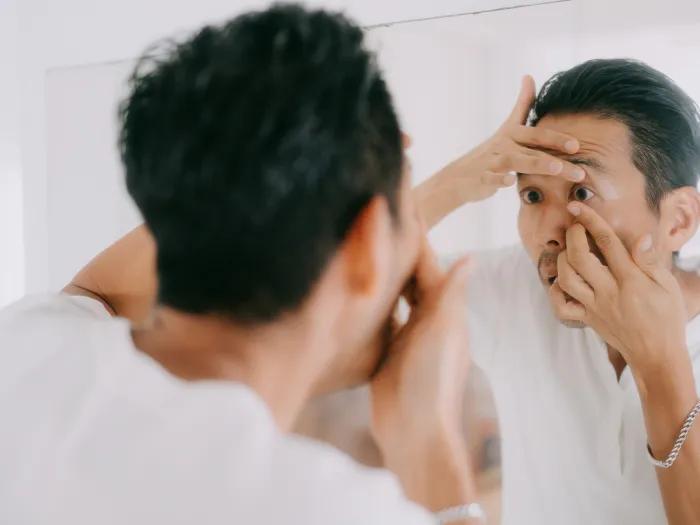
Improving eye comfort in patients who wear contact lenses
Common difficulties include persistent discomfort, dry eyes, small bumps on the eye surface called corneal infiltrates and inflammation of the upper eyelid. Karen DeLoss, clinical associate professor of ophthalmology and visual sciences at U-M Health discusses how contact lenses work, types of lenses available and treatment options for patients who struggle with wearing them.
Health Lab
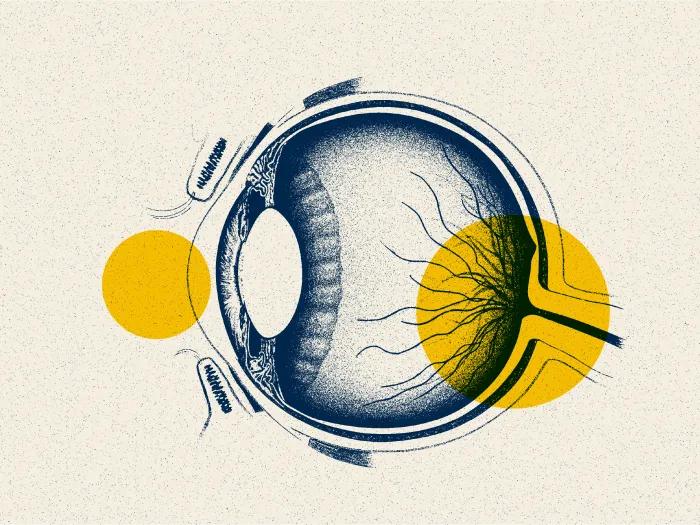
RNA modifications control how stem cells develop into retinal cells
Researchers from the University of Michigan investigated which signals control the development of stem cells into retinal cells. Their findings could help inform future research into creating cells for transplantation and screening promising drugs for retinal diseases.
Health Lab
Cataract surgery restores 20/20 vision to 78-year-old patient who was also nearsighted
Linda Corbett had cataract surgery and lens replacement to fix her myopia or nearsightedness. She now has 20/20 vision.
