
Multidisciplinary Lymphoma Program
Multidisciplinary Lymphoma Program
The Lymphoma Program at the Rogel Cancer Center offers comprehensive and cutting-edge care for patients with all types of lymphoma. We have a dedicated team which includes oncologists, pathologists, nurse practitioners, and clinical trial coordinators who specialize in lymphoma. This collaboration allows the team to offer personalized treatment plans that may involve chemotherapy, targeted therapies, immunotherapy, or bone marrow transplants, depending on the type and stage of lymphoma.
Our Approach
Your lymphoma team at U-M Health includes a dedicated and collaborative group of physicians, advanced practice providers (nurse practitioners/physician assistants), nurses, and pharmacists with specialized expertise in the care and management of patients with lymphoma.
For many patients, a local oncologist is also a critically important member of their lymphoma team, and we look forward to partnering with your local oncologist.
For many common lymphomas, standard treatments may be immediately available in your community under the direction of your local oncologist. If so, we look forward to working with your local oncologist on your behalf.
In contrast, for other lymphomas, new or investigational therapies not available locally may be in your best interest, and we look forward to exploring those options together, whenever appropriate.
Who We Treat
Our experienced team of oncologist, nurses, pathologists and others treat all forms of lymphoma, including (but not limited to):
- Hodgkin
- Non-Hodgkin
- Cutaneous
- Marginal Zone
- Follicular
- Diffuse Large B-Cell
- Mantle Cell, Burkitt's
- T-Cell
- HIV+
- Adult T Cell
Services
There are two main types of lymphomas:
Hodgkin Lymphoma:
This is a B cell lymphoma that arises from a Reed-Sternberg cell (named after the doctors who first discovered this cell). Your doctors determine whether your lymphoma is a Hodgkin or Non-Hodgkin Lymphoma based different tests and what your cancer cells look like under the microscope. Hodgkin lymphomas have different therapy options than Non-Hodgkin Lymphomas.
Non-Hodgkin Lymphoma:
This type comprises of all other lymphomas that are not Hodgkin lymphomas, and is the most common type. There are multiple subsets of Non-Hodgkin Lymphoma which include:
- Marginal Zone Lymphoma
- Follicular Lymphoma
- Small Lymphocytic Lymphoma
- Diffuse Large B-Cell Lymphoma
- Mantle Cell Lymphoma
- Burkitt’s Lymphoma
- T Cell Lymphoma
- HIV+ Lymphoma
- Adult T Cell Leukemia Lymphoma
- Cutaneous Lymphoma
We're fortunate to work with a team of pathologists with expertise in lymphoma diagnosis and classification. This is critically important, as approximately 25-33% of lymphoma biopsies will be reclassified upon expert pathology review. At times, subtle changes in lymphoma classification following expert pathology review do not influence treatment decisions. However, many times, they do.
Recognizing that treatment decisions are dependent upon an accurate diagnosis, we routinely ensure that your biopsy material is retrieved and reviewed by a pathologist with expertise in this area. For this reason, you may notice that your first visit is a few weeks away. If a biopsy has not yet been obtained, then we may recommend that your physicians arrange an appropriate biopsy prior to your initial visit. On your initial clinic visit, you may have already undergone tests to diagnose your lymphoma, or you may need additional studies to confirm a diagnosis or complete staging. Common ways lymphoma may be diagnosed are:
- Lymph Node Biopsy: Part or all of a swollen lymph node will be removed and then analyzed to determine if it is cancerous.
- Bone Marrow Biopsy: A small sample of bone marrow will be taken and analyzed to see if cancer is present.
- Other Biopsy: Another tissue sample may be removed from the body if see if cancerous cells are present.
There are many different ways doctors may treat your lymphoma. The list provided contains a few of the possible treatment options, and there may be other treatments that your physician may recommend. Sometimes treatment is not needed at first. Treatment will also depend on the type of lymphoma, the stage, age, and other health problems.
- Chemotherapy: A combination of chemicals that have a specific toxic effect upon cancer cells, usually given through infusions.
- Radiation Therapy: This involves using radiation to kill cancer cells at their site of involvement.
- Immunotherapy: These are therapies which boost or restore a patients’ immune system to fight their cancer cells
- Targeted Therapy: These are therapies directed at targets specifically found in cancer cells in order to inhibit their growth, and may be used alone or in combination with chemotherapy.
- Bone Marrow Transplant: This uses high doses of chemotherapy followed by replacement of your bone marrow with your own cells or with donor cells. This may be considered if multiple treatment options have failed previously.
- Skin directed therapies for cutaneous lymphoma: There are special skin directed therapies that may be considered for cutaneous lymphoma, including photopheresis and phototherapies, which are determined in consultation with our dermatologists.

Learn about clinical trials
Discover how clinical trials at the Rogel Cancer Center are driving the future of cancer care. Our researchers work every day to find better ways to detect, treat, prevent cancer, and clinical trials are a key part of that progress.
Appointment Information
Patients: Please call 734-647-8902 (Monday-Friday, 8am-5pm EST) or visit the patient portal.
Healthcare professionals: Please call our M-Line service: 800-962-3555.
Patient Resources
The following groups have good information regarding local support groups, resources, and also provide more patient information about lymphomas.
There is a vast amount of information on the internet, but these are good websites we recommend to our patients to read more about lymphomas.
- Patient information about lymphomas from the American Society of Hematology
- Patient information about lymphomas from the American Society of Clinical Oncology (cancer.net)
- National Comprehensive Cancer Network (NCCN) Guidelines for Patients
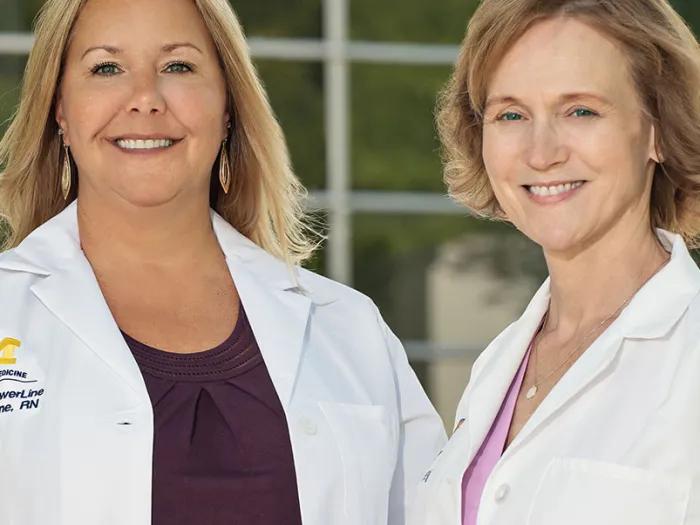
Questions about cancer?
Contact our Cancer AnswerLine™ at 800-865-1125. You'll talk to a nurse with years of experience in cancer care.
Locations
-
Lymphoma Clinic | Rogel Cancer Center 1500 E Medical Center Dr
Floor B1 Reception A
Ann Arbor, MI 48109-5911Get Directions
Doctors
Shannon Ann Carty, MD
Associate Professor
Hematology, Medical Oncology, Internal Medicine

Kyle Clifford Cuneo, MD
Clinical Professor
Radiation Oncology
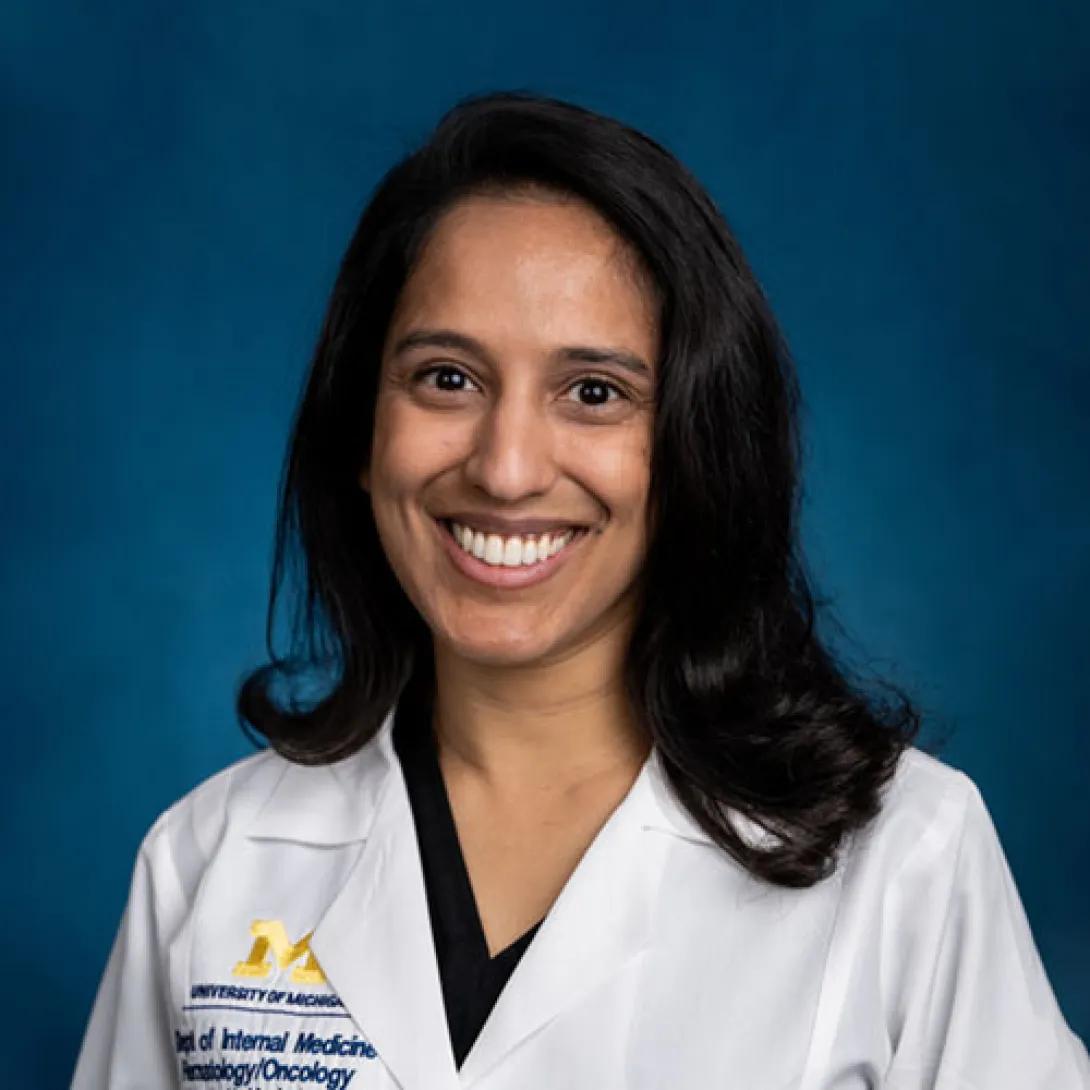
Yasmin H Karimi, MD
Clinical Associate Professor
Hematology, Internal Medicine, Medical Oncology

Theodore S Lawrence, MD, PhD
Professor
Radiation Oncology, Medical Oncology, Internal Medicine

Sami Nimer Malek, MD
Professor
Hematology, Medical Oncology, Internal Medicine
Dahlia Sano, MBCHB
Clinical Assistant Professor
Hematology

Jonathan Martin Weiss, MD
Clinical Assistant Professor
Internal Medicine, Hematology, Medical Oncology
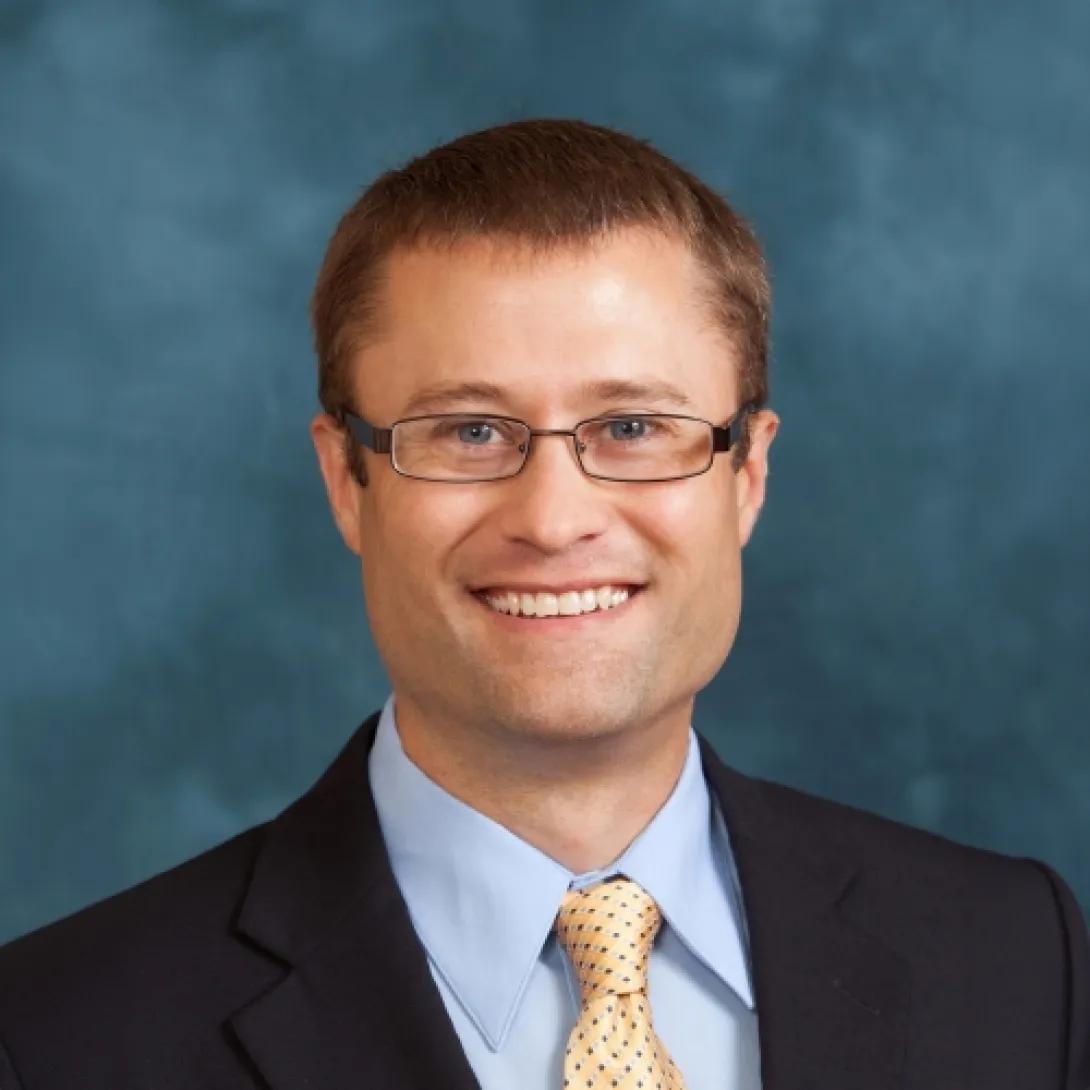
Ryan Alan Wilcox, MD, PhD
Professor
Medical Oncology, Internal Medicine, Hematology
