Pouchoscopy
Pouchoscopy
What is a pouchoscopy?
A pouchoscopy is an endoscopic examination of the pouch. It is a simple, recommended procedure that is performed with a slim, flexible tube called an endoscope. This tube has a camera at the tip to provide a close-up view of the inside of the pouch. Biopsies or polyp removal may be performed during this procedure. Pouchoscopy can be performed with or without sedation, as the endoscope only passes a short distance into the bowel. The procedure requires some bowel cleansing for adequate visualization.
Patients with inflammatory bowel disease or familial polyposis syndromes require periodic examination of the pouch.
Appointment Information
To make an appointment to be evaluated for a GI procedure, call 888-229-7408.
How is a pouchoscopy performed?
A small flexible endoscope is passed through the anus into the pouch to allow visualization of the pouch lining. A small bowel pouch is created surgically to serve as a stool reservoir for people whose large bowel has been completely removed. The pouch is usually located just above the anus, although rarely, it is near an ileostomy.
What should I expect with a pouchoscopy?
Some bowel cleansing is needed before the procedure. If you want sedation for the procedure, you will need to have a driver with you and you will need that day off work. If you do not want sedation you may return to normal activities immediately. If a biopsy or polypectomy is performed, you will receive the results within the next two weeks.
What are the risks of a pouchoscopy?
Complications are rare, but are related to biopsy or polyp removal performed during the procedure, or due to the sedation, if it is used.
News & Stories
Identifying avoidant, restrictive food intake disorder in gastroenterology patients

As probiotic use surges, microbiome-supportive food consumption stagnates

How gastroenterology nutrition therapy has evolved
IBS treatment response predicted by gut microbiome in new study
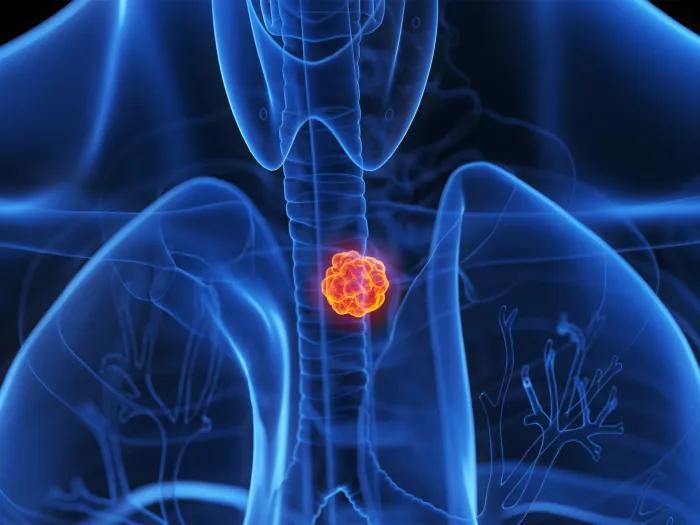
Understanding esophageal cancer