Photofacial - Intense Pulsed Light (IPL) Treatment
Photofacial - Intense Pulsed Light (IPL) Treatment
What is Photofacial - Intense Pulsed Light (IPL) treatment?
Photofacials are a safe and gentle alternative that tend to produce gradual improvements over a brief series of treatments. Intense pulsed light (IPL) devices are used to improve the appearance of the skin by gradually reducing unwanted pigmentation and redness (vascularity) through a series of non-invasive treatments.
Our Approach
IPL delivers light energy in short, gentle, adjustable pulses that minimize the risks of bruising or other problems while targeting unwanted skin pigment and redness. The device produces a broad band of light that is absorbed by a variety of color imperfections in the skin and helps encourage the body to remove them, resulting in skin that is more uniform and youthful appearing.
Am I a candidate for photofacial-IPL treatment?
This is an ideal option for those whose busy lives will not allow for significant “down time”. The treatment is also an excellent choice for those with healthy looking skin who simply want to maintain their appearance with a minimal risk treatment that produces nice results.
Appointment Information
Treatment at U-M Health is offered by two expert clinical teams:
What can I expect with photofacial-IPL treatment?
Photofacials are a safe and gentle alternative that tend to produce gradual improvements over a brief series of treatments. Some patients also experience an improvement in overall skin tone and texture.
What are the risks of a photofacial - IPL?
IPL delivers light energy in short, gentle, adjustable pulses that minimize the risks of bruising or other problems while targeting unwanted skin pigment and redness.
What are the benefits of a photofacial-IPL?
Photofacials are a safe and gentle alternative that tend to produce gradual improvements over a brief series of treatments. Intense pulsed light (IPL) devices are used to improve the appearance of the skin by gradually reducing unwanted pigmentation and redness (vascularity) through a series of non-invasive treatments.
Some patients also experience an improvement in overall skin tone and texture. The device produces a broad band of light that is absorbed by a variety of color imperfections in the skin and helps encourage the body to remove them, resulting in skin that is more uniform and youthful appearing.
Locations
-
Cosmetic Dermatology & Laser Center | Taubman Center 1500 E Medical Center Dr
Floor 1 Reception B
Ann Arbor, MI 48109-5314Get Directions -
Facial Cosmetic Surgery Clinic | Brighton Center for Specialty Care 7500 Challis Rd
Entrance 1, Level 1
Brighton, MI 48116-9416Get Directions
Doctors
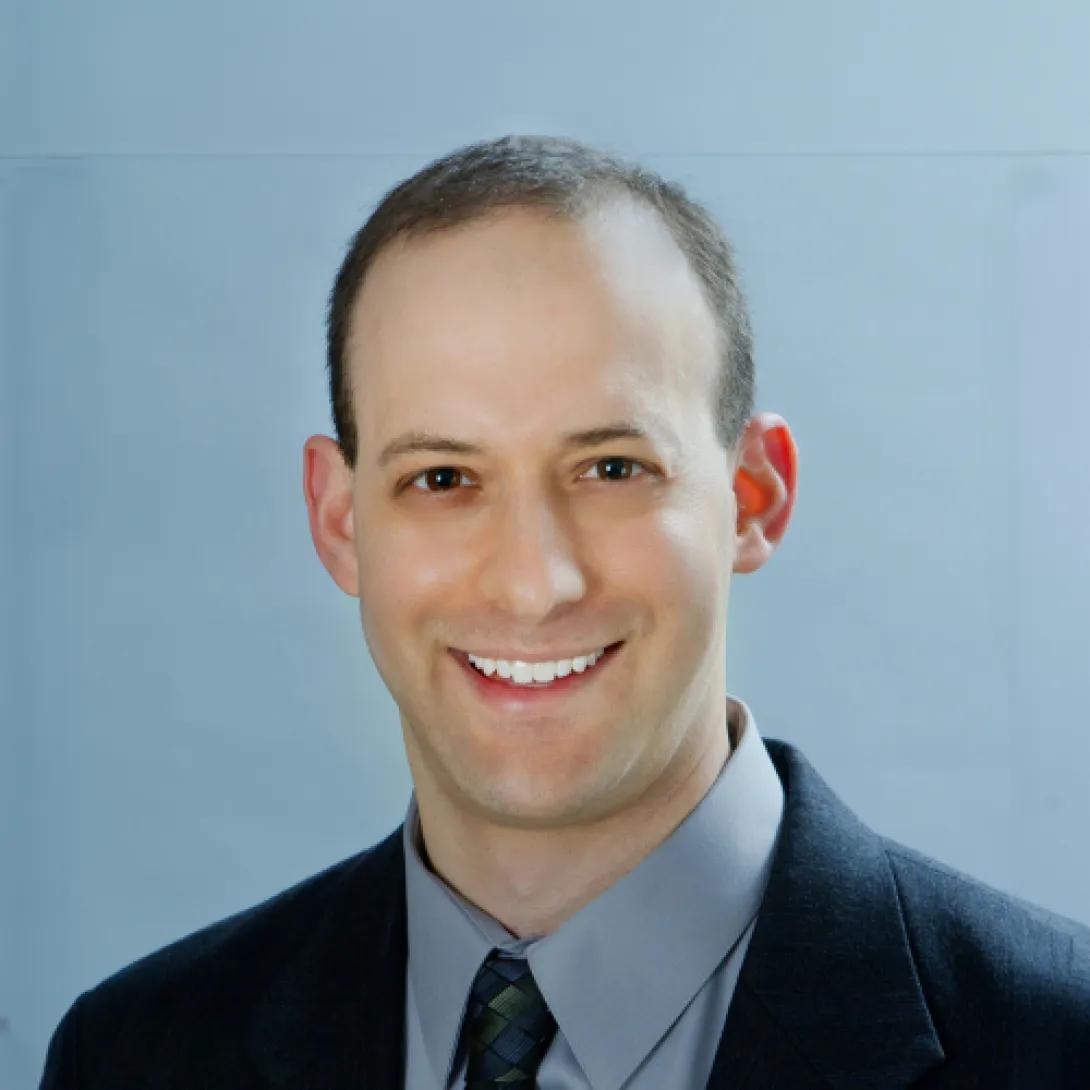
Michael Joel Brenner, MD, FACS
Professor
Facial Plastic Surgery, Otolaryngology, Sleep Medicine
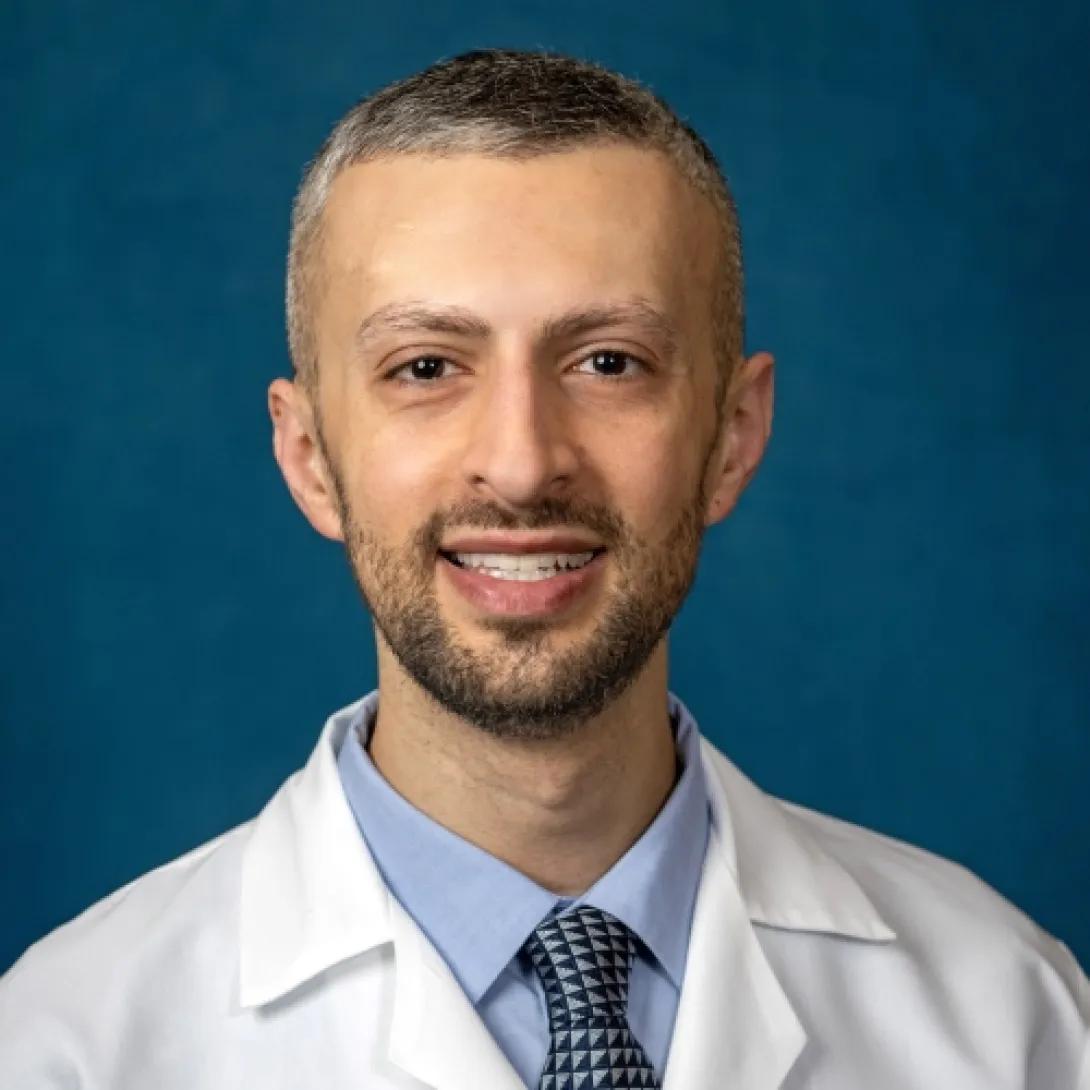
Milad Jalal Eshaq, MD
Clinical Associate Professor
MOHS Micrographic Surgery, Dermatology
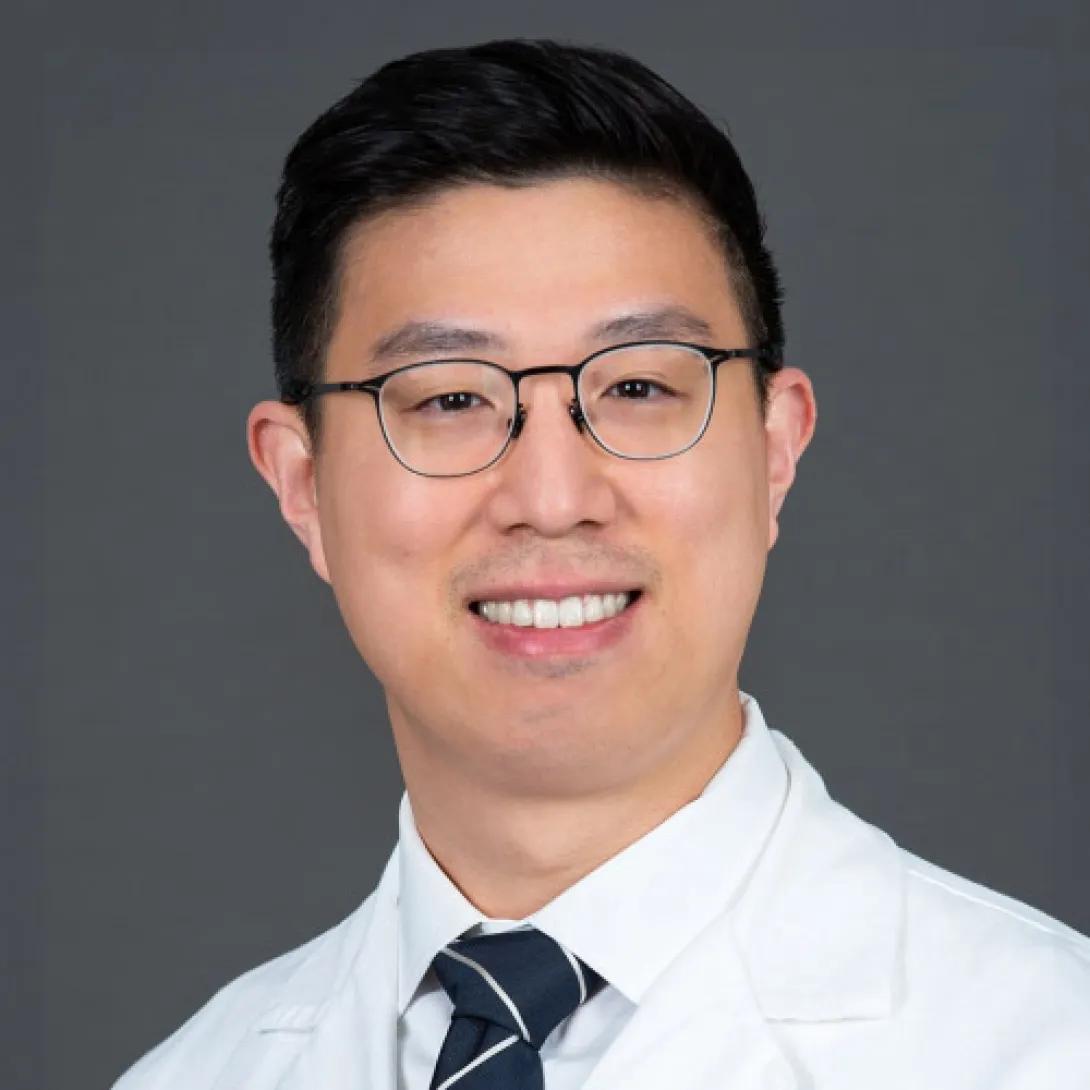
Jeffrey Tan Gu, MD
Clinical Assistant Professor
Otolaryngology, Plastic Surgery-Head & Neck
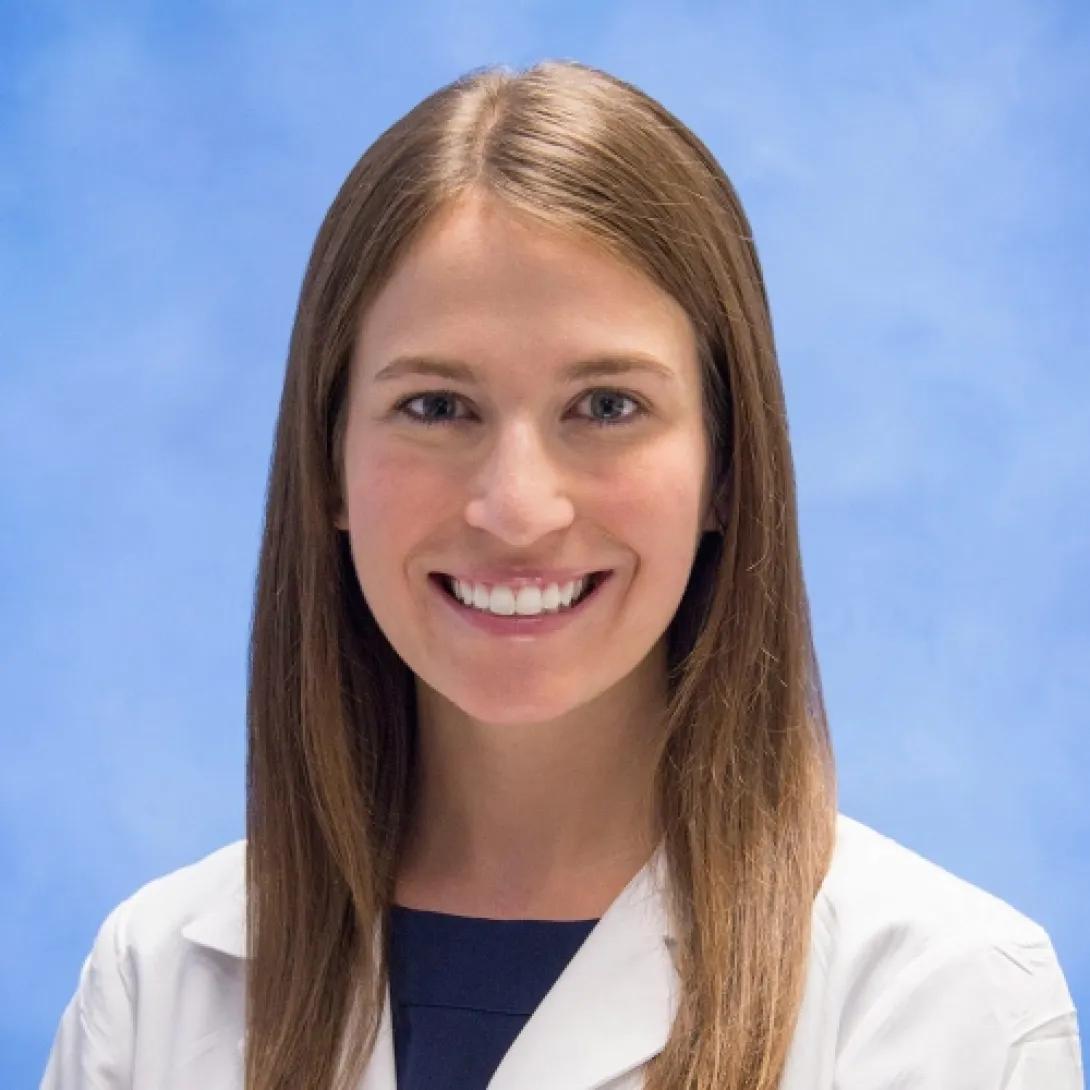
Jennifer Brescoll Mancuso, MD
Clinical Associate Professor
Pediatric Dermatology, Dermatology

Jeffrey Scott Moyer, MD
Professor
Facial Plastic Surgery, Otolaryngology

Jeffrey Scott Orringer, MD
Clinical Professor
Dermatology

Shannon Flynn Rudy, MD
Clinical Assistant Professor
Facial Plastic Surgery, Otolaryngology

Chaz Luke Stucken, MD
Clinical Associate Professor
Facial Plastic Surgery, Otolaryngology, Plastic Surgery-Head & Neck
News & Stories

Researchers identify a potential “Achilles heel” of psoriasis
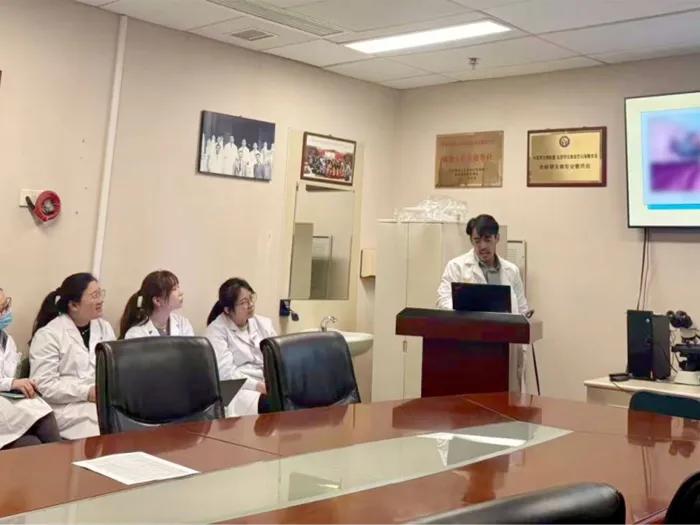
Dermatology resident’s China rotation highlights value of global training
New study hints at cause of pachyonychia congenita and a long-awaited potential treatment
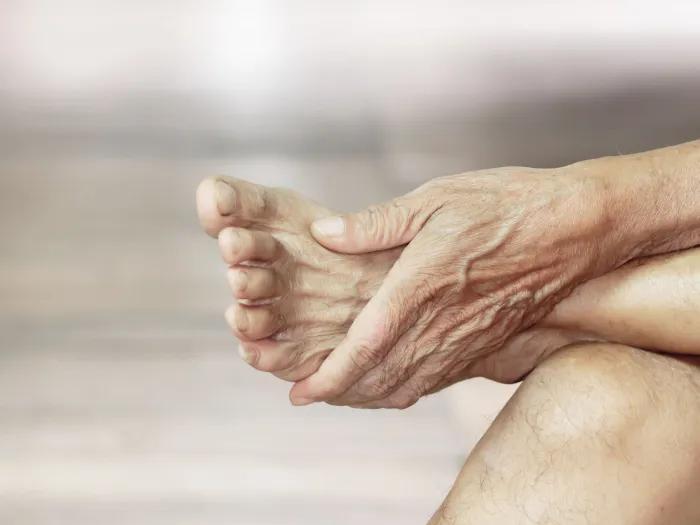
New study hints at the cause of a painful skin condition—and at a long-awaited potential treatment
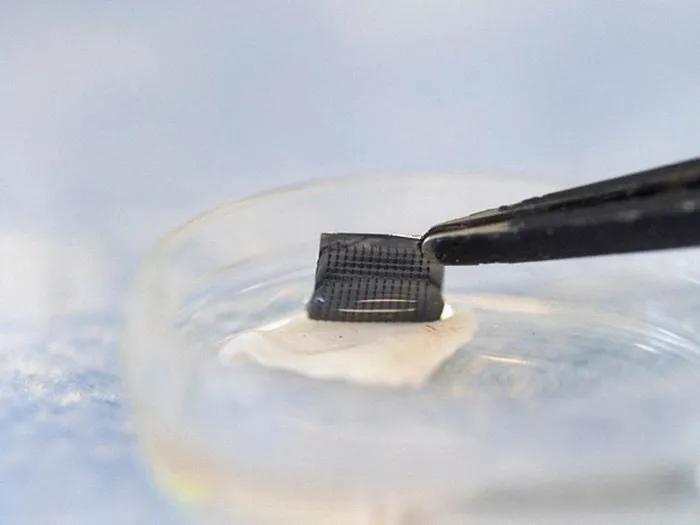
At-home melanoma testing: Skin patch test works in mice