ECMO at Michigan
History & Leadership
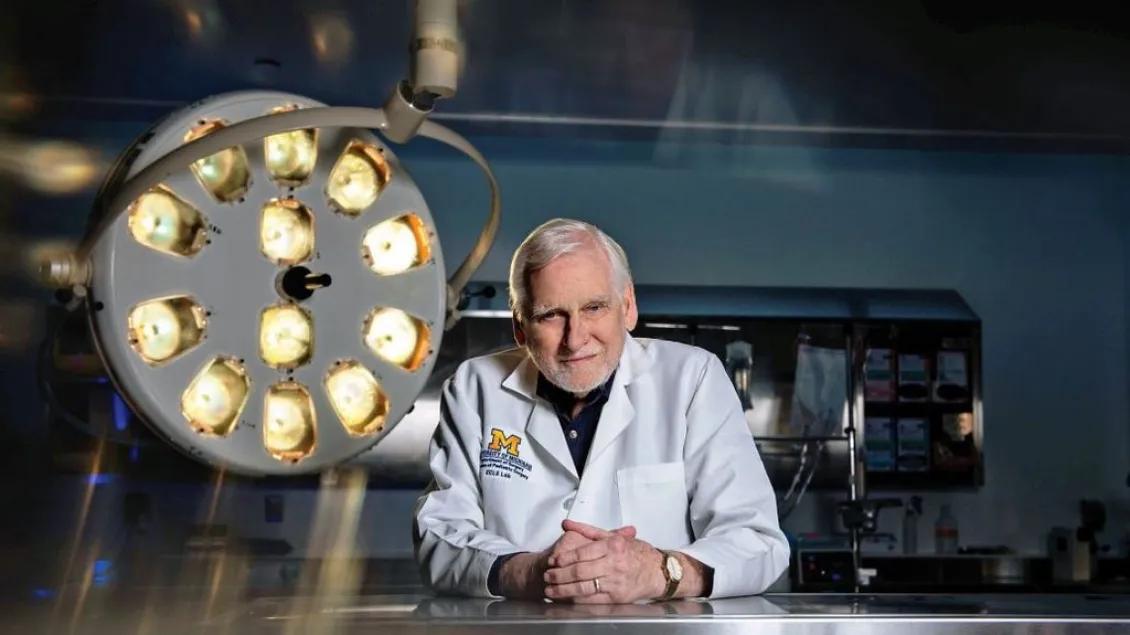
Our program was established in 1980 by one of the founding fathers of ECMO, Dr. Robert H. Bartlett.
Our History
The Extracorporeal Membrane Oxygenation (ECMO) Program at U-M Health is internationally recognized as a pioneering and leading center in the field of extracorporeal life support. Established in 1980 by Dr. Robert H. Bartlett—one of the founding fathers of ECMO—the program has grown into one of the most experienced and comprehensive ECMO centers in the world.
Legacy & Leadership
The program began with just eight patients in its first year and has since treated over 3,000 individuals, both pediatric and adults. It is housed within U-M Health, a large academic medical center with extensive ICU capacity, including adult, pediatric, and neonatal units. The ECMO team is staffed 24/7 by a dedicated blend of Registered Nurses and Licensed Respiratory Therapists, ensuring continuous, expert-level care.
The ECMO Program continues to set the global standard in extracorporeal life support through clinical excellence, innovation, and education. The program was recognized in 2025 as a Platinum Center of Excellence, affirming its commitment to quality, safety, and continuous improvement in ECMO care.
Clinical Excellence
ECMO at Michigan provides advanced cardiac and respiratory support for patients whose heart and lungs are unable to sustain life on their own. The technology functions similarly to a heart-lung bypass machine, allowing vital organs to rest and recover while maintaining oxygenation and circulation. The program supports patients across a wide spectrum of conditions—from post-surgical recovery to severe respiratory failure—and includes rapid cardiopulmonary resuscitation (ECPR) capabilities.
Innovation & Education Leadership
The ECMO Program is not only a clinical powerhouse but also a hub for education and research. It frequently hosts international visitors for training and collaborates with other ECMO centers across the U.S. The program is also supported by U-M Health’s Survival Flight service, which is equipped to transport patients on ECMO safely from referring institutions.
The Comprehensive Adult ECMO Course is one of the few globally endorsed by ELSO for both Step 1 and Step 2 of the ECMO Specialist certification pathway. This dual endorsement positions the program as a leader in ECMO education and workforce development.
Commitment to Families
At its core, the ECMO Program embraces a “patients and families first” philosophy. Compassionate communication, education, and emotional support are integral to the care model, helping families navigate the complexities of critical illness with dignity and understanding.
More About ECMO
ECMO Team
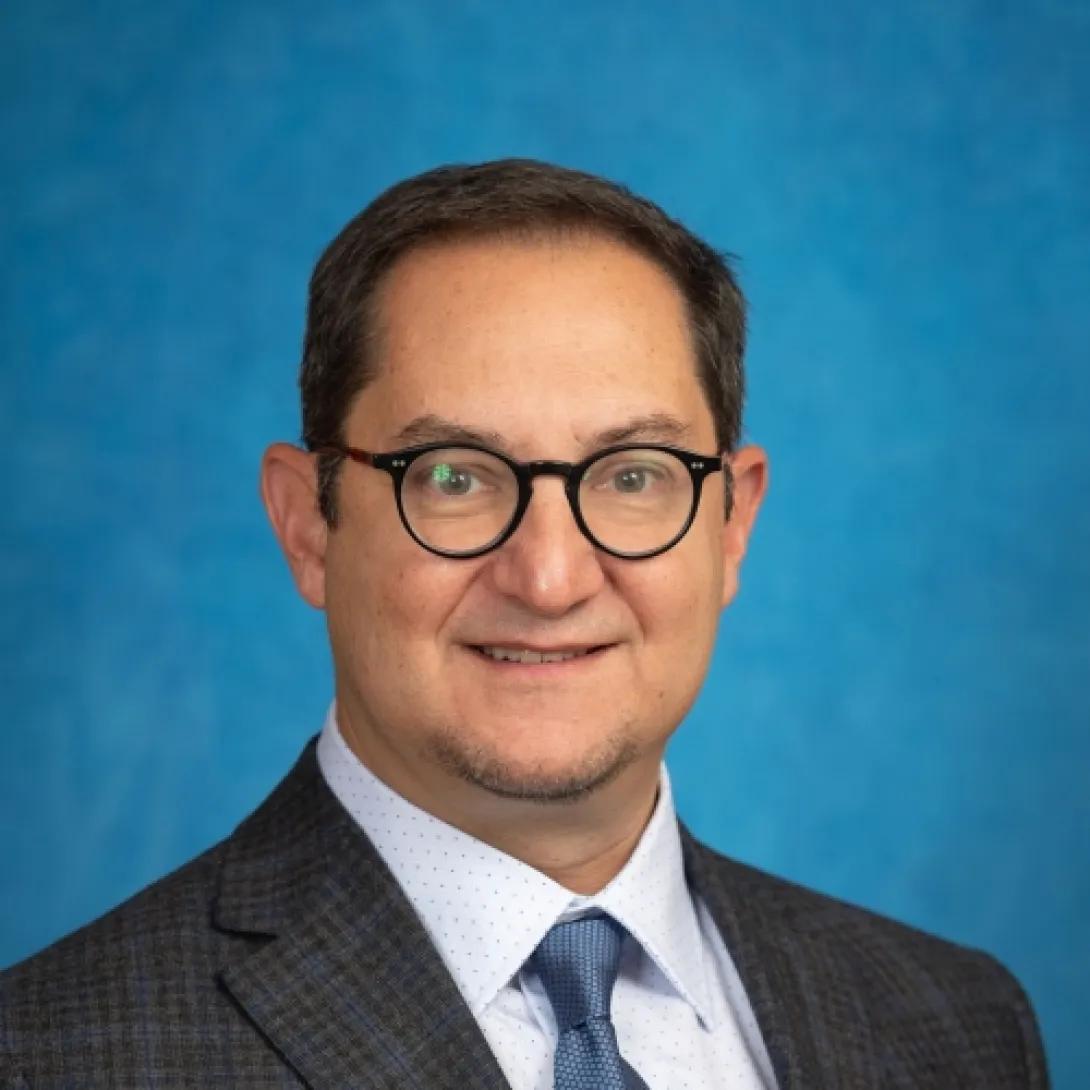
Jonathan William Haft, MD
Professor
Thoracic Surgery
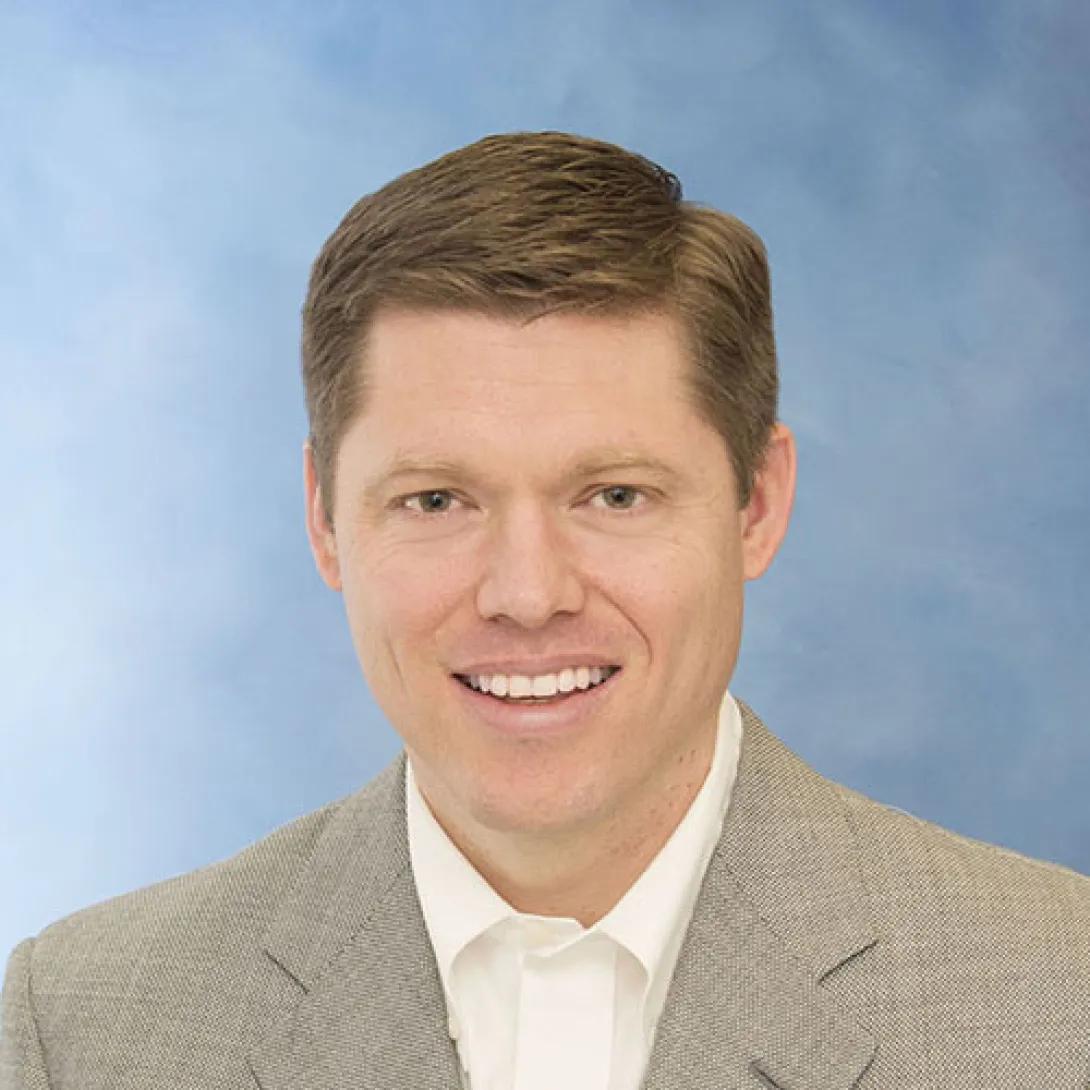
RYAN Pasquale BARBARO, MD, MSc
Clinical Associate Professor
Pediatric Critical Care Medicine
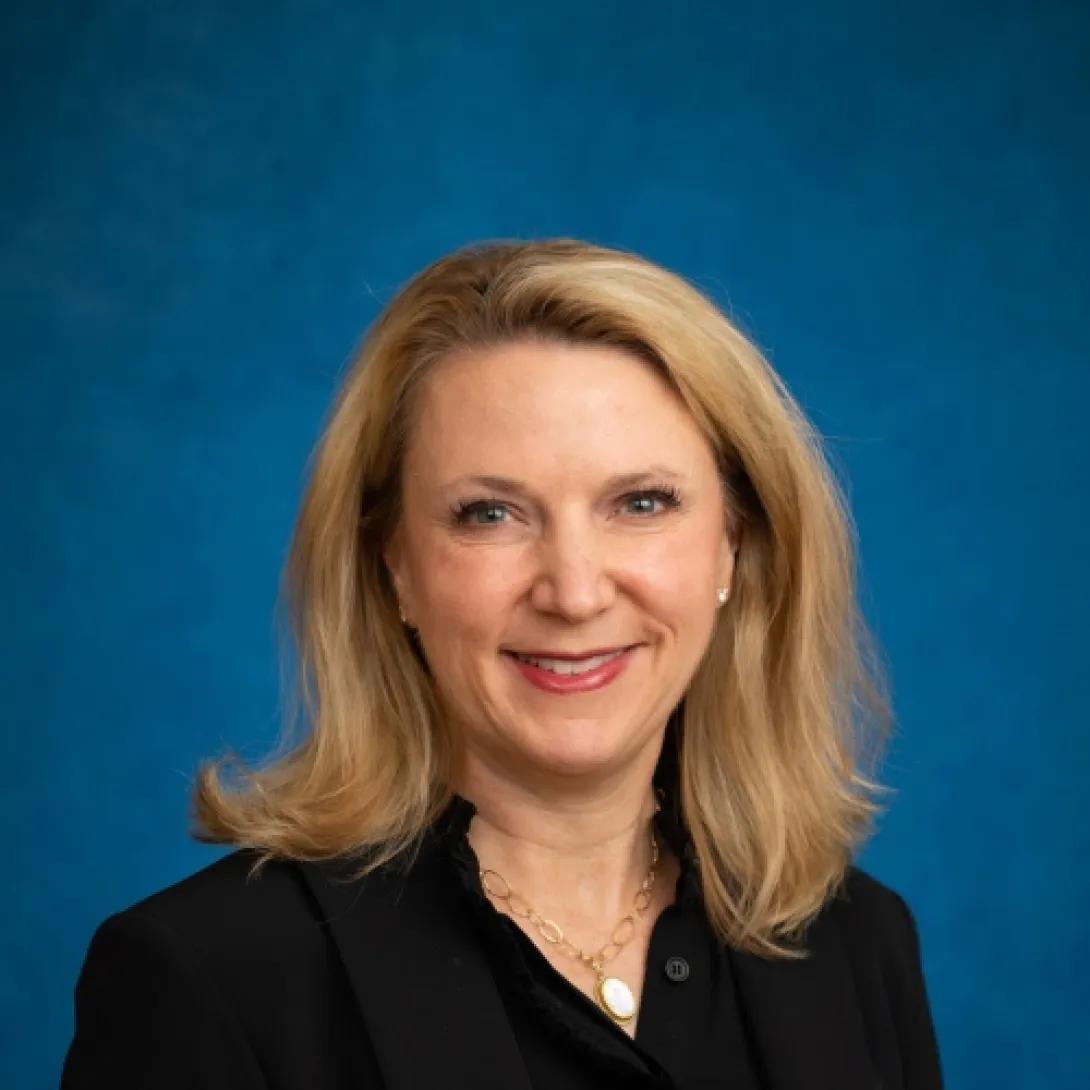
Jennifer Christel Romano, MD
Professor
Thoracic Surgery
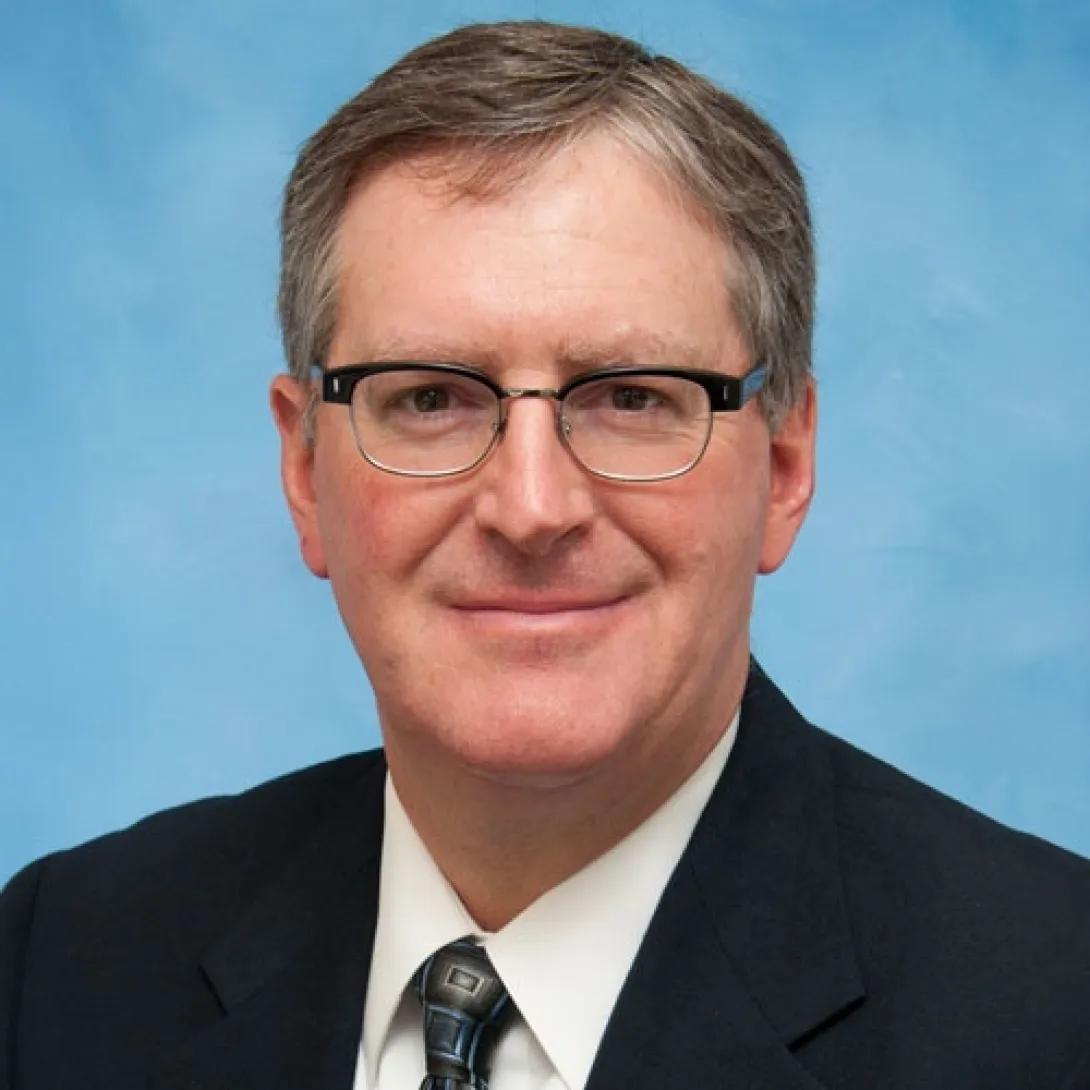
William Robert Lynch, MD
Clinical Associate Professor
Thoracic Surgery
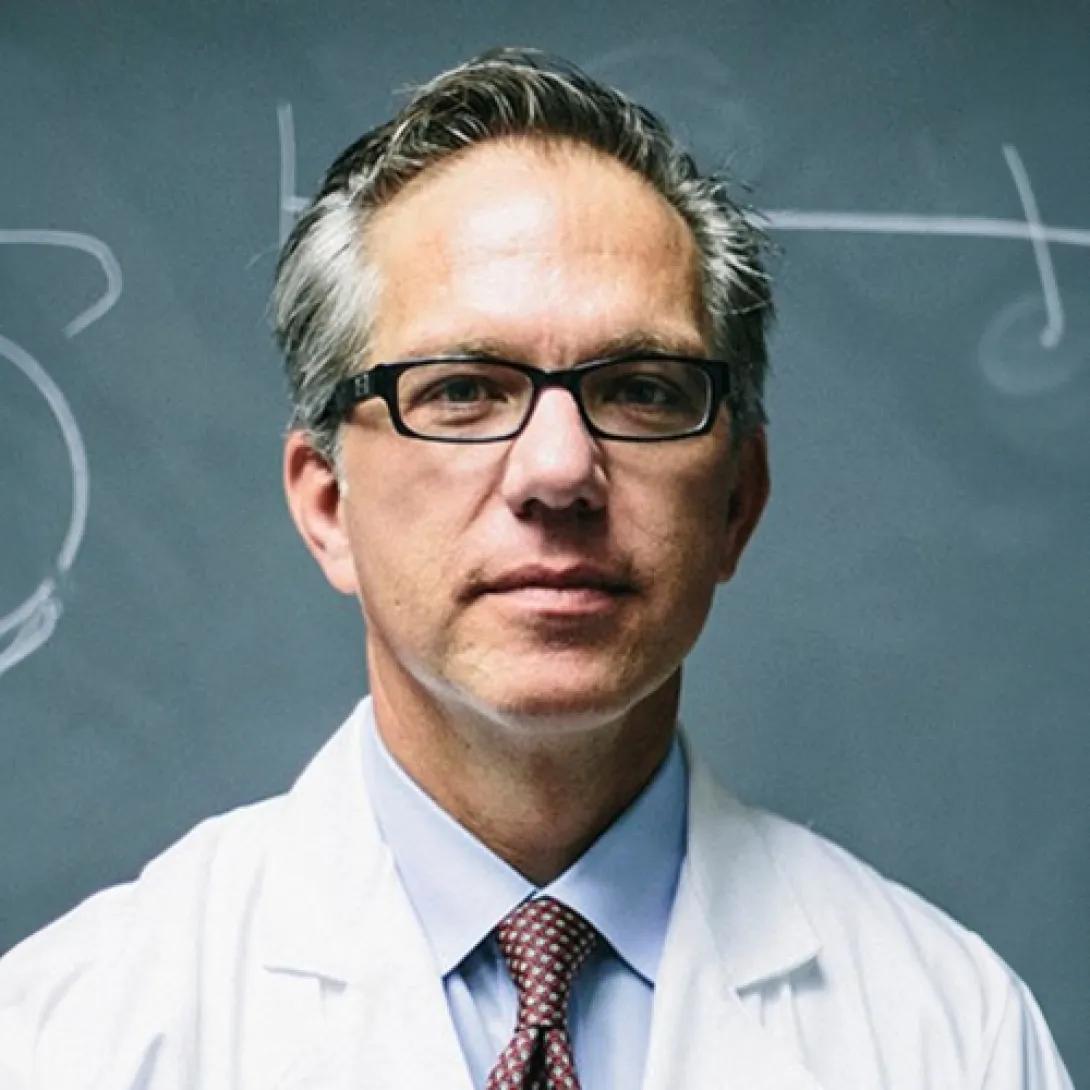
George Boris Mychaliska, MD
Professor
Pediatric Surgery
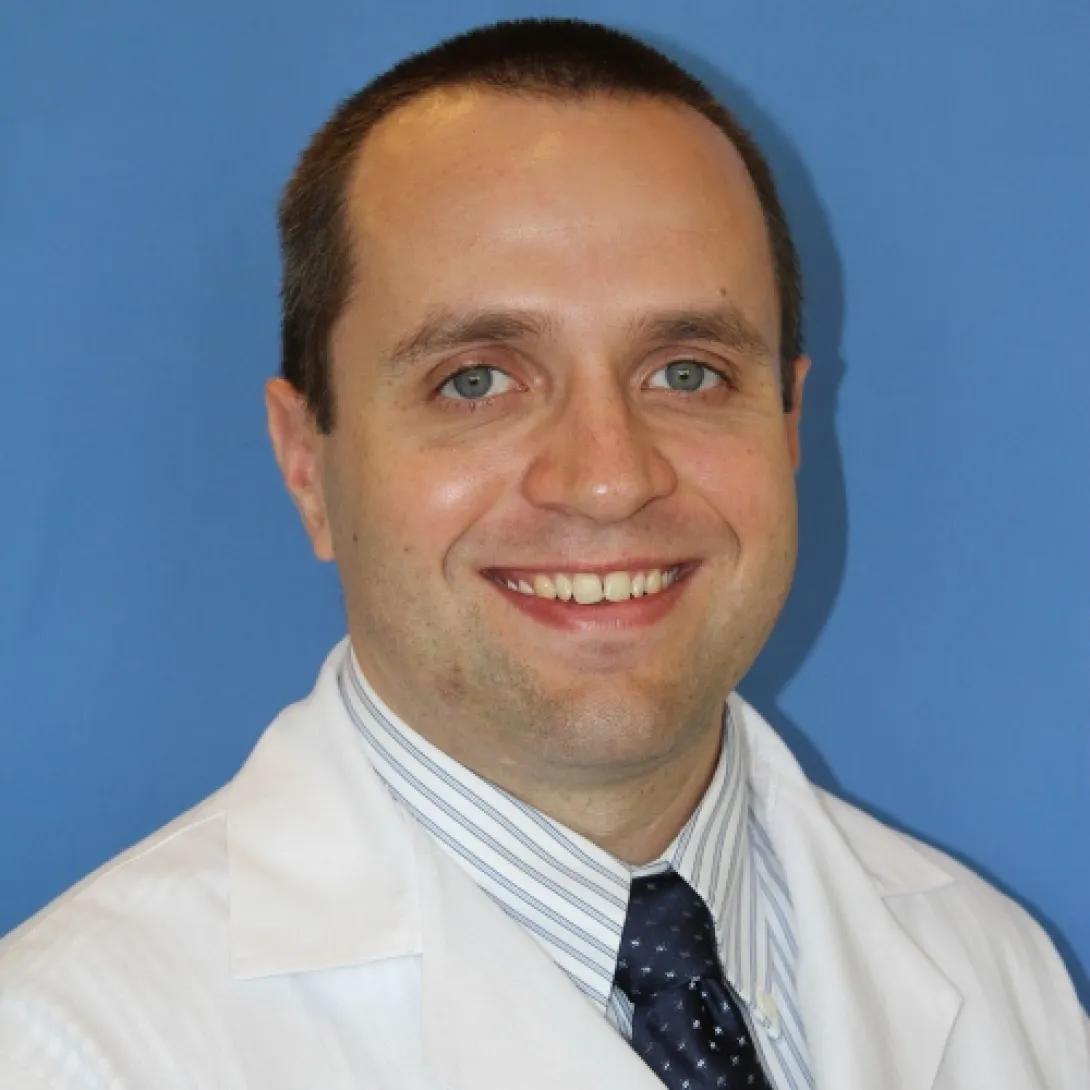
Michael David Maile, MD
Clinical Associate Professor
Anesthesiology
Christopher Todd Sower, MD
Clinical Associate Professor
Pediatric Cardiology
Stephen Robinson BSN, RN, MBA, MSF
Joetta DuBois RN, BSN, MSN,MBA, EMT-P, CCRN, CFRN, CMTE
News & Stories
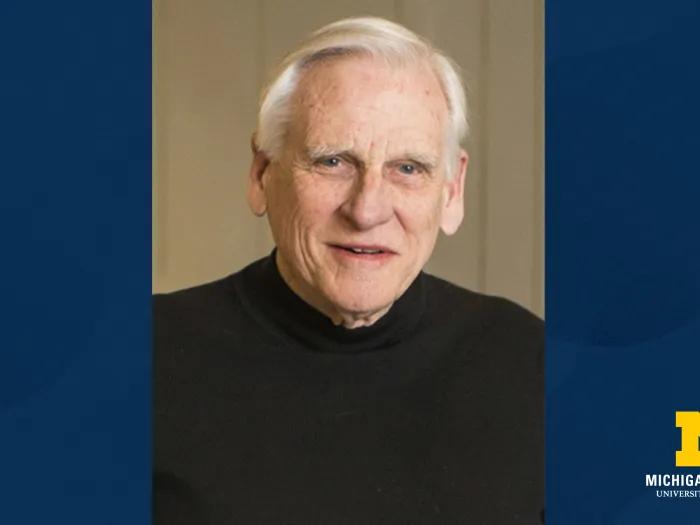
Robert H. Bartlett, ‘Father of ECMO,’ dies at 86
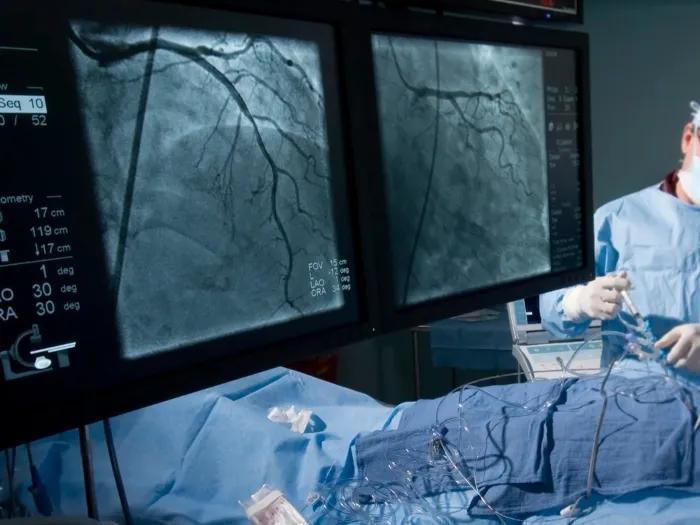
Researchers find significant differences in care of life threatening shock after heart attack
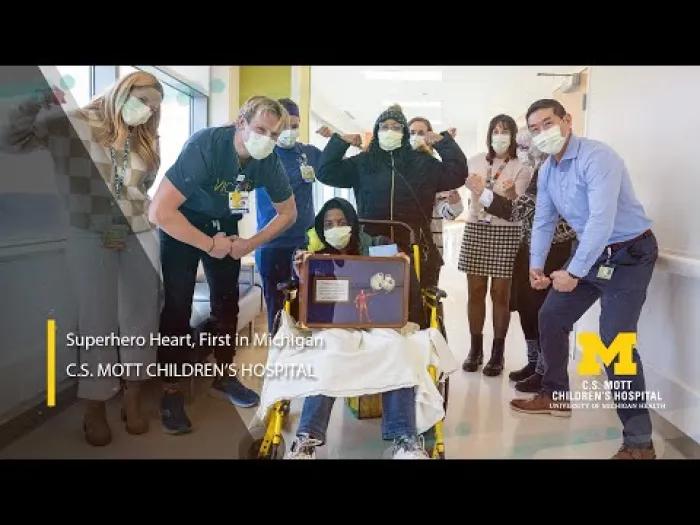
10-year-old becomes first child to receive total artificial heart in Michigan
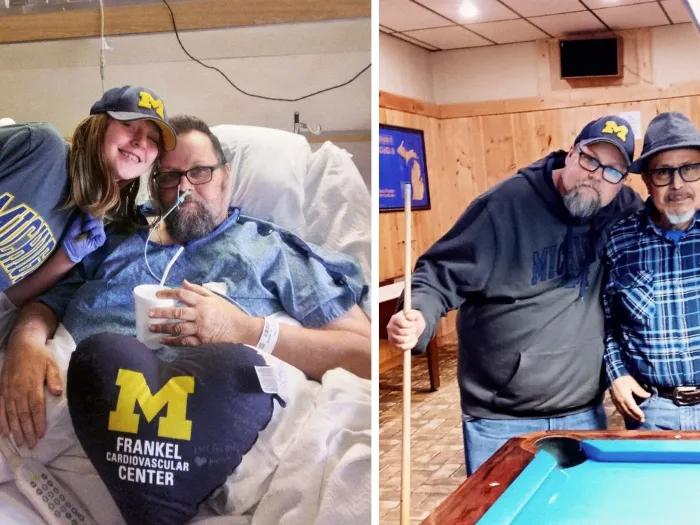
Complex procedure saves man on life support, reverses organ failure
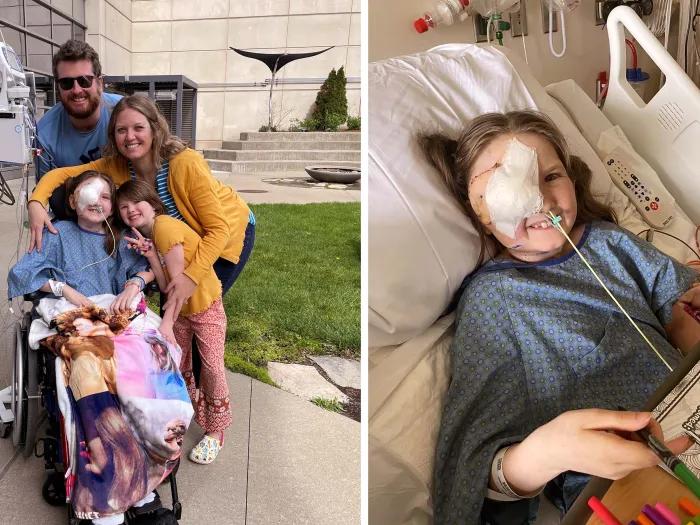
10-year-old “Swiftie” makes progress after septic shock