Scleroderma Program
Scleroderma Program
The University of Michigan Health Scleroderma Program is a multidisciplinary group of care givers, scientists and clinical researchers dedicated to advancing knowledge about scleroderma and related conditions.
Our Approach
The Scleroderma Program, led by Director, Dinesh, Khanna, MD, MSc and Associate Director, John Varga, MD, is a multidisciplinary team of health care providers with experience in a wide range of disciplines, working together to research the cause and mechanisms of scleroderma in order to develop better, targeted treatment options and to improve the quality of life for our patients.
Our mission is to provide local, national and international leadership in advancing the treatment of scleroderma and related conditions, through excellence in clinical care, teaching and research. The overarching goal of the Program is to develop effective therapies for the disease and its complications.
CORE elements are:
- Clinical care with emphasis on cost-effective outpatient management
- Outreach to the community of patients and physicians
- Research into the cause, mechanisms and treatment
- Education of physicians and allied health professionals
The goals of the Scleroderma Program are to develop effective therapies for scleroderma and its complications and to research the causes and mechanisms of disease. It is only through enhanced understanding of disease process that a cure will be possible.
Self-Manage Scleroderma Program
The Self-Manage Scleroderma Program is an online self-management program designed to help you learn about scleroderma, manage your symptoms, and learn strategies to help you advocate for yourself. The program consists of learning modules about numerous topics including self-advocacy, coping, exercise, fatigue and energy conservation, mouth and teeth care, and pain management, along with printable resources to support your learning and help you apply what you have learned. Self-Manage Scleroderma program on Facebook.
Appointment Information
For more information or to make an appointment, contact us at 734-647-5900.
Research
Researchers in the Scleroderma Program work collaboratively across specialties to conduct studies in a broad range of areas related to scleroderma. The goal of all our research is to gain a better understanding of scleroderma and its complications, in order to discover and develop better, personalized treatment options that will slow, stop, or reverse the progression of this disease, and ultimately to find a cure.
In the laboratory, numerous projects of direct relevance to enhancing our understanding of scleroderma are taking place, including studying the mechanisms of blood vessel injury, lung fibrosis, and alternations in the immune system and inflammatory cells in tissue injury.
Our program conducts a multitude of trials that involve testing a type of intervention, such as a potential drug, medical device, activity, or procedure, in people and observing its effects over a period of time. Our trials focus on evaluating the efficacy, safety, and tolerability of potential treatments for scleroderma and its related complications.
Observational studies are done to observe a patient’s disease, symptoms, and health over time without introducing an intervention, such as a medication. Our program has multiple observational studies, including studying the pathogen of scleroderma, and individuals’ experiences of symptoms and the impact they have on daily life.
In addition, our program has created various clinical registries where data (such as biological, clinical, and self-reported) and/or samples are collected at specific points over time to evaluate symptoms of scleroderma and complications associated with the disease.
Support Our Work
While great strides are being made in managing scleroderma and its complications, there is no cure. To combat this disease, the Michigan Medicine Scleroderma Program has developed a comprehensive, multidisciplinary team of clinical and research specialists from many disciplines, including rheumatology, pulmonology, cardiology, gastroenterology, infectious diseases, dermatology, physical medicine & rehabilitation, and plastic surgery - all dedicated to delivering world-class patient care and support while pioneering cutting-edge research aimed at reducing suffering, preventing death, and ultimately finding a cure for scleroderma.
To make a gift to support our research, please visit the Scleroderma Cure Fund.
Program Supporters
Our efforts would not be possible without the generous support of outstanding individuals who share our vision and are committed to helping make that vision a reality. In the below articles, you will find profiles of several of our most distinguished benefactors, each of whom has agreed to share their stories related to dealing with scleroderma. While each of their stories is unique, all of the people featured share two very important things in common: Their lives, or the life of someone they love, have been negatively affected by scleroderma and they have decided to turn their personal experience into an opportunity to help others by supporting our critical research efforts.

Jonathan and Lisa Rye give $2.5 million to U-M Scleroderma Program to honor son’s progress – after 14-month quest for correct diagnosis.
“July 2004:Calvin tries to sleep a lot, takes his Zithromax and sticks to his high cholesterol diet. He tries to exercise more but it causes great pain afterwards. He takes warm baths to soothe the aching… He still has no flexibility and feels no improvement in terms of achiness. Over the past 7 months he has lost 8-10 pounds…When I massage him, I feel how hard his hands, wrists, arms, feet, ankles and lower legs are. All the tissue feels bound together.”
(An entry from an informal journal kept by Lisa Rye, during the agonizing months she and her husband Jonathan spent frantically working to determine the cause of their son Calvin’s rapidly-declining health.)
A week after Jonathan and Lisa Rye’s son, Calvin, showed them what looked like a faded bruise on his left leg, the family’s dermatologist diagnosed morphea – a usually benign skin condition.
However, a month later, when Calvin experienced aching joints and such loss of flexibility that he regretfully gave up the high school sports he loved, his pediatrician recommended he see a rheumatologist.
Embarking on a medical odyssey that is often too familiar to those (or their loved ones) who suffer from rarer or more difficult-to-diagnose conditions, the Ryes endured trips to multiple specialists, resulting in multiple diagnoses and multiple courses of treatment – yet nothing seemed to help.
Instead, as Calvin’s pain continued to increase, and the skin of his lower arms and legs grew progressively shiny over his hardening and increasingly rigid underlying bound-down tissue, the couple began keeping a journal of their son’s ever-worsening symptoms, and tirelessly searching the Internet for clues.
Fourteen months and many doctors later, some photos they discovered on the internet led the Ryes to request another biopsy. A pathologist diagnosed eosinophilic fasciitis – a rare and often quite serious condition related to scleroderma characterized by symmetric and painful inflammation and a dramatic loss of elasticity in the tissues of the arms and legs.
The Ryes were devastated by the news, but were relieved to finally have a solid diagnosis. Nonetheless, they continued their quest for answers, and remained determined in their search for more effective treatments for their son’s condition.
Lisa Rye describes the complicated series of events that followed – events that led them to the University of Michigan – first to David Olson, Ph.D., then, ultimately, to the U-M’s world-renowned scleroderma specialist James R. Seibold, M.D. – as being the result of nothing short of “synchronicity”.
That’s because when Dr. Seibold took a closer look at Calvin and his biopsy tissue sample, he was quickly able to determine that Calvin’s illness was not eosinophilic fasciitis, but another very rare condition in the scleroderma family of diseases – generalized subcutaneous morphea. With the diagnosis established, the correct path to treatment could begin.
Lisa Rye recalls her relief and joy in finally finding a doctor who understood what was happening to her son:
“As we watched our son’s extremities harden, his fingers curve and his hands lose all strength, we lived a nightmare, and we could only imagine how painful it was for Calvin,” says Lisa.
“We kept thinking that this kind of horror shouldn’t happen to anyone. That’s why we were so relieved, and so grateful when finally Jim Seibold was able to correctly diagnose and begin to effectively treat Calvin’s condition.”
Today, as Calvin Rye continues his treatments at U-M, his condition has improved dramatically. He is exercising to regain lost mobility from the scar tissue that formed in his hands, arms and legs. He is back to playing tennis and ping-pong, and doing well in his second year as a U-M student.
Impressed by the expert and compassionate care they had received from Seibold, Jonathan and Lisa Rye soon began asking themselves how they might help others struggling with scleroderma and related conditions.
Therefore, in honor of what Lisa Rye describes as “the ordeal our son Calvin endured, the expert care he eventually received, and the grace of God,” the Ryes decided to give $2.5 million to support the U-M Scleroderma Program.
“When we began to learn about how Dr. Seibold had dedicated his career to finding effective treatments for scleroderma and other, associated conditions, Lisa and I were inspired to commit our energies and money to aiding him and his research team with the great hope of solving this disease’s mysteries and helping generations to come,” says Jonathan.
A complex and little-understood condition, Scleroderma causes tightening of the skin as well as progressive, life-threatening damage to the internal organs, including the heart and lungs. There is no cure, and its cause is unknown, although great strides are being made in managing its complications. It affects 150,000 patients in the United States and perhaps 1.5 million worldwide, mostly women in their child-bearing years. It is the most fatal of all rheumatologic diseases.
Based in the Division of Rheumatology within the Department of Internal Medicine, the U-M Scleroderma Program was organized two years ago as a multidisciplinary effort to bring together experts from a variety of specialties, such as Pulmonary Medicine, the Pulmonary Hypertension Program, Pediatric Rheumatology, Hand Surgery, Occupational Therapy and the Center for the Advancement of Clinical Research to develop and implement a comprehensive approach to scleroderma research, education, and patient care.
James R. Seibold – a Professor of Internal Medicine who came to the University of Michigan from the Robert Wood Johnson Medical School in New Jersey two years ago to develop and direct the new program – says he was attracted, in large part, by Michigan’s reputation as a world-class research institution.
“I believe Michigan’s extensive clinical and scientific assets – including its expertise in vascular biology and pulmonary medicine – make it the ideal environment for cutting-edge multi-disciplinary research aimed at reducing suffering, preventing death, and – ultimately – finding a cure for scleroderma,” says Seibold.
That confidence is echoed by Jonathan and Lisa Rye.
Displaying the same drive and tenacity they exhibited during the long struggle to solve the mystery of their son’s medical condition, the couple has taken an active role in supporting the U-M Scleroderma Program that goes beyond their generous financial contribution. The Ryes receive regular updates on the Program’s research efforts, and meet regularly with Seibold and other researchers to help devise strategies for helping the Program move forward.
Through their efforts, says Seibold, the Ryes have become partners in helping to advance the Program’s core mission.
As chairman of Bloomfield Hills, Michigan-based Greenfield Commercial Credit, Jonathan Rye says he is familiar with evaluating effective business models. As such, he says he believes the Program’s strategic, results-oriented approach to finding effective treatments makes good sense.
“I think Jim Seibold possesses the unusual combination of being a wonderful healer and a great scientist,” says Jonathan Rye. “Through our efforts, Lisa and I seek to highlight and accelerate the progress of his work by utilizing the power of interdisciplinary research at the U-M to find more effective treatments – and hopefully one day, a cure – for scleroderma.”
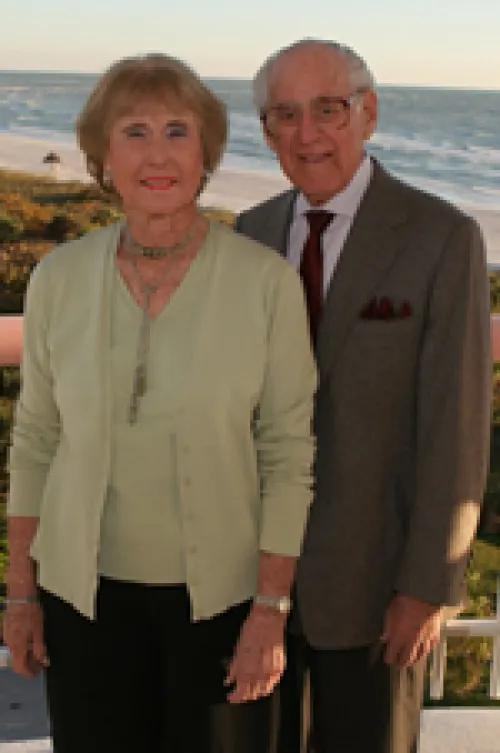
Marvin and Betty Danto make two gifts to the U-M Health totaling $4 million, to fund research on scleroderma and cardiovascular conditions.
Marvin Danto, after starting as an assistant manager for the Detroit-based Englander Furniture Shops, went on to become Chief Executive Officer and Chairman of the Board of the eight-store chain. Later, he turned his lifetime of experience toward developing a new concept in marketing home furnishings – the Michigan Design Center.
Described as “the pages of your favorite design magazine come to life,” the 215,000-square-foot facility features over 40 professionally-designed showrooms highlighting the most exclusive home furnishings for design professionals and their clients. Danto later expanded the idea to build the 775,000-square-foot Design Center of the Americas, located near Ft. Lauderdale.
Throughout his career, Danto has solved many problems and faced many challenges. However, he says, one of his most difficult challenges has had nothing to do with business at all, but rather, a complex medical mystery.
For many years, Danto suffered from extreme sensitivity to cold that routinely caused his fingers and toes to blanch, as well as a host of other symptoms including numbness, tingling and burning sensations that made many daily activities very difficult, especially during cold Michigan winters.
This common syndrome is called Raynaud phenomenon. While easily diagnosed, recognizing its cause is far more difficult and treatments are seldom effective. Over the course of 15 years, Danto visited some of the nation’s top hospitals to learn more about his condition and to find more effective treatments. But, he says, no solutions were available and no answers forthcoming.
Later, a serious cardiac problem led Danto to the U-M Health and to cardiologist Kim Eagle, M.D., the Walter Hewlett Professor of Internal Medicine – an event Danto now recognizes as very positive.
“Dr. Eagle was extremely thorough in evaluating my symptoms and my medical history,” says Danto. “He made a point of keeping me well-informed and reported back to me on my progress at every step. I found his attention to detail and his respect for me as a patient to be very refreshing.”
Danto says that Eagle’s exceptional skill and caring manner helped him find the medical answers he urgently needed – not only regarding his cardiac condition, but for his worsening Raynaud symptoms.
Eagle referred him to James R. Seibold, M.D., director of the U-M Scleroderma Program, who was able to not only confirm Danto’s Raynaud phenomenon, but, more importantly, recognize it as a symptom of scleroderma.
According to Seibold, Raynaud phenomenon is the most common initial symptom of scleroderma and ultimately develops in nearly all such patients.
Marvin Danto says he is very grateful to Eagle for taking the time to help him get the specialized care he needed and grateful to the team of Eagle and Seibold for mapping out a collaborative plan for effective treatment.
Danto says he attributes much of the credit for improvement of his symptoms to the professionalism and skill of Eagle and Seibold – who he characterizes as emblematic of the commitment to excellence that typifies the University of Michigan.
While he feels fortunate that his own case of scleroderma is relatively mild, Danto is very aware that the disease remains the most fatal of all rheumatologic illnesses – and one that continues to impose an overwhelming burden on many of its victims.
A desire to help others suffering with scleroderma, coupled with gratitude for the expert and compassionate care he received ultimately led Danto and his wife, Betty, to give $2 million to help support the U-M Scleroderma Program. Betty Danto has also been treated at the U-M, and two of the couple’s three children graduated from the University.
Their gift to the Scleroderma Program in the Division of Rheumatology will establish the Marvin and Betty Danto Research Professorship in Connective Tissue Research, as well as provide significant funding for the Program’s research into finding more effective treatments – and ultimately a cure – for scleroderma.
“I’m hopeful that the Dantos’ gift will help accelerate breakthroughs in understanding the disease processes active in scleroderma,” says Seibold. “We assume breakthroughs in scleroderma will ultimately benefit patients with other significant disorders of scarring and blood vessel injury.”
That’s why Eagle and his colleagues in the U-M Cardiovascular Center (CVC) are also working hard to gain a better understanding of the processes active in the blood vessel damage caused by scleroderma. Eagle says such knowledge will directly benefit persons with pulmonary hypertension, peripheral vascular disease, and perhaps atherosclerosis.
For that reason, the Dantos have also decided to recognize Eagle’s work in cardiology and vascular biology by giving an additional $2 million to help fund the U-M Health’s new CVC building project. Danto says he first learned of the CVC building and vision from Eagle, a co-director of the CVC.
Calling Eagle “one of the finest individuals we have ever known” and an “absolutely marvelous” physician, the Dantos say they hope their CVC gift will help more people learn about cardiovascular conditions, including scleroderma, that affect so many people and their families. They especially hope that other physicians can come to the building to learn from U-M faculty and staff, to understand the latest findings about this disease and its treatment.
“We feel very close and indebted to University of Michigan Health,” says Marvin Danto.
In recognition of their gift to the CVC, the University plans to name the auditorium in the Center’s new clinical building The Marvin and Betty Danto Auditorium, and to utilize the gift to promote education and training for cardiovascular professionals in the CVC.
Now 90, Marvin Danto acknowledges that the benefits of the research he and his wife are helping to make possible may simply come too late to help him personally. Nevertheless, he is optimistic about the work in this area now being done at the U-M.
“Hopefully the work that Kim Eagle, Jim Seibold and others are doing will someday bring real benefits to people who are suffering with this condition.”
“But who knows,” he says, after a pause, “maybe it will help me, too.”
The Dantos, who still live in Michigan but now spend their winters in Longboat Key, Florida, say they are excited not only to be supporting ground-breaking research efforts by researchers like Eagle and Seibold, but also to be helping make possible future U-M research on this important subject.
“We don’t consider ourselves heroes,” says Marvin Danto, “we’re just doing what we can to help.”
The Dantos say that everyone they’ve encountered in the U-M Health has been “just phenomenal,” and that they both feel “very lucky to have the opportunity to help build upon the generations of prior benefactors who’ve all done their part to help find effective treatments and cures.”
“It really feels good to help yourself while helping others,” says Marvin Danto. “For their own good, and for the good of their children and grandchildren, I encourage everyone who has the means to consider helping support this critical medical research. These people are doing truly amazing work, but they can’t do it alone.”

Linda Dolce had scleroderma but that is not who she was!
With numerous friends and family, Linda Dolce was truly blessed and spent her life as a blessing to others. Linda was a teacher, a motivational speaker and a leader who touched many lives – just when they needed support and encouragement the most.
As the first woman Little League coach in New Jersey, she taught kids and their parents that they too could have a lasting impact on their community and a sport they loved. Linda was a wife, a mother and a friend who knew the value of impacting the lives of others for the better, one person at a time.
Her son, Peter, remembers her reminding him to work hard and do the best that he can. Her daughter, Deena, remembers her advice not to waste a worry and that everything always feels better in the morning. To her husband Anthony, Linda was his best friend, the love of his life and his anchor.
Filled with energy and the joy of life, her sense of humor was as contagious as her optimism. Linda was a risk taker, a trendsetter, a “glass-half-full-thinker,” and a brave woman who faced scleroderma with quiet strength.
In short, Linda Dolce was a fighter.
Paving the Way for a Cure
Founded by Anthony Dolce, President of RC Dolner, a major New York-based construction company, the Linda Dolce Scleroderma Research Fund is dedicated to honoring his late wife’s memory by helping the University of Michigan Scleroderma Program advance the understanding of scleroderma disease mechanisms and to helping the Program develop new interventions and treatments that may one day lead to a cure for scleroderma.
Make a Difference
Your gift to the Linda Dolce Scleroderma Research Fund helps to enable high quality research that is critical to helping develop better treatments, and ultimately, a cure for scleroderma.
For further information about how to make a gift, please visit the University of Michigan Linda Dolce Scleroderma Research Fund online giving page.
“We lost Linda to a long struggle with scleroderma lung disease and we want to honor Linda’s brave fight and that of other scleroderma patients like her. The Dolce Fund recognizes both the exceptional need for research in scleroderma and the belief that the University of Michigan Scleroderma Program will lead the way to a cure.” – Anthony Dolce

As leaders of various New Jersey based fundraising activities, Bruce and Meryl Raiffe's hard work has generated nearly $1,000,000 in research support.
Bruce and Meryl Raiffe, of Warren, New Jersey are both successful business people. Bruce is CEO of Gund Inc., one of the oldest and largest leading soft toy manufacturers in the U.S.; and Meryl is President of Allbook Inc., which provides the finest quality books, educational materials, and merchandise to school book fairs in the northeast U.S.
When the couple first learned of scleroderma five years ago, they sought the very best for guidance.
“When an illness like scleroderma impacts a family, one can only hope to have a medical professional like Jim Seibold working on treatments and cures,” says Bruce Raiffe. “Meeting Dr. Seibold over five years ago was one of the most important days in our lives. Having an accurate diagnosis was our first step towards understanding this illness. Working with Dr. Seibold as a dedicated champion of scleroderma research has led to encouragement and a real sense of progress.”
The Raiffes were strong supporters of Dr. Seibold’s research program in New Jersey and have continued their active involvement since Dr. Seibold’s move to the University of Michigan. As leaders of various New Jersey based fundraising activities, their hard work has generated nearly $1,000,000 in research support.
“Dr. Seibold’s dedication to scleroderma research and the care of his patients is unmatched by others in his field,” says Meryl Raiffe. “We feel so fortunate to have his talent and that of his supportive team at the University of Michigan Scleroderma Program to further this research. It is our hope that this work will soon result in effective treatments and ultimately a cure or prevention of scleroderma in all patients.”
In 2005, the Raiffes hosted a record-breaking golf outing featuring 18 different cars to be won by participants at the exclusive Hamilton Farm Golf Club in Gladstone, New Jersey. This successful fundraiser was repeated in 2006 with more than $1,000,000 brand new cars, including a Bentley and Rolls Royce, offered as hole-in-one prizes. These two events raised over $500,000 for scleroderma research at the University of Michigan.
“The strong and durable support of passionate and savvy people like Bruce and Meryl Raiffe both facilitates our research and drives us to work harder,” noted Dr. Seibold.
Locations
-
Rheumatology Clinic | Briarwood Health Associates 325 Briarwood Cir
Briarwood Building 5
Ann Arbor, MI 48108-1605Get Directions -
Rheumatology Clinic | Taubman Center 1500 E Medical Center Dr
Floor 3 Reception A
Ann Arbor, MI 48109-5358Get Directions
Doctors
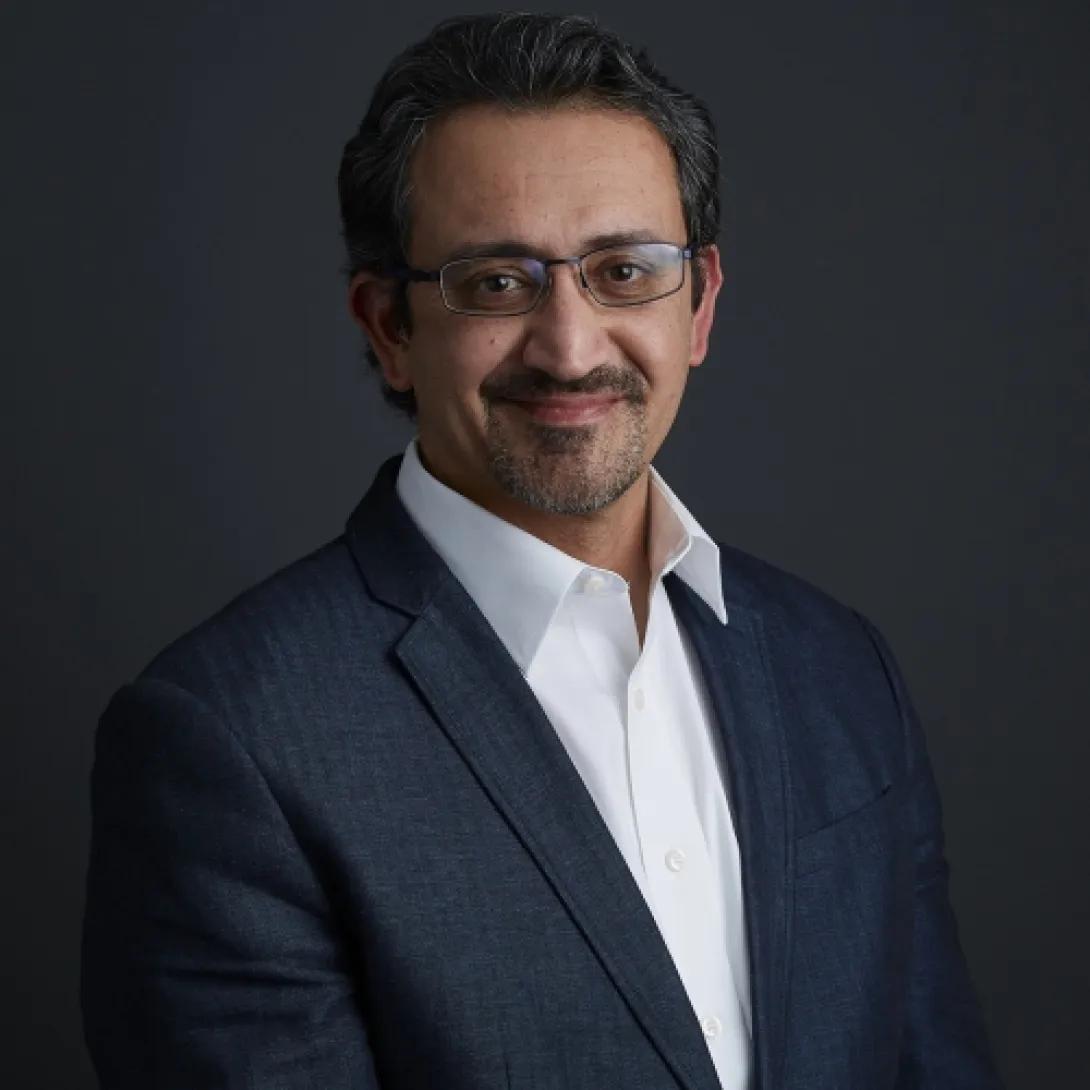
Dinesh Khanna, MBBS, MSc
Professor
Rheumatology, Internal Medicine
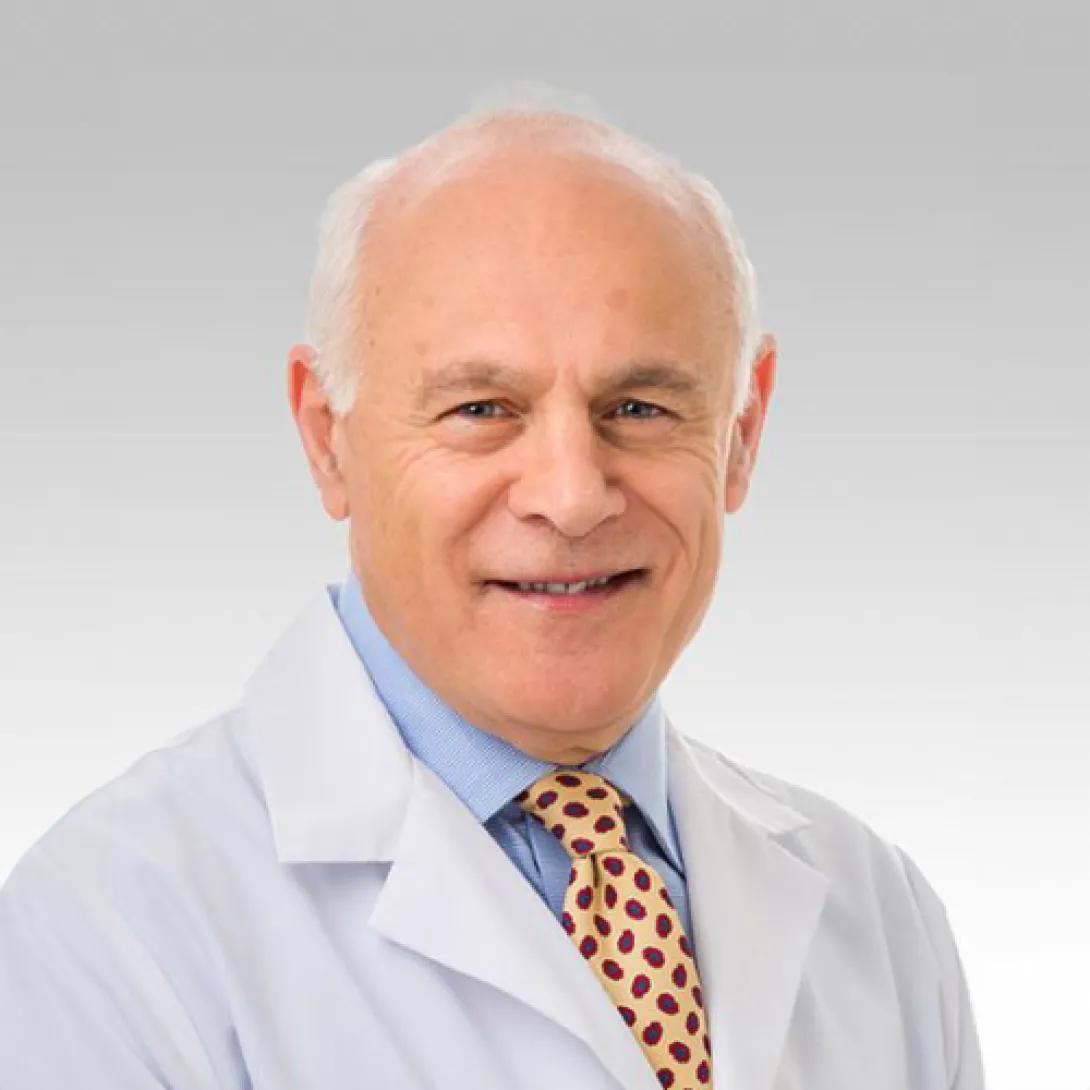
John Varga, MD
Professor
Rheumatology, Internal Medicine
Carleigh Suzanne Zahn, DO
Clinical Assistant Professor
Rheumatology, Internal Medicine
News & Stories
Pain, psychological factors and physical function closely linked in people with systemic sclerosis
Rheumatologist finds contentment and community through family farm
Rethinking how clinicians learn to feel disease

The Future of Cell and Gene Therapies

Single-cell RNA sequencing gives insight to dermatomyositis treatment