Brachial Plexus (Adult)
Brachial Plexus (Adult)
What is adult brachial plexus?
An adult brachial plexus palsy is usually the result of trauma to the neck and shoulder areas. The mechanism may be a lateral traction injury to the brachial plexus nerves in the neck causing damage to the nerves and a loss of function. Outcomes depend on severity of the brachial plexus injury and the timing of intervention. Initial evaluation is necessary to take place as early as possible (no sooner than one month after injury but no later than 3-6 months) in order to be able to provide appropriate care and interventions.
What happens in a brachial plexus palsy?
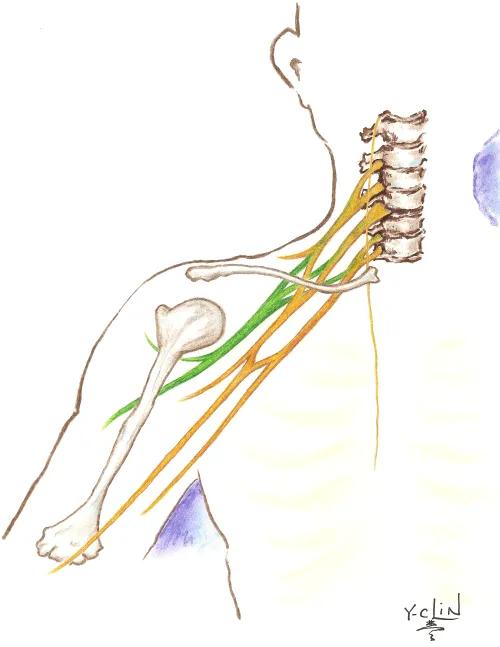
The brachial plexus is a complex network of nerves extending from the neck into each arm. This nerve network controls movement and sensation in the shoulder, arm, wrist, hand and fingers. A Brachial Plexus Palsy (BPP) affects the nerves passing from the neck to the arm. These are the nerves that trigger movement from the shoulder down to the fingers. The most common cause of brachial plexus injury is stretching, compressing, or tearing of the nerves that may result in scar formation. Although some brachial plexus injuries may heal on their own, others may result in lifelong disability if not treated promptly. Depending on the type of brachial plexus injuries, symptoms can occur in the shoulder, elbow, and/or hand and fingers. These symptoms include loss of feeling, loss of motor control, limited or no active range of motion and pain.
Our Approach
Our adult clinic includes specialists from a variety of disciplines, who each play a vital role in helping you. This multidisciplinary approach allows us to assess your needs and recommend a collaborative treatment plan during each visit. Patients participating in our clinic can expect an occupational therapy assessment followed by specialists' evaluation from neurosurgery, reconstructive surgery, physical medicine, and pain specialist depending on your individual needs. When necessary, an EMG (Electromyography), a test that can detect abnormal muscle electrical activity, can be performed on-site to expedite the evaluation process. After the evaluation is completed, the team will present formal recommendations to you.
What happens next?
In order to provide holistic all inclusive care/recommendations, we may need further studies to be completed such as; MRI, ultrasound, CT scan, x-rays etc. Therapy recommendations will be provided for your local therapist to follow. Frequent follow-ups may be required and patient/family commitment regarding the recommendations are crucial for maximum functional outcomes.
Appointment Information
1500 E. Medical Center Dr., SPC 5338
Ann Arbor, MI 48109-5338
Contact us to make an appointment or a referral for adult or pediatric patients.
Fax: You or your medical provider may also complete the “Request for Consultation” form that can be downloaded below and faxed to 734-647-9233 - Attn: Brachial Plexus Program.
Other Peripheral Nerve Conditions
Peripheral nerve disorders comprise Traumatic Nerve Injuries, Entrapment Neuropathies, and Nerve Sheath Tumors.
Common conditions include:
- Brachial Plexus Palsy
- Traumatic nerve disorders
- Carpal tunnel syndrome
- Ulnar Neuropathy
- Peroneal Neuropathy
- Nerve Sheath Tumors
- Idiopathic nerve conditions (Parsonage-Turner)
Research
The University of Michigan Health Brachial Plexus and Peripheral Nerve Program is a leader of evidence-based research on peripheral nerve condition and brachial plexus palsy. From rigorous study design to data analysis and interpretation, our mission is to forward research efforts to evaluate and improve patients’ overall function and quality of life, including physical, emotional, mental, and social aspects. Our interdisciplinary setting provides the collaborative opportunity to investigate the most innovative ideas that lie at the junction of different specialties. We hope to understand more about this condition and its diagnosis, evaluation and treatment. Patient participation is very important, and your willingness to share your experiences will help physicians and researchers to provide better services to you and future patients.
- Establishment of data to support the use of novel or controversial medical and surgical treatments
- Development of facile evaluation/assessment methods
- Development of nerve regeneration devices
- Development of evidence-based critical pathways for the treatment of patients
- Assessment of the efficacy of novel computer game-based home therapy exercise regimens
- Evaluation of novel radiological methods for diagnosing and treating patients
- Evaluation of electrodiagnostic methods in the clinic and operating room
- Assessment of the utility of multimedia patient educational tools
- Evaluation of the psychosocial aspects and quality of life of patients
Locations
-
Physical Medicine & Rehabilitation Clinic | Eisenhower Corporate Park 2850 S Industrial Hwy Ste 400
Ann Arbor, MI 48104-6796Get Directions
Leadership
Lynda Jun-San Yang, MD, PhD
Professor, Neurological Surgery
1967-2022
John E. McGillicuddy, M.D.
Doctors
Srinivas Chiravuri, MD
Clinical Associate Professor
Interventional Pain Medicine, Pain Medicine, Anesthesiology
Kevin Chi Chung, MD
Professor
Plastic Surgery, Hand Surgery
Alex Clayton Donaghy, MD
Clinical Assistant Professor
Physical Medicine & Rehabilitation
James A Leonard, MD
Clinical Professor Emeritus
Physical Medicine & Rehabilitation, Electrodiagnostic Medicine
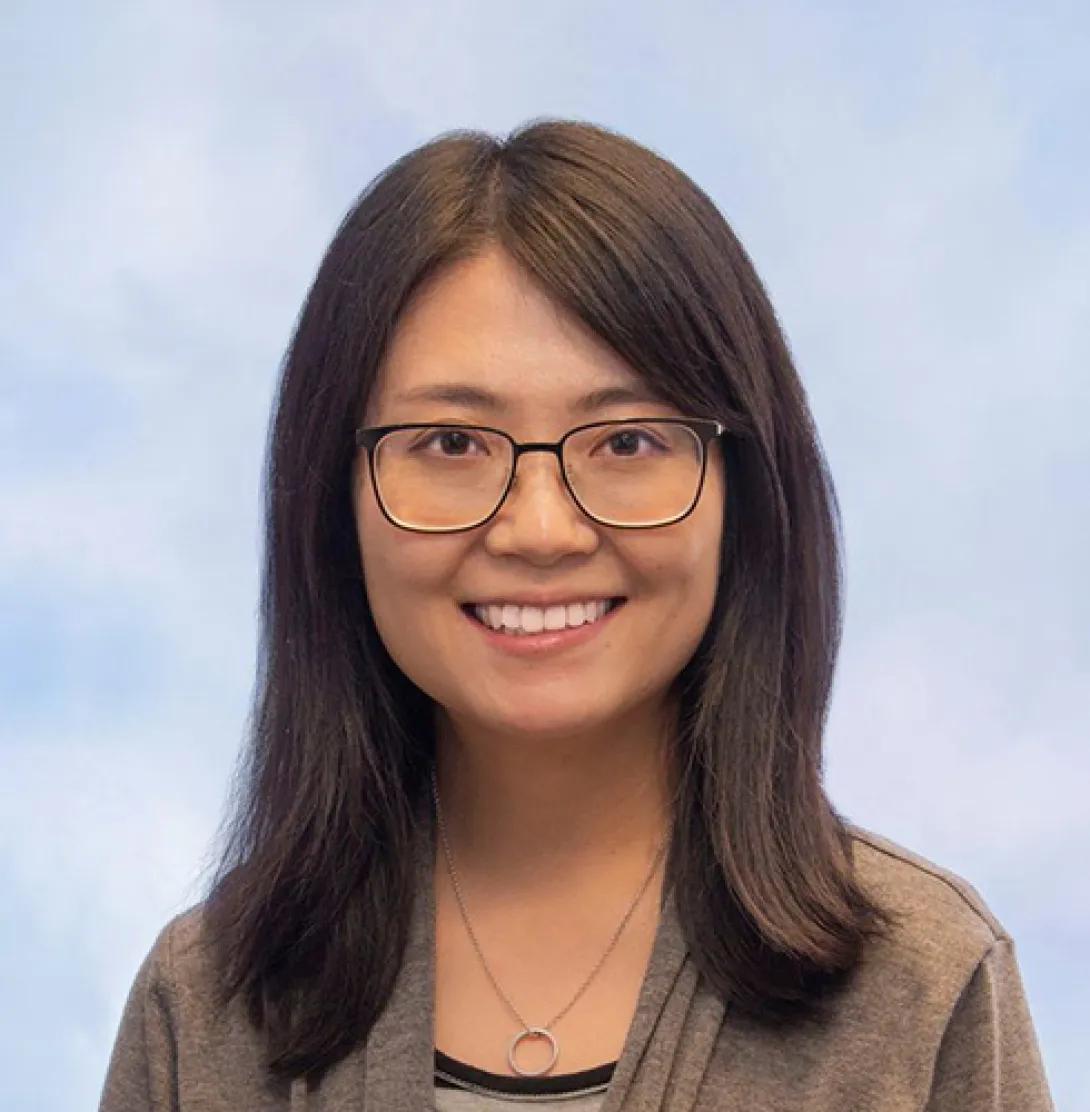
Ava Yun Lin, MD
Clinical Assistant Professor
Child Neurology, Neuromuscular Medicine, Clinical Neuropsychology, Clinical Neurophysiology
Ann A Little, MD
Clinical Associate Professor
Neurology, Electrodiagnostic Medicine, Clinical Neurophysiology
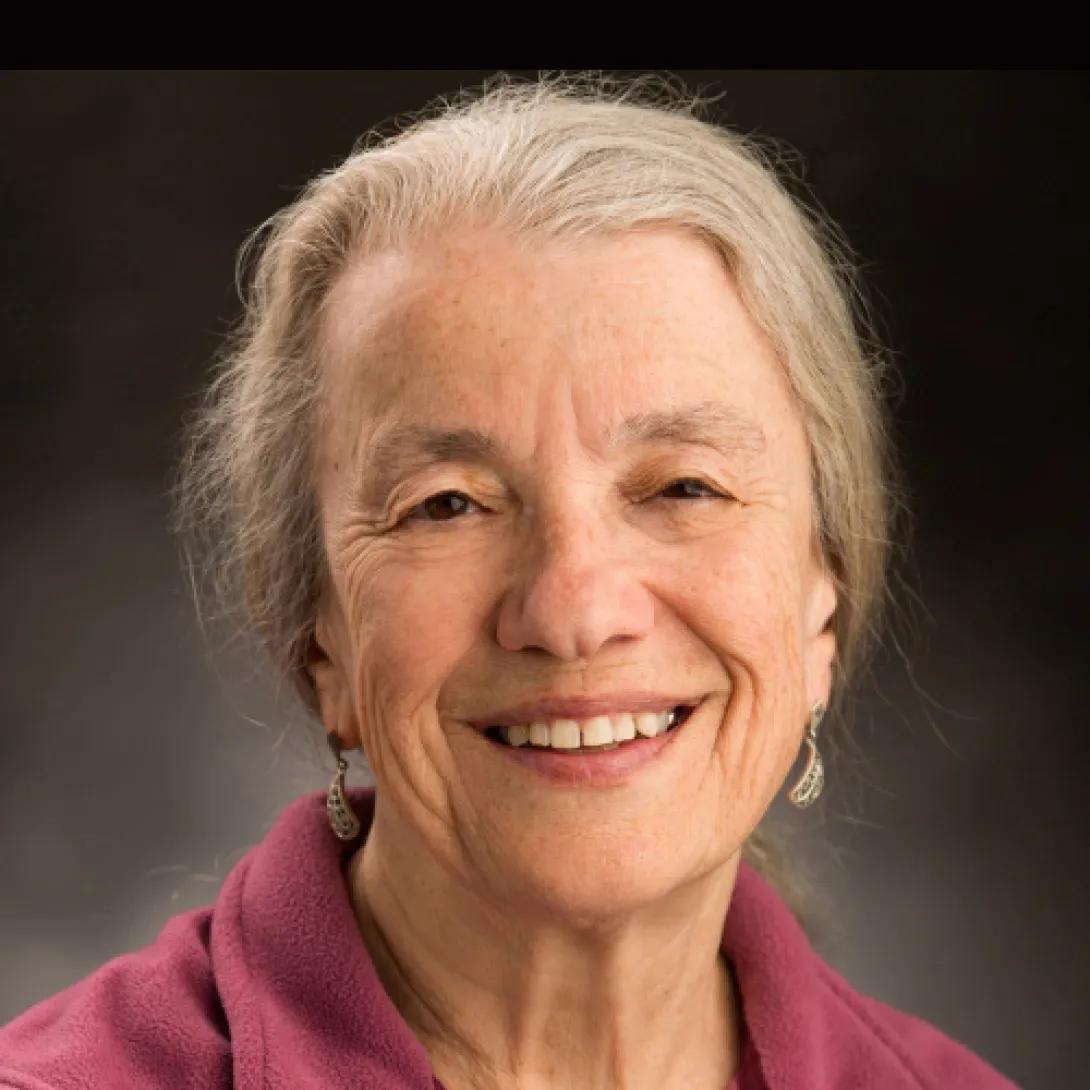
Virginia S Nelson, MD
Clinical Professor Emeritus
Physical Medicine & Rehabilitation
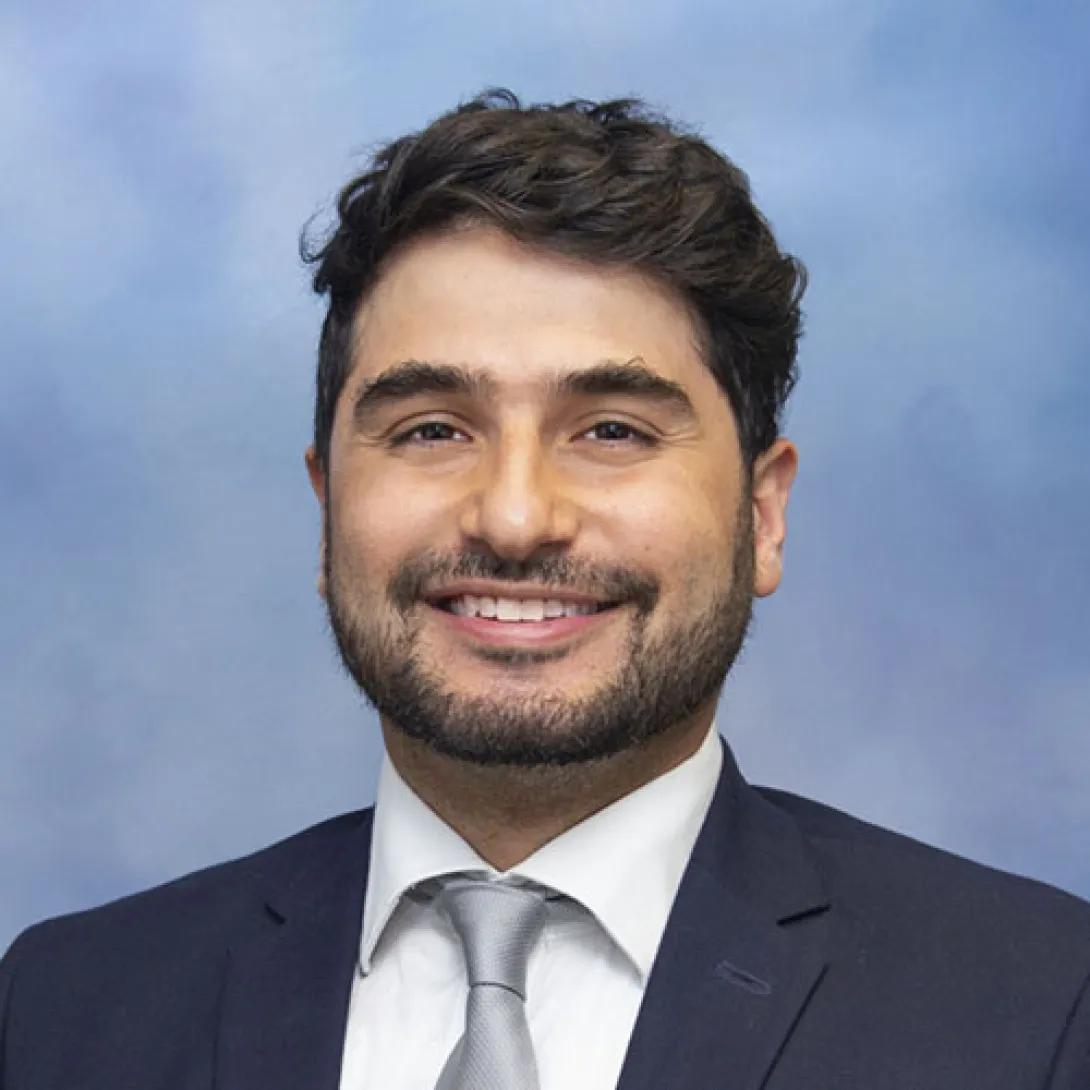
Yamaan Salman Saadeh, MD
Clinical Assistant Professor
Neurological Surgery

Mary C Spires, MD
Clinical Professor Emeritus
Physical Medicine & Rehabilitation, Electrodiagnostic Medicine, Spinal Cord Injury Medicine
Providers
Shawn Brown
Denise Justice, OTRL
Miriana Popadich, NP
Adjunct Clinical Instructor in Nursing, School of Nursing