Adult Partial Hospitalization Program
Adult Partial Hospitalization Program
The Adult Partial Hospitalization Program (PHP) is a comprehensive patient care program providing intensive psychiatric treatment to individuals struggling with mood and anxiety disorders.
Our Approach
Patients participate Monday through Friday for 6 hours during the day and return home in the evening. A typical length of stay in PHP is 10 weekdays. Patients work with an interdisciplinary team in a structured unlocked setting and participate in process group therapy, skills-based therapies of CBT and DBT, educational groups, and have regular contact with psychiatry providers for medication management.
Typical PHP Day Schedule
- 9:00-10:30am - Check in Group and Goal Setting
- 10:45-12pm - DBT/CBT Skills Group
- 12:00-1:00pm - Lunch
- 1:00-2:00pm - Education Group or Skills Group
- 2:00-3:00pm - Activity Therapy Group or Skills Group
*The group schedule is flexible day-to-day and subject to change
We accept a variety of insurances and will check your policy to determine if treatment is covered and inform you of any expected costs such as copayments, deductibles, or co-insurance.
Appointment Information
If you are interested in our program or would like to make a referral, please contact us at 734-764-1488.
We do require that your mental health provider make a referral on your behalf as we would expect you to return to your provider at the conclusion of our program. We will then schedule an initial evaluation to determine if PHP is an appropriate level of care and initiate enrollment into our program. Please understand that there is a waitlist with frequent fluctuating wait times. Evaluations are scheduled on a first available basis, and during times of high volume may be limited to established U-M Health patients.
Locations
-
Psychiatry Clinic | University Hospital 1500 E Medical Center Dr
Floor 9 Area D
Ann Arbor, MI 48109-5118Get Directions
News & Stories

Can Your Voice Reveal Early Signs of Alzheimer’s?

More leucovorin prescribed to kids after federal officials touted its unproven benefits for autism
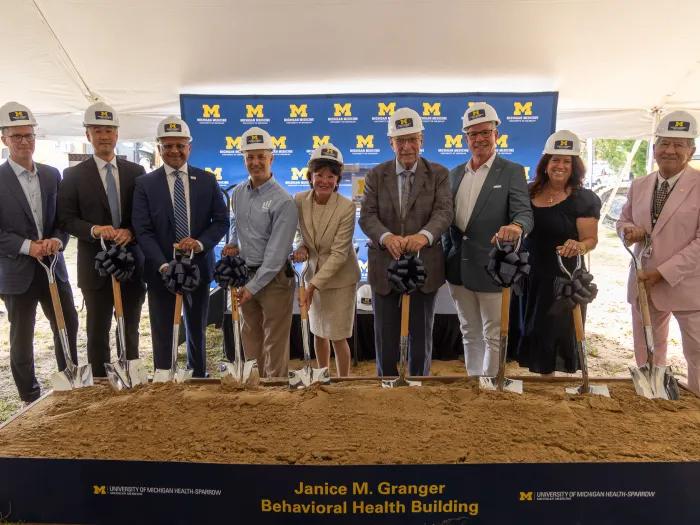
UM Health-Sparrow breaks ground on Janice M. Granger Behavioral Health Building

Are 988 and other mental health crisis lines missing people over 50?
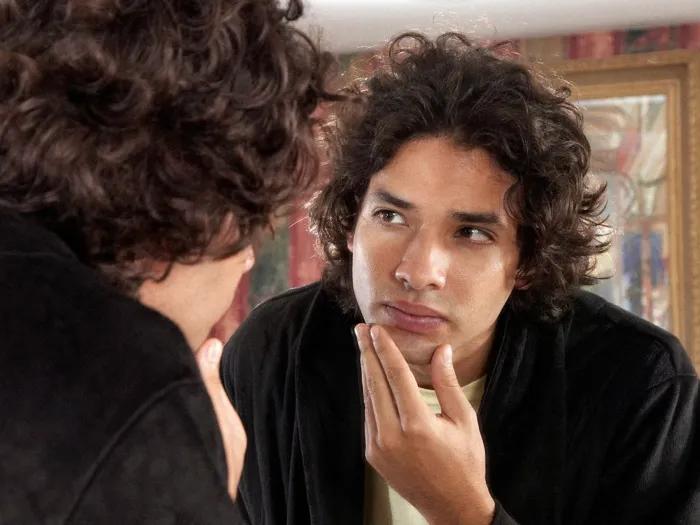
Looksmaxxing isn’t just a TikTok trend – it often reflects severe body image issues in boys and young men