
Reconstructive Ear Surgery (Otoplasty)
Reconstructive Ear Surgery (Otoplasty)
What is otoplasty or ear surgery?
Otoplasty, or ear surgery, reduces the size of large or protruding ears. University of Michigan Health is a nationally recognized leader in reconstructive surgery. Our team of board-certified plastic surgeons and medical specialists guide patients through every step of the otoplasty process to ensure the best results possible.
Is ear surgery/otoplasty right for me?
Most procedures are performed for aesthetic reasons and to help children better adapt and blend in with their peers. In many cases, children with large ears suffer from ridicule, adapt poorly to school and feel extremely self-conscious.
Adults may be candidates for this operation as well.
An otoplasty is best for patients who are in otherwise good health, have no active diseases or serious, pre-existing medical conditions, and have realistic expectations for the outcome of the surgery. In general, otoplasty can be performed at any age after the ears have reached (or nearly reached) their adult size. This usually occurs at around 5 to 6 years of age. This surgery is most frequently performed on children between the ages of 4 and 14.
Appointment Information
Schedule a consultation today by calling 734-998-6022.
Consultation
During your consultation, you will have the opportunity to discuss your goals and the results you would like to achieve. Your surgeon will work with you to reach an understanding about what you can expect from this procedure and what long-term benefits you will experience. You should expect to:
- Provide a complete medical history - Include information about: any previous surgical procedures; past and present medical conditions; and all medications or herbal supplements you are taking
- Have your surgeon conduct a physical examination
- Discuss the procedure’s possible risks and complications
How is ear surgery/otoplasty performed?
Otoplasty sets the ears back closer to the head and may involve molding, shaping and/or removing cartilage to pull the ears in and reduce the protrusion. This procedure will not affect your hearing. It involves only the outer ear, not the middle or inner ear where hearing takes place.
First, the surgeon makes an incision behind the ear, where the ear is joined to the head. The surgeon then removes as much of the cartilage and skin needed to achieve the desired effect. The surgeon may trim the cartilage, reshaping it and then pinning it back with permanent sutures to secure the cartilage. In other instances, the surgeon will not remove any cartilage at all but may simply use stitches to reshape the cartilage permanently. Incisions and the resulting scars are well concealed on the back of the ear.
Preparation & Recovery
After consultation and decisions about surgery, we will give you pre-operative information that explains everything you should do and know before your procedure. Your surgical team will instruct you on how to prepare. You should arrange for someone to drive you home after your surgery. You also may want to make arrangements for someone to help you for a day or two while you heal.
We use general anesthetic so that you will sleep and remain comfortable throughout the procedure. Local anesthesia with intravenous sedation is also an option for some patients.
During recovery, it’s very important that you follow your surgeon's instructions. This will promote healing and improve progress towards your new physical appearance. Also, it’s important that you attend all follow-up appointments so that your surgeon can assess your long-term results and answer any questions or concerns
Locations
-
Craniofacial & Plastic Surgery Clinic | C. S. Mott Children's Hospital 1540 E Hospital Dr
Floor 3 Reception B
Ann Arbor, MI 48109-4219Get Directions
Doctors
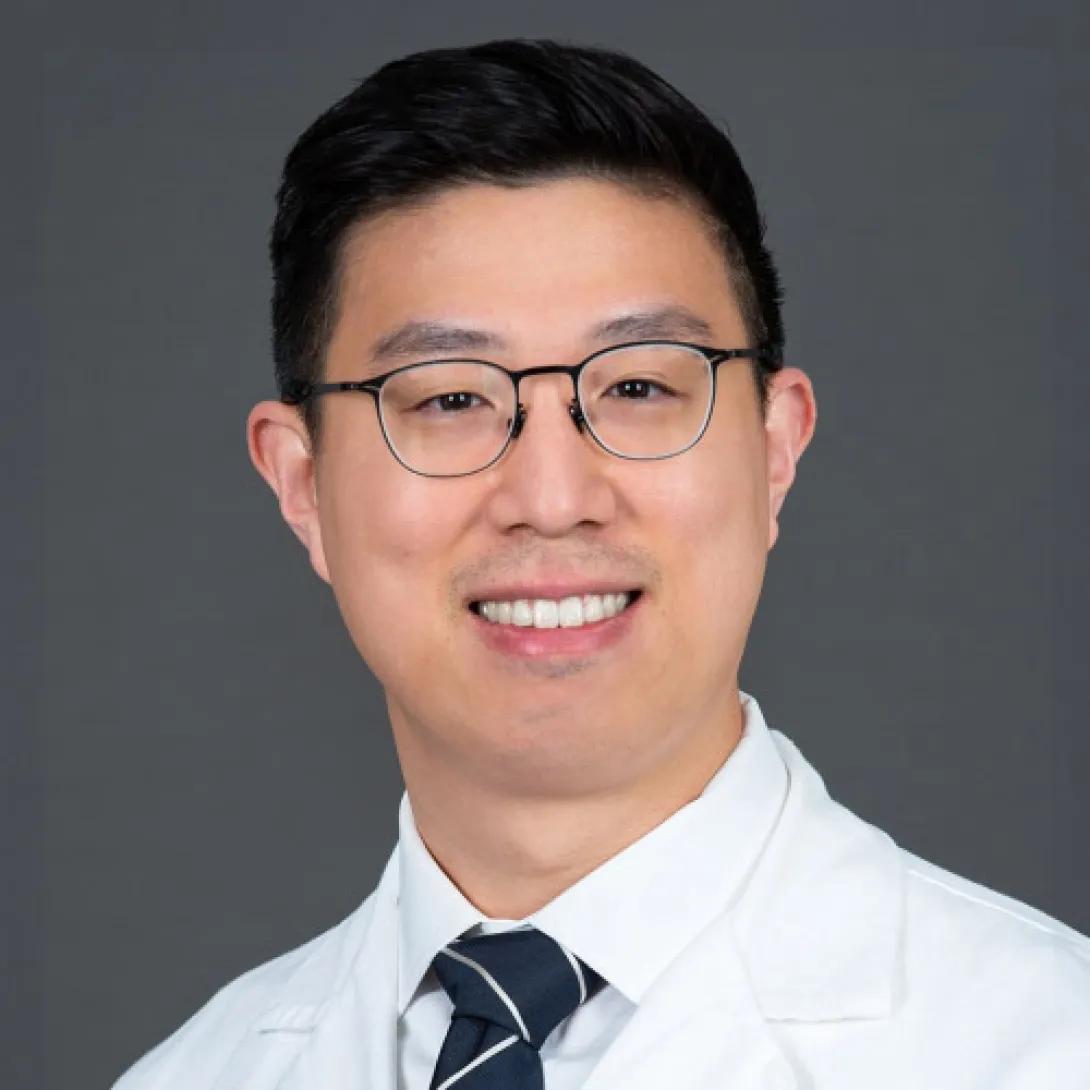
Jeffrey Tan Gu, MD
Clinical Assistant Professor
Otolaryngology, Plastic Surgery-Head & Neck
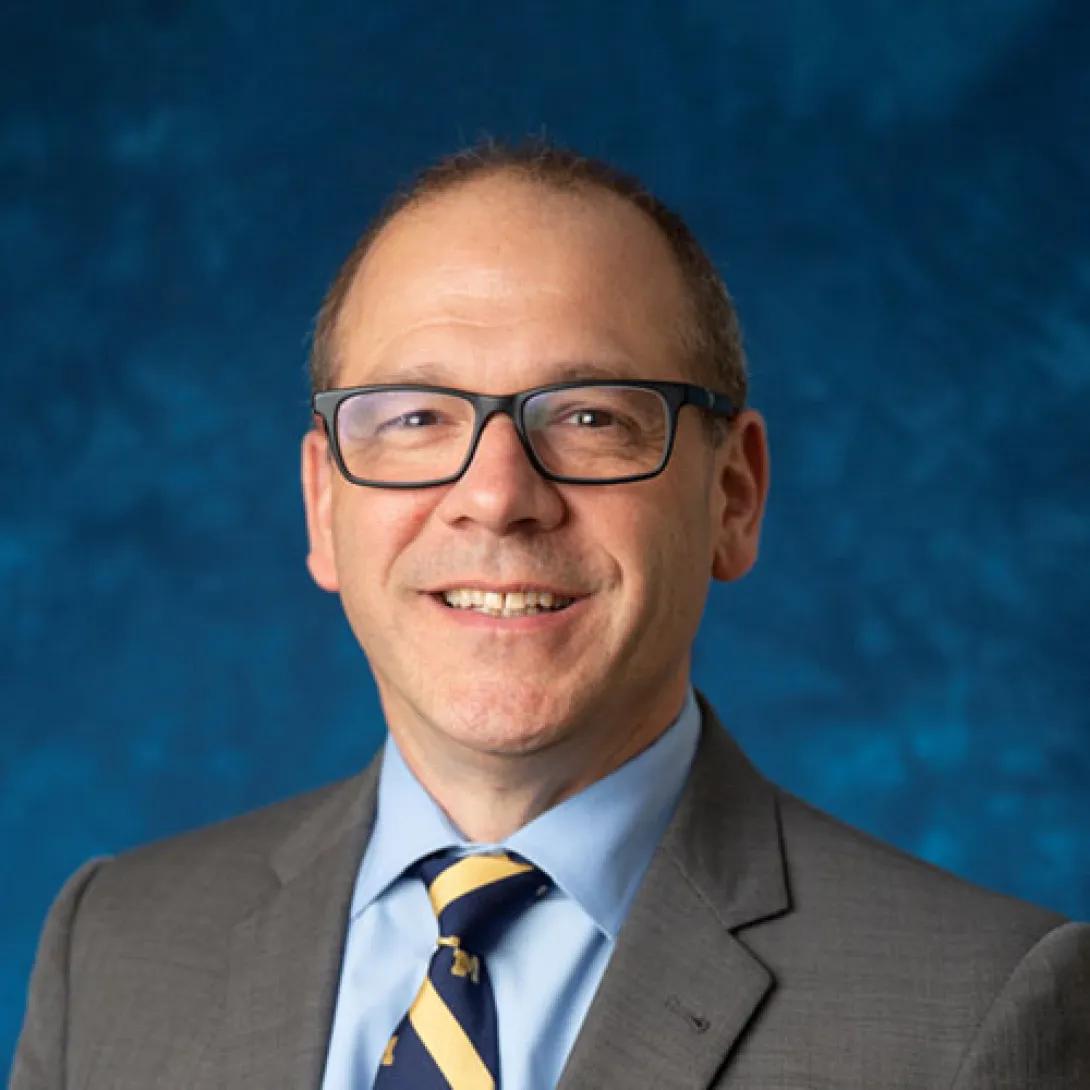
Steven John Kasten, MD
Clinical Professor
Plastic Surgery
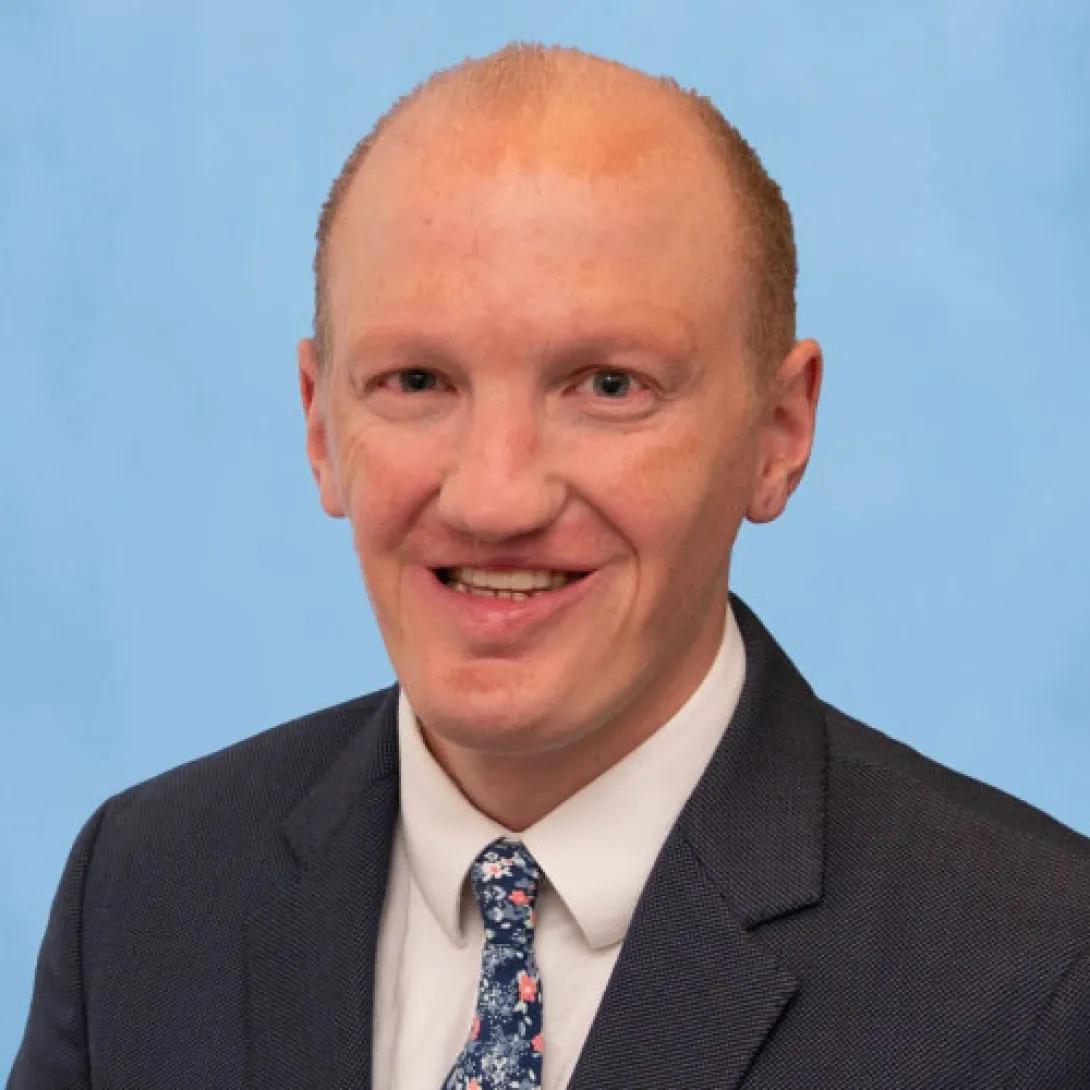
Hannes Prescher, MD
Clinical Assistant Professor
Plastic Surgery
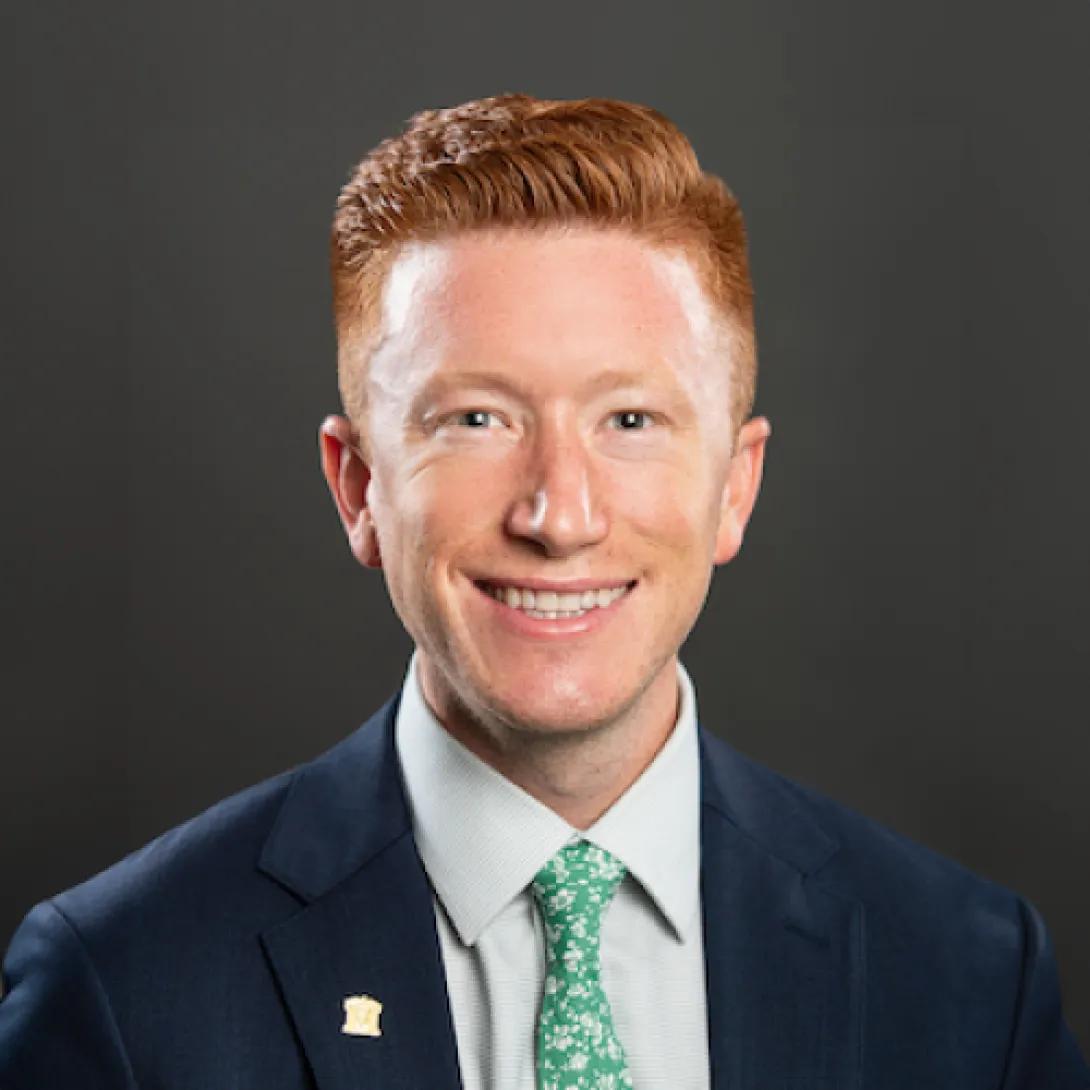
Adam Van Horn, MD
Clinical Assistant Professor
Pediatric Otolaryngology, Otolaryngology
Christian John Vercler, MD
Clinical Professor
Plastic Surgery, Surgery
