Hip Conditions
Hip Conditions
Your hip is the joint where your thigh bone and pelvis meet. Hips are called ball-and-socket joints because the ball-like top of your thigh bone moves within a cup-like space in your pelvis. Your hips are usually very stable, and it takes a great deal of force to hurt them. Playing sports, running, overuse or falling can lead to hip injuries. In fact, every year one in every three American adults 65 and older falls, many of which result in hip fractures. And millions of people suffer from chronic conditions such as arthritis of the hip.
Our Approach
University of Michigan Health diagnoses and treats all types of hip conditions, from acute injuries such as fractures to chronic, long-term degenerative issues. And we offer a variety of innovative surgical and non-surgical treatments that we individualize for your specific needs. Our integrated, multidisciplinary approach to treating hip conditions enables us to provide our patients with efficient and effective care.
Conditions We Treat
We treat all acute and chronic hip conditions, including:
- Arthritis of the hip (as well as Osteoarthritis and Rheumatoid arthritis)
- Avascular necrosis
- Femoroacetabular Impingement (FAI)
- Hip bursitis
- Hip dislocation
- Hip dysplasia
- Hip fracture
Appointment Information
- MedSport: 877-877-9333
- Orthopaedics: 734-936-5780
- Physical Medicine & Rehabilitation (PM&R): 734-936-7175
How are hip conditions diagnosed?
To make our diagnosis, we start with your clinical exam, conduct a thorough health history, talk with you about your pattern of symptoms and take X-rays. Depending on what your X-rays show, further imaging, such as a CT scan, MRI, ultrasound or arthrogram, may be required. Our Radiology Services are state-of-the-art and will help us determine how to treat your condition.
How are hip conditions treated?
If you have suffered any hip trauma, seek treatment right away. Failure to do so risks further complications, such as chronic instability, weakness, pain or malunion (where a fracture heals in a bad position that is difficult to undo). Getting that diagnosis quickly means we can treat you while the injury is simpler to treat. But, even if a problem has been misdiagnosed or is a long-term issue, we can still help.
Treatment varies widely, depending on the problem. Treatment for hip disorders may include rest, medicines, physical therapy or surgery, including hip replacement.
Surgery
If we are able to effectively treat you without surgery, we will. But if you’ve already been treated without a good outcome, or you have a severe issue, we will discuss your surgical options and help you decide which option is best for you.
We perform hundreds of hip surgeries each year, including hip arthroscopy and hip replacement. We are on the forefront of orthopaedic technology, offering advanced techniques and developing new procedures for difficult problems.
Resources
Below are educational resources for a variety of musculoskeletal conditions available to orthopaedic surgery patients for pre- and post-surgical care. This contains helpful information for patients as they start their surgical journey.
Locations
-
Orthopaedic Sports Medicine Program | Domino's Farms 24 Frank Lloyd Wright Dr Ste 1000
Lobby A
Ann Arbor, MI 48105-9484Get Directions -
Orthopaedic Surgery Clinic | Taubman Center 1500 E Medical Center Dr
Floor 2 Reception B
Ann Arbor, MI 48109-5328Get Directions -
Pediatric Orthopaedic Surgery Clinic | C. S. Mott Children's Hospital 1540 E Hospital Dr
Floor 3 Reception C
Ann Arbor, MI 48109-4213Get Directions -
Pediatric Orthopaedic Surgery Clinic | Northville Health Center 39901 Traditions Dr
Floor 1
Northville, MI 48168-9493Get Directions -
Pediatric Rheumatology Clinic | Northville Health Center 39901 Traditions Dr
Floor 2
Northville, MI 48168-9493Get Directions -
Rheumatology Clinic | Northville Health Center 39901 Traditions Dr
Floor 1
Northville, MI 48168-9493Get Directions
Doctors
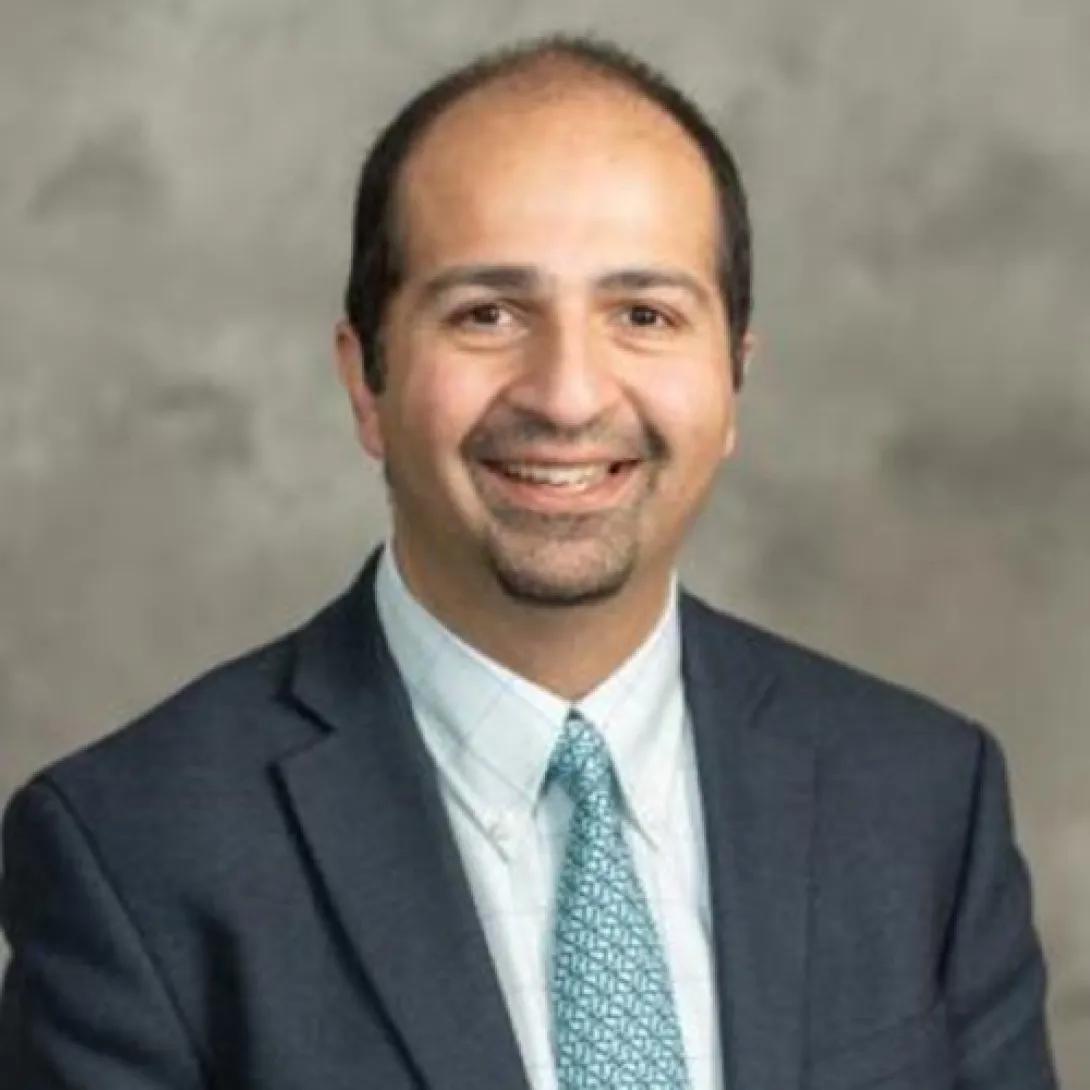
Asheesh Bedi, MD
Professor
Orthopedic Surgery, Sports Medicine
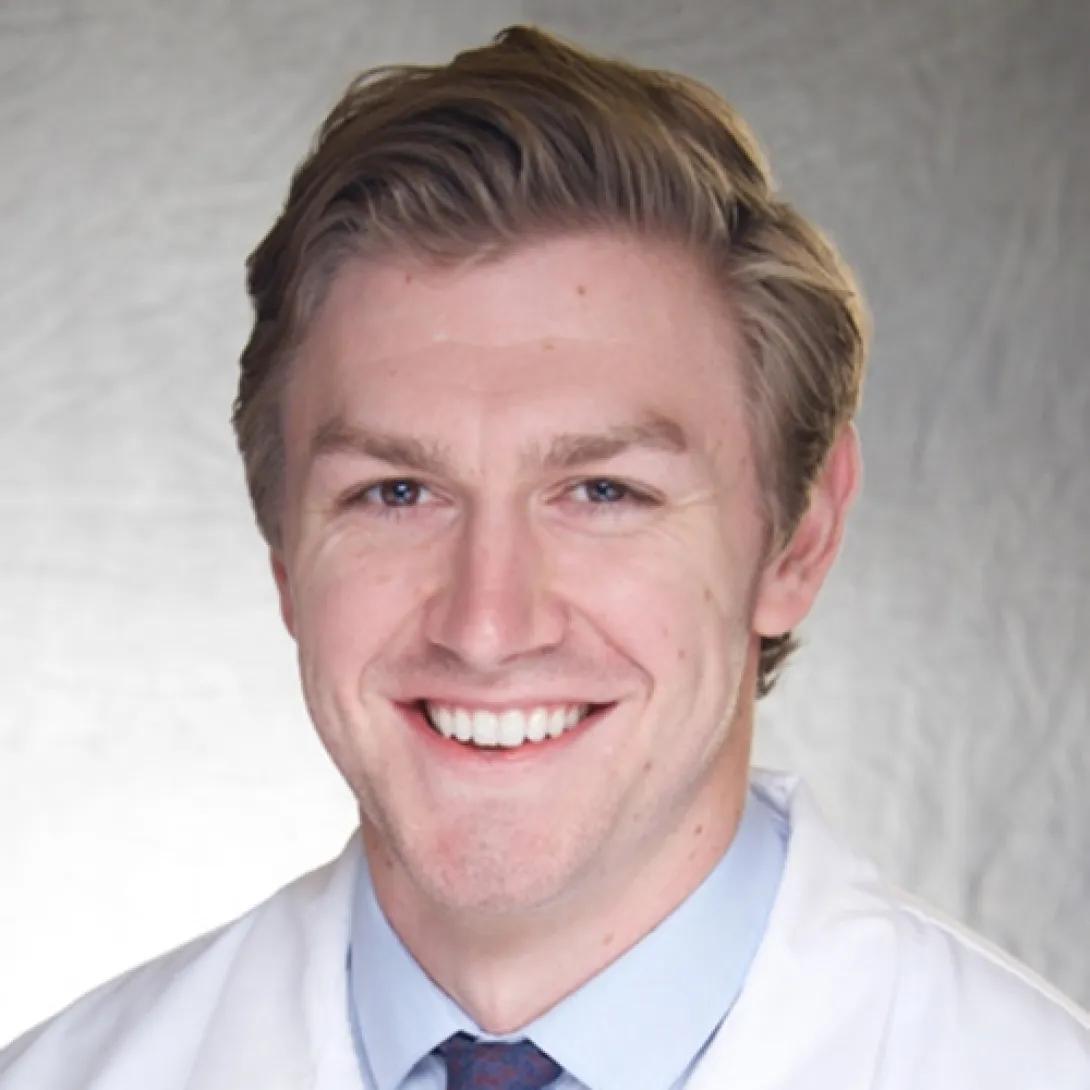
Christopher Neil Carender, MD
Clinical Assistant Professor
Orthopedic Surgery

Elizabeth Ann Dailey, MD
Clinical Assistant Professor
Orthopedic Surgery
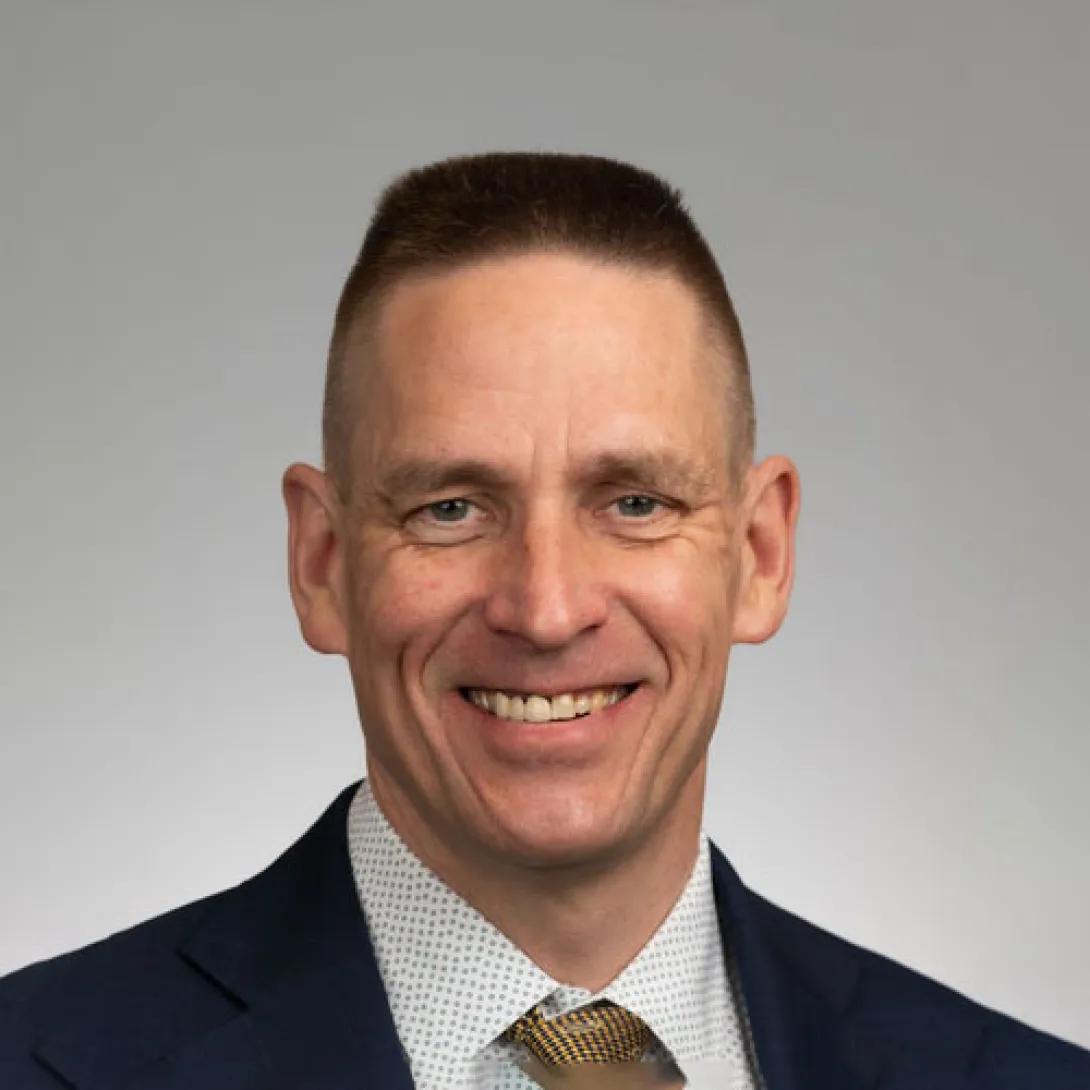
Brian Richard Hallstrom, MD, FAOA
Clinical Professor
Orthopedic Surgery
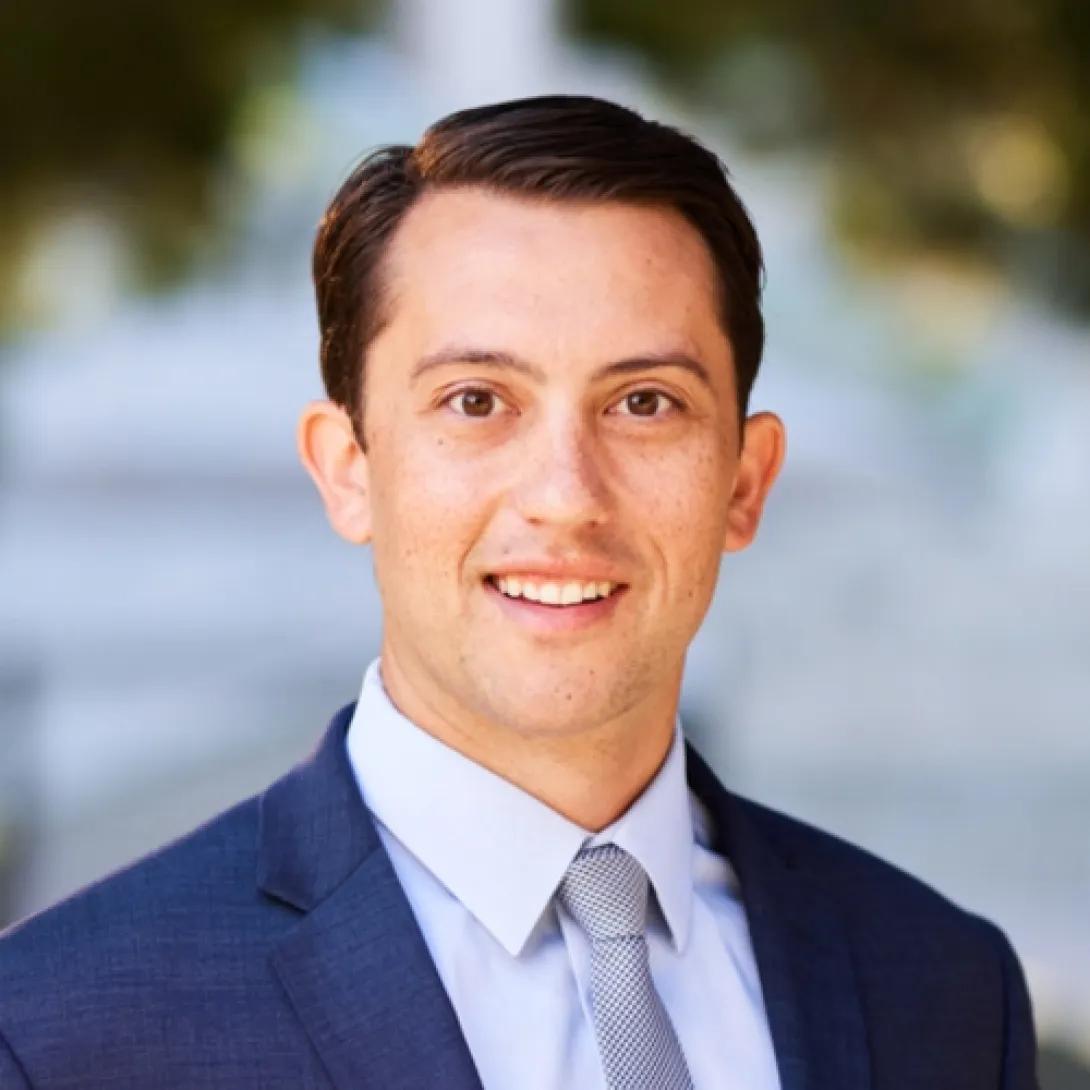
Matthew James Hartwell, MD
Clinical Assistant Professor
Sports Medicine, Orthopedic Surgery
Michael Maher Kheir, MD
Clinical Assistant Professor
Orthopedic Surgery
Miguel Angel Linares, MD
Clinical Assistant Professor
Sports Medicine, Family Medicine
Andrew Gray Urquhart, MD
Clinical Professor
Orthopedic Surgery
News & Stories
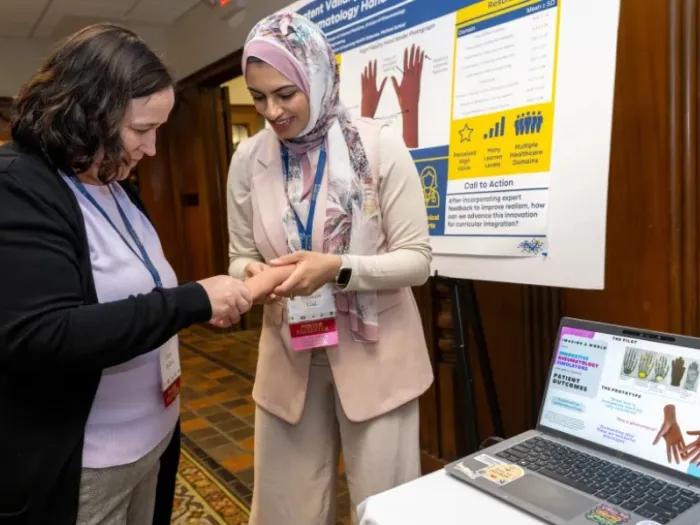
Rethinking how clinicians learn to feel disease
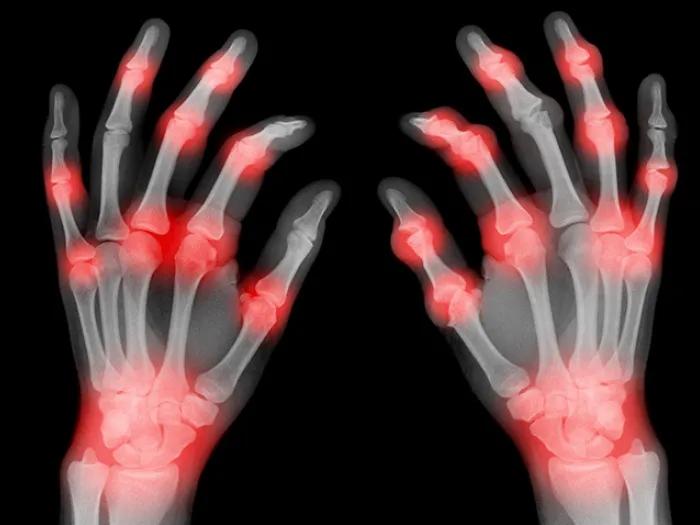
Treating arthritis of the hands
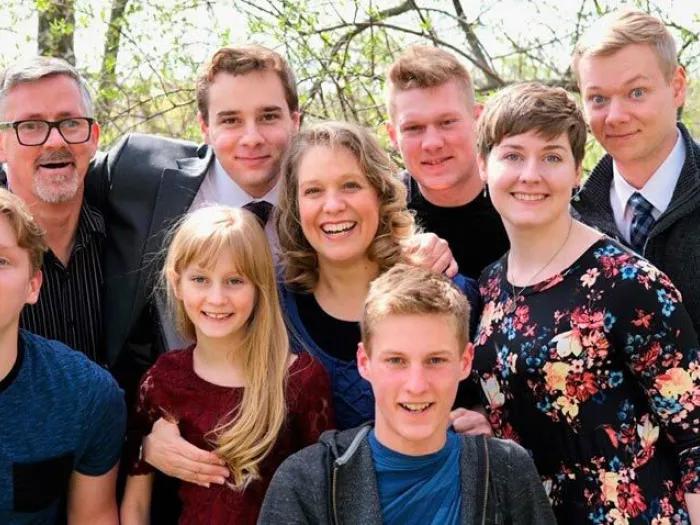
Family finds answers to rare, genetic glaucoma
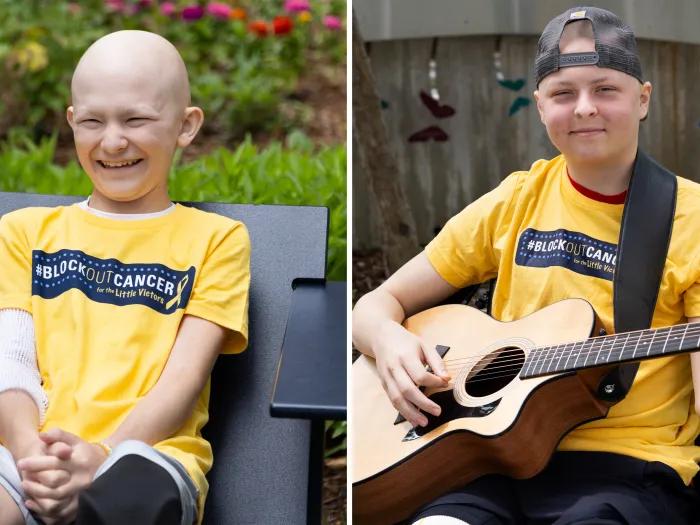
Two pediatric cancer patients become close friends during treatment
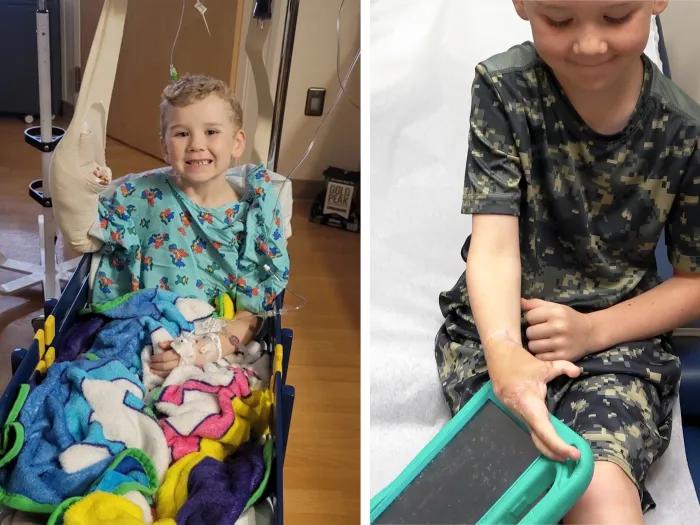
Using a toe for a thumb: Lawn mower accident results in 6-year-old's new digit