Lymphoproliferative Diseases
Lymphoproliferative Diseases
What are lymphoproliferative diseases?
One type of white blood cell in the body is known as a lymphocyte. There are many different types of lymphocytes, which like other white blood cells, play a role in fighting infections. When faced with an infection, the number of lymphocytes will multiply in order to have a greater number of cells to combat the invading organism. This increase in lymphocytes often occurs in structures known as lymph nodes.
Lymph nodes are located throughout the body and collect fluid samples of surrounding tissues and organs to determine if an infection is taking place. If an infection is found, lymphocytes will mature and multiply within the lymph node as part of a normal immune response. You or your physician can detect this activation by noticing enlarged lymph nodes on a physical exam or by a blood test indicating increased lymphocyte numbers. Once the infection has been eliminated, the lymph nodes return to normal size and the lymphocyte number returns to its pre-infection level.
Although an increase in lymphocytes is part of a normal immune response, there are some diseases that result in an abnormal increase in lymphocytes. These disorders are known as lymphoproliferative diseases and result from a defect within the immune system that would normally prevent uncontrolled production of lymphocytes.
What are the types of lymphoproliferative diseases?
Some of the conditions we treat include:
- ALPS (Autoimmune Lymphoproliferative Syndrome)
- HLH (Hemophagocytic Lymphohistiocytosis)
- LCH (Langerhans Cell Histiocytosis)
- Leukemia
- Lymphoma
- XLP1 (X-linked Lymphoproliferative Syndrome 1/SAP deficiency)
- XLP2 (X-linked Lymphoproliferative Syndrome 2/XIAP deficiency)
Appointment Information
For more information regarding the Immuno-Hematology Comprehensive Program, or to schedule an appointment, please call 734-936-9814.
How are lymphoproliferative diseases diagnosed?
The lymphoproliferative diseases represent a category of vastly different disorders that vary in their clinical presentation, severity, timing of onset and treatment. Your physician may be concerned of a lymphoproliferative disease in your child if he or she has unexplained enlargement of lymph nodes or associated lymph organs (spleen or liver), fevers without an identified infectious source, low blood counts, frequent or severe infections, or a family history of a lymphoproliferative disorder.
The presence of one or more of these symptoms does not mean your child has a lymphoproliferative disorder as it may be a normal response to infection. However, if a lymphoproliferative disease is suspected, a referral to a center with expertise in the diagnosis and management of lymphoproliferative disease is important as the care is very specialized and requires input from multiple medical disciplines.
How are lymphoproliferative diseases treated?
Treatment for lymphoproliferative can include medication, chemotherapy, immunoglobulin therapy, home-based therapies or a bone marrow transplant. The type of therapy chosen for your child will depend on the type of lymphoproliferative disorder and the health of your child. In order to meet the needs of your child, our clinic has physicians with expertise in the crucial areas affected by lymphoproliferative disorders including immunology, hematology, oncology, genetics, infectious disease and bone marrow transplant. Our clinic will work closely with you and your primary physician to provide the best care for your child both at C.S. Mott Children’s Hospital and at your home.
Locations
-
Pediatric Hematology Clinic | C. S. Mott Children's Hospital 1540 E Hospital Dr
Floor 7 Reception C
Ann Arbor, MI 48109-4257Get Directions
Doctors
Jennifer Agrusa, MD
Clinical Assistant Professor
Pediatric Hematology-Oncology

Jennifer Rose Blase, MD
Clinical Assistant Professor
Pediatric Hematology-Oncology, Pediatrics

Joshua William Goldman, MD
Clinical Assistant Professor
Pediatric Hematology-Oncology

Thomas Frank Michniacki, MD
Clinical Associate Professor
Pediatric Hematology-Oncology, Pediatrics

Rajen Mody, MBBS
Clinical Professor
Pediatric Hematology-Oncology, Pediatrics
Kelly Jo Walkovich, MD
Clinical Professor
Pediatric Hematology-Oncology, Pediatrics

Emily Byrnes Walling, MD, MPHS
Clinical Associate Professor
Pediatric Hematology-Oncology, Pediatrics
News & Stories

Continuing the legacy of a doctor’s doctor

A pediatric epilepsy fundraiser that changes lives
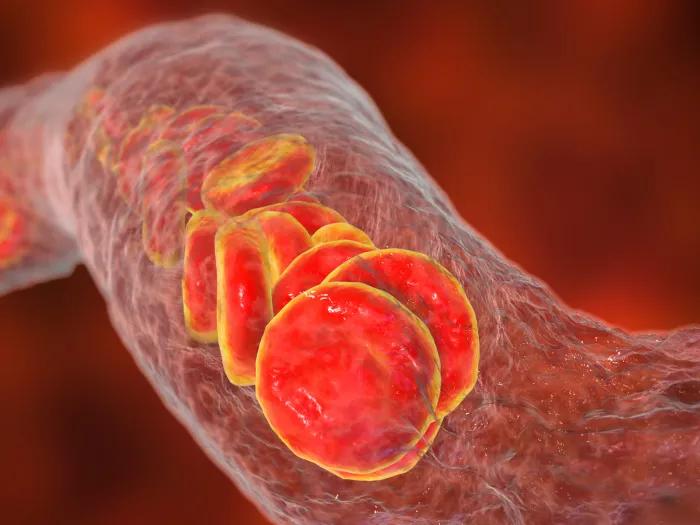
FDA-approved drug offers hope for patients with polycythemia vera, a rare bone marrow disorder

Block Out Cancer: From a crisis abroad to answers at Mott
Research may help better predict outcomes in kids with congenital cytomegalovirus