Stanford Morris ALS Clinic
Stanford Morris ALS Clinic
The Stanford Morris ALS Clinic at U-M Health is committed to providing comprehensive and compassionate care to persons living with ALS and their loved ones. We are a Certified Treatment Center of Excellence by the ALS Association for more than 25 years.
Our Approach
Our goal in the Stanford Morris ALS Clinic is to offer world-class care that slows ALS and improves ALS-related symptoms while connecting you with research working to identify new treatments and end the disease. As a multidisciplinary clinic (the standard of care in ALS) you may meet with as many as 11 different clinical providers over the course of a visit. Each provider is to make sure you have everything you need – not only while you’re with us, but also after you head back home.
Clinic visits may last 4 hours, and we are all here to help you live your best life.
Here’s who you are likely to see while you’re here:
- An ALS neurologist to assess you, prescribe necessary therapies and oversee your care
- An ALS nurse to coordinate your care and help carry out your care plan
- A nutritionist to set nutritional goals and identify strategies to maintain nourishment
- A pulmonologist and respiratory therapist to help with your breathing
- A physical therapist to focus on preserving strength, stretching/range of motion, and safe mobility/transfer strategies
- An occupational therapist to maximize independence and incorporate adaptive strategies
- A social worker to support care management, community resources and mental wellness
- A clinical assessment and research engagement (CARE) coordinator to help obtain clinical scales and connect you with ALS research
- A speech and language pathologist to support swallowing and communication needs
- A rehabilitation engineer to support wheelchair seating and mobility options
Research shows that active, aggressive management of amyotrophic lateral sclerosis improves outcomes and maximizes quality of life. This is our approach in the Stanford Morris ALS Clinic.
Our multidisciplinary team assesses the needs of each person living with ALS and their family to develop an individualized care plan that addresses every step of the ALS journey. Once an individual is diagnosed with ALS, our team immediately begins its work implementing a wide array of clinical services designed to support patients and families to maximize care, independence, function, and quality of life:
The generosity of The Stanford Morris Foundation has led to the endowment and naming of the Stanford Morris ALS Clinic. It honors the legacy of Stanford Morris, who lived with ALS.
Standford Morris ALS Clinic Team Member Roles
The Standford Morris ALS team develops an individualized care plan that addresses every step of the ALS journey. Here are the roles of our team members you may encounter during your visit.
Dietitian
A dietitian helps people with ALS get the nutrition they need. They check nutrition early and often to help keep weight steady and prevent muscle loss. This is important because people with ALS often need more calories and protein.
A dietitian can also help with common ALS problems, such as:
- Low appetite
- Fatigue from feeding yourself
- Trouble swallowing
- Tube feeding, if needed
Speech-Language Pathologist
The role of the speech-language pathologist is to assess speech and communication skills and implement strategies to enhance communication.
Instruction in the use of compensatory strategies (such as slowing the rate of speech, separating the syllables, and over-enunciating the speech sounds) can be helpful.
These strategies can also be augmented with communication devices such as magic writing slates, alphabet boards, picture boards, eye-scanning boards, electronic devices with voice output, and even high-tech computerized devices.
Our speech-language pathologists will also conduct swallowing evaluations and offer safe swallowing strategies and suggestions.
Social Worker
The role of the social worker is to provide psychosocial support, education, brief counseling, and resource coordination to help patients and families navigate the emotional, practical, and financial challenges of living with ALS. The social worker assesses coping, mental health, emotional well-being, caregiver needs, and safety concerns; facilitates advance care planning and goals-of-care discussions; connects patients with community resources, benefits, and support services; advocates for patient needs and offers ongoing support through disease progression.
Pulmonologist and Respiratory Therapist
The role of the pulmonologist and respiratory therapist is to assess for therapies to support and enhance breathing, including breathing exercises, cough assist machine, and ventilation support.
Physical Therapist
The role of the physical therapist is to assist with recommendations for exercise, equipment, mobility, and safety. This may include instructions for stretching or range of motion exercises to help maintain flexibility and reduce cramping.
The physical therapist may also recommend devices and equipment such as an ankle-foot orthosis, a cane, a wheelchair, or a neck brace to help in maintaining mobility and independence.
Instruction also includes proper methods for moving, transferring, and lifting patients. The physical therapist may make recommendations for safety equipment including aids for transfers, lifts, grab bars, and shower chairs.
Their goal is to promote safety and independence while avoiding fatigue or injuries. Your physical therapist will develop an individual plan for you and your family to achieve your goals for independent mobility with your available function and strength.
Occupational Therapist
Occupational therapists assist patients with ALS in maximizing their independence, safety, and quality of life, with a focus on the activities that matter most to each individual.
Occupational therapists not only assess and advise about current levels of physical and cognitive functioning but also anticipate changes that come with disease progression. They make recommendations for equipment, task adaptations, and home modifications before the need becomes urgent.
Occupational therapists also partner with caregivers, providing training to family members in positioning techniques, transfers, pain management, and equipment use so that families can be confident with assisting their loved ones at home.
Multidisciplinary Team Member Roles
The U-M multidisciplinary team assesses the needs of each patient and develops an individualized care plan that addresses every step of the ALS journey. Here are the roles of some of the team members you may see during your visit.
The role of the dietitian is to develop an individual program to provide adequate nutrients to maintain weight and prevent weight loss that may occur during the course of ALS.
The dietitian will determine how many calories, grams of protein, and fluids should be consumed each day. In addition, the dietitian can provide input on food consistency, supplementation, and tube feeding formulas.
The role of the speech-language pathologist is to assess speech and communication skills, implement strategies to enhance communication, and assure that persons with ALS can express their feelings, thoughts, and needs.
Instruction in the use of compensatory strategies (such as slowing the rate of speech, separating the syllables, and over-enunciating the speech sounds) can be helpful.
These strategies can also be augmented by communication devices such as magic writing slates, alphabet boards, picture boards, eye scanning boards, electronic devices with voice output, and even high-tech computerized devices.
Our speech-language pathologists will also conduct swallowing evaluations and offer safe swallowing strategies and suggestions.
The role of the social worker is to assess the impact of recent physical, emotional, and financial changes in persons with ALS and the family unit and how the patient and family are coping.
Current and future needs are addressed and suggestions for community resources are provided.
The role of the respiratory therapist is to obtain measurements of respiratory function and instruct the ALS patient and family in the use of therapeutic measures such as breathing exercises and assistive coughing and in the use of equipment such as a breathing tube.
The role of the physical therapist is to assist the patient in the areas of exercise, equipment, and safety. This includes patient and caregiver instruction in stretching and range of motion exercises to help maintain flexibility and reduce cramping.
The physical therapist may also recommend devices and equipment such as an ankle-foot-orthosis, a cane, a wheelchair, or a neck brace to help in maintaining mobility and independence.
Instruction in proper methods for moving, transferring, and lifting patients and recommendations for safety equipment including aids for transfers, lifts, grab bars and shower chairs are also provided. The goal is to promote the highest level of possible function, for as long as possible while avoiding fatigue.
The role of the occupational therapist is to provide persons with ALS options, resources, and information for maintaining independence in activities of daily living.
The occupational therapist assesses the patient’s functional abilities (range of motion, muscle strength, daily activity levels, and mobility) and performance in activity areas such as dressing, feeding, hygiene, and in the work environment.
Adaptive devices such as rocker knives, button hooks, handwriting aids, book holders, zipper pulls, key holders, reachers and grab bars may be recommended to assist weakened muscles, reduce fatigue, promote safety, and enhance life quality.
Appointment Information
To request an appointment or to get more information, please call 734-936-9006, and a team member will get back to you within two business days.
Research
A world leader in the fight against ALS, the Scott Pranger ALS Center and Stanford Morris ALS Clinic at Michigan Medicine features a combination of renowned researchers, unrivaled facilities, and the partnership of a dedicated multidisciplinary clinic team. An unparalleled ALS research team with collaborators across the globe leverage basic science, clinical, and observational studies to understand the causes of ALS, develop more effective treatments, and one day make ALS a preventable disease.
Frequently Asked Questions
Anticipated charges include the neurologist visit and pulmonary function testing. If blood is collected for clinical testing (not research testing), a laboratory charge will apply.
Visits by the pulmonologist, physical medicine and rehabilitation physician, interventional radiology, and speech-language pathologist will be billed. For questions about visits by the dietitian, social worker, occupational therapist, or physical therapist, please contact our program at 734-936-9010.
If you need copies of your medical records sent to you personally or to another medical provider, please contact Health Information Management-Release of Information Unit at 734-936-5490. Medical records and laboratory tests can also be viewed on the patient portal.
Please contact us as soon as you know you are unable to keep your appointment. This will enable us to offer an appointment to another patient.
Sometimes a medication or treatment requires that prior authorization be obtained by your insurance company. Prior authorization from your insurance company can take 10-15 days.
Once the prior authorization decision is made, typically your insurance company will notify both you and us in writing. If, after 10-15 days, you have not heard from our office regarding the prior authorization decision, please contact our office at 734-936-9010 or via the patient portal. Thanks!
Return visits may or may not be scheduled at the time of checkout at your clinic visit. Sometimes, a return visit is not scheduled due to the need to coordinate multiple visits. If a return visit is not scheduled at that time, we will contact you to schedule one.
Yes, we are happy to complete these forms. Our program receives many requests for family medical leave and/or VA paperwork. Please note it could take 10-14 business days to complete your request.
To expedite your medication requests, it’s best to initiate a request through the patient portal or contact our office via telephone at 734-936-9006. For urgent requests, please contact us by phone.
Locations
-
Neurology Clinic | Med Inn Building 1500 E Medical Center Dr
Floor 7
Ann Arbor, MI 48109-5845Get Directions
Doctors

Eva Lucille Feldman, MD, PhD
Professor
Neurology, Electrodiagnostic Medicine
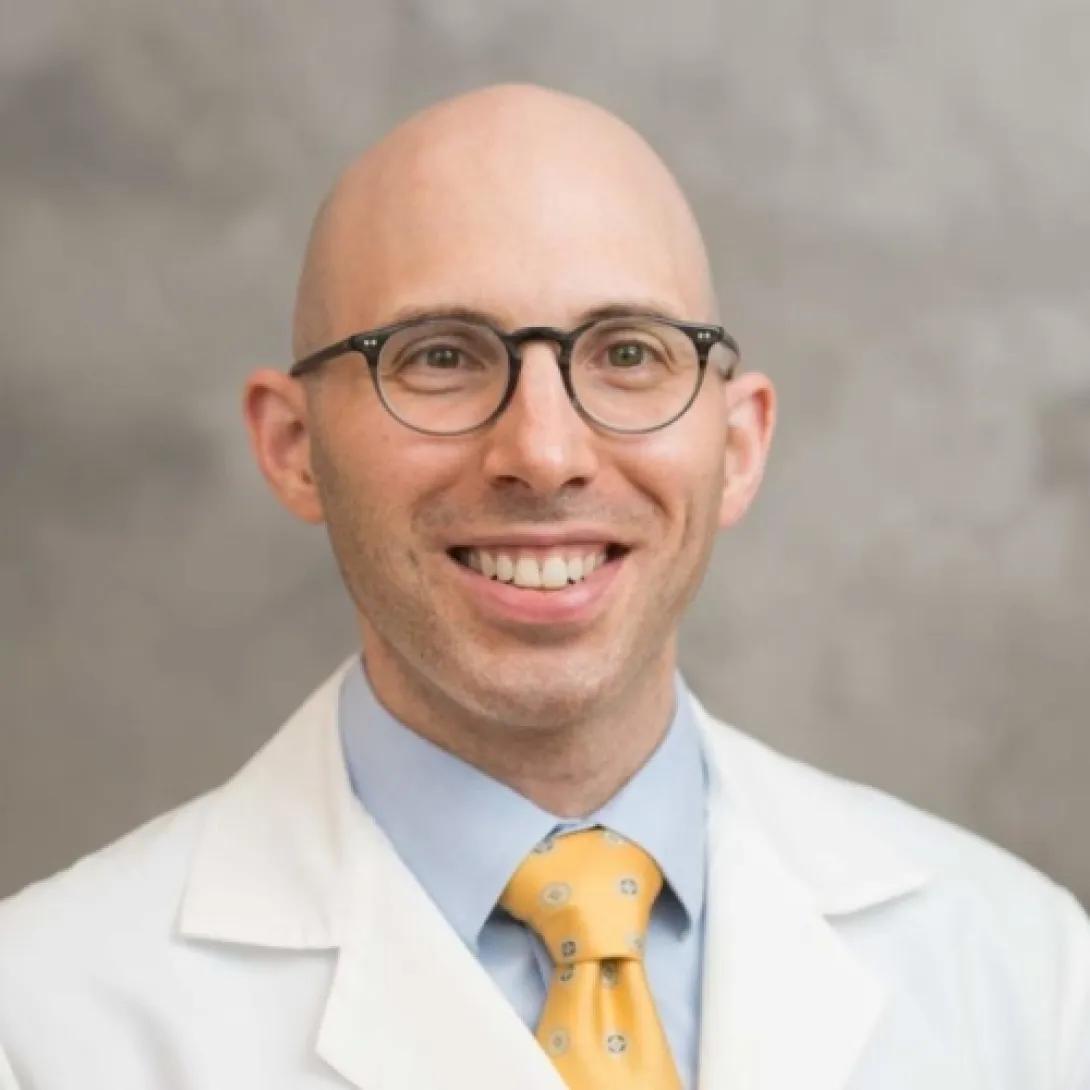
Stephen Aaron Goutman, MD
Professor
Neurology, Electrodiagnostic Medicine, Neuromuscular Medicine

Sara Hanif Mirza, MB BS
Clinical Associate Professor
Critical Care Medicine, Pulmonary Diseases, Internal Medicine
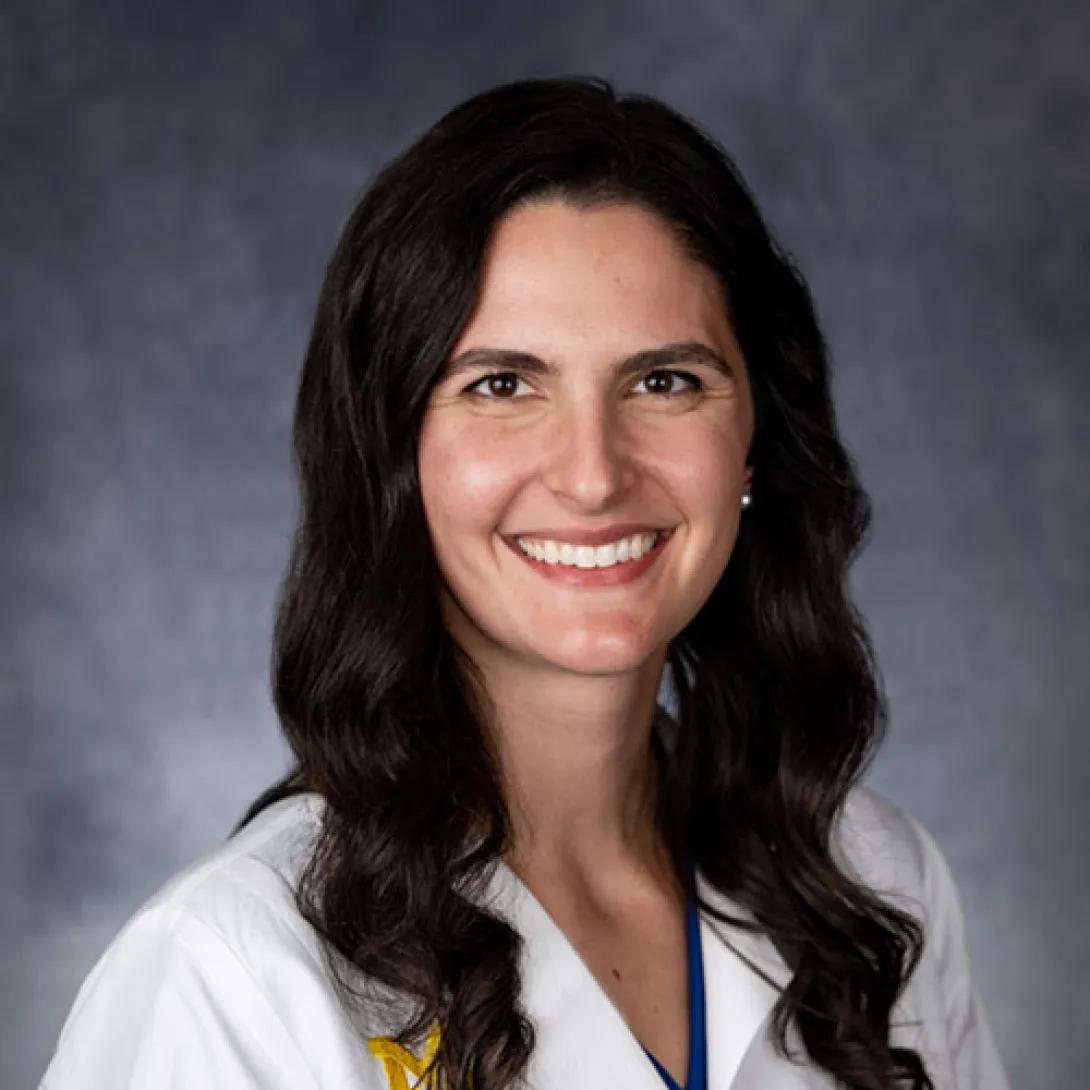
Savannah Quigley, MD
Clinical Assistant Professor
Neurology, Electrodiagnostic Medicine, Neuromuscular Medicine
News & Stories

A pediatric epilepsy fundraiser that changes lives
Engineered nanoparticles sensitize gliomas to radiotherapy

Trial focuses on duration of therapeutic hypothermia for out-of-hospital cardiac arrests

E-bikes are faster than ever. Are families prepared for the risks?
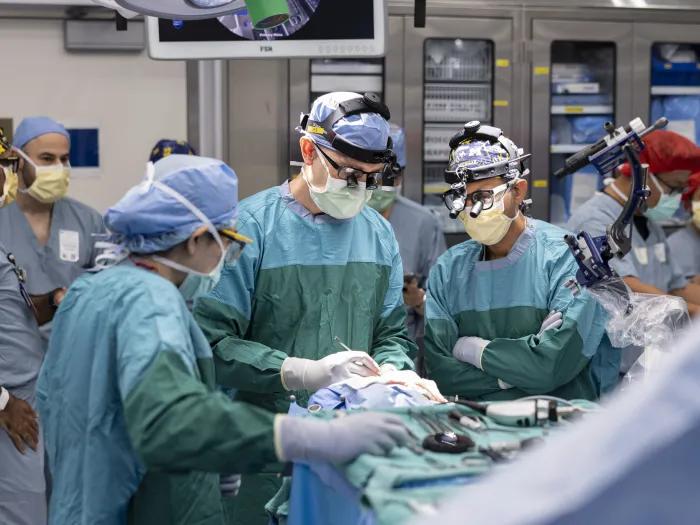
University of Michigan implants first-in-human Paradromics wireless brain-computer interface, designed to restore communication