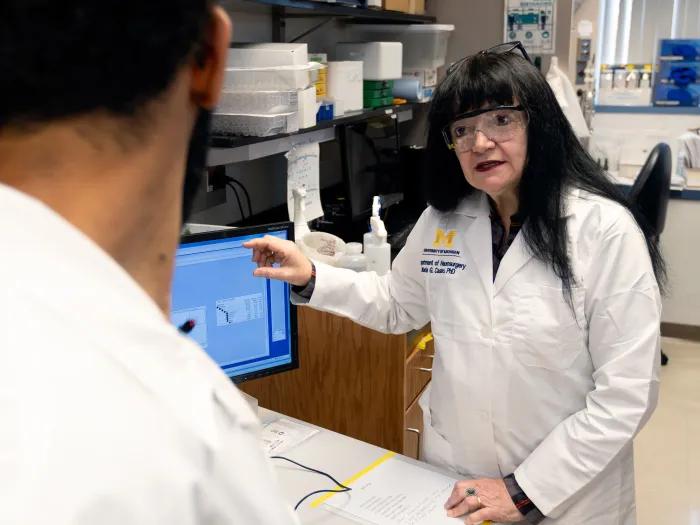
Brain Tumor Surgery
Receiving a diagnosis of a brain tumor can be frightening. The Brain Tumor Program’s neurosurgery team at University of Michigan Health will address your concerns with compassion, surgical expertise and cutting-edge research.
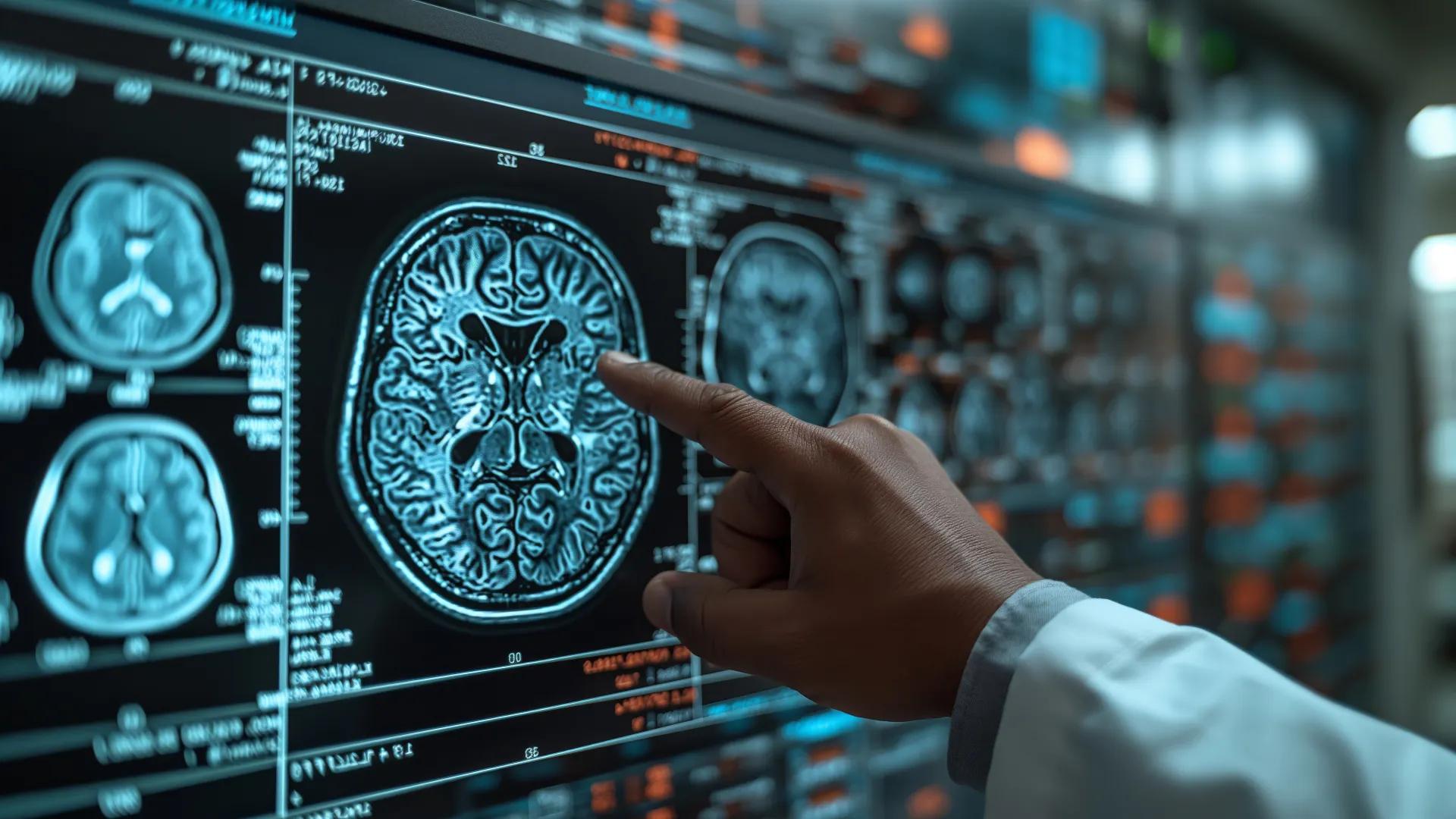
We are experts in evaluating and treating all types of brain tumors, including primary brain tumors, pituitary tumors, and metastatic brain tumors. You will be seen by our neurosurgery experts who will determine the next steps in diagnosing and treating your brain tumor.
What are the different types of brain tumors?
A brain tumor is an abnormal growth of cells in the brain or the central nervous system. These tumors can be benign (non-cancerous) or malignant (cancerous). They can also spread to the brain from other parts of the body.
We have teams of specialists that have expertise in all these tumor types.
- Gliomas: These tumors arise from glial cells, which support and protect neurons. Types of gliomas include astrocytoma, glioblastoma, and oligodendroglioma.
- Meningiomas: These tumors grow from the protective membranes (meninges) that cover the brain and spinal cord.
- Metastatic Tumors: Metastatic brain tumors are tumors that spread to the brain from other parts of the body. They are also known as secondary brain tumors.
- Pituitary tumors: These tumors develop in the pituitary gland, which produces hormones.
- Schwannomas: These tumors grow on nerve-insulating cells (Schwann cells).
- Skull-Based Tumors: These tumors may grow in the area behind the nose and eyes, near the ear, and along the base of the brain.
Malignancy
We see patients with both benign and malignant tumors.
- Benign: These tumors are non-cancerous and typically grow slowly.
- Malignant: These tumors are cancerous and can spread to other parts of the body.
What are the different types of surgeries offered?
There are several types of brain tumor surgery, including:
- Craniotomy: The most common type of surgery, where a section of the skull is removed to access the tumor.
- Awake Surgery – Also known as awake craniotomy, awake brain surgery involves removing a brain tumor while the patient is awake to allow for precise mapping of brain functions and minimize the risk of damaging critical areas.
- Endoscopic/ Transsphenoidal surgery: Surgery through the nose to remove tumors located at the base of the brain.
- Intraoperative MRI (iMRI) provides a detailed view of the brain and spinal cord during surgery vastly improving precision resection of the tumor.
- Laser ablation or laser interstitial thermal therapy (LITT) is a minimally invasive technique that allows us to treat all types of brain tumors including those that are located deep within the brain and challenging to remove.
- Stereotactic radiosurgery: Incisionless brain surgery or stereotactic radiosurgery uses tiny beams of high-energy radiation focused on the tumor to eliminate the abnormal cells. Stereotactic radiosurgery is used on tumors that are located deep inside the brain and are difficult to remove without damaging surrounding tissue.
Our Approach
We are one of the leading centers for removal of brain tumors as we have the surgical expertise and latest innovations in techniques and devices to provide the absolute best care.
- Patients with brain tumors are seen in our Multidisciplinary Brain Tumor Clinic where expert physicians in Neurosurgery, Neuro-Oncology and Radiation Oncology, three specialties most crucial for successful treatment, cover all types of tumors including gliomas, metastases and pituitary.
- U-M Health has one of a few programs in the nation that offer comprehensive awake brain surgery with a multidisciplinary team. Our expertise in mapping and resection allows us to remove the maximal amount of brain tumor from eloquent regions of the brain without causing any deficits.
- Our neurosurgeons were the first in the world to utilize Raman Histology to provide real time diagnosis of brain tumors to allow for more complete surgical removal of brain tumors.
- We emphasize minimally invasive surgery, in which tumors may be removed through the nose or by passing a scope into the brain.
- Our team is available to patients seeking comprehensive recommendations for a recent brain tumor diagnosis or those seeking second opinion consultations.
- We offer numerous clinical trials for brain tumors and all our patients are evaluated for a clinical trial during consultation.
- Our brain tumor coordinator is available to guide patients through the process and answer any questions.
Appointment Information
To make an appointment at our Neurosurgery Clinic please contact:
Wendy Schrader, RN
Brain Tumor Coordinator
[email protected]
734-763-7716
We are also able to provide care and expertise for patients remotely via virtual visits. You may request this option when you call.
What to Expect
At University of Michigan Health, we are involved in developing the next generation of incisionless/radiation free therapy.
- Scientists are working to develop an ultrasound therapy (Histotripsy) to treat brain tumors without having to make an incision.
- Researchers are developing the next generation of medications to increase survival. U-M Health Neurosurgeons, Neuro-oncologists, and Radiation Oncologists are working together in testing several medications which could improve survival in those with brain tumors
- U-M Health neurosurgeons are working to develop a method where a diagnosis of brain tumors could be made without the need for a brain biopsy. When successful, this could prevent the need for diagnostic brain surgery.
Together, we work to ensure personalized treatment recommendations that will maximize the benefits for each individual patient. Whether you are a patient with a new diagnosis or are seeking a second opinion after prior treatment, an appointment with a neurosurgeon at the Brain Tumor Program will provide access to the brain tumor expertise and clinical trial options only available at University of Michigan Health.
Clinical Trials
At University of Michigan Health, we have numerous clinical trials that you may be eligible for. To set up a visit to discuss your eligibility, please contact us at 734-763-7716.
Patient Stories
Hear from our patients as they share their stories and learn about the latest in brain tumor care on Health Lab
Doctors
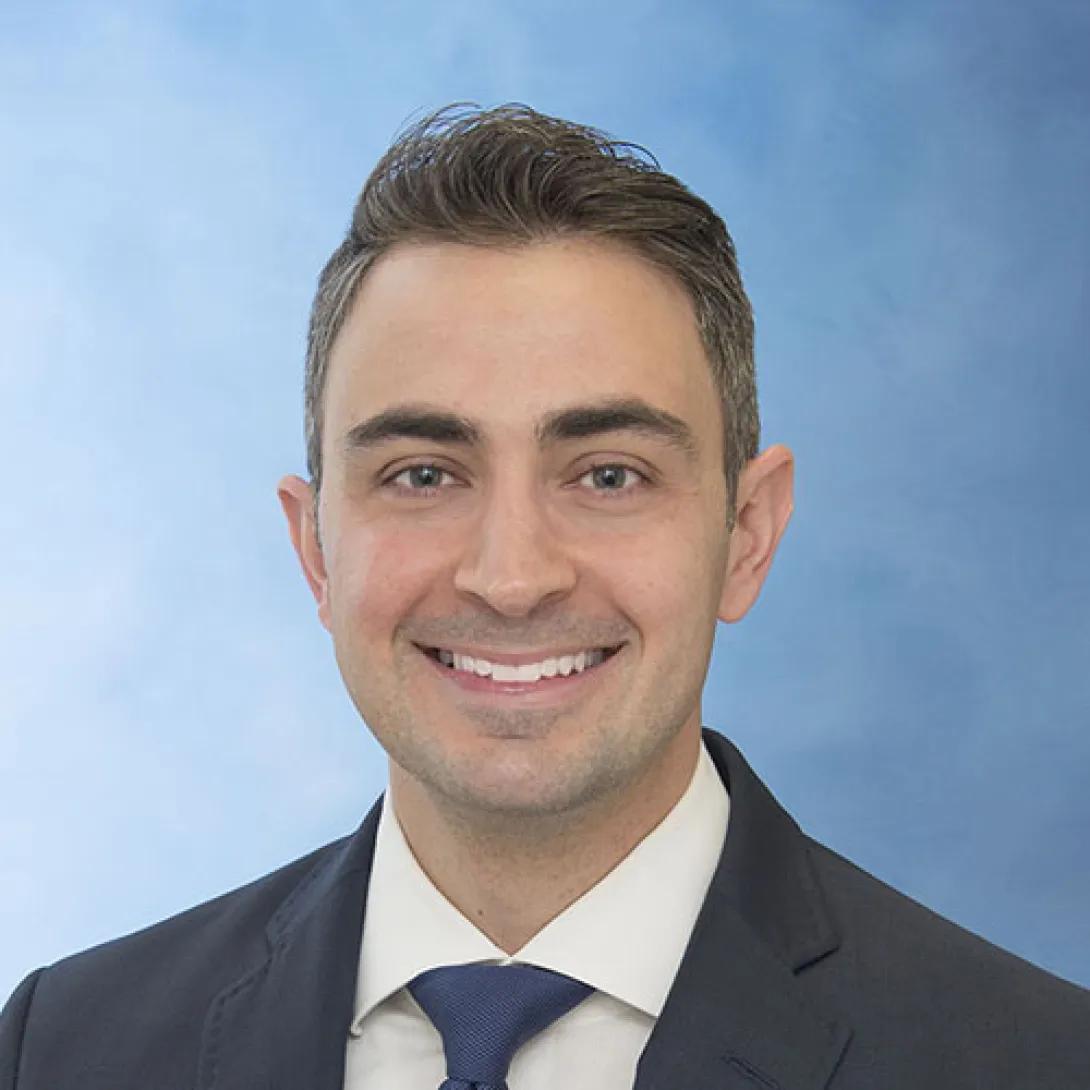
Wajd Nizar Al-Holou, MD
Assistant Professor
Neurological Surgery
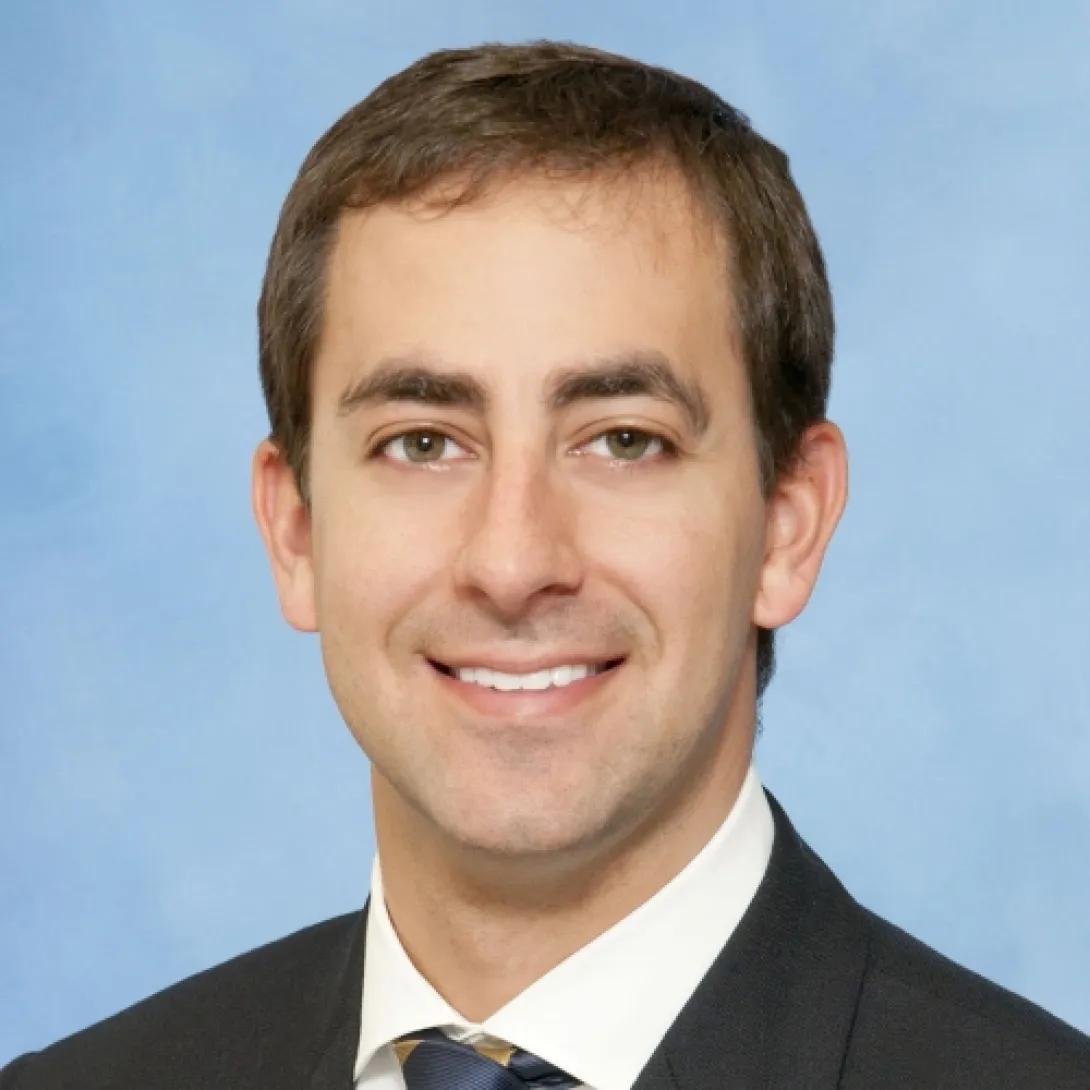
David Bernard Altshuler, MD
Clinical Assistant Professor
Neurological Surgery
Jason Anthony Heth, MD
Clinical Professor
Neurological Surgery
Todd Charles Hollon, MD
Associate Professor
Neurological Surgery
Aditya Swarup Pandey, MD
Professor
Neurological Surgery
Byron Gregory Thompson, MD
Professor
Neurological Surgery
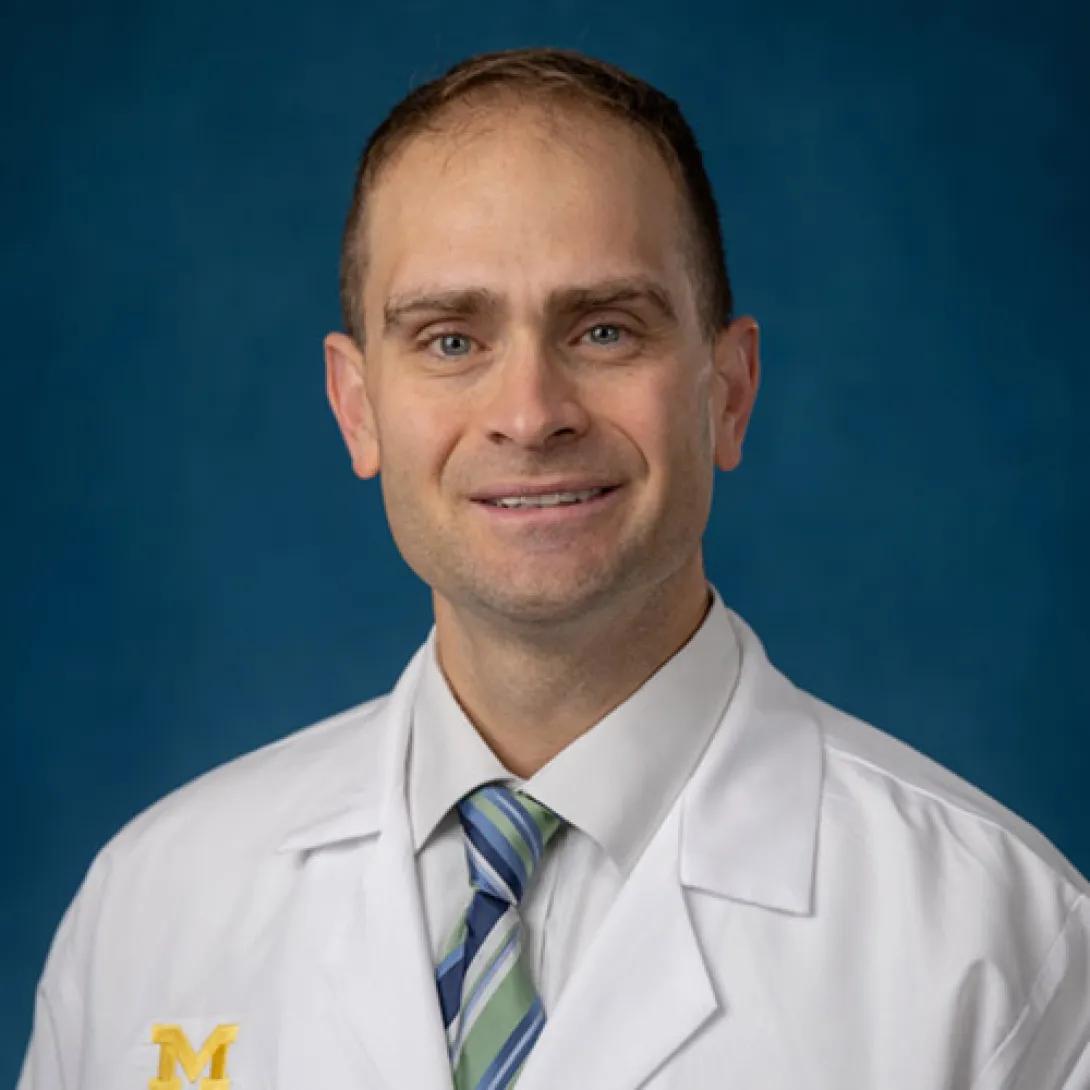
Matthew Steven Willsey, MD
Assistant Professor
Neurological Surgery
News & Stories
Psychedelics and anesthetics create mirror image patterns in the brain

No One is You and That is Your Power
Itaconate identified as a new target for pediatric brain tumors called ependymomas
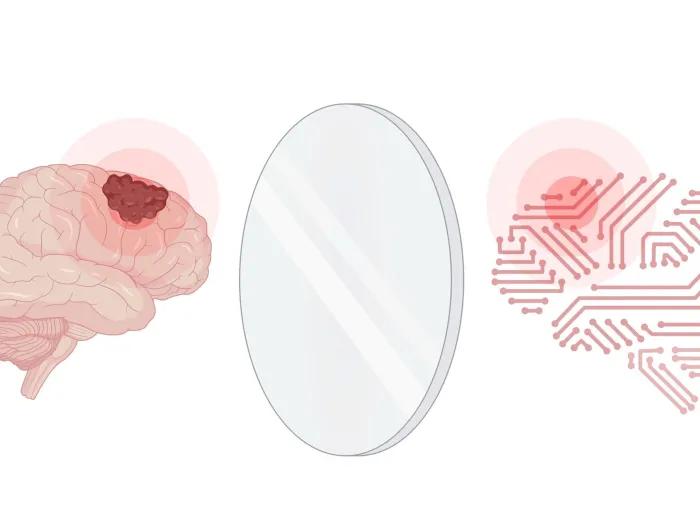
Brain cancer digital twin predicts treatment outcomes
Using a microfluidic device to monitor glioblastoma treatment outcomes