Congenital Heart Transition Program
Empowering you with the confidence and skills to smoothly transition from pediatric to adult congenital heart care, one step at a time.
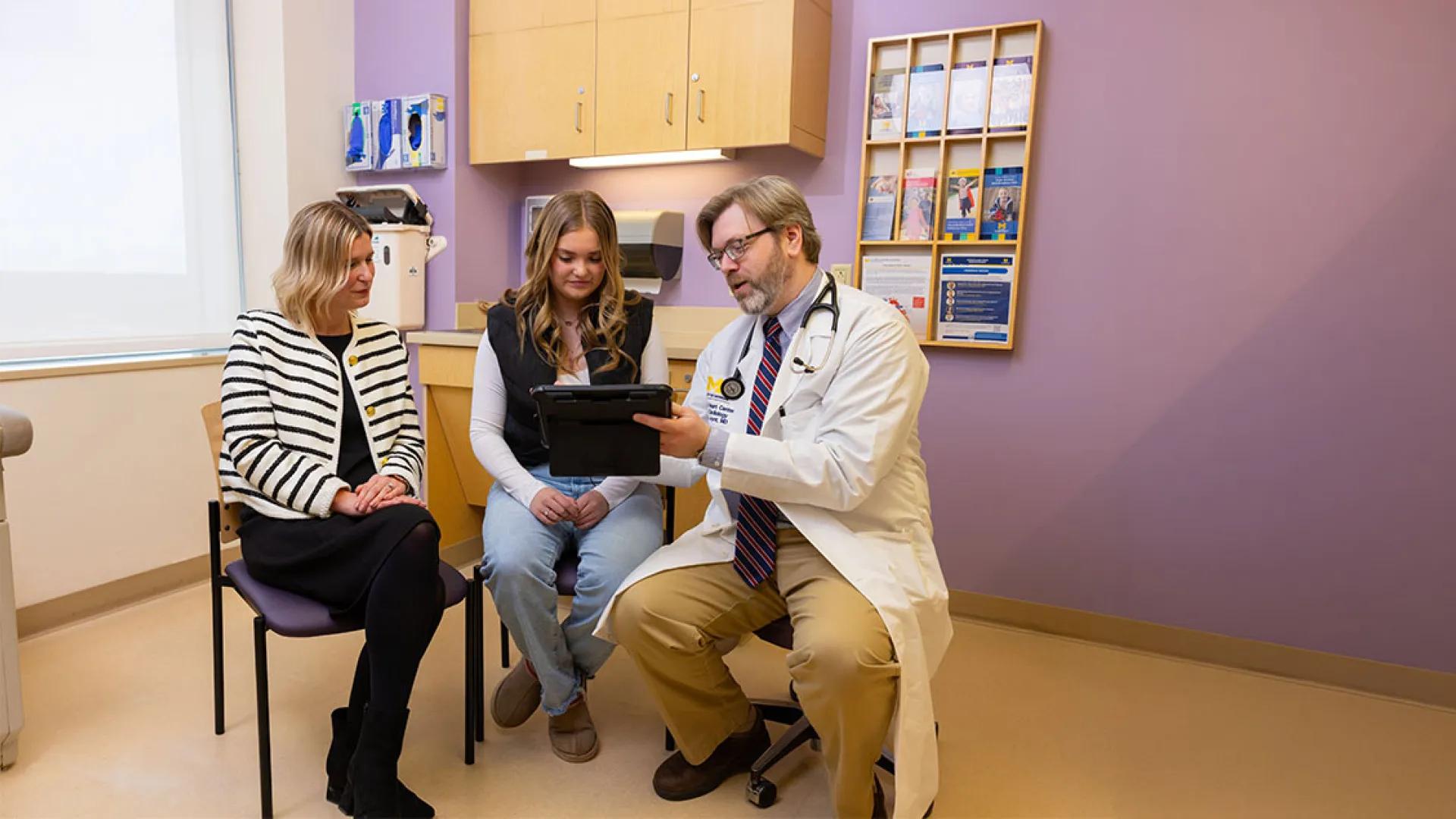
Living with congenital heart disease (CHD) can be challenging—and the idea of eventually managing your own care might feel confusing or even overwhelming. The Congenital Heart Center’s Transition Program is here to support you every step of the way. We provide personalized guidance tailored to your medical, educational, and emotional needs, helping you gain the knowledge and confidence to take ownership of your heart health.
Transition is the process of getting ready for health care as an adult. It means gradually taking on more responsibility for your health care tasks, like taking medications and knowing about your medical condition. Transition is a gradual process that generally happens over many years while under the care of a pediatric cardiologist with the end goal of transferring care to an adult congenital cardiologist.
Our Approach
The Transition Program is led by transition coordinators who are certified nurse practitioners, Andrea Craven, NP, and Elizabeth Stalder, NP. A dual trained pediatric- adult cardiologist and pediatric psychologists are also part of the team. We also have support and resources offered by the Congenital Heart Center’s M-COPE Psychosocial and Educational Program, exercise specialists, and social workers.
Transition Visit
Transition Clinic visits, offered in-person or virtually, are led by a dedicated coordinator and can be scheduled with or separately from your pediatric cardiology appointment. Before your visit, you’ll complete a brief survey to help us tailor a personalized learning plan that supports your heart health journey. Appointments are billed as cardiology visits. The first session may last up to an hour; follow-ups typically take 20-30 minutes. Visits are spaced out over time and continue until you successfully transfer to adult congenital care.
Our team can help you learn more about:
Your specific CHD
Your past heart procedures
What it means to take an active role in your heart health
Managing medications
Nutrition and exercise
Emergency medical situations
Lifestyle, travel and career considerations
Emotional and behavioral health
Pregnancy and birth control
Our goal is not to replace the care that you are receiving from your pediatric cardiologist, but to provide additional support and education, while promoting independence with your heart health. Some patients may need one visit, others may need many. We are here to support you through the transition process.
We are also able to refer patients to specialty clinics for additional health education and support including:
- Genetics
- Preconception counseling
- Family planning counseling
- Psychology
- Heart Club
Who We Treat
Patients of the Congenital Heart Center with CHD that are 12 to 30 years old will benefit from the transition program. We encourage you to speak to your pediatric cardiologist about meeting with our transition team. Meeting with the transition team does not mean you will leave your pediatric provider, but will help prepare you for lifelong heart care.
Appointment Information
To request support from the Transition Program at the Congenital Heart Center, call 734-764-5176. Virtual appointments are available.
Frequently Asked Questions
No. Participation in the Transition Program is not to replace your current care, but to provide you with education and any extra support you may need or want during your transition. The timing of transferring care to a different provider is a very personal decision that is discussed and decided by each patient with their Pediatric Cardiologist.
We know that emotional and mental health are some of the most important factors for successful transition and transfer to adult health care. Because of this, psychologists and social workers are key members of our Transition Program team. The Transition Program partners with the Congenital Heart Center M-COPE Psychosocial and Educational Program to offer screening, referral and intervention for patients needing additional coping or mental health support. Some examples of support available through our Transition and M-COPE Programs include:
Pediatric Psychology: Our Congenital Heart Center pediatric psychologists provide assessment and therapy (including virtual sessions!) to children, teens and young adults in and out of the hospital setting to address a number of things that could impact transition success, including coping with illness, anxiety or sad mood, treatment adherence, and more.
Patient Resources
Webinars:
- Focus on Exercise with Congenital Heart Disease - Jesse Hansen, MD
- Well Being and Mental Health with Congenital Heart Disease
- Women's Health in Congenital Heart Disease - Angela Quain, M.D.
- Travel Planning: Carry Your Umbrella. Preparing for domestic and international travel with ACHD
- Taking Over Your Care With Congenital Heart Disease
Locations
-
Congenital Heart Center | C. S. Mott Children's Hospital 1540 E Hospital Dr
Floor 11 Reception C
Ann Arbor, MI 48109-4284Get Directions
Doctors

Michael Robert Joynt, MD
Clinical Assistant Professor
Adult Congenital Heart Disease, Pediatric Cardiology, Pediatrics, Internal Medicine
Providers
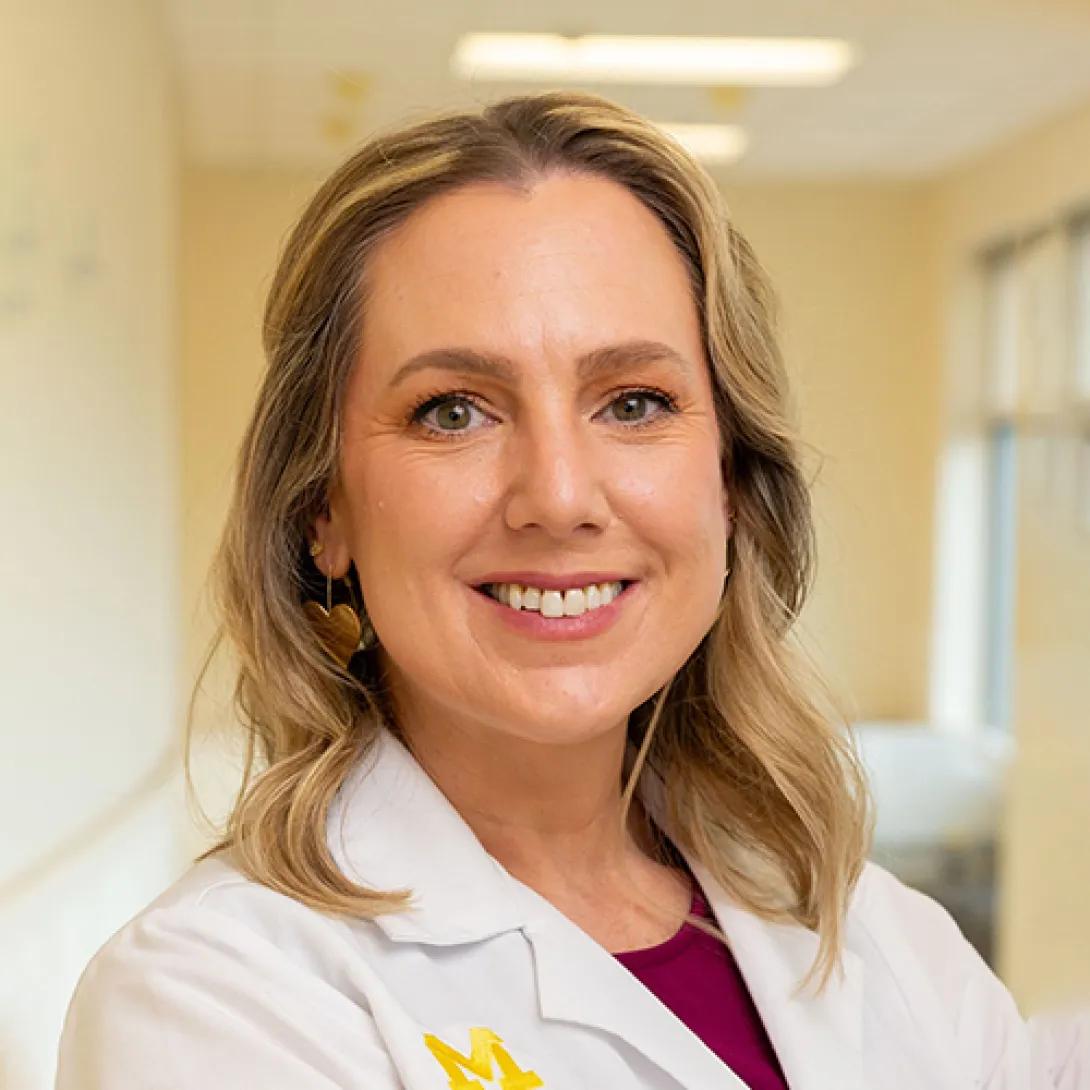
Andrea Michelle Craven, NP
Advanced Practice Nurse
Nurse Practitioner

Kelly Rea, PhD
Clinical Assistant Professor
Clinical Child & Adolescent Psychology, Clinical Psychology
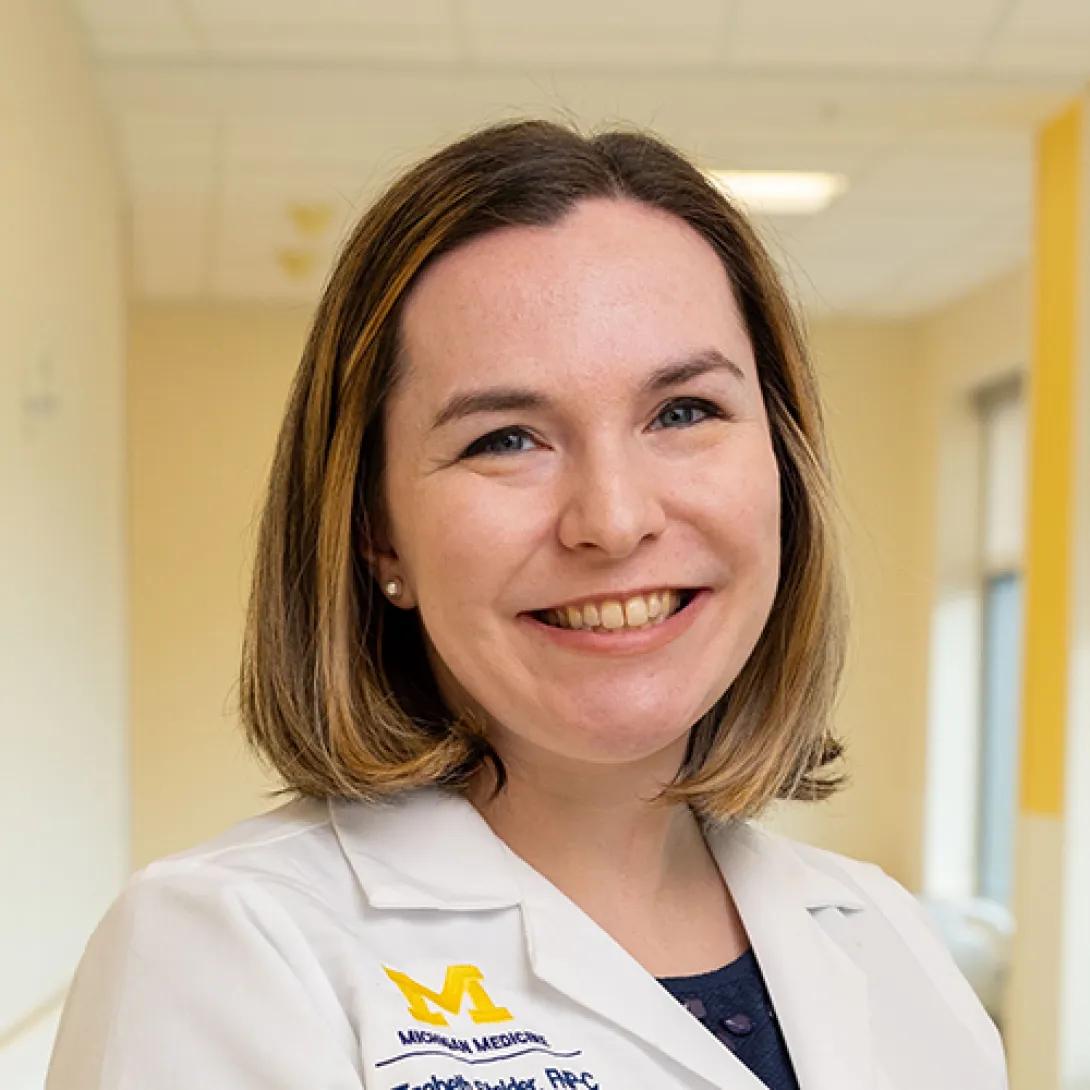
Elizabeth Helen-Kristoff Stalder, NP
Advanced Practice Nurse
Nurse Practitioner
News & Stories

C.S. Mott Children’s Hospital first in country to implant expandable heart valve during FDA review phase

Born with half a heart, headed to college with a full life
Expert complex heart surgery team saves baby with rare genetic heart condition
Specialized local care gives baby with severe heart condition a stronger start before surgery
How to use an AED in a cardiac emergency