Wilson Disease Clinic
Wilson Disease Clinic
The Wilson Disease Clinic, part of the University of Michigan Health’s Hepatology Program, is a Wilson Disease Center of Excellence, as designated by Wilson Disease Association. We earned this designation because of our commitment to optimizing care, diagnosing patients affected by this disease, and communicating advances through a team of specialized providers.
Our Approach
At the University of Michigan Health, we provide comprehensive care for patients with Wilson Disease. Our team consists of a liver doctor, neurologist, speech pathologist, liver transplant doctors, dieticians, genetic counselors, nurse specialist, patient coordinator, psychiatrists and laboratory technicians.
Services
Wilson disease is often confused with other liver diseases such as alcoholic liver disease, fatty liver disease due to obesity, or acute liver failure due to hepatitis viruses or drugs/toxins. It can also be confused with other neurological diseases, such as Parkinson’s disease or Multiple Sclerosis.
Testing
Diagnosis of Wilson disease begins with performing an exam and collecting a thorough history. A blood test will check liver function and detect copper and ceruloplasmin (a protein involved in copper binding). A urine test will measure the copper excreted in the urine. And a slit-lamp eye exam may be required to check for Kayser-Fleischer rings, which are brown-colored rings (excess copper) around the irises.
A liver biopsy tests for the amounts of copper in the liver and the degree of liver damage. It is performed by inserting a thin needle through the abdomen into the liver where a small piece of tissue is removed for examination under a microscope. Imaging tests, such as an MRI or a CT scan may be ordered for those with neurologic symptoms.
Treatment
The goal of treatment is to first remove the excess copper and then achieve a more typical level of copper in the body long-term. Treatments include:
- Medications
- Lifestyle changes
- Treatment of neurological problems
- Liver transplantation
- Clinical trials
Genetic Counseling
Genetic testing is a choice, not a requirement. There are pros and cons to getting tested, and you must weigh that information carefully before making your decision. The genetic counselors of the Neurogenetic Disorders Program are available to educate you and answer your questions about genetic testing. They will also help you understand your risk of getting a disease related to genetics or of having a child with an inherited disease. For more information on genetic counseling, call 734-936-3087.
Appointment Information
To schedule an appointment to discuss questions or concerns, call us at 844-233-0433.
Locations
-
Hepatology Clinic | Taubman Center 1500 E Medical Center Dr
Floor 3 Reception D
Ann Arbor, MI 48109-2435Get Directions
Doctors
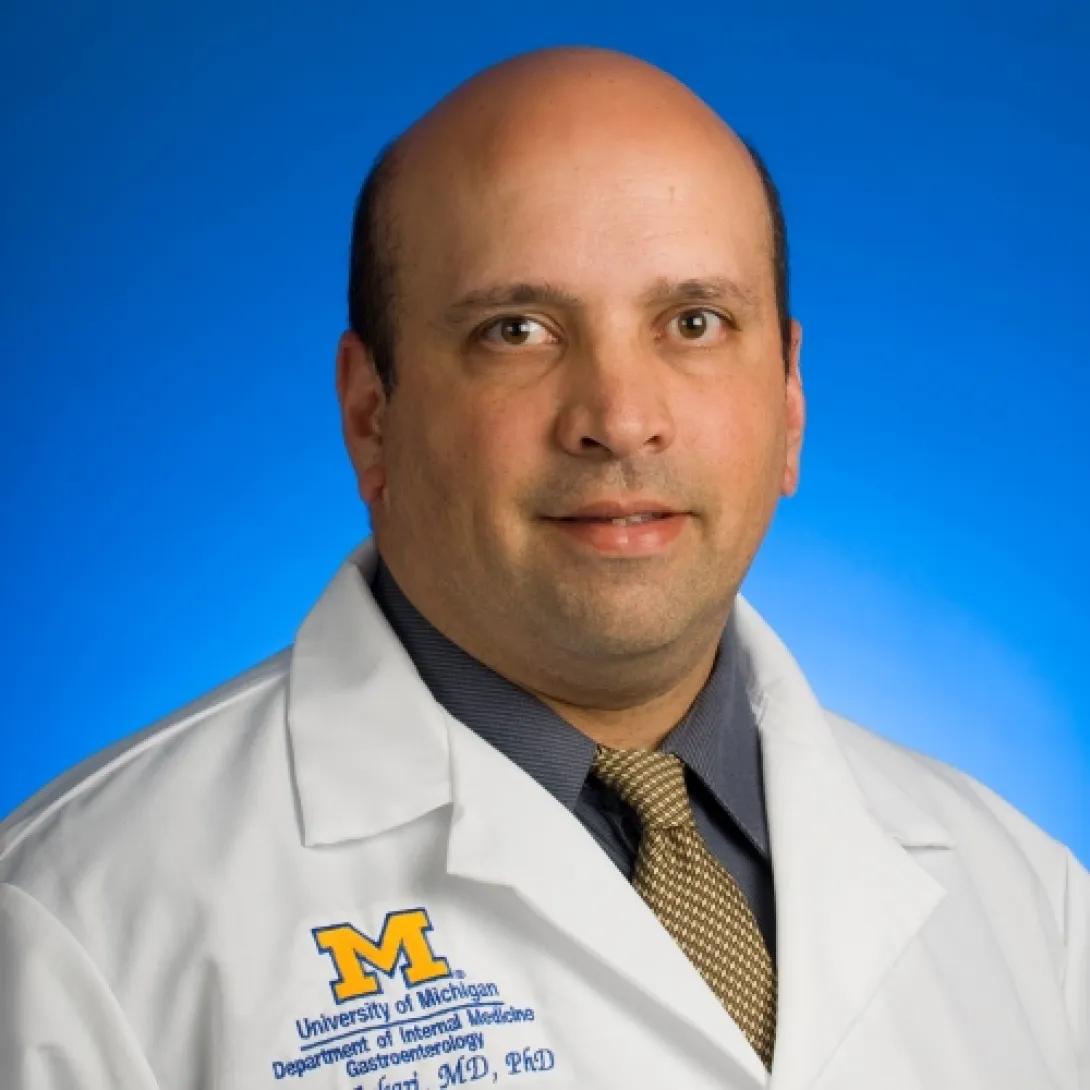
Frederick K Askari, MD, PhD
Clinical Associate Professor
Gastroenterology, Internal Medicine, Clinical Molecular Genetics
News & Stories

Gene editing is coming for common diseases. Are we ready?

Mutations attracted to the X chromosome amplify disease risk
Research may help better predict outcomes in kids with congenital cytomegalovirus

A gene discovery that changed cystic fibrosis care, and genetic research, forever

New study hints at the cause of a painful skin condition—and at a long-awaited potential treatment