Pediatric Renovascular Hypertension (pRVH)
Pediatric Renovascular Hypertension (pRVH)
What is Pediatric Renovascular Hypertension (pRVH)?
Pediatric renovascular hypertension (pRVH) is defined by high blood pressure resulting from renal artery and abdominal aortic occlusive disease (ie: narrowings, stenosis). It is the third most common form of hypertension in children, behind intrinsic kidney disease and coarctation of the thoracic aorta. The exact incidence of pRVH as a cause of secondary hypertension in the pediatric population is unknown, but is likely to account for 8% to 10% of those exhibiting marked blood pressure elevations and while the overall incidence is low, this disease accounts for a much larger proportion of high blood pressure in children than in the adult population.
Appointment Information
For domestic and international referrals or to learn about the Pediatric Renovascular Hypertension Program, call 734-936-5786 or email [email protected].
What are the symptoms of pRVH?
Patients typically do not show symptoms though headache, visual changes and poor growth are sometimes associated. Without treatment, serious complications may occur, including heart enlargement and thickening, heart failure, kidney dysfunction and neurologic complications such as stroke.
It’s unclear why children develop this condition. But some syndromes are known to be associated with it, including:
- Neurofibromatosis type I (NF1): a genetic condition characterized by changes in skin coloring and tumors along nerves in the skin, brain and other parts of the body
- Alagille syndrome: a genetic disorder that can affect the liver, heart, and other parts of the body
- Moyamoya disease: a rare, progressive cerebrovascular disorder caused by blocked arteries at the base of the brain
- Williams syndrome: a developmental disorder characterized by heart and blood vessel problems alongside mild to moderate intellectual disability or learning problems and distinctive facial features.
How is pRVH treated?
When medical management fails to adequately control high blood pressure (hypertension), interventions are required to improve blood flow to the kidneys. Surgical repair is a frequent option for many children with advanced renovascular hypertension. Often, surgical repair opens a new world of opportunity for children with renal (kidney) artery disease, reducing limitations on physical activity, lowering medication burden (dosing), and allowing them to live a normal, active lifestyle alongside their peers.
Surgical interventions may include:
- Renal artery revascularization by reimplantation or bypass
- Aortic reconstructions to fix narrowings
- Aneurysms (swelling of the blood vessel) of the thoracic and/or abdominal aorta (the main artery that carries blood away from your heart to the rest of your body) or other aortic branch vessels. These may also require surgical repair.
Whenever possible, reimplantation onto the aorta of the normal renal (kidney) artery, beyond its stenosis, remains preferred to aortorenal bypass.
Our surgical approach to midaortic syndrome considers the length and severity of the narrowing alongside patient age/size and potential for further growth. When feasible, patch aortoplasty is the preferred technique for aortic restoration.
In children with very narrow abdominal aortic coarctations (midaortic syndrome), aorto-aortic bypass is favored.
Open repair of both renal (kidney) artery stenosis and midaortic syndrome provides sustainable blood pressure benefits in 90% of children treated at our high-volume referral program. Nevertheless, interventions in children less than three years old and the presence of coinciding aortic disease increase the likelihood of a repeat (future) surgery and those undergoing secondary procedures to salvage a prior treatment failure are less likely to be cured of high blood pressure.
Established criteria for the diagnosis and management of pediatric renovascular hypertension must consider specific patient’s physical characteristics to define the most appropriate interventions and best practices, especially when balancing the risks of open operative and endovascular interventions. Further multicenter investigation of this rare and debilitating condition is urgently required to improve the outcomes and quality of life for affected children. We are committed to advancing the care of these special children.
News & Stories

Continuing the legacy of a doctor’s doctor

A pediatric epilepsy fundraiser that changes lives

Talent show brings joy to kids at children’s hospital
U-M alumni return from Central Asia to seek treatment for their child at Mott
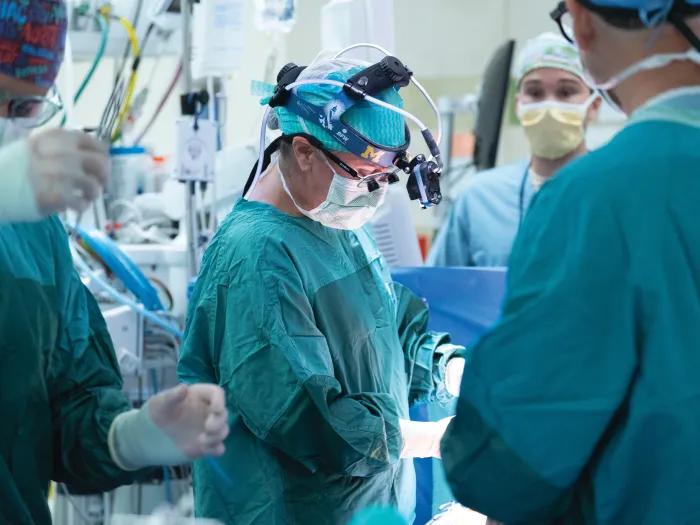
C.S. Mott Children’s Hospital first in country to implant expandable heart valve during FDA review phase