
Basal Cell Skin Cancer
Basal Cell Skin Cancer
What is basal cell carcinoma?
Basal cell carcinoma (BCC) is the most common form of skin cancer. It is a slow-growing cancer that occurs mostly in sun-exposed areas of the body, although it can occur in parts of the body that aren't exposed to the sun, and rarely if ever spreads beyond the skin.
BCC occurs mostly with adults, but there have been times when children develop it. The Cutaneous Surgery and Oncology program provides skin cancer treatment for patients of all ages.
Appointment Information
If you have been diagnosed with basal cell skin cancer, or think you have it, please call: 734-936-4068.
Healthcare professionals, please contact our M-LINE service: 800-962-3555.
What are symptoms of basal cell carcinoma?
Basal cell carcinoma usually affects the face, head, and trunk of the body. The nose is the most common site. Signs of basal cell carcinoma can include skin changes such as a:
- Firm, pearly bump with tiny blood vessels that look spidery (telangiectasias).
- Red, tender, flat spot that bleeds easily.
- Small, fleshy bump with a smooth, pearly appearance, often with a lower area in the center.
- Bump that can be darker than the rest of your skin. This is more common in people with darker skin.
- Smooth, shiny bump that may look like a mole or cyst.
- Patch of skin, especially on the face, that looks like a scar and is firm to the touch.
- Bump or sore that itches, bleeds, crusts over, and then repeats the cycle and has not healed in a few weeks.
- Change in the size, shape, or color of a mole or a skin growth.
How is basal cell skin cancer diagnosed?
Your doctor will ask about your past health and do a physical exam. This will include taking a close look at the skin growth. The doctor may take a sample (biopsy) of the growth to test in a lab. A biopsy can confirm whether the cells are cancer.
How is basal cell carcinoma treated?
If your skin cancer is biopsy-confirmed, your dermatologist will recommend the treatment options best suited to your skin cancer type based on the location, size, and features noted on the biopsy specimen. Most skin cancer treatment is done on an outpatient basis, typically by one of the following three methods:
- Mohs micrographic surgery: For many non-melanoma skin cancers, such as basal cell carcinoma and squamous cell carcinoma, the preferred treatment option is Mohs surgery. In this precise procedure, a small disc of tissue is removed around the skin cancer and prepared for immediate microscopic evaluation. The Mohs surgeon checks all of the edges of what was removed for cancer cells, while the patient waits. Once the edges are cancer-free, the wound is repaired. The goal of Mohs surgery is to provide a high cure rate and to remove the cancer while leaving as much normal, healthy skin behind as possible.
- Wide-local excision: The doctor excises (surgically removes) the entire skin cancer together with a safe border of surrounding normal skin.
- Electrodessication and Curettage (ED&C): For superficial non-melanoma skin cancers, ED&C provides high cure rates with minimal scarring. Because cancer cells scrape away more easily than normal tissue, a trained dermatologist can scrape away the cancerous cells using a tool called a curette and leave only normal skin behind.
Locations
-
Dermatology Clinic | Domino's Farms 24 Frank Lloyd Wright Dr Ste 2350
Lobby H
Ann Arbor, MI 48105-9484Get Directions -
Dermatology Clinic | Taubman Center 1500 E Medical Center Dr
Floor 1 Reception B
Ann Arbor, MI 48109-5314Get Directions -
Mohs Surgery Clinic | Rogel Cancer Center 1500 E Medical Center Dr
Floor 1 Reception B
Ann Arbor, MI 48109-5918Get Directions
Doctors
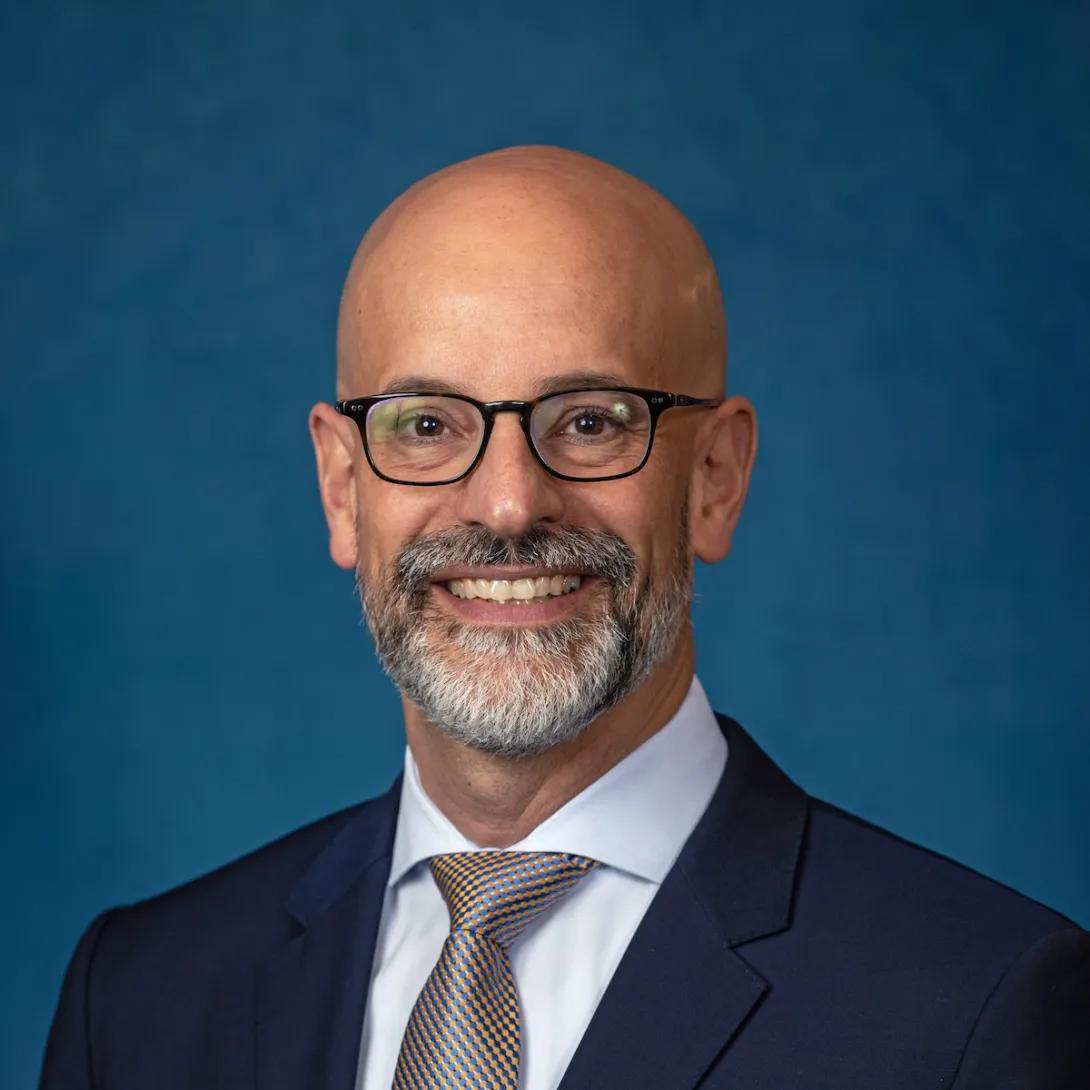
Christopher Keram Bichakjian, MD
Clinical Professor
MOHS Micrographic Surgery, Dermatological Surgery, Dermatology
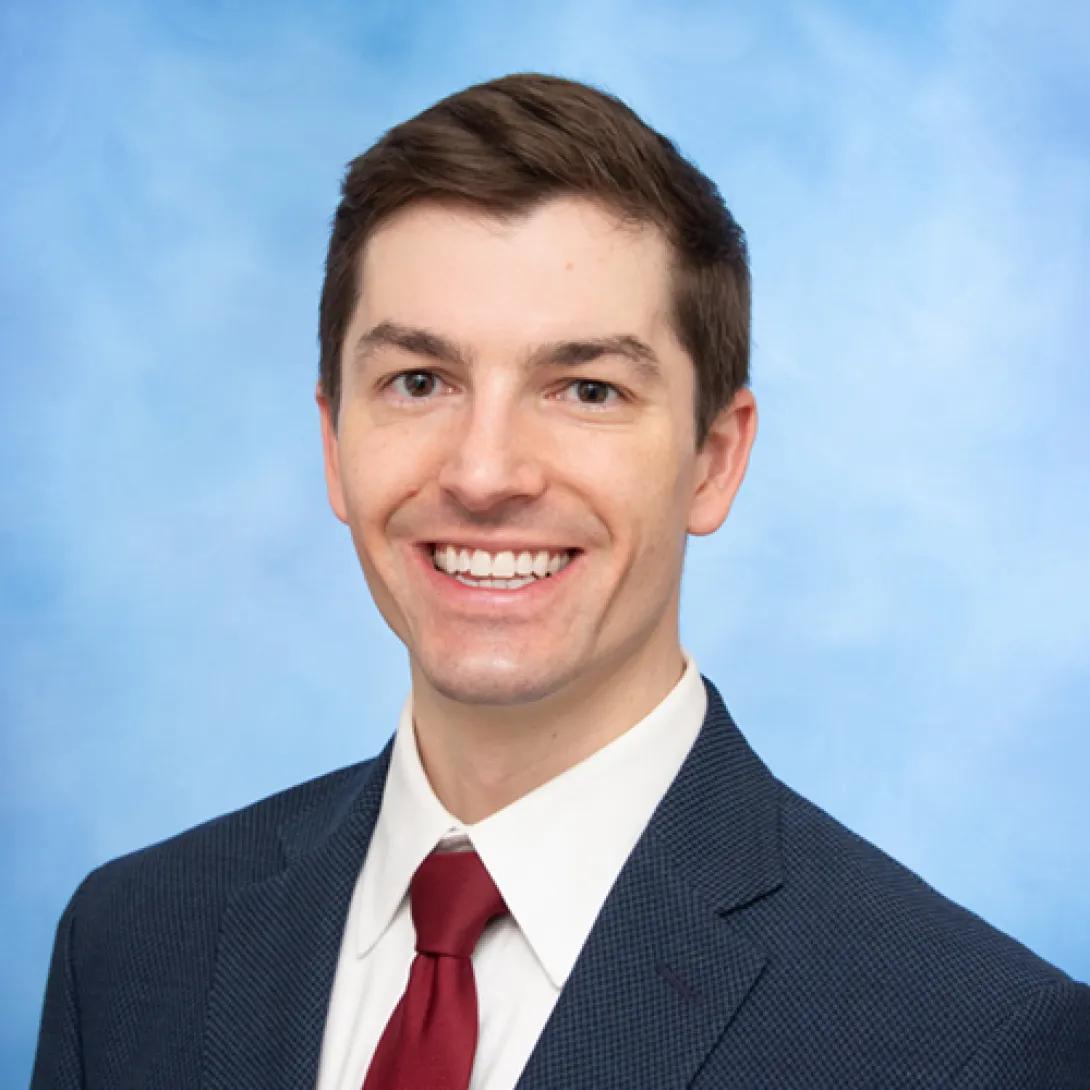
Michael James Davis, MD
Clinical Assistant Professor
MOHS Micrographic Surgery, Dermatology
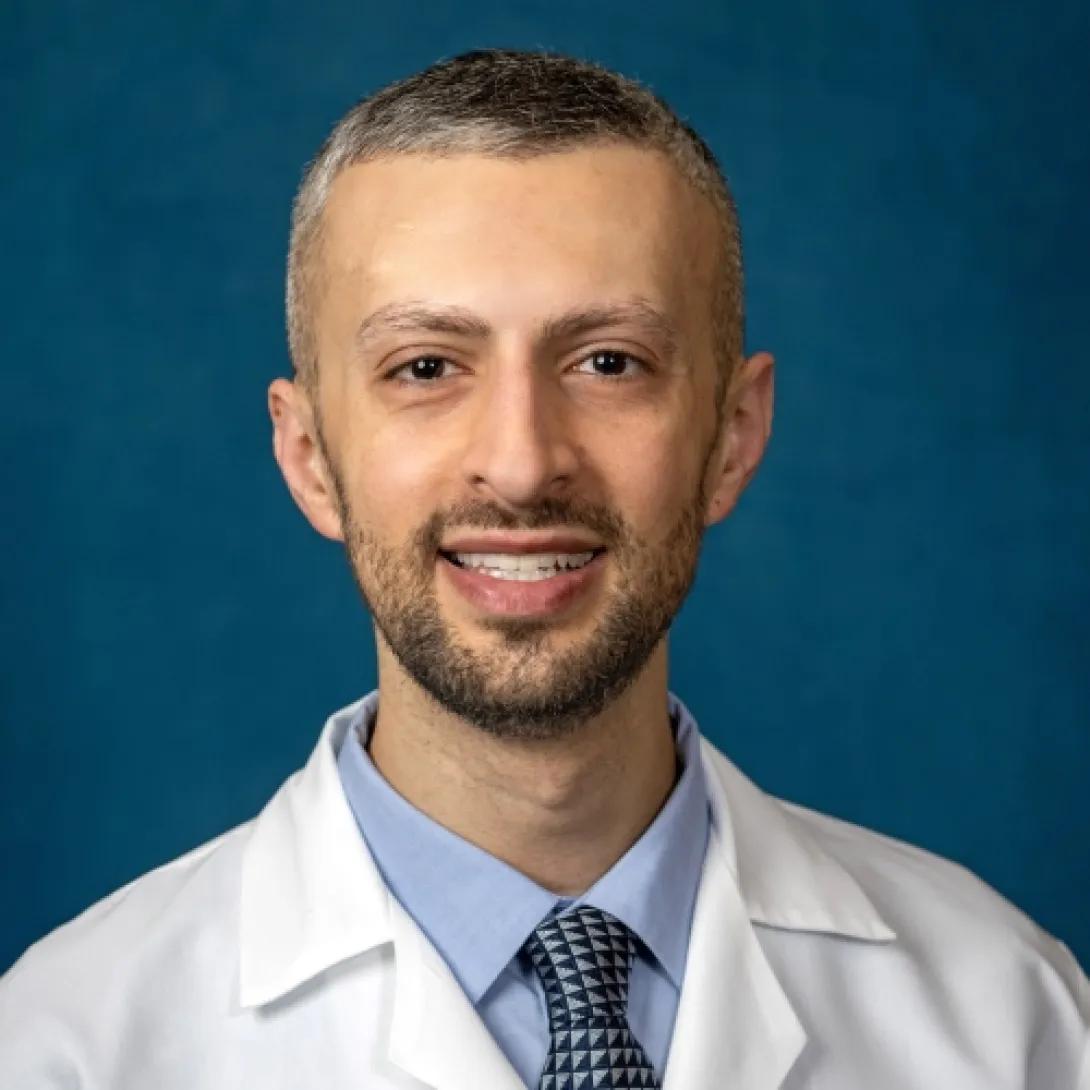
Milad Jalal Eshaq, MD
Clinical Associate Professor
MOHS Micrographic Surgery, Dermatology
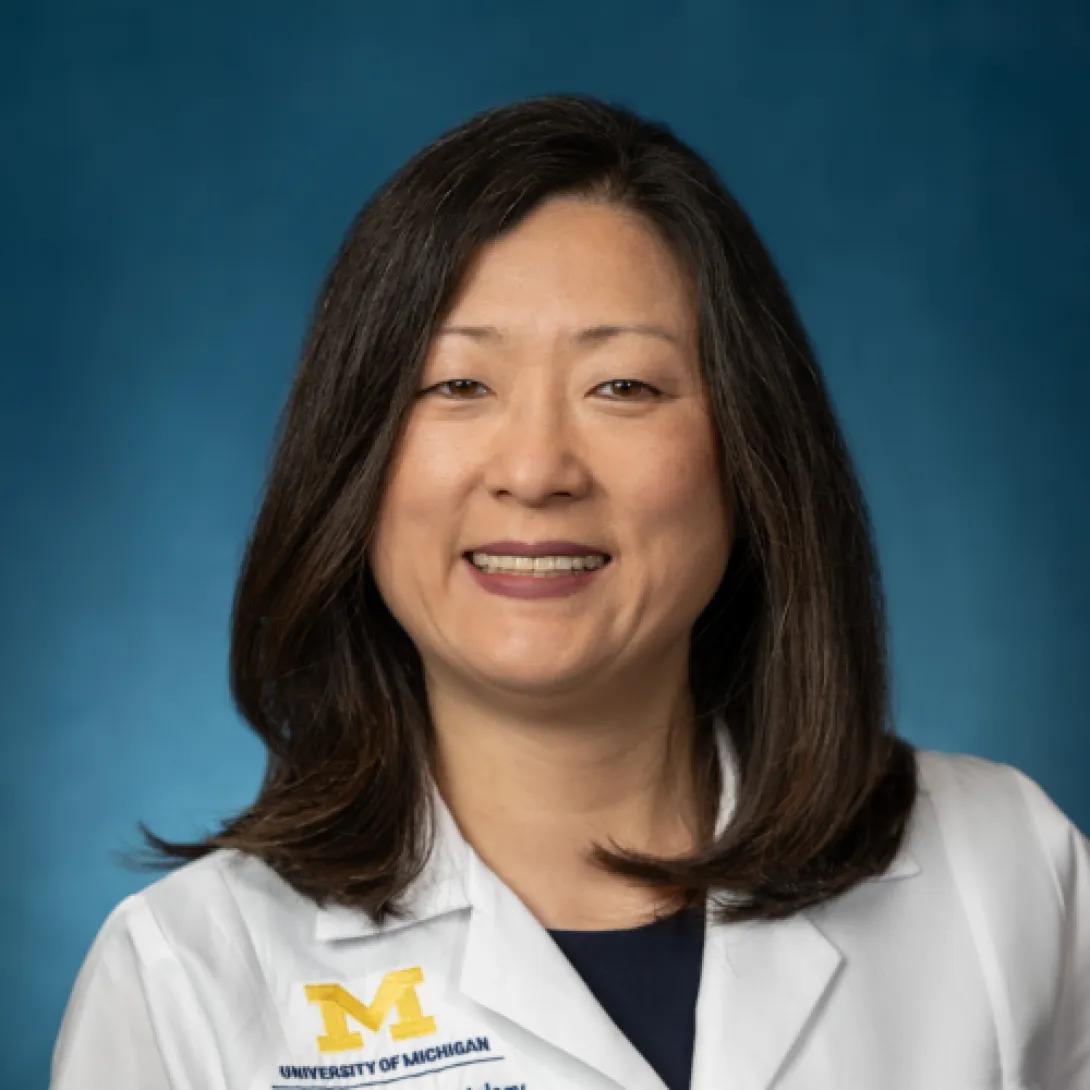
Kelly Lynn Harms, MD, PhD
Clinical Professor
MOHS Micrographic Surgery, Dermatological Surgery, Dermatology
Elisabeth Anne Pedersen, MD
Assistant Professor
Dermatology
