Liver Transplant (Pediatric)
Liver Transplant (Pediatric)
What is a liver transplant?
A liver transplant improves the length and quality of life of children whose own livers have failed. There are a variety of reasons a child may require a liver transplant, including:
- Biliary atresia
- Autoimmune hepatitis
- Inborn errors of metabolism
- Acute liver failure
- Liver tumors
Our Approach
Since 1986, we have performed more than 400 pediatric liver transplants. Our team provides personalized, family-centered care for children needing liver transplants from infancy through age 18. We support families at every stage with education and emotional support through Child Life specialists and Pediatric Transplant Psychologists, helping kids understand and feel empowered about their care.
Our dedicated team includes social workers, dietitians, hepatologists, surgeons, nutritionists, and other specialists who work closely with families to guide them through the process. Our team delivers tailored care with proven expertise and is supported by ready access to premier specialties that are critical to transplant success: diagnostic and interventional radiology, advanced endoscopy, pathology, and genetics.
We have extensive experience with technical variant grafts to increase access to transplant - including split liver grafts and a robust living donor liver transplant program offering related, unrelated, and non-directed (altruistic) living donor transplants.
According to the Scientific Registry of Transplant Recipients (SRTR), the U-M Health Transplant Center liver transplant program has the fastest time from listing to transplant in the state, which is the metric with the largest impact on survival after listing. Our pediatric liver transplant program currently maintains a 100% transplant rate within one year of listing, compared to a national average of approximately 60%. This exceptional access is made possible through our increased use of living-donor liver transplants and a wide range of other donor liver types, tailored to meet the needs of each individual patient.
Appointment Information
For more information, contact us at 734-615-2462.
What To Expect
Candidates for liver transplant require a comprehensive evaluation. The process includes education, medical records review, patient examination and often additional medical testing. The case is then reviewed by our multidisciplinary pediatric transplant team and a decision about the child’s suitability for an organ is made.
Since routine medical care must be current prior to transplantation, it’s recommended that children are current with their routine health care prior to their evaluations. Examples of routine health care include dental exams and cleaning, immunizations (including PPD, pneumovax, and influenza vaccine).
At the follow-up evaluation, the child and family meet with several members of the pediatric transplant team, including a transplant coordinator, surgeon, nutritionist, social worker and a nurse educator. The evaluation appointment involves a variety of tests, such as blood tests, radiology images and urinalysis. Each child must attend the patient education class on transplantation.
For liver transplant, multi-listing is available, allowing children to be listed at more than one center, usually in a different state, to improve chances of getting a donor liver. Children and their families must have the ability to travel, have the financial means and may have to go through the entire evaluation process at each center.
When a donor organ becomes available, the child and family head to the hospital. The liver is removed and the new liver is placed into position. Most liver transplants take four to six hours. Following the operation, the child goes to the the PICU and then to 12 East within 3- 5 days after surgery. Children may be discharged between 7-14 days after the procedures, depending on how smoothly they recover from the transplant surgery. For children who get sick very quickly, we can evaluate on an emergency basis as an inpatient. And our Survival Flight air travel service allows us to transport children from all over the state, 24 hours a day.
After the transplant
Our team is dedicated to helping children become healthy, functioning adults. To ensure they are able to care for themselves as they get older and go on to live independent lives, we assess each child carefully to determine their ability for self-care. We begin that transition process very early – before they are teenagers – so they can administer their own medications, call for their own prescriptions and more. It takes a lot of supervised transition education before most kids can provide their own self-care, so the earlier we start the process, the better their chances for success.
- Children can typically return to school 6-8 weeks after transplantation.
- A dedicated social worker will help kids with home schooling until they can go back to school full time.
- Our Transplant Specialty Pharmacy has pharmacists and customer service staff specialized in transplant medications, dedicated solely to assisting our patients through their treatment process.
- Each summer we provide children 8-15 years of age who have had an organ transplant an exciting camping experience called Camp Michitanki.
Resources
Living Donor Program
Liver regeneration makes living donor liver transplantation possible. A person can donate a portion of his or her liver – up to 60 percent of it – to be transplanted into another person.
Research
Research is an important component of the U-M Health Transplant Center, where we are committed to cutting-edge studies that will benefit today's children and patients of the future. Our team has active research studies in a variety of areas, including sleep disorders in children with liver disease, which may explain why candidates for liver transplant are often poor performers in school. Our comprehensive multidisciplinary clinics and extensive clinical and basic science research programs ensure our kids have access to the newest medications and technologies.
Locations
-
Pediatric Liver Clinic | Brighton Center for Specialty Care 7500 Challis Rd
Entrance 1, Level 2
Brighton, MI 48116-9416Get Directions -
Pediatric Liver Clinic | C. S. Mott Children's Hospital 1540 E Hospital Dr
Floor 8 Reception B
Ann Arbor, MI 48109-4259Get Directions
Doctors

Meredith Barrett, MD
Clinical Associate Professor
Surgery

Jacob Lyman Leonard Bilhartz, MD
Clinical Assistant Professor
Pediatric Transplant Hepatology, Pediatric Gastroenterology, Pediatrics

Michael Joseph Englesbe, MD
Professor
Surgery
Victoria Shakhin, MD, MSc
Clinical Assistant Professor
Pediatric Transplant Hepatology, Pediatric Gastroenterology, Pediatrics, Transplant Hepatology
Providers

Emily MacDonald Fredericks, PhD
Clinical Professor
Clinical Child & Adolescent Psychology, Clinical Psychology
News & Stories
Logan’s Michigan Answer: A living donor liver transplant at just 15 months old
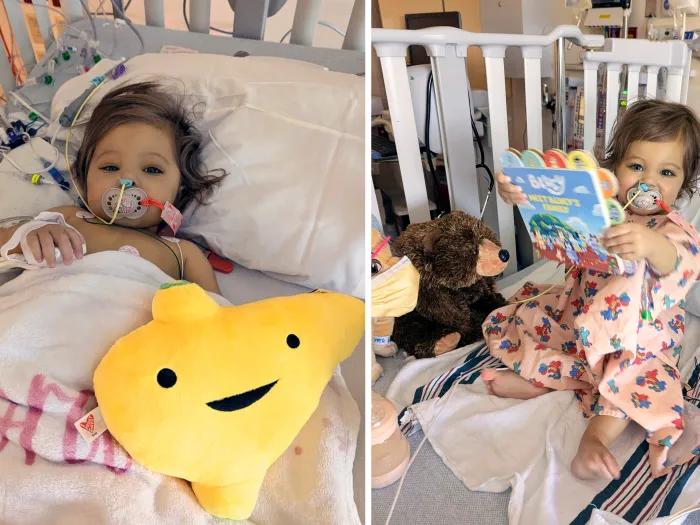
2-year-old thrives after liver transplant for biliary atresia
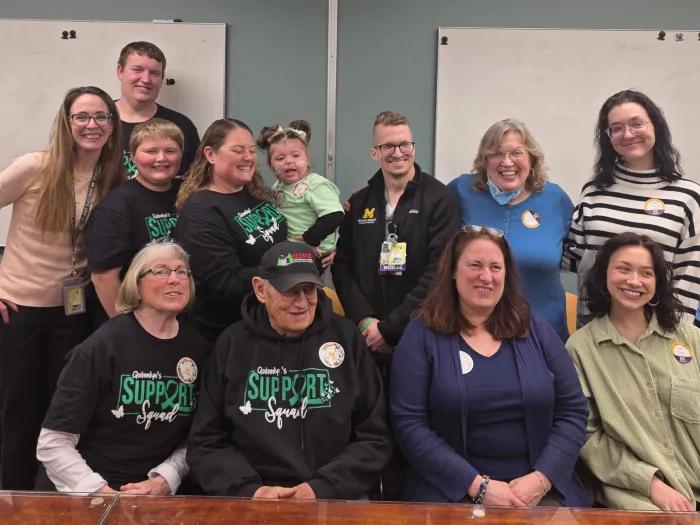
Pediatric surgical nurse donates liver to 2-year-old patient
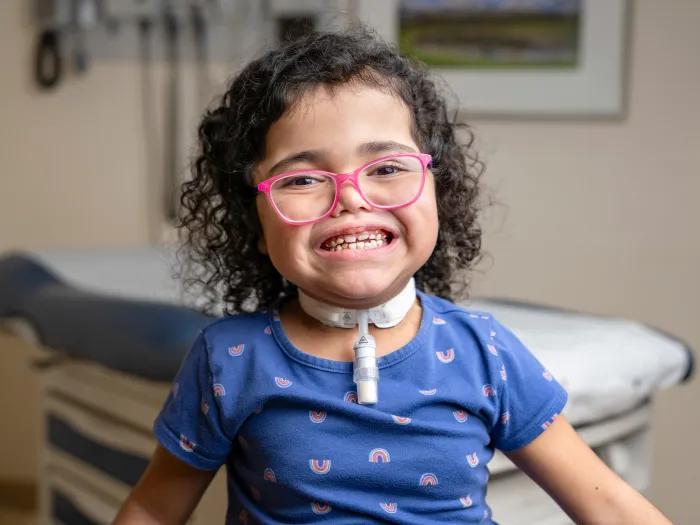
Rosalina’s road back to childhood after dialysis and a multi-organ transplant