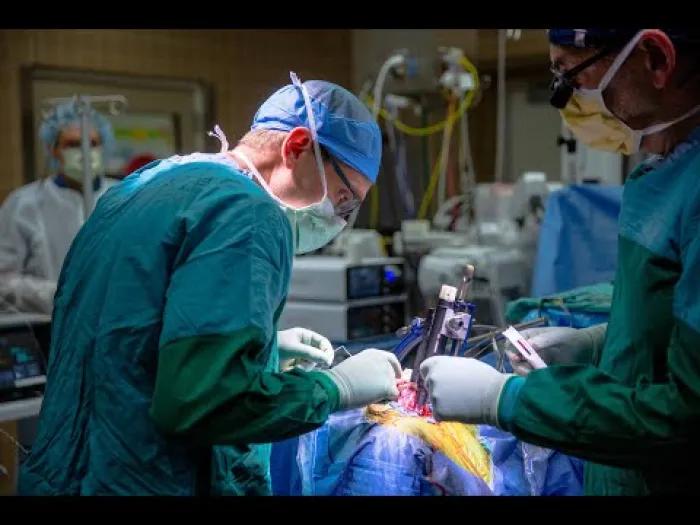
Brain-Computer Interface (BCI) Clinic
Brain-Computer Interface (BCI) Clinic
This is an exciting time for people with speech and motor disabilities as neural interfaces could help improve recovery after injury. Experts in the Brain-Computer Interface Clinic at U-M Health will perform a comprehensive evaluation of patients with disabilities and inform them of potential therapies or clinical trials for which they might be eligible. When appropriate patients may be connected with open clinical trials.
Our Approach
A Brain-Computer Interface (BCI) is a computer-based system that acquires brain signals, analyzes them and translates them into commands that are relayed to an output devise to carry out a desired action.
The BCI clinic at U-M Health is one of the first BCI clinics established in the nation. We have longstanding experience in implanting neural interfaces for a variety of disorders and research expertise in brain-computer interfaces.
Who We Treat
Patients with motor and speech disabilities and patients with post-stroke hemiparesis are the primary patient population for FDA-approved therapy (vagus nerve stimulator).
Other conditions targeted for clinical trials include:
- Tetraplegia/tetra paresis
- Locked-in syndrome
- Spinal cord injury
- ALS
- Brainstem stroke
- Progressive muscle atrophy
- Adult-onset spinal muscle atrophy
- Muscle dystrophy
Appointment Information
To make an appointment with the U-M Health Brain-Computer Interface Clinic, call 866-909-4449.
Services
Patients in the BCI Clinic will receive a comprehensive evaluation which may lead to:
- Placement of the vagus nerve stimulator for rehabilitation from post-stroke weakness
- Information about potential clinical trials
- Connecting patients with clinical trials when appropriate
Research
The Willsey Laboratory for Brain-Computer Interfaces, led by Dr. Matt Willsey, advances research into implantable brain-computer interfaces (iBCIs) as therapies for individuals with severe speech and motor disabilities. The team develops innovative decoding algorithms and multi-effector control strategies to enable precise fine motor movements and digital interactions, accounting for neural instability. By integrating computational neuroscience, the lab also explores new BCI applications and deepens our understanding of motor control.
Locations
-
Neurosurgery Clinic | Taubman Center 1500 E Medical Center Dr
Floor 2 Reception G
Ann Arbor, MI 48109-5338Get Directions
Doctors
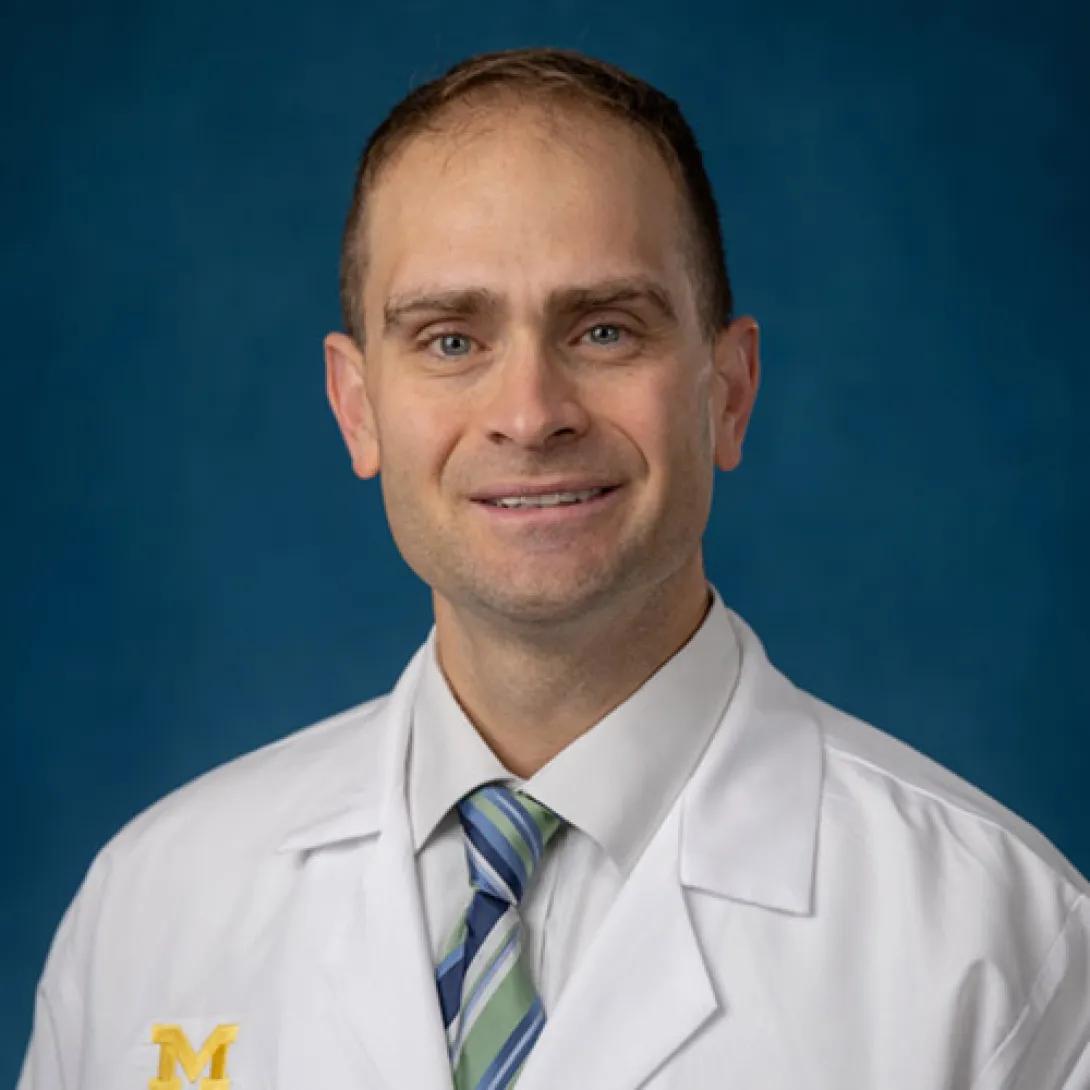
Matthew Steven Willsey, MD
Assistant Professor
Neurological Surgery
Related News & Stories
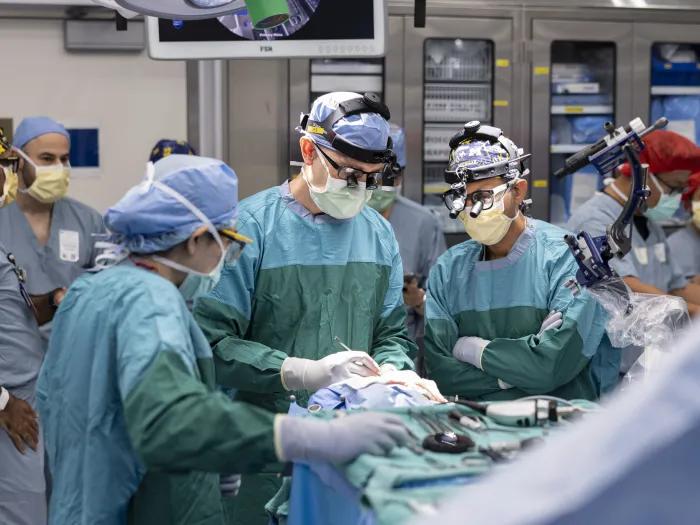
University of Michigan implants first-in-human Paradromics wireless brain-computer interface, designed to restore communication
Researchers develop models to help diagnose ALS earlier through blood biomarkers
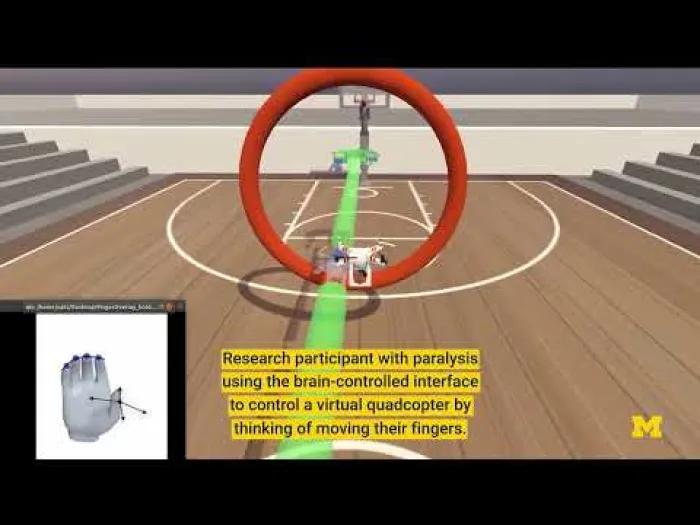
'Unprecedented' level of control allows person without use of limbs to operate virtual quadcopter