Women & Infants Mental Health Program
Women & Infants Mental Health Program
The Women & Infants Mental Health Program at U-M Health Psychiatry is dedicated to addressing the unique mental health needs of women and infants throughout their life cycle. We focus on providing comprehensive outpatient clinical care, conducting research, offering training and education, and engaging in outreach programs to improve and maintain the mental health and well-being of women and infants. Our mission centers on enhancing understanding, treatment and outcomes for women and their families.
Our Approach
Women have distinct mental health needs, particularly during hormonal changes and life transitions, such as pregnancy, postpartum, and perimenopause. Many women experience mood, anxiety, or trauma-related challenges during these times and require timely, safe and effective specialized care.
Appointment Information
For more information or to schedule an evaluation, please call 734-764-0231 or 800-525-5188.
Services
- Psychoeducation: On women's mental health and well-being
- Diagnostic Evaluation: Personalized assessments for individual needs
- Medication Management: Expertise during pregnancy and postpartum
- Non-pharmacological Wellness Coaching
- Individual and Group Psychotherapy
- Resource Assistance and Community Referral
- Care Coordination: Consultation with pregnancy and postpartum providers
Support for Postpartum Mother-Infant Bonding
Perinatal & Reproductive Psychiatry Clinic
The Perinatal & Reproductive Psychiatry Clinic offers state-of-the-art assessments, support, and therapeutic interventions focused on reproductive mental health. Our clinic has a particular emphasis on pregnancy and postpartum, aiming to improve the mental health and well-being of mothers and their families.
One in five women face mood issues during pregnancy and postpartum, often feeling alone and stigmatized. Our clinic connects women with the safe and effective treatments they deserve.
Doctors
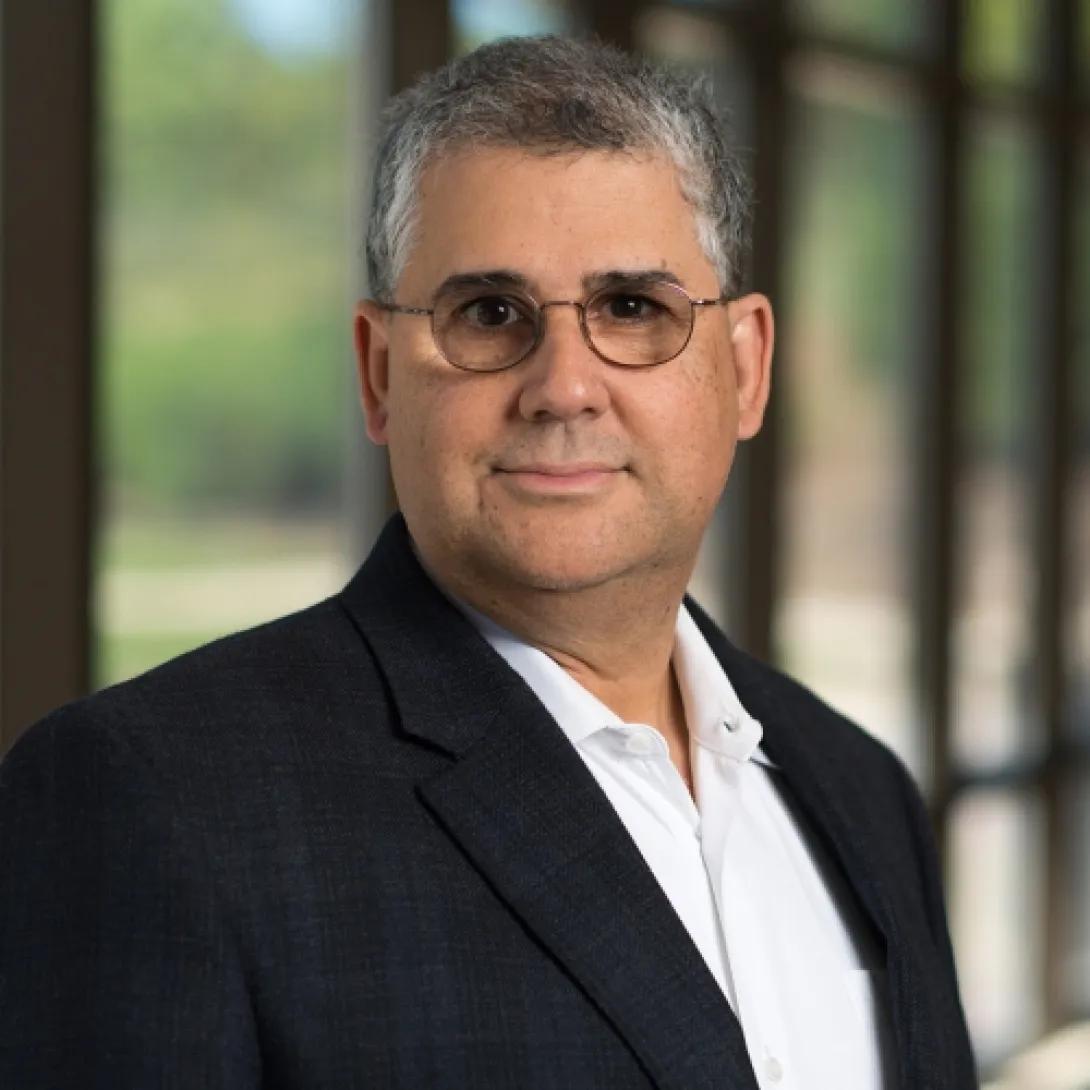
Juan Francisco Lopez, MD
Associate Professor Emeritus
Psychiatry, Clinical Genetics
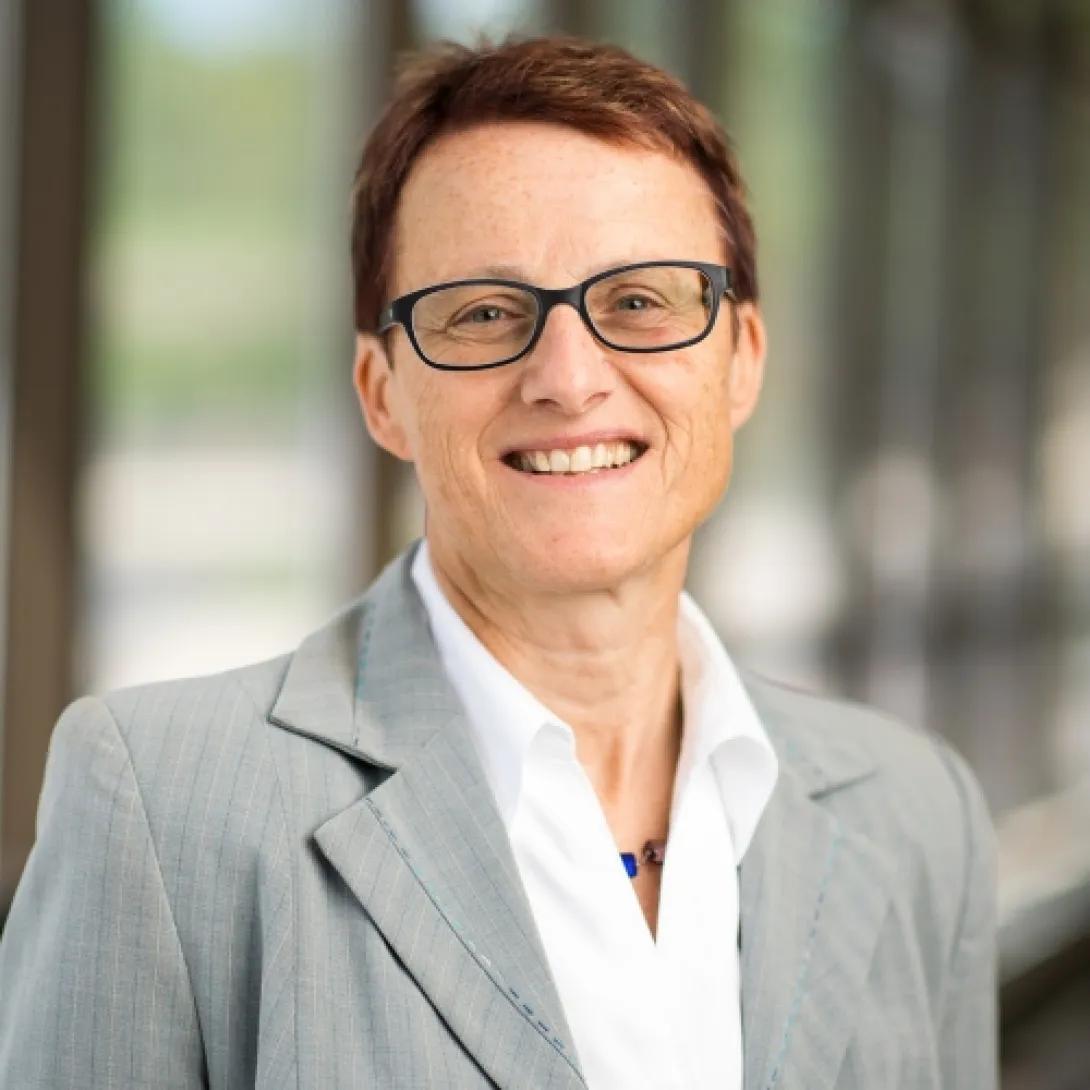
Maria Muzik, MD
Professor
Psychiatry
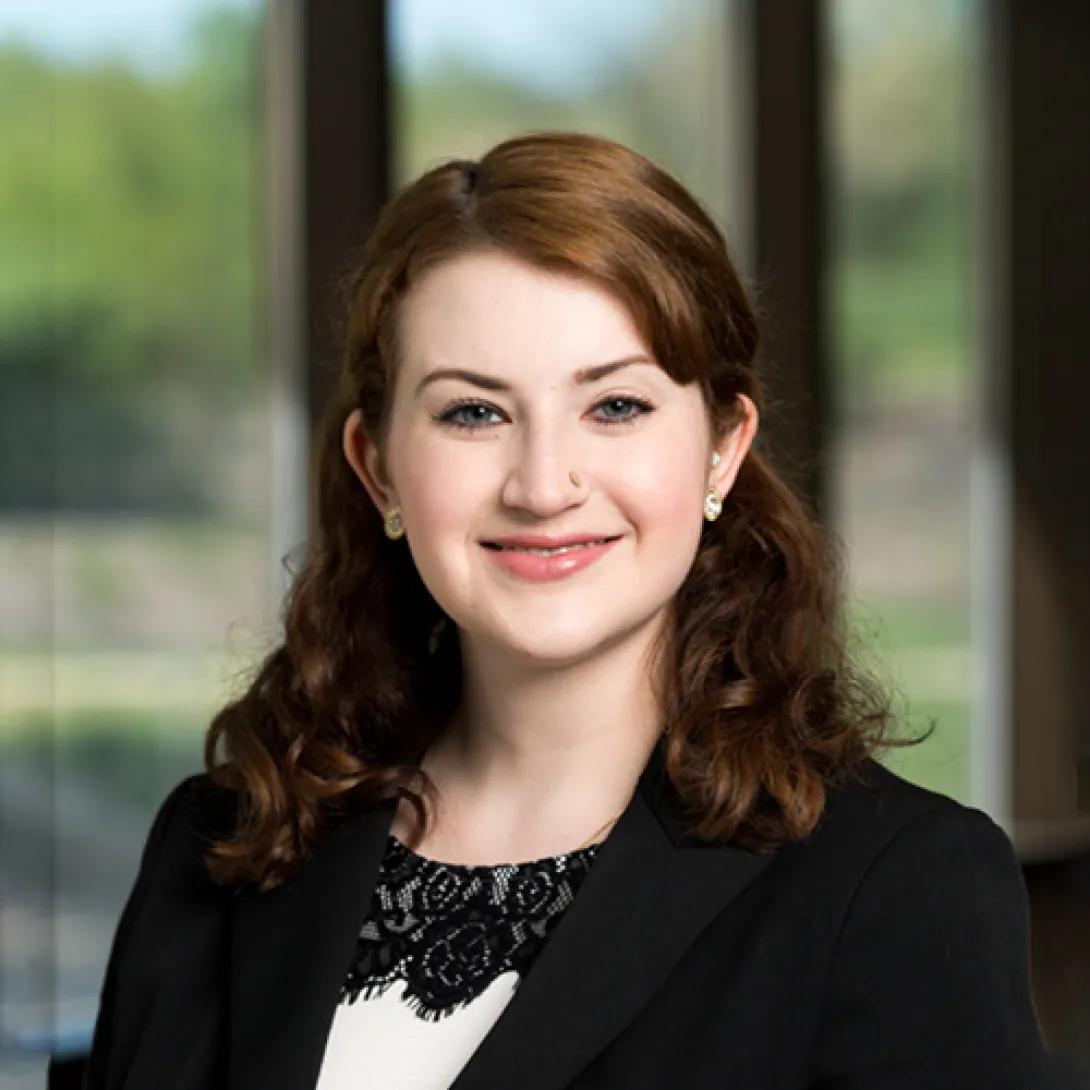
Samantha Michele Shaw-Johnston, MD
Clinical Assistant Professor
Psychiatry
News & Stories

High dose oxytocin protocol linked to lower postpartum hemorrhage rates
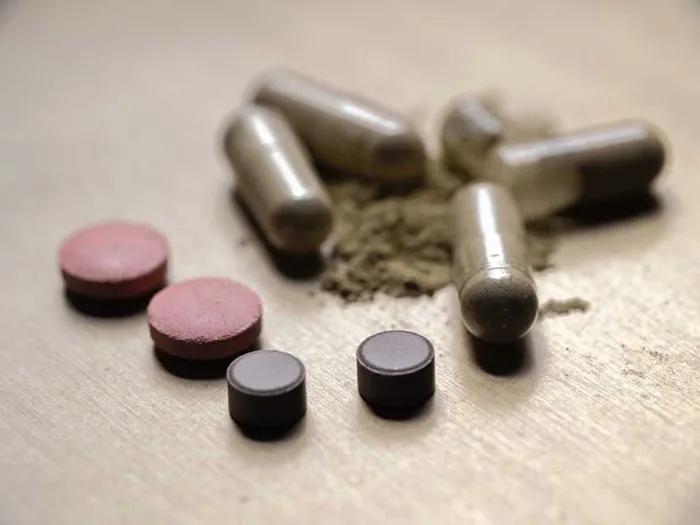
What’s the latest on 7-OH and kratom availability and addiction care?

Depression in OBGYN residents needs more attention, study suggests

Can Your Voice Reveal Early Signs of Alzheimer’s?
Pain, psychological factors and physical function closely linked in people with systemic sclerosis