
Child & Adolescent Partial Hospitalization Program
Child & Adolescent Partial Hospitalization Program
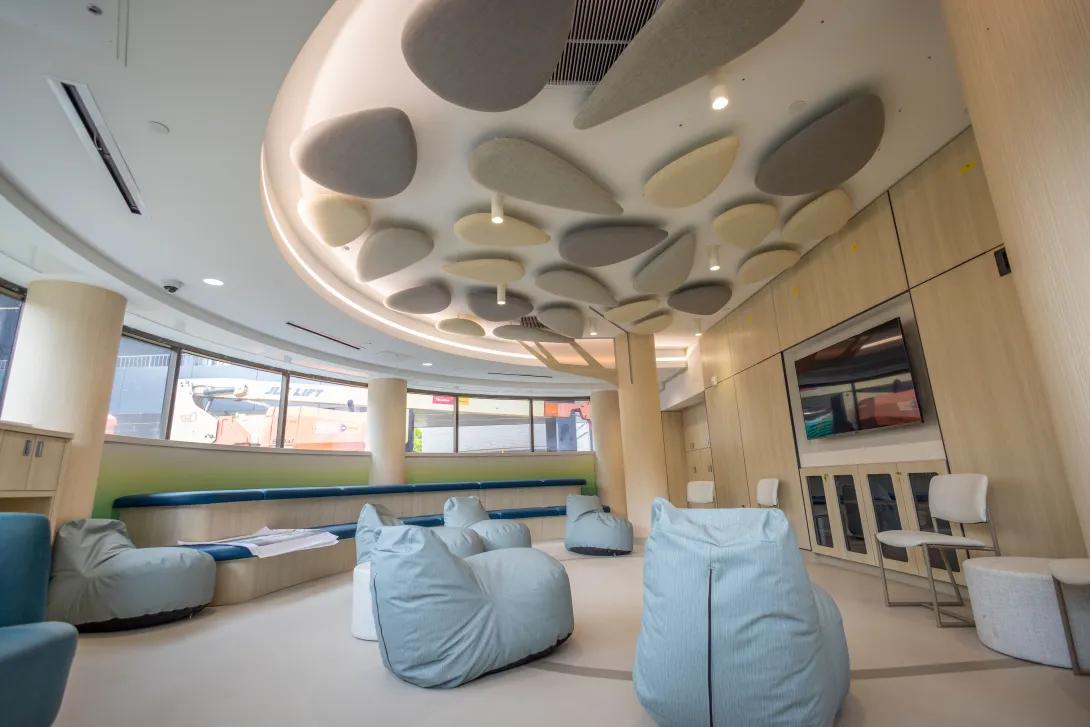
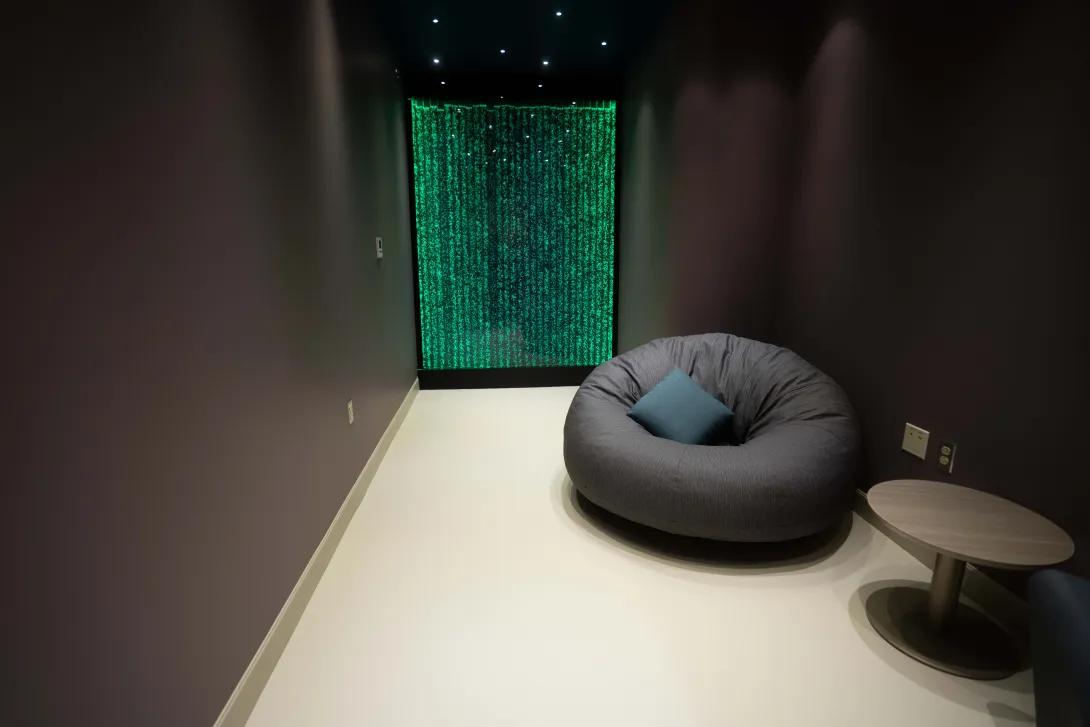
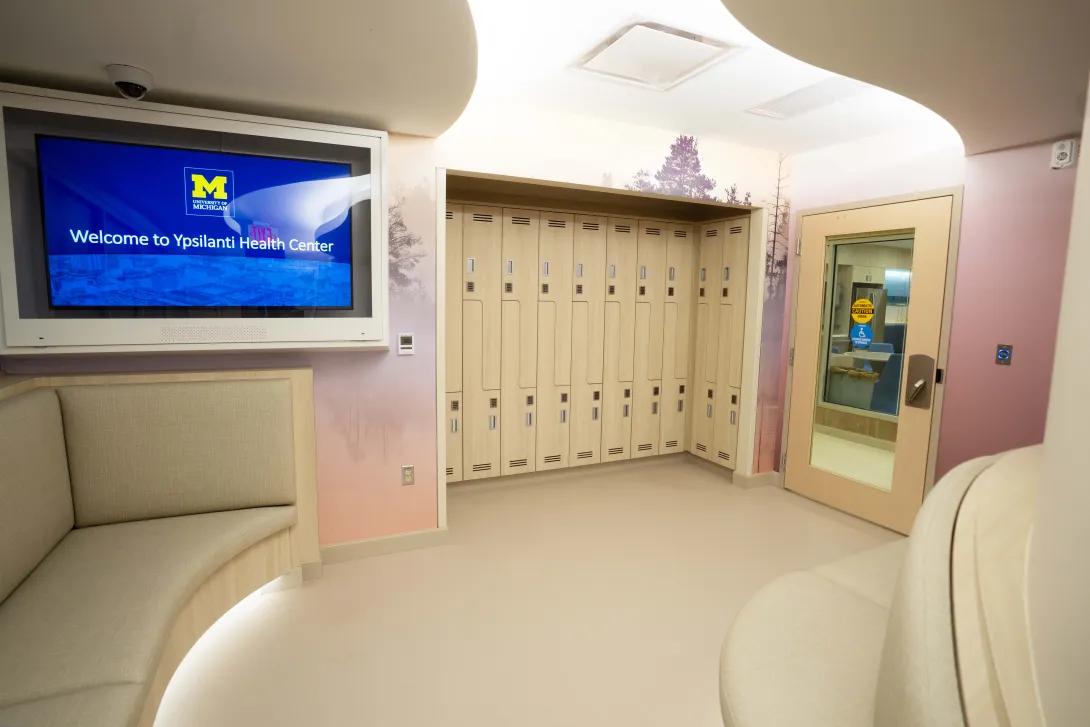
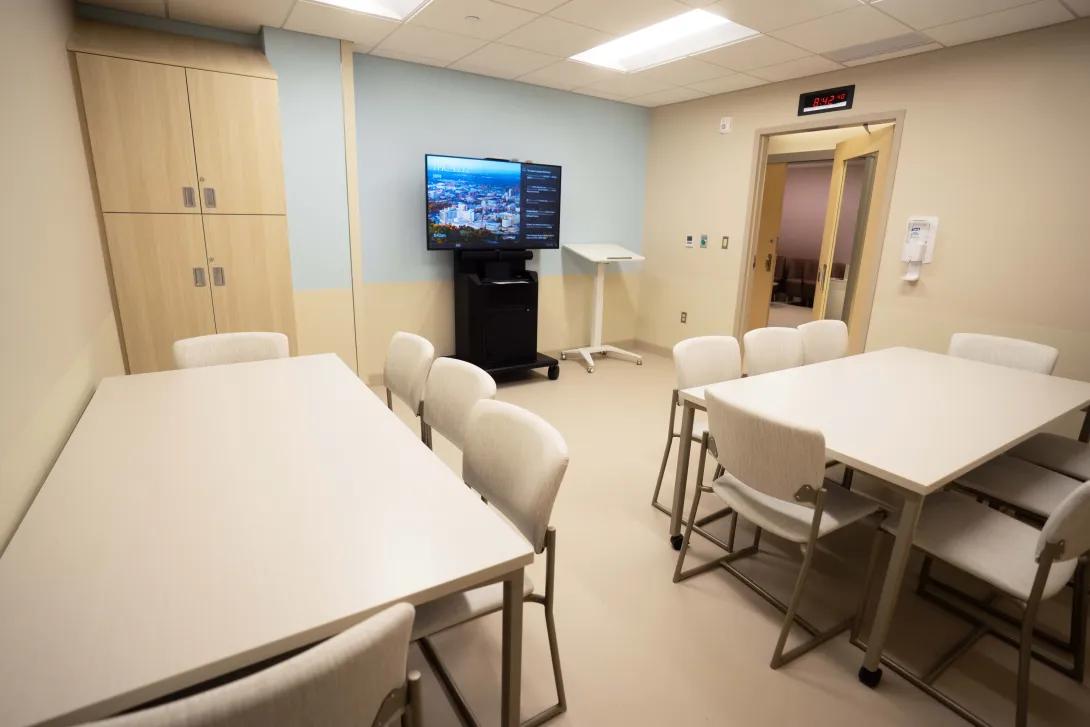
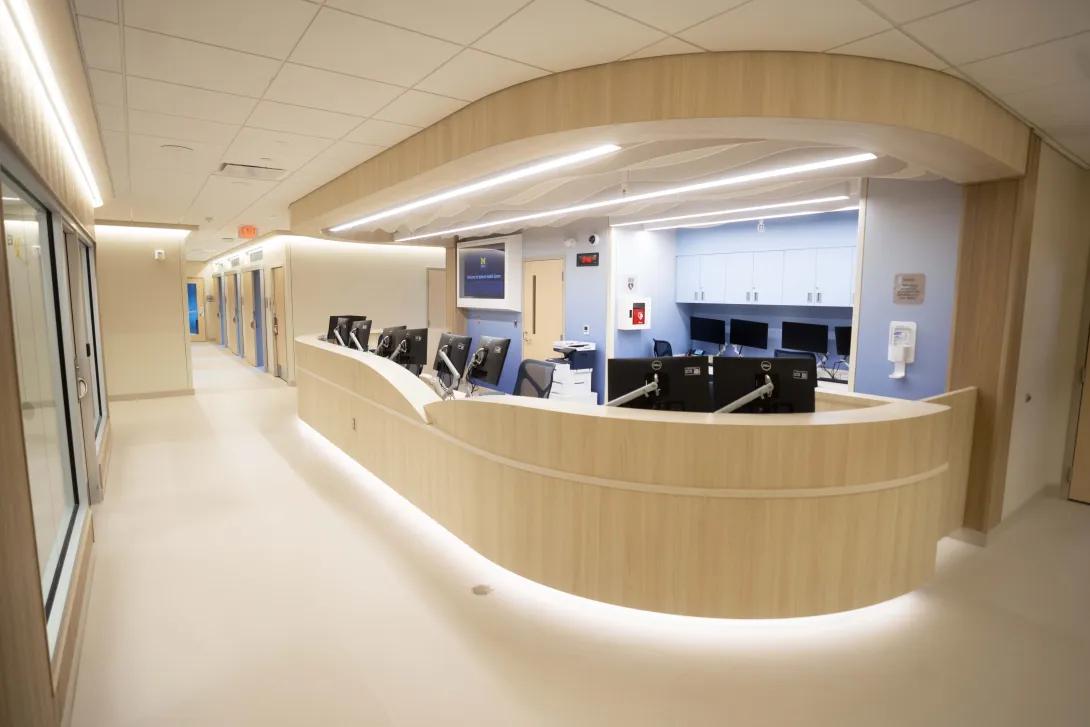
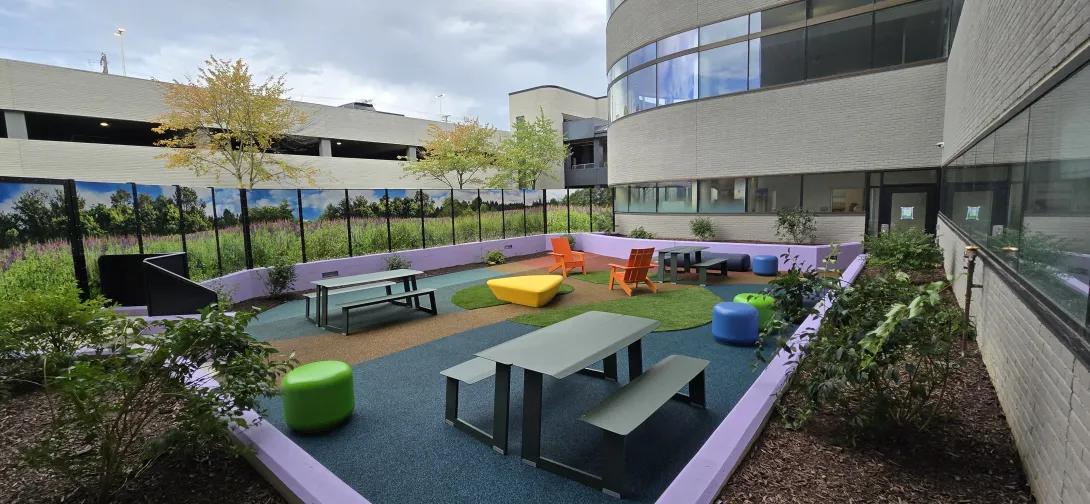
The Child & Adolescent Partial Hospitalization Program (CAPHP) at University of Michigan Health provides intensive, short-term outpatient mental health treatment for youth ages 12–17 who are experiencing significant emotional, behavioral, or mental health challenges. The program is located at the Ypsilanti Health Center and offers a supportive and structured day treatment environment where youth can receive a high level of care while still returning home each afternoon.
Each day includes a combination of individual therapy, group therapy, psychiatric assessment and medication management care, coping skill-building, therapeutic recreational activities, family involvement, and educational support. Patients return home in the afternoons and on weekends, allowing them to practice new skills in their home environment with continued support from the treatment team.
Treatment is designed to help youth stabilize symptoms, strengthen coping skills, improve safety, and develop a plan for ongoing care after discharge. Our multidisciplinary team includes psychiatrists, psychologists, social workers, advanced practice providers, registered nurses, learning specialists, and other allied health professionals. Together, our team works closely with each youth and family to better understand their needs, support emotional and behavioral health, and coordinate next steps in treatment and school re-entry when appropriate.
Who We Treat
Our program treats patients ages 12-17 who have been diagnosed with mood or anxiety disorders and experience related symptoms, including:
Anxiety
Depression
Obsessive Compulsive Disorder (OCD)
Suicidal ideations and/or self-injurious behavior (such as cutting)
Trauma
School refusal
Frequently Asked Questions
Our program is helpful for youth who have been struggling with mood and anxiety disorders. The program is also helpful for youth with suicidal or self-harm thoughts, school avoidance, and co-occurring substance use concerns, depending on their individual needs.
Five days a week: Youth come to program Monday through Friday, 8:45 a.m. − 3 p.m., for about 8-10 days.
Mental health support: They meet with therapists, doctors, and other staff for individualized support through daily individual therapy as well as group-based support and recreational activities.
Educational support: We also help them keep up with schoolwork while they are in the program and coordinate with schools.
Our Partial Hospitalization Program team includes a multidisciplinary team of registered nurses, social workers, advanced practice providers, psychologists, learning specialists, and psychiatrists.
Our program is designed to help youth feel better and build healthy skills. Your child’s daily schedule will include:
Diagnostic clarification: We take time to learn more about your child’s mental health and make the best plan for long-term care during the program and after they leave the program.
Coping skill-building and evidence-based therapies: During PHP, your child will receive many types of therapies to help youth support their mental and emotional health. Therapy can take place in group or one-on-one sessions. These therapies include:
Dialectical behavior therapy (DBT): Helps kids manage big emotions and make safe choices
Cognitive behavior therapy (CBT): Helps kids change unhelpful thoughts and behaviors
Exposure and response prevention (ERP): Specialized treatment for kids who struggle with anxiety or OCD that helps them face their fears in a safe way
Medication: If needed, a medical provider will check in regularly to see if medicine could help and make sure it’s working well. Our registered nurses can also help administer any medications that your child may need.
Family support: We meet with parents and caregivers to help you understand what’s going on and how you can best support your child.
Educational support: We provide time and support during the day so your child can stay on track with their schoolwork. Our learning specialists can help design a curriculum that is tailored to your child’s needs to promote their academic success. They can also help coordinate with your child’s school.
Appointment Information
Patients must be referred by a qualified mental health provider. Ask your provider about our partial hospitalization program. We accept referrals on a rolling basis. Our team will conduct a screening with potential patients and their families.
For Michigan Medicine referring providers: Referrals can be submitted through MiChart by using order: Referral to Child and Adolescent Partial Hospitalization Program (CAPHP) (ages 12-17 ONLY).
For non-Michigan Medicine providers: Referrals can be submitted by sending a completed Consult Request Form and relevant patient history via fax (734) 647-5378 or secure email to [email protected]
Learn More About the Grant-Funded Program
U-M Health opened the Child and Adolescent Partial Hospitalization Program for depression and anxiety at the new Ypsilanti Health Center.
Location
The Child & Adolescent Partial Hospitalization Program is located at Ypsilanti Health Center on Michigan Avenue. Visit the Ypsilanti Health Center location page for more detailed information.
Ypsilanti Health Center, Suite 1200
300 W. Michigan Ave.
Ypsilanti, MI 48197
Phone: (734) 896-4750
Doctors
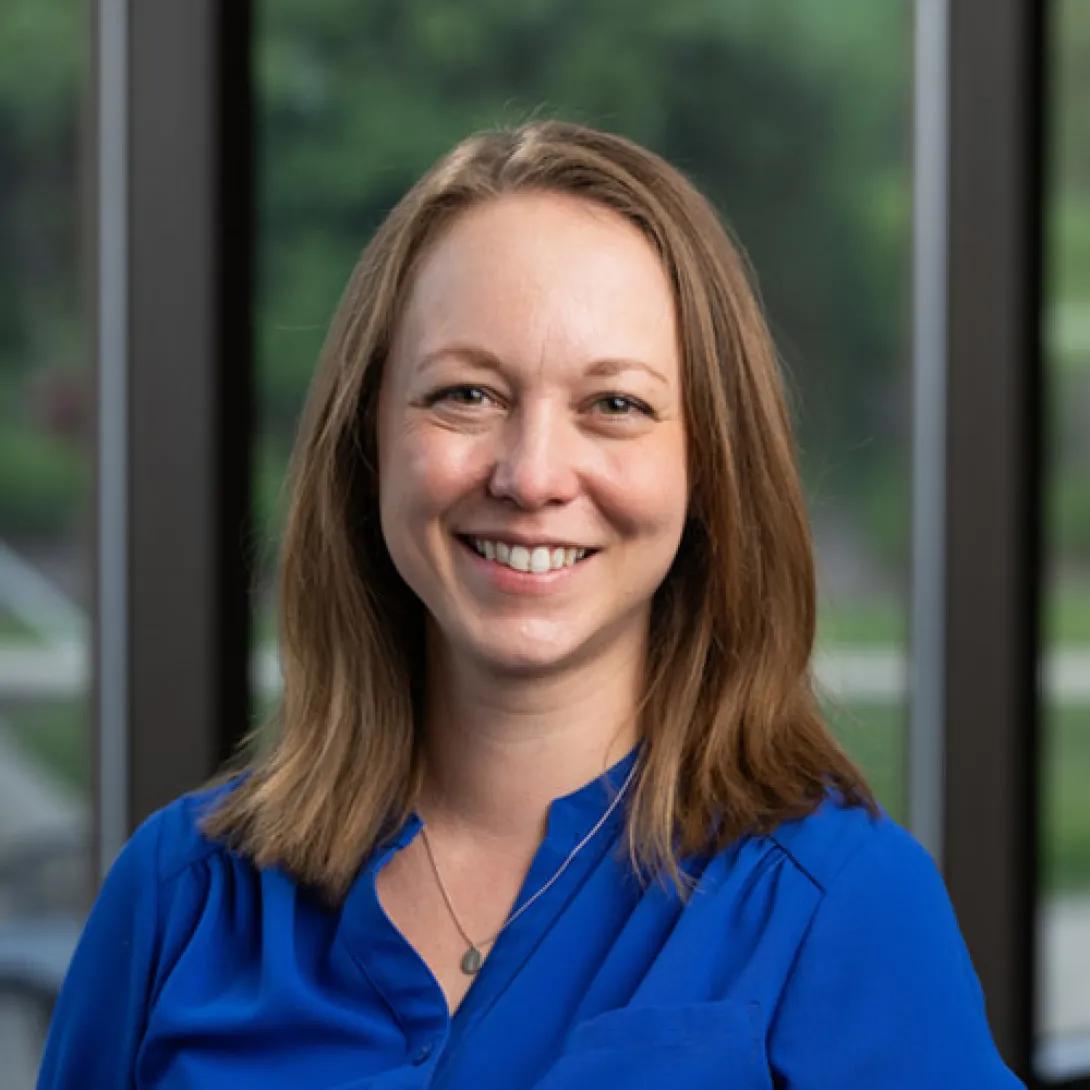
Laura Elizabeth Andersen, MD
Clinical Assistant Professor
Psychiatry, Child and Adolescent Psychiatry

Can Beser, MD
Clinical Assistant Professor
Child and Adolescent Psychiatry, Psychiatry

Bernard Joseph Biermann, MD
Clinical Associate Professor
Child and Adolescent Psychiatry, Psychiatry

Brittany Anne Hammond, DO
Clinical Assistant Professor
Child and Adolescent Psychiatry, Psychiatry
Henry T D Oexmann, MD
Clinical Instructor
Child and Adolescent Psychiatry, Psychiatry

Joanna Quigley, MD
Clinical Associate Professor
Psychiatry, Child and Adolescent Psychiatry, Pediatrics
Providers
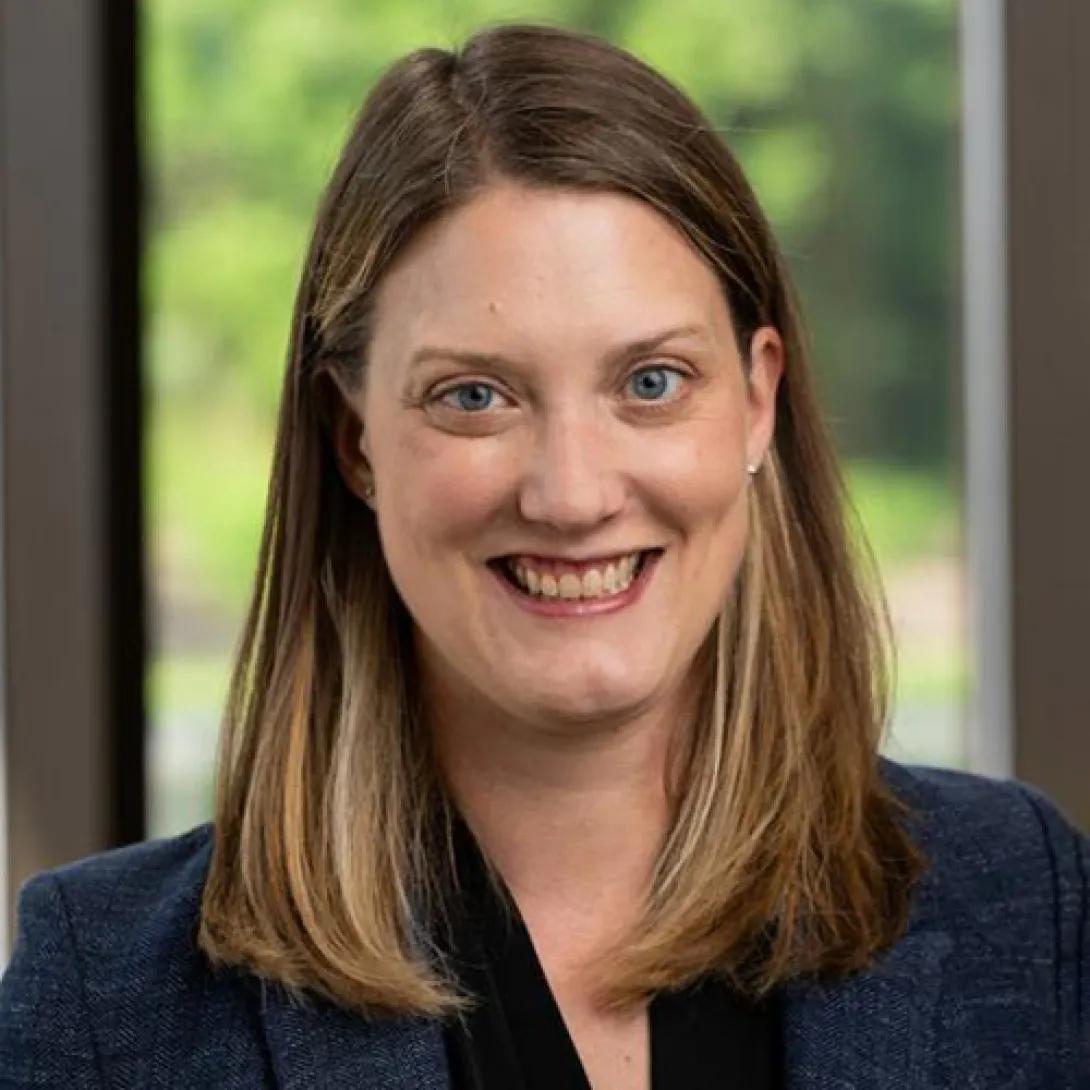
Christina Stark Laitner, PhD
Clinical Assistant Professor
Clinical Psychology
Robert Moore, NP
Advanced Practice Nurse
Nurse Practitioner
Maria Anne Raffoul, NP
Advanced Practice Nurse
Nurse Practitioner
Photo Gallery


If your child is in immediate danger or may harm themselves or others, call 911 or go to the nearest emergency department. You can also call or text 988 to reach the Suicide & Crisis Lifeline.
