Acute Inpatient Rehabilitation Program
Acute Inpatient Rehabilitation Program
After a serious injury, illness or surgery, you may need help recovering your strength, relearning skills or finding new ways of doing the things you did before. Or you may have been born with a disability that requires specialized management throughout your lifespan. Our rehabilitation medicine physicians are the experts that can guide your care team to give you the best quality of life possible.
As a collaborative program between University of Michigan Health and Trinity Health, patients receive care from our nationally recognized U-M Health Physical Medicine & Rehabilitation physicians and rehabilitation psychologists in the Chelsea Hospital location known for healing, compassion, and high-quality care. Our newly renovated unit at Chelsea Hospital is home to 40, private, inpatient rehabilitation beds.
Our Approach
The multidisciplinary rehabilitation team assists patients in returning to an independent and productive life, collaborating to develop and implement an individualized rehabilitation care plan from day one. They meet weekly to coordinate and facilitate recovery by collaborating with patients and their families regarding the next step in the patient’s care plan. It is our utmost goal to provide exceptional care to smooth our patient's road toward an independent and fulfilled life.
Message from Admissions Coordinator
I am your first contact for inpatient services. As admissions coordinator, I work with case managers, social workers, area hospitals and families to admit patients to our Adult and Pediatric Acute Inpatient Rehabilitation Services.
Phone: 734-936-7059
Email: [email protected]
Fax: 734-232-1224
Inpatient Rehabilitation Leadership
- Josh Startup - Medical Director, Adult Acute Inpatient Rehabilitation
- Jessie DeVito, MHSA - Director, Acute Inpatient Rehabilitation
- Andrea Harris, DPT - Operations Manager, Acute Inpatient Rehabilitation
Pediatric Rehabilitation
- Alecia Daunter - Medical Director, Pediatric Acute Inpatient Rehabilitation
Services
Adult Inpatient Rehabilitation Services
- Brain Injury
- Medically Complex
- Oncology
- Neurorehabilitation/Stroke
- Spinal Cord Injury
Pediatric Rehabilitation Services
- Acute injuries
- Post-operative conditions
- Chronic condition management for patients housed at Mott Children's Hospital
- Specialized and comprehensive interventions as needed
- Recommendations for outpatient programming upon discharge
Admissions
To reach the admissions coordinator, call 734-936-7059 or email [email protected].
Fax: 734-232-1224
Doctors
Maryam A Berri, MD
Clinical Assistant Professor
Physical Medicine & Rehabilitation, Spinal Cord Injury Medicine, Brain Injury Medicine
Edward Scott Claflin, MD
Clinical Associate Professor
Physical Medicine & Rehabilitation
Alecia Kupser Daunter, MD
Clinical Associate Professor
Pediatric Rehabilitation Medicine, Physical Medicine & Rehabilitation
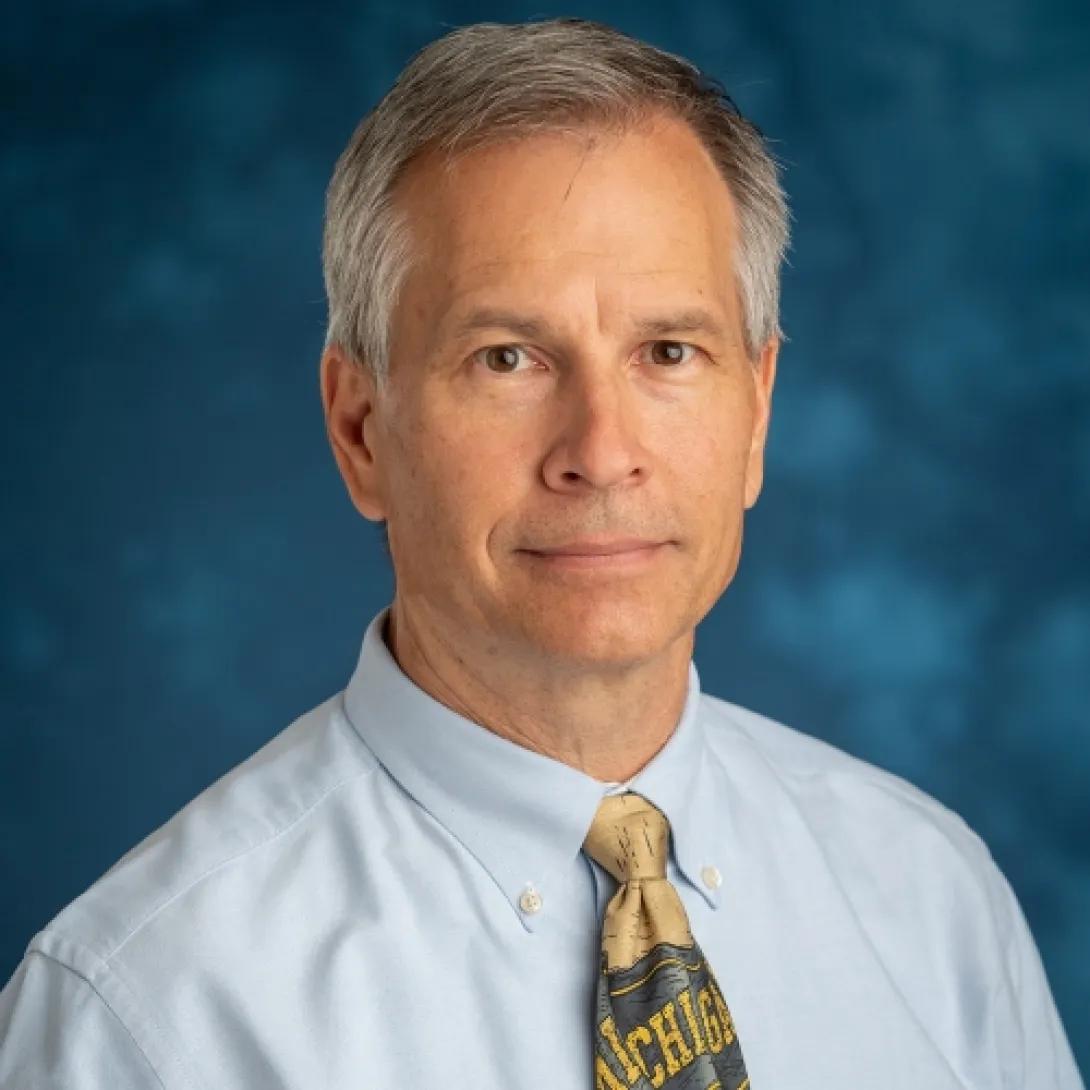
Joseph Edward Hornyak, MD, PhD
Clinical Professor
Physical Medicine & Rehabilitation, Spinal Cord Injury Medicine
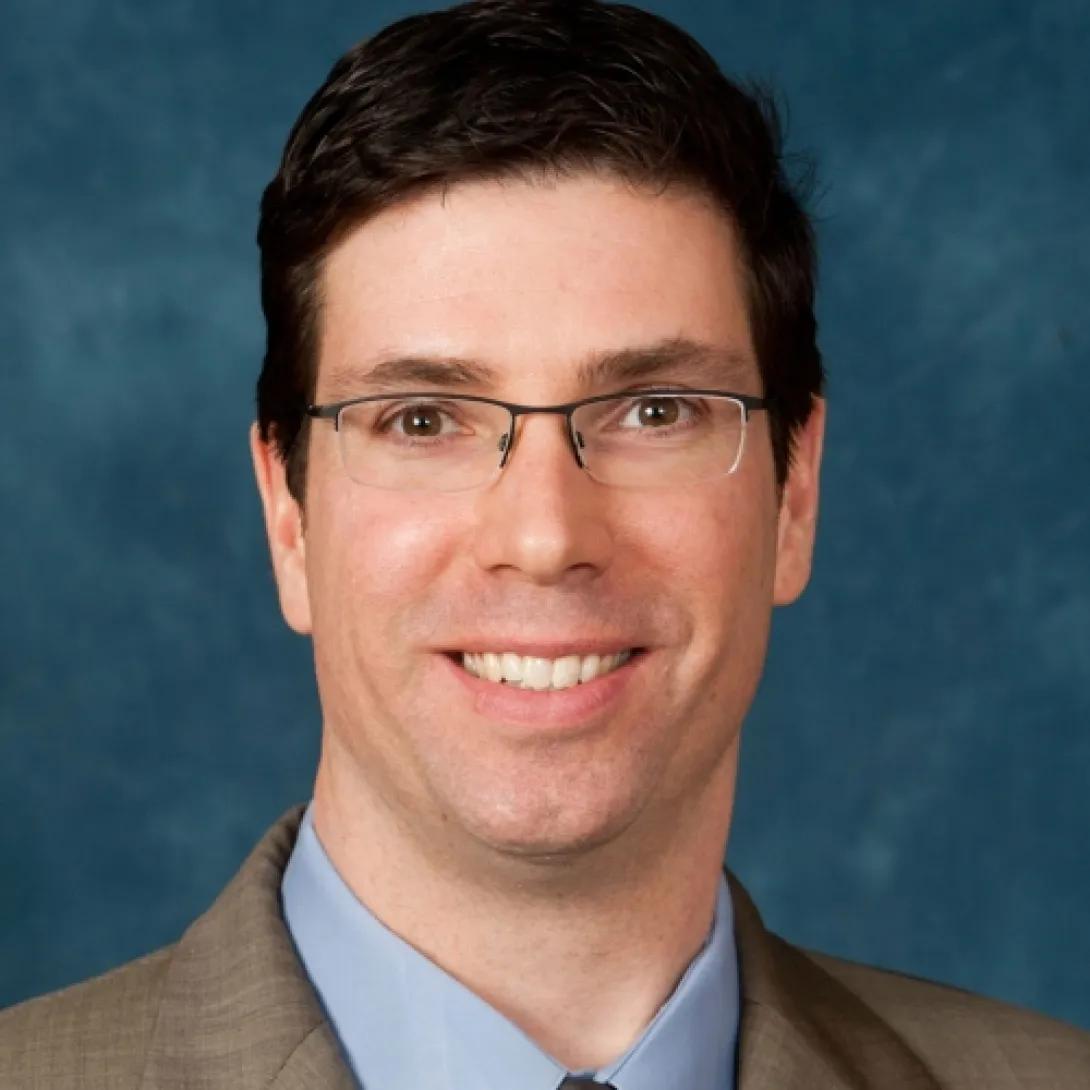
Brian Kelly, DO
Clinical Professor
Physical Medicine & Rehabilitation, Spinal Cord Injury Medicine
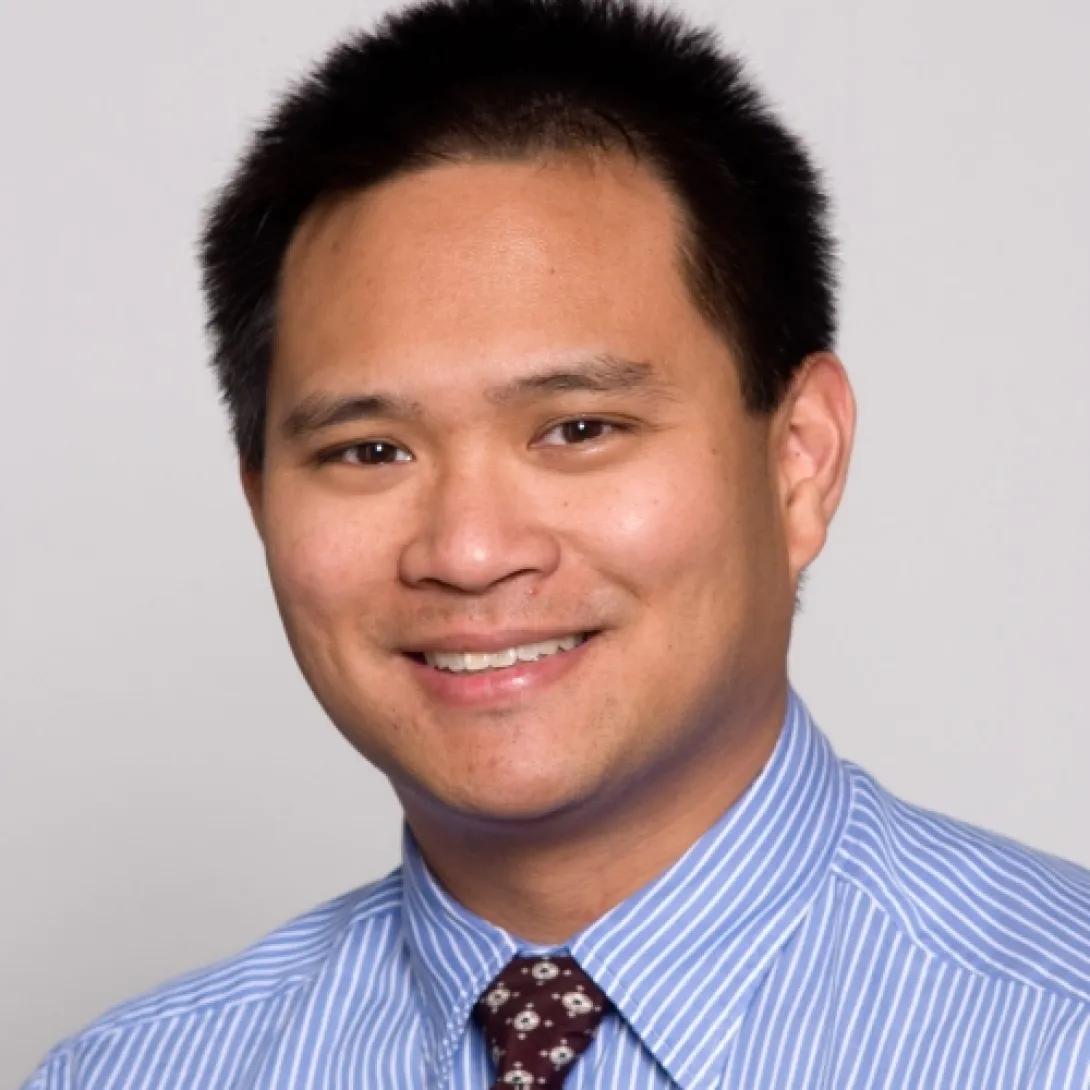
Percival Pangilinan, MD
Clinical Associate Professor
Physical Medicine & Rehabilitation
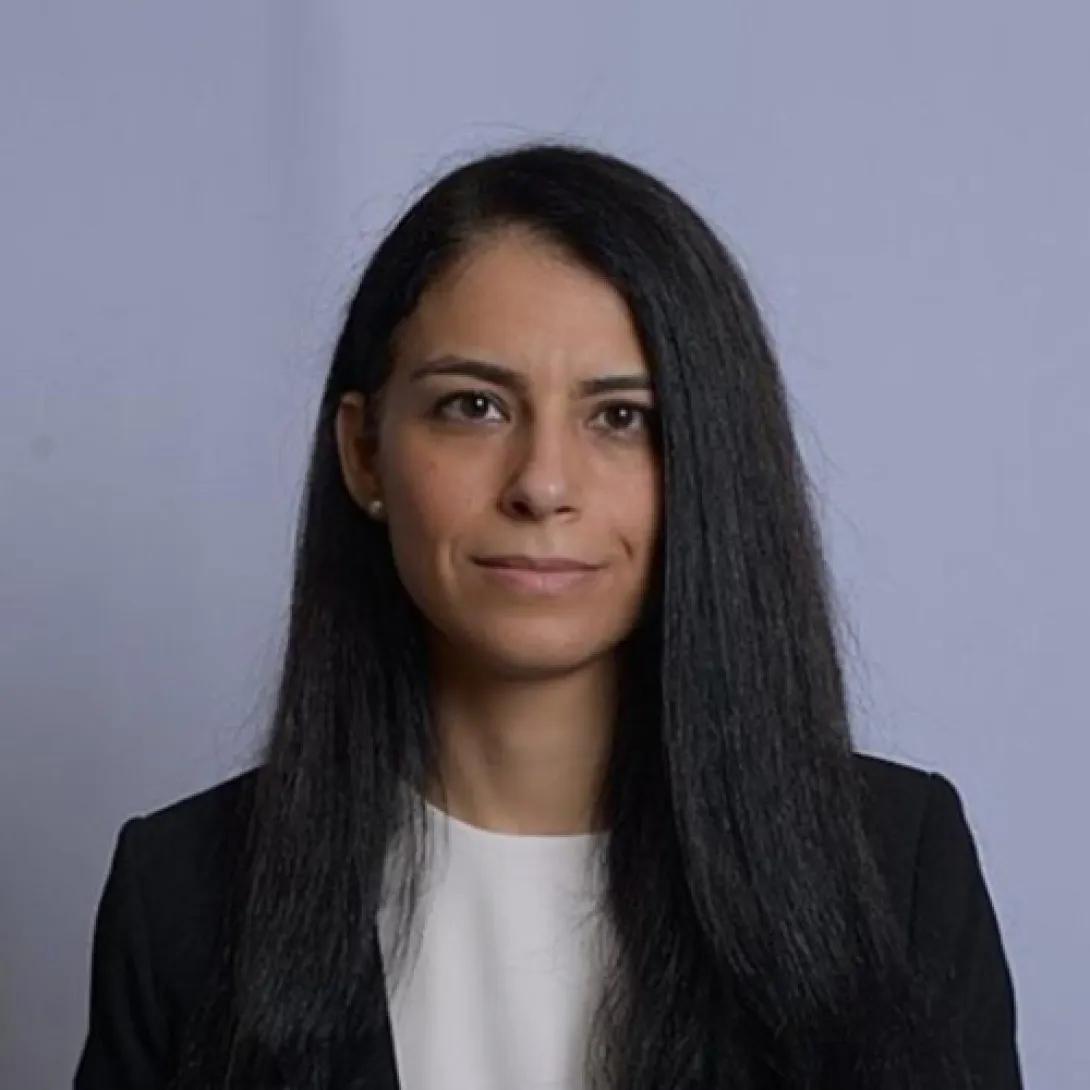
Emine Poyraz, MD
Clinical Assistant Professor
Physical Medicine & Rehabilitation
Gianna Maria Mallillin Rodriguez, MD
Clinical Professor
Physical Medicine & Rehabilitation, Spinal Cord Injury Medicine
Joshua James Startup, MD
Clinical Assistant Professor
Physical Medicine & Rehabilitation
Cory William Wernimont, MD
Clinical Assistant Professor
Physical Medicine & Rehabilitation
Our Team
The admissions coordinator is the first contact for rehabilitation. The coordinator works with physicians, case managers, social workers, area hospitals and families to admit patients to our inpatient rehabilitation program. Patients and families can contact our Coordinator at (734) 936-7059 to schedule a tour of our facility or ask any additional questions. Outside Case managers and social workers can send inquiries via AllScripts or fax to (734) 232-1224.
The Rehabilitation Physician (Physiatrist) is a medical doctor who has completed training as a specialist in physical medicine and rehabilitation. They coordinate patient care, lead the interdisciplinary team and direct discharge planning and follow-up care.
Nurses are the coordinators of care with other health care team members while assisting the patient and family to know how to participate in care. Nurses are educated and trained to provide skilled medical, physical, and emotional care, and education about the patient’s condition and care in preparation for leaving the hospital.
Assistants and aids are in nursing training or have nurse aid training to help with the physical care of the patient while on the rehab unit.
A Unit Host is available to provide assistance with understanding and getting around the hospital.
Occupational Therapy focuses on everyday life activities (occupations) to address the physical, cognitive, psychosocial, sensory, and other aspects of performance and recovery after stroke. From activities like bathing and dressing yourself, to managing your day, or caring for others, occupational therapy focuses on your engagement in meaningful roles at home and in the community to support health, well-being, and quality of life after stroke.
Physical therapy focuses on the rehabilitation of a patient’s functional mobility in order to return home safely or to transition to the next rehabilitation phase smoothly. PT focuses primarily on improving bed mobility, transfers, stairs, gait, and/or wheelchair mobility as well as decreasing the stroke-related impairments to those functional and gait limitations.
Child and Family Life at C.S. Mott Children’s Hospital provides a Hospital School Program for children and adolescents. The program offers certified teachers who are on staff to assist children in keeping up with their class work and remain engaged in their schools. Our classroom, located on the 12th floor, gives our patients a chance to continue their education while they are in the hospital. The classroom is open Monday through Friday and offers daily sessions. Bedside instruction is also available for patients who are unable to leave their hospital rooms.
School liaisons from Child and Family Life work alongside our medical clinics to serve as the bridge between the medical setting and the school community. School liaisons equip patients, caregivers and schools with the tools necessary to support collaboration, safety, academic and vocational success.
Speech-Language Pathology (SLP) evaluates and provides treatment to improve communication and swallowing function following a stroke. Areas addressed may include speech production, comprehension of spoken words, expressive language, reading compression and written language. SLP also evaluates the impact of cognitive skills that can directly affect communication, such as attention, memory, reasoning, planning, insight and awareness. SLP provides swallowing strategies and diet modifications to increase safe and effective swallowing.
Therapeutic Recreation Specialists use recreation and other activities to evaluate and treat patients in an effort to improve or maintain physical, cognitive, social, emotional and spiritual functioning in order to facilitate full participation in life.
The RPN service provides assessment and treatment of cognitive, emotional, and functional difficulties, and assists individuals and their family members in overcoming barriers to participation in rehabilitation and in life activities.
Social Work provides individualized social services for the patient and their caregiver that may include patient and family advocacy, supportive problem-solving, education on and assistance with local social and emotional support systems, emergency financial needs and guidance with care needs as part of the transition of care process.
The Case Manager/Discharge Planner is responsible for coordinating discharge plans, ordering Durable Medical Equipment, setting up home care, and assisting with identifying and setting up sub-acute rehabilitation placement as appropriate. They also assist patients and families with insurance, health, auto no-fault and worker’s compensation coverages, and long term care policies.
The Orthotics and Prosthetics department assists in the evaluation, fabrication and delivery of custom and off-the-shelf medical devices that assist with providing support when necessary. We work closely with the other therapists on your treatment team to make sure the devices are fitting well and working appropriately for you.
Rehabilitation Engineering applies technology and engineering concepts to evaluate, train, and provide individualized solutions to our patients and increase their independence and safety. During stroke recovery, our service focuses on concerns related to increased fall risk, memory loss, decreased strength, and the need for constant access to communication by providing adaptive technology devices that address these issues (e.g. emergency call systems, adaptive phone holders, voice control training, augmentative communication devices, alternative phone/tabdlet/computer access methods).
Registered Dieticians and dietetic technicians provide nutrition assessment, intervention and counseling services. They plan nutritional needs based on medical condition, treatment plan, common specialized base menus, nutritional needs and individual preferences. The dietician and/or dietary aide educate patients on special diets and can assist with ordering meals, and snacks during hospitalization.
The Spiritual Care Department provides support for patients and families with spiritual or religious resources and support.
Rehabilitation technicians assist in setting up treatments and provide an extra set of hands as needed. This may include assisting with transfers, ensuring transportation is ready at the appropriate time, and ensuring nursing cares have been completed.
News & Stories
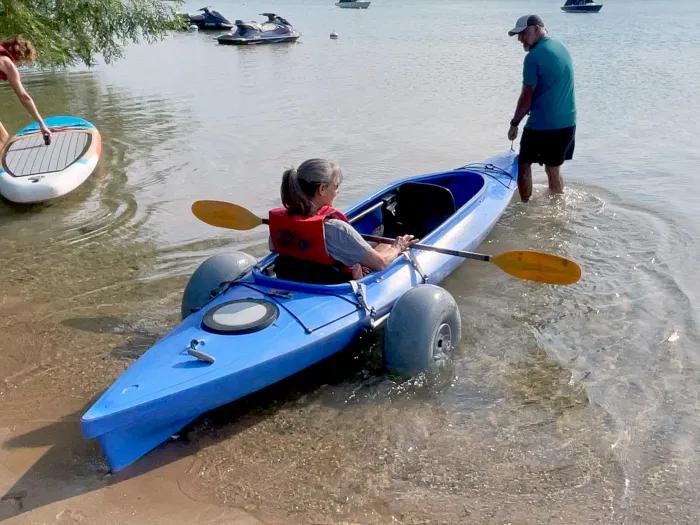
Expanding camp adventure for all
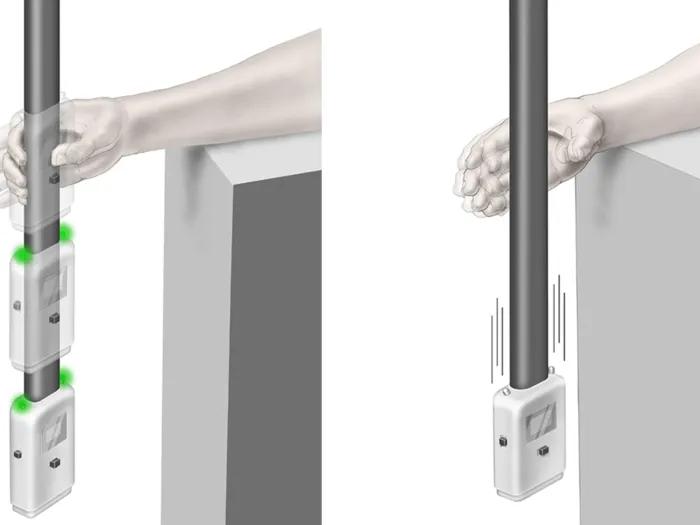
A method to prevent falls before they happen
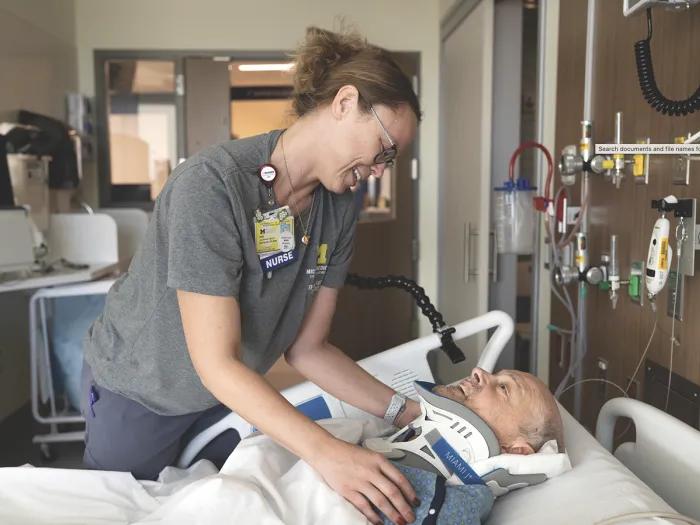
Giving with gratitude: planned gifts support nursing, research, and patient care
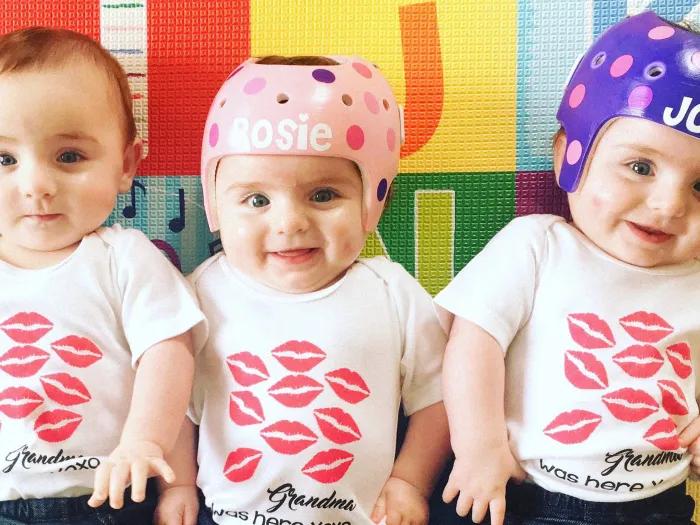
A smarter helmet for the smallest patients
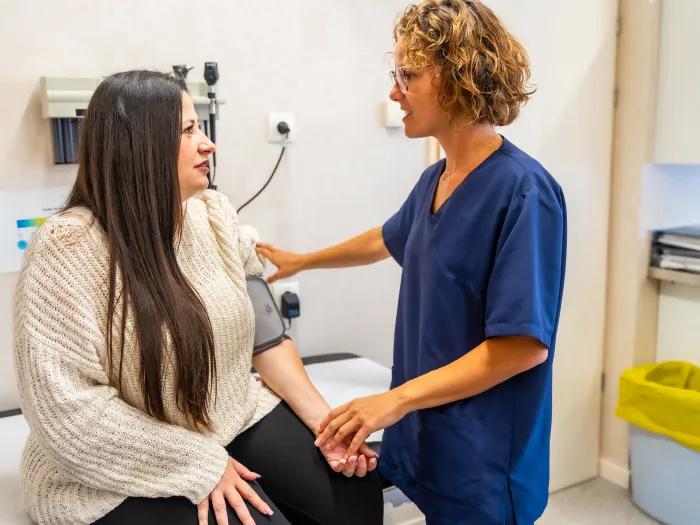
To reduce chronic pain, a new digital program could help