Inflammatory Breast Cancer (IBC)
Inflammatory Breast Cancer (IBC)
What is Inflammatory Breast Cancer (IBC)?
Inflammatory Breast Cancer (IBC) is a rare but aggressive form of breast cancer. It is commonly associated with invasive ductal cell carcinoma. In this disease, cancer cells block lymph vessels in the skin and soft tissue. IBC-is associated with changes to the breast including breast swelling and skin changes such as redness or thickening.
IBC is known for its rapid progression and is generally diagnosed at a more advanced stage than other types of breast cancer. IBC is stage III or IV by the time of diagnosis due to its aggressive nature.
Our Approach
The Weiser Family Center for Breast Cancer is dedicated to providing compassionate, cutting-edge care for individuals affected by breast cancer. We enhance lives through early detection, personalized treatment, and survivorship support, while advancing research, education, and advocacy. Our unwavering commitment is to make a meaningful difference, improving breast cancer outcomes for all.
Appointment Information
If you're a patient interested in making an appointment, please call 734-647-8902.
Healthcare providers looking to refer a patient, please contact M-LINE: 800-962-3555.
For those with questions, please contact our Cancer AnswerLine at 800-865-1125.
What are the symptoms of IBC?
Due to its rapid progression, IBC might be initially mistaken for an infection. Key symptoms include:
- Redness: Sudden onset of redness covering a third or more of the breast.
- Swelling: The breast may become swollen and feel heavy, sometimes increasing in size quickly.
- Warmth: The breast may feel warm to the touch.
- Pain: Tenderness or aching in the breast.
- Peau d'orange: The skin of the breast may take on a dimpled appearance, similar to an orange peel.
- Inverted Nipple: The nipple may turn inward or become flattened.
Risk Factors
A risk factor is something that increases the chance of developing a disease. The following are potential risk factors for breast cancer:
- Age: Most common in middle-aged women, typically diagnosed between the ages of 40 and 50.
- Race: More prevalent in African-American women.
- Obesity: Higher body weight is a recognized risk factor.
- Genetics: Family history of breast cancer and genetic mutations (BRCA1 and BRCA2) can increase the risk.
How is IBC diagnosed?
In addition to physical examination by a healthcare provider, the following tests are used to confirm a suspected case of IBC:
- Imaging Tests: Mammograms, ultrasounds, and MRIs can help identify abnormal areas in the breast tissue.
- Biopsy: A biopsy is crucial for a definitive diagnosis, where tissue samples from the breast are examined for cancer cells.
Staging
Because IBC is aggressive and often diagnosed at an advanced stage, additional tests (CT scans, PET scans, bone scans) may be used to determine if the cancer has spread (metastasized) to other parts of the body.
How is IBC treated?
Due to its aggressive nature, IBC requires a multi-faceted treatment approach:
Neoadjuvant Chemotherapy
Chemotherapy is usually the first step to shrink the tumor and address any cancer cells that may have spread. This is critical because IBC is often advanced by the time of diagnosis.
Learn more about systemic therapy and breast cancer.
Surgery
After chemotherapy, surgery is typically performed. The main surgical options are:
- Mastectomy: Removal of the affected breast.
- Axillary lymph Node Dissection. Removal of the armpit (aillary) Lymph Nodes.
Radiation Therapy
Radiation is often used after surgery to eliminate any remaining cancer cells and reduce the risk of recurrence. Learn more about radiation therapy and breast cancer.
Hormonal Therapy
If the cancer is hormone receptor-positive (estrogen or progesterone receptors), hormonal therapy may be used to block the cancer's access to hormones that promote its growth.
Targeted Therapy
Depending on specific characteristics of the cancer, targeted therapies (e.g., trastuzumab for HER2-positive cancers) may be included in the treatment plan.
Prognosis
The prognosis for IBC is generally less favorable than for other types of breast cancer due to its aggressive nature and the likelihood of late-stage diagnosis.
Advances in treatment have improved outcomes, but early detection and prompt, aggressive treatment remain critical.
Follow-Up Care
Regular follow-up care is essential to monitor for recurrence and manage any side effects of treatment. This may include physical exams, imaging tests, and blood work.
Patient Resources
The psychosocial impacts of breast cancer are profound and multifaceted, necessitating a comprehensive approach to care that addresses emotional, psychological, and social needs. At the Weiser Family Center for Breast Cancer, we understand by leveraging a range of support services and resources, breast cancer patients can better cope with their diagnosis, treatment, and post-treatment phases, enhancing their overall quality of life.
For more specific information on symptoms, diagnosis and treatment information, please visit the following pages on the different types of breast cancer:
- Ductal Carcinoma in Situ
- Hereditary Breast Cancer
- Invasive Ductal Carcinoma (IDC)
- Invasive Lobular Carcinoma (ILC)
- Male Breast Cancer
- Metastatic Breast Cancer
- Tumor Receptors & Breast Cancer
- Aromatase Inhibitors Musculoskeletal Symptoms (AIMSS)
- Breast Cancer & Sexual Health
- Breast Cancer & Young Women
- Breast Cancer & Older Adults
Visit our online library
Lumpectomy & Axillary Surgery: A Patient Care Guide for Before and After Surgery
Lumpectomy & Sentinel Lymph Node Biopsy: A Patient Care Guide for Before and After Surgery
Mastectomy: A Patient Care Guide for Before and After Surgery
Mastectomy & Axillary Surgery: A Patient Care Guide for Before and After Surgery
Axillary Surgery: A Patient Care Guide for Before and After Surgery
Related services offered by U-M Health:
Locations
-
Breast Care Clinic | Brighton Center for Specialty Care 7500 Challis Rd
Entrance 1, Level 1
Brighton, MI 48116-9416Get Directions -
Breast Oncology Clinic | Rogel Cancer Center 1500 E Medical Center Dr
Floor 1
Ann Arbor, MI 48109-5916Get Directions
Doctors

Steven Goble Allen, MD
Clinical Assistant Professor
Radiation Oncology

Monika Leigh Burness, MD
Clinical Associate Professor
Medical Oncology, Internal Medicine

Erin Frances Cobain, MD
Associate Professor
Medical Oncology, Internal Medicine

Aleksandar Filip Dragovic, MD
Clinical Associate Professor
Radiation Oncology

Norah Lynn Henry, MD, PhD
Professor
Medical Oncology, Internal Medicine
Borislav Hristov, MD
Clinical Assistant Professor
Radiation Oncology

Tasha Michelle Hughes, MD
Clinical Associate Professor
Surgical Oncology, Surgery

Elizabeth Maria Jaworski, MD, MS
Clinical Assistant Professor
Radiation Oncology

Jacqueline Sara Jeruss, MD, PhD
Professor
Surgery

Kathleen Anne Kemmer, MD
Clinical Assistant Professor
Medical Oncology, Hematology, Internal Medicine







Providers

Joan Marie Armstrong, NP
Advanced Practice Nurse
Nurse Practitioner - Family, Nurse Practitioner

Susan Marie Egner, NP
Advanced Practice Nurse
Nurse Practitioner
Tamara Mangan Ghormley, NP
Advanced Practice Nurse
Nurse Practitioner, Nurse Practitioner - Community Health
Kimberly Ann Hoskins, NP
Advanced Practice Nurse
Nurse Practitioner - Adult Health
Mary-Jo Marie Julin, NP
Advanced Practice Nurse
Nurse Practitioner
Amanda Leigh Kovach, PA-C
Physician Assistant
Physician Assistant

Katherine Ann Lew, PA-C
Physician Assistant
Physician Assistant
Margaret Anne Miodonski, NP
Advanced Practice Nurse
Nurse Practitioner-Women's Health, Nurse Practitioner
Alissa Ann Stewart, PA-C
Physician Assistant
Physician Assistant
Megan Ann Williams-Morad, PA-C
Physician Assistant
Physician Assistant
News and Stories
New oral nanomedicine boosts effectiveness of cancer immunotherapies
5-year survival rate has increased for all cancers, according to American Cancer Society

Breast cancer patient encourages women to commit to their health
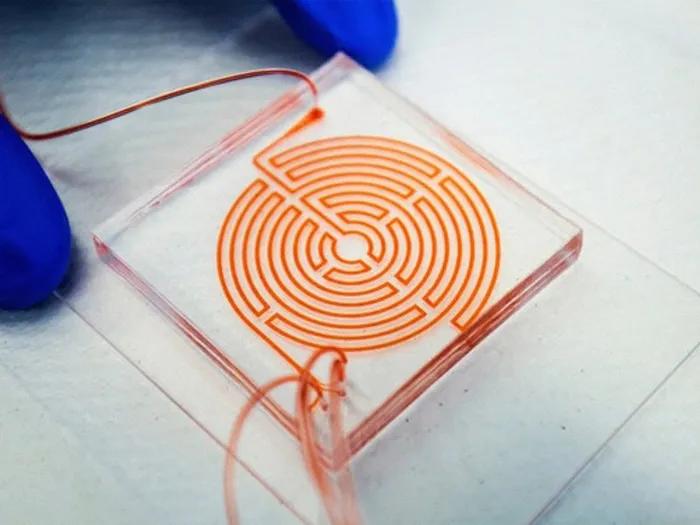
Capturing cancer cells from blood could help doctors choose the right breast cancer treatment
What is ductal carcinoma in situ breast cancer?