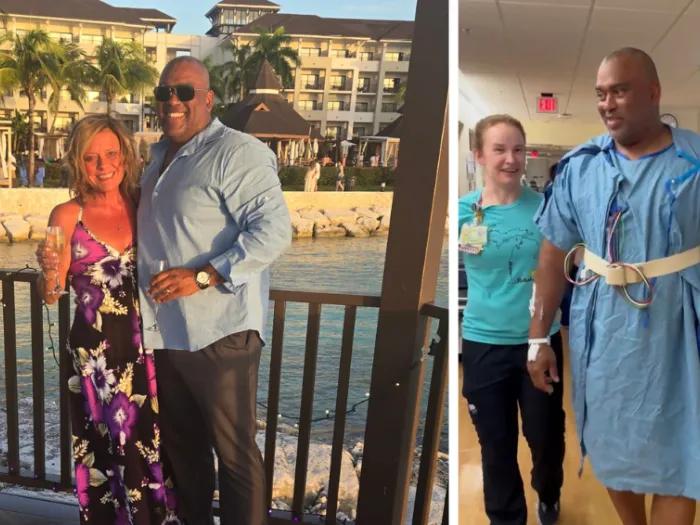
Stroke Rehabilitation Program
Stroke Rehabilitation Program
A stroke can cause injury to your brain, including impairment of motor skills, such as lifting your arm or moving your leg, speech issues and cognitive function. Comprehensive rehabilitation can help you regain function and skills so you can get back to your life.
Our Approach
At the Stroke Rehabilitation Program, our multidisciplinary team of experts utilize a variety of therapeutic interventions to help you recover from a stroke and prevent a future stroke.
The brain can reorganize itself, and it can relearn and repair. This is known as neuroplasticity. When a part of the brain stops working due to stroke, we have to teach it how to reroute. For example, if you want to get groceries and come to a block in the road, turning around and going home won’t get you your groceries; you have to find an alternate route. We teach the brain in the same way – finding an alternate route to lift your hand, read, take a step, etc. Through research, we know that the brain is most pliable to grow right after birth and also after injury. After an injury, the brain sends all the appropriate cells and chemicals needed for the repair. The therapist teaches the nervous system what to do with it, but you have to use it. If you continue to work on your skills, the brain can continue to repair and relearn infinitely.
Services
We offer a variety of services for people who have had strokes, including:
- Occupational therapy – to build your skills for daily living, such as dressing, eating and bathing
- Physical therapy – for building strength, improving balance and coordination
- Speech-language therapy – for language skills and swallowing
- Recreational therapy – to work on activities that you enjoy
- Neuropsychology - to help with any emotional or behavioral issues
- Medication management
- Orthotics – for people who require a wheelchair, walker, brace, etc.
- Social Worker services
Not everyone who has a stroke requires inpatient rehabilitation. For people who have had transient ischemic attacks (TIAs), or mini strokes, their deficit might only last for 24 hours. Some people can have a slight stroke where the deficit lasts just a few days. These people might have some difficulties, but nothing so severe that they need inpatient rehabilitation. This group of people is able to go home once they are stable and then go to outpatient rehabilitation if needed.
For patients with inpatient rehabilitation needs, U-M Health has partnered with Chelsea Hospital to provide stroke rehabilitation care in the most appropriate setting. Patients will have continued access to our high level of medical expertise along with the dedicated, interdisciplinary team of skilled professionals to maximize functionality.
In an inpatient setting, we provide nursing care, management of medical needs, and work on skills for daily living. We provide neurological re-education for balance, along with visual and cognitive processing. We also use advanced technology to help patients having trouble walking. We offer a technology called unweighting, which incorporates a support system from the ceiling to hold up patients so the therapist can assist them in taking steps without any fear of falling or injury. This allows them to work on their walking skills at a higher level. We also have one of the few Lokomat robotic gait-training systems in the state that moves the legs and feet for patients.
From day 1 following a stroke, our board certified clinical specialists and teams of therapists work in the dedicated acute stroke unit to educate patients and families how to minimize learned non-use from occurring in the first place and begin the rehabilitation process.
Inpatient rehabilitation has a minimum of three hours of intensive therapy every day seven days a week. If patients can’t tolerate that pace, they can go to an extended care facility where they can work at a slower pace for a longer duration. Inpatient therapy generally lasts 1-3 weeks.
Before Admission:
Patients are evaluated by a Rehabilitation Physician and typically by an Occupational Therapist, Physical Therapist and/or Speech-Language Pathologist to determine if inpatient stroke rehabilitation is needed. If inpatient stroke rehabilitation is recommended, then the Admission’s Coordinator verifies insurance authorization and medical clearance from the rehabilitation physician. Once these are verified, then admission can occur.
Once Admitted:
A comprehensive initial evaluation with an individualized plan of care will be completed by the rehabilitation team. This includes the rehabilitation physician, nurse, occupational therapist, physical therapist, speech-language pathologist, therapeutic recreation specialist, social worker, and a rehabilitation psychologist.
- The team will complete a medical and functional evaluation including your ability to care for yourself, get in and out of bed, walk and get up and down stairs.
- We will also assess for any changes in the way you think, communicate and swallow.
- It’s also important for us to learn about your needs for social and emotional support, emergency financial issues and spiritual or religious needs to help maintain a sense of well-being, hope and strength.
- After this evaluation, the team will determine an anticipated discharge date with you.
During your stay, you and the stroke rehabilitation team coordinate your care plan, education, activities, exercises, programs, technologies and durable medical equipment to address your rehabilitation goals. Additional providers and services will be consulted as appropriate to meet your continued medical and recovery needs.
Interdisciplinary Team Meetings: During your rehabilitation stay, the team will meet at least weekly to discuss your progress and address any changes to your plan of care.
Stroke-Specific Patient and Family Education: You will be provided with a patient and family education pathway to guide your education and training with your providers. It gives you and your caregivers an opportunity to plan your education with your team and to have a way to ask follow up questions later.
Outpatient rehabilitation mostly focuses on progressing mobility and advancing strength, endurance and speed of walking, helping you to be as independent as possible. In addition, we utilize constraint-induced therapy to help patients improve their weaker side by what is known as forced use. This therapy encourages strength training and activities for the weaker side.
We also work with you on preventing a future stroke, ensuring you are taking your medications and making the necessary lifestyle changes. Dietitians are available to help you make better nutritional choices.
Everyone recovers to different levels at different paces. One person can be completely recovered in two to three months, while some could take a year and still have things to work on, such as strength and endurance. For many, rehabilitation is a lifelong process.
Appointment Information
For appointments with our physicians or more information about our clinics, please contact our call center at 734-936-7175.
Rehabilitation Technologies & Adjunct Programs
The lab is one of three computer therapy labs in the country. Whether you are re-learning how to use your affected arm or leg to wash and dress yourself or you are reinforcing balance strategies for your mobility training, the lab uses technology to help develop the necessary physical, cognitive and visual skills to improve your level of function and independence. The computer therapy lab uses multiple rehabilitation technologies to provide the necessary repetition, intensity and task-oriented training needed to support your rehabilitation goals. These technologies include gravity-modifying exo-skeletons, electromyographic (EMG) controlled therapeutic gaming and computer control, virtual reality, mobile computer therapy carts, functional electrical stimulation, and low end assistive technologies.
Lokomat: A robotic-assisted, treadmill-based gait trainer with a body weight support for early mobility and gait training. It includes a non-immersive virtual reality component to increase engagement.
Andago: A mobile robotic tool for over-ground gait training to bridge the gap between robotic treadmill-based training and walking. The Andago can sense where you want to go and follow you while providing safe body weight support. This allows you to gain confidence and a sense of safety while learning to walk over different surfaces and obstacles.
NMES: Neuromuscular electrical stimulation (NMES) is used for muscle strengthening, maintaining muscle mass, assisting with edema management and preventing changes in muscle following a stroke.
FES: Functional electrical stimulation is used to retrain functional activities such as reaching, grasping, standing and walking. It can be a short-term treatment to help re-train movement or long-term solutions called neuroprosthetics.
- RT300 FES Ergometer: An FES ergometer that stimulates the arms, legs and core during arm and leg cycling. It includes a non-immersive virtual reality component to increase engagement, provide feedback and track performance improvement.
- RT Xcite: A portable FES unit providing task specific strengthening and gross motor training activities for the arms and legs.
- Bioness L300: A programmable FES device that stimulates muscles that lift the foot to clear the ground during gait to walk more naturally with increased speed and balance. The L300 can be used for short term rehabilitation or as a long term neuroprosthesis.
The University of Michigan Stroke Rehabilitation Program utilizes a community-based approach to providing aquatic therapy through community re-entry trips to local accessible pools. Our Certified Aquatic Therapists will individualize program that can provide a unique rehabilitation and educational environment to facilitate recovery and improve balance, strength, endurance and changes in postural tone.
Before you go home, your team will collaborate with you to plan a trip into the community to help you gain confidence in your personal growth and recovery and prepare you for participating in community activities again.
Locations
-
Physical Medicine & Rehabilitation Clinic | Burlington Building 325 E Eisenhower Pkwy Ste 100
Ann Arbor, MI 48108-3364Get Directions
Doctors
Edward Scott Claflin, MD
Clinical Associate Professor
Physical Medicine & Rehabilitation
Percival Pangilinan, MD
Clinical Associate Professor
Physical Medicine & Rehabilitation
Emine Poyraz, MD
Clinical Assistant Professor
Physical Medicine & Rehabilitation
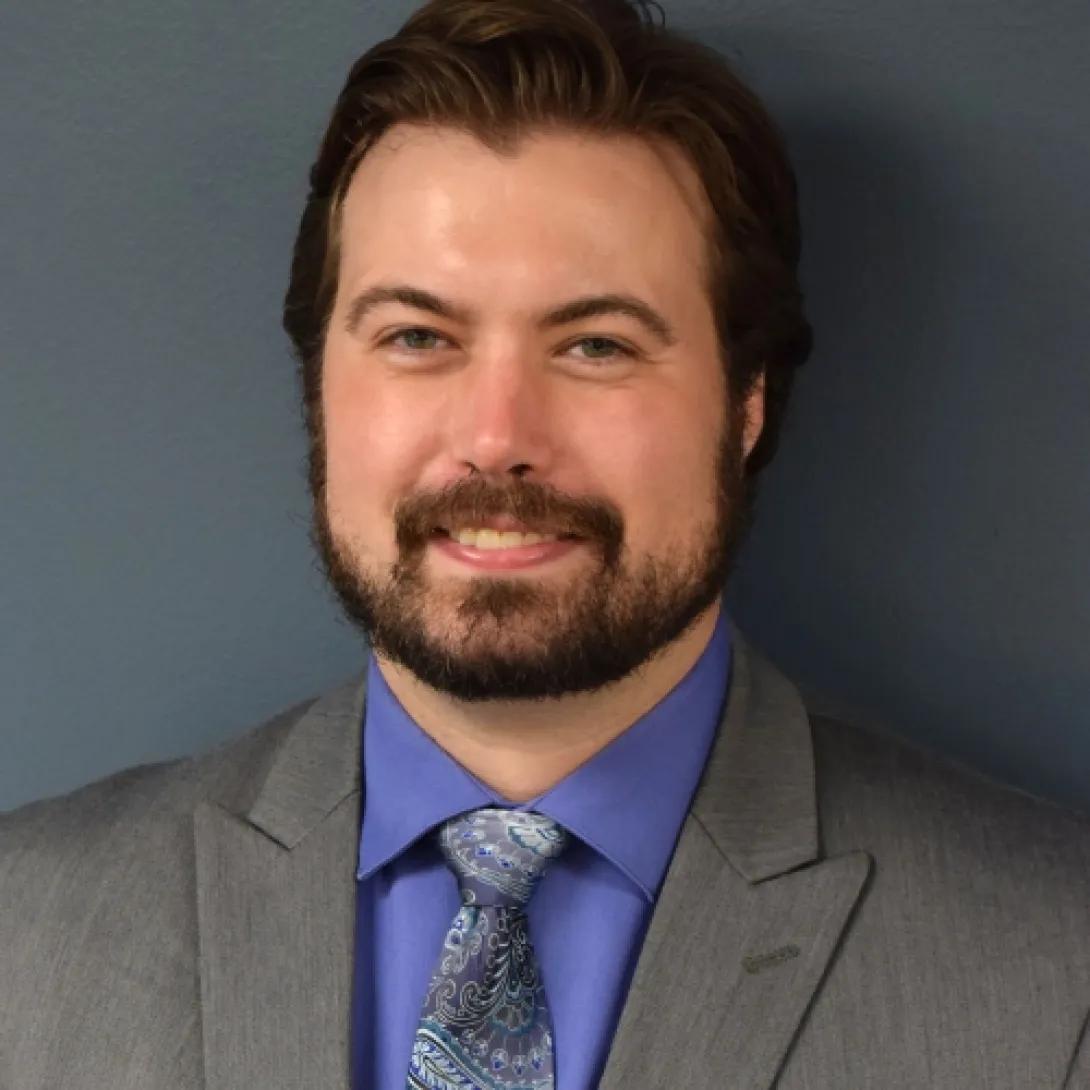
Joshua James Startup, MD
Clinical Assistant Professor
Physical Medicine & Rehabilitation
Providers
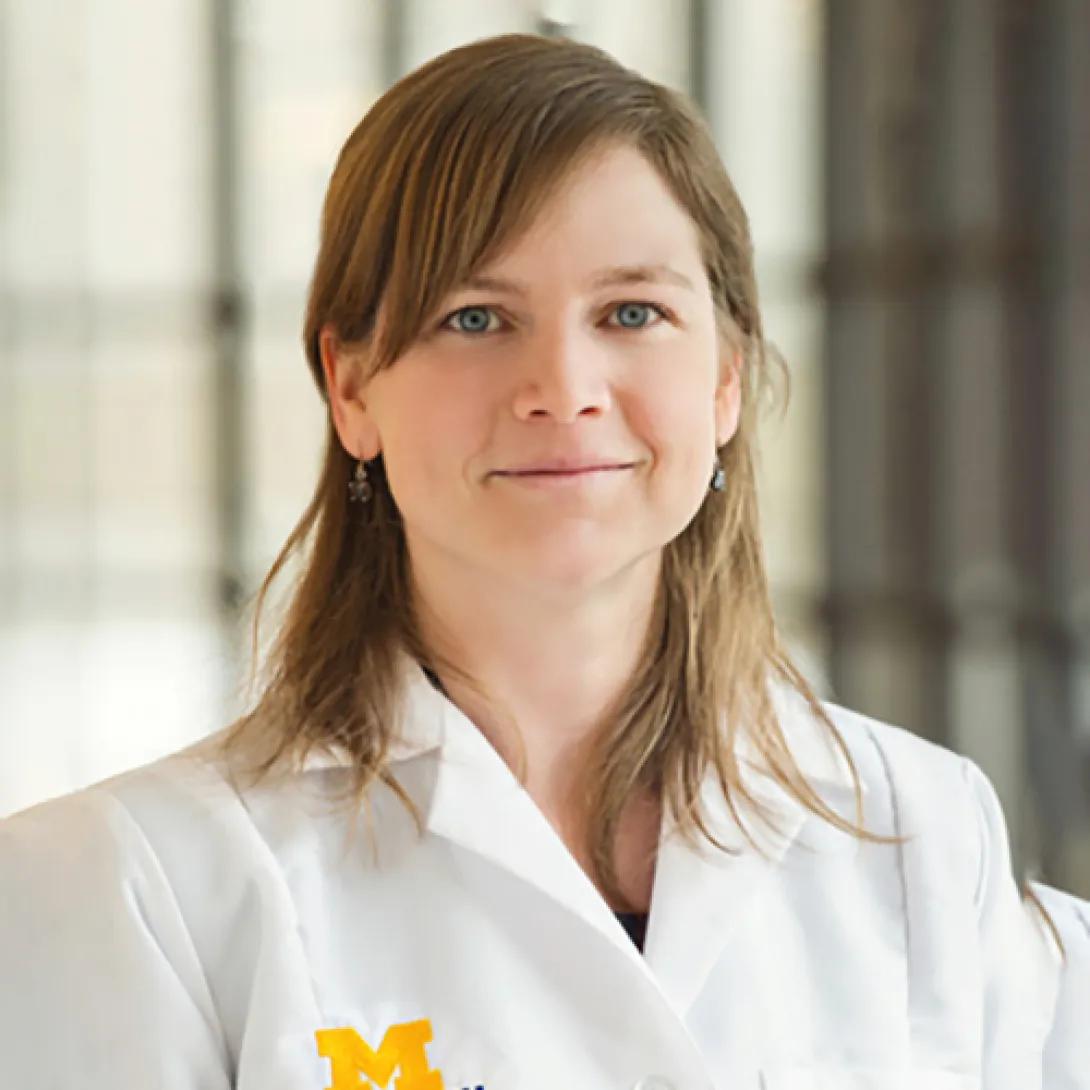
Nicolette Marie Gabel, PhD
Clinical Associate Professor
Clinical Psychology, Clinical Neuropsychology
Allison Josephine Lake, PhD
Clinical Assistant Professor
Clinical Psychology
Emily Noyes, PhD
Clinical Assistant Professor
Clinical Psychology, Health Psychology
Katharine Surella Seagly, PhD
Clinical Associate Professor
Clinical Psychology
News & Stories
The Questions That Shape the Future of Medicine
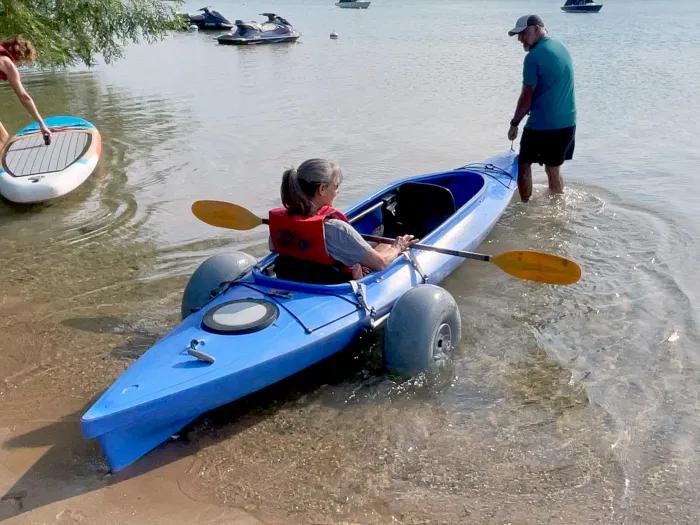
Expanding camp adventure for all
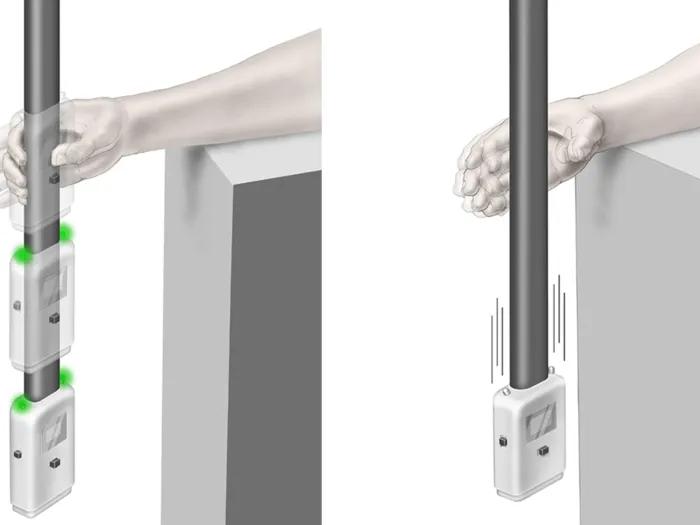
A method to prevent falls before they happen
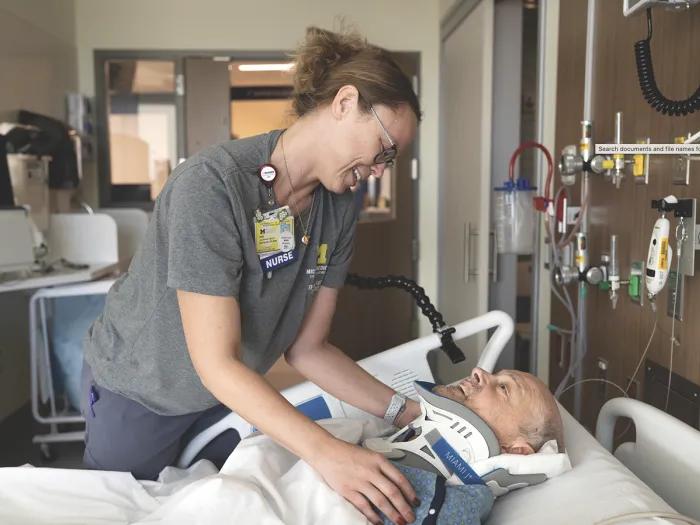
Giving with gratitude: planned gifts support nursing, research, and patient care
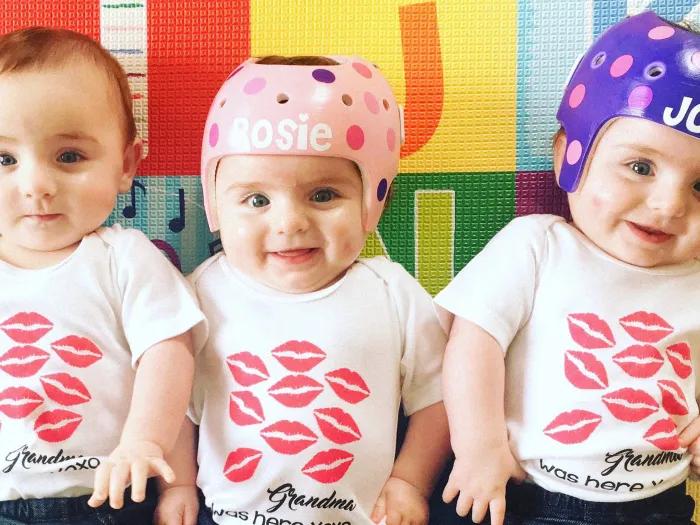
A smarter helmet for the smallest patients